Can You Grow Pumpkins In Pots?
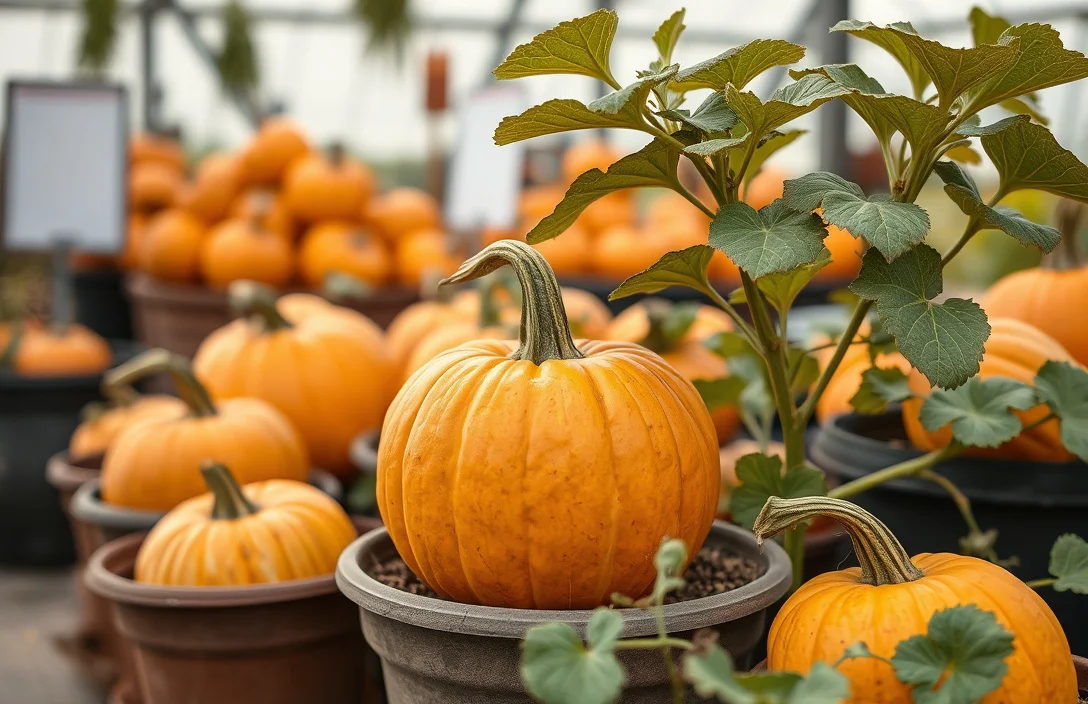
Yes, you can grow pumpkins in pots, and it works surprisingly well when you plan for root space, big watering needs, and lots of sun. Container pumpkins fit patios, small yards, and any spot where you cannot spare ground. This guide walks you through the choices that matter and how to set yourself up for real results.
Growing pumpkins in pots is absolutely doable in the United States, as long as you use a large container (about 15 to 20 gallons per plant), full sun, and a potting mix that drains well. Plan for frequent watering during hot weather and give each vine enough room to spread – or trellis it. Start with a compact variety for the best odds.
Key Takeaways
- Container size matters most. Use about 15 to 20 gallons per plant to support vigorous pumpkin roots.
- Pick compact varieties. Smaller types handle containers better than full-size field pumpkins.
- Sun requirement is strict. Plan for 6 to 8+ hours of direct sun daily to set fruit.
- Drainage is non-negotiable. Use a pot with drainage holes and a mix that won’t stay soggy.
- Watering is daily in heat. Keep soil evenly moist, and expect more frequent watering in summer.
- Plan for pollination and space. Expect hand-pollination sometimes, and manage vines so they can breathe.
What to Know About Growing Pumpkins in Pots
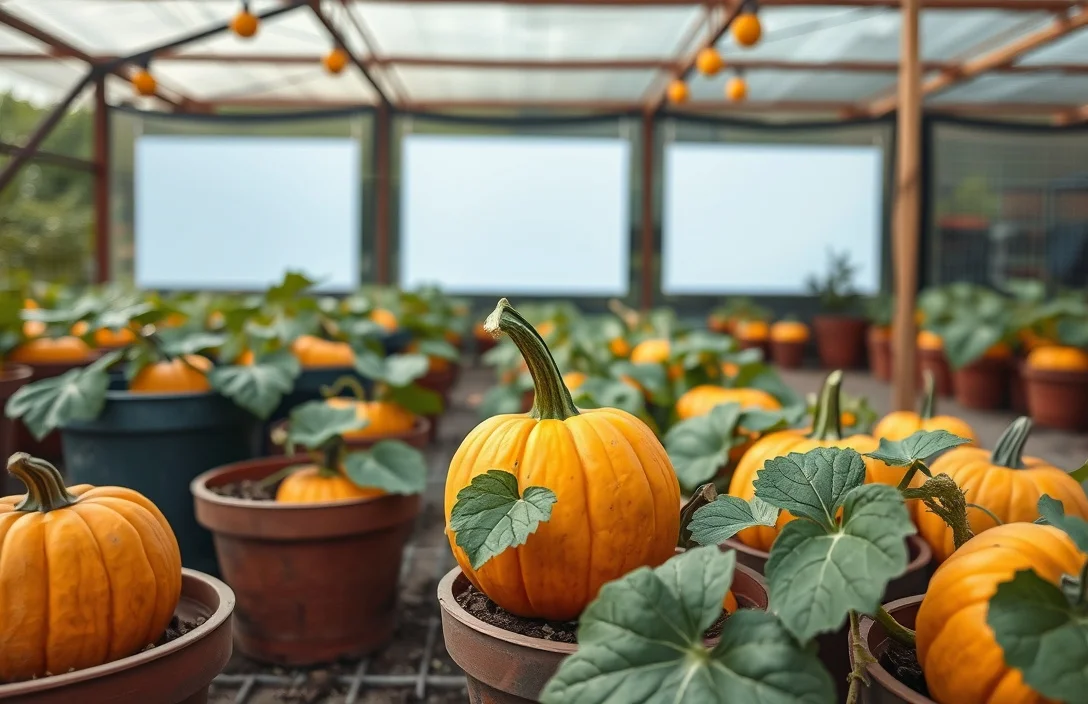
Pumpkins are big plants, and in containers the biggest limitation is usually root space, not whether the plant can grow at all. With enough volume, bright sun, and consistent moisture, you can grow pumpkins in pots in a typical US backyard or patio setup.
Pumpkin vines can get long. In the ground, they can wander and still find room, but in pots they tangle, shade lower growth, and complicate pest checks and harvest. Choose a variety that stays manageable, then plan where the vine will go – across a deck, spilling over an edge, or up a trellis.
Things that matter most
Treat the pot like part of the plant system. A small container creates root stress, and stressed pumpkin plants often push out lots of leaves, set fewer flowers, or drop developing fruit.
Container pumpkins also need faster, more frequent watering than in-ground plants. Pots heat up quickly in sun and do not pull water from deeper soil, so drought stress can show up in a day or two during warm weather. Use a simple rule: if the top inch of potting mix is dry, water thoroughly until it drains out the bottom.
Fertilizer matters because pumpkins are heavy feeders, and containers run out of nutrients faster. Go for steady nutrition rather than occasional big bursts, since uneven feeding can lead to weak fruit development. Use a balanced fertilizer early, then switch to a bloom-friendly formula once flowering starts – always follow the label directions.
Tips for Growing Pumpkins in Pots
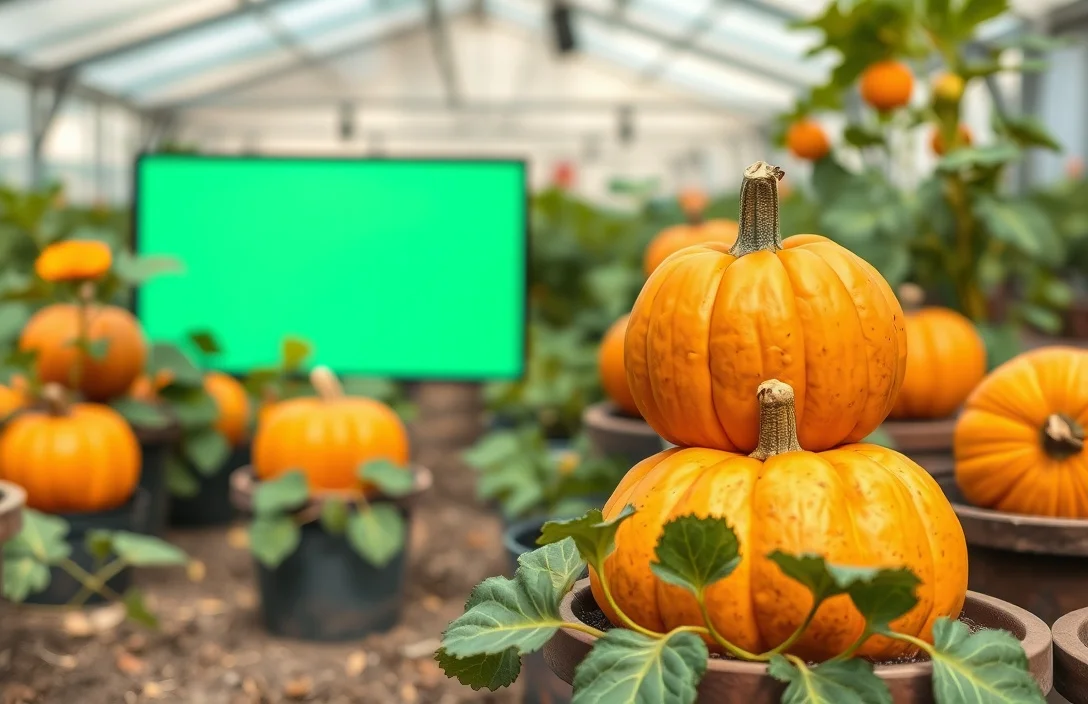
Pick the right variety first, and you’ll avoid weeks of frustration. Look for “mini,” “compact,” “patio,” or “pie” types. Many are bred to stay smaller and mature earlier than field pumpkins. If you only find a large variety, you can still try, but you’ll need more pot volume and tighter vine management.
Use the right pot and potting mix. A sturdy container with drainage holes plus a potting mix labeled for containers holds moisture without turning soggy. If you mix your own, aim for a blend that drains well and doesn’t compact – compacted mix reduces oxygen to the roots.
Water deeply and consistently, then adjust as the plant grows. Early on, you may water a few times a week. By mid-summer in hot climates, you might water daily or near-daily. When you water, soak until you see water drain from the bottom, then wait until the top inch dries out again.
Manage vines early to prevent a jungle later. Random sprawl drops airflow and raises the odds of powdery mildew. Train vines along the rim of the pot, up a trellis, or across a controlled area. Remove dead or diseased leaves promptly.
For the highest fruit set, hand pollination can help. Female flowers usually have a small swelling at the base (the future fruit). Male flowers do not. Transfer pollen from a male bloom to a female bloom, then repeat on cloudy mornings or when pollinators are scarce.
Benefits of Growing Pumpkins in Pots
Container growing gives you control, and that control is what makes pumpkin growing realistic for beginners. You can place the pots where light is strongest, move them to shield them from heavy rain, and keep them away from poor soil.
Potted pumpkins also work well in small spaces. In a townhouse, on a patio, or when you want a fall feature without dedicating a full garden bed, containers let you grow pumpkins without committing to ground planting.
Good airflow and controlled vine placement can also reduce some pest and disease pressure. With fewer crowded leaves and quick cleanup of old foliage, you lower the chances of leaf issues that thrive in wet, congested conditions.
Containers are flexible across the season too. If you start seeds indoors or under cover, you can move the pots to warmer spots as weather changes, then keep them in the sun they need once the plants start flowering.
Options for Growing Pumpkins in Pots
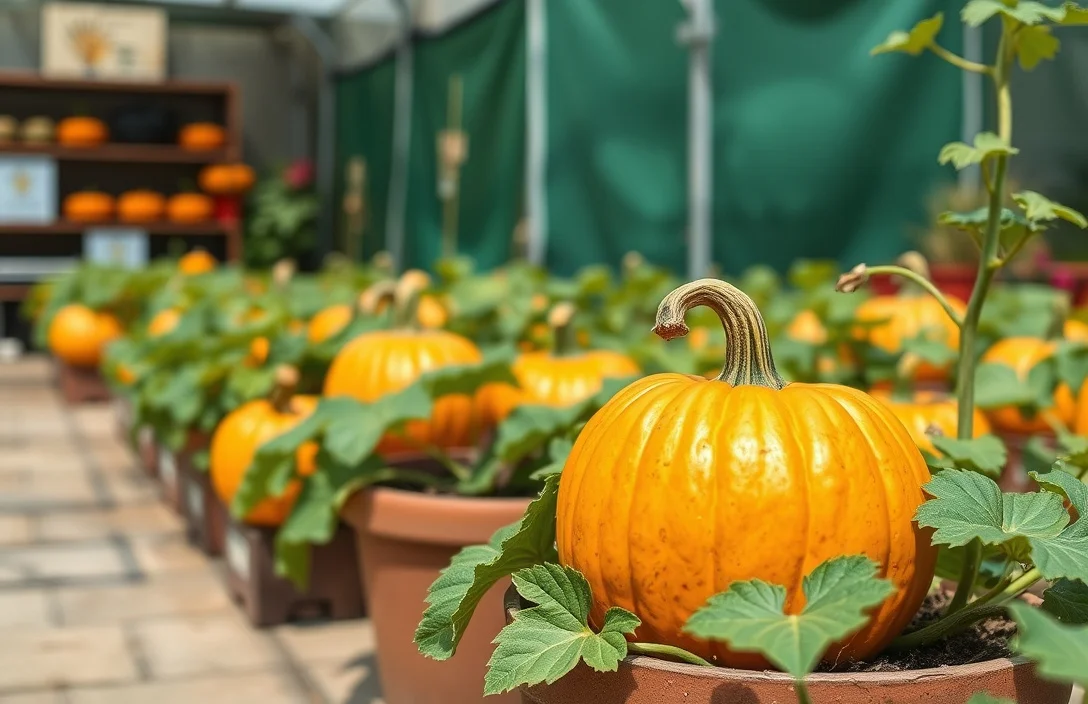
You have three practical container setups that work – and the best one depends on your space and how willing you are to train vines.
1) One plant per large pot (simplest)
This is the easiest route for most people. Use one pumpkin plant per container, give it as much volume as you can, and let the vines trail in a controlled area.
2) Two plants per container (only with compact varieties)
Two plants in one container increases competition for water and nutrients. If you try this, use two plants only if the container is large enough that they do not tangle and crowd each other.
3) Trellised container pumpkins (most controlled)
A trellis keeps vines off the ground and can look neat on a patio. Expect extra work because heavy fruit will need support slings as pumpkins grow.
Container and variety choices that actually work
| Option | Best Container Size | Best For | One Trade-off |
|---|---|---|---|
| One plant per pot | 15 to 20 gallons | Most beginners, easiest setup | Less flexibility if you want multiple pumpkins |
| Compact “patio” types | 15 gallons minimum | Small spaces, tighter vine control | Fewer or smaller pumpkins vs large types |
| Trellis-trained vines | 20 gallons per plant | Neat look, airflow control | You must support fruit and manage vine growth |
| Early start indoors | 15 to 20 gallons | Short seasons, better maturity timing | More steps, transplant timing matters |
What to Do for Better Success (Expert Advice)
Treat container pumpkins like a “small orchard” instead of a single plant. The pot limits water and nutrients, so your job is to keep conditions stable: consistent moisture, reliable sunlight, and regular feeding.
Use a schedule, not a mood. Waiting until leaves look droopy can mean the plant has already fallen behind during flowering. Check soil moisture on a predictable rhythm, then water deeply when the top inch dries out.
Do not overcrowd. One pumpkin plant per container is the cleanest path to success, especially with typical patio containers. Overcrowding reduces sunlight to flowers, raises leaf humidity, and cuts airflow.
Watch fruit set and fine-tune care once flowers start appearing. After flowering begins, keep watering consistent so blooms do not dry out and drop. Avoid high-nitrogen overfeeding that drives leafy growth at the expense of fruit.
If you’re growing pumpkins on a deck or patio, plan where the pumpkins will sit before they get heavy. Hanging fruit can tear or crack if it isn’t supported, so add slings or harvest when the fruit reaches your desired size and maturity.
Examples: Growing Pumpkins in Pots
A common US setup looks like this: a sunny patio in July. A gardener plants one compact pumpkin plant in a 15 to 20 gallon container, uses container potting mix, places it in full sun, and waters whenever the top inch dries out. By August, vines spill over the rim or are trained along a simple trellis, and fruit begins forming once pollination is happening reliably.
In a smaller balcony space, trellis-first is often the better choice. Use a compact variety, attach a trellis near the pot, train vines upward, and add fabric slings when pumpkins grow large. The payoff is tidy growth and better airflow, with the trade-off that you check fruit support every week.
In cooler or shorter-season areas, starting seeds indoors and transplanting after frost risk passes can improve timing. Choose an early or compact variety, use a larger pot to reduce transplant stress, and prioritize sun exposure right after transplanting. That approach can lead to earlier flowering and a more reliable harvest before cold weather hits.
FAQ
Can I grow a full-size pumpkin in a pot?
Yes, but it is harder than growing compact varieties. Full-size pumpkins need more root space and vine room, so expect to use a large container (around 15 to 20 gallons) and do serious vine management. If you are new to container growing, start with a patio, mini, or compact pumpkin type for better odds.
What size pot do pumpkins need?
A good target is about 15 to 20 gallons per plant for most container pumpkin attempts. Smaller pots dry out too fast and restrict root growth, which can reduce flowering and fruit set. Always use a container with drainage holes, and use potting mix made for containers rather than garden soil.
How long does it take to grow pumpkins in pots?
Most pumpkin varieties take roughly 90 to 120 days from sowing to harvest, but it varies by variety and growing conditions. Using earlier or compact types can shorten the timeline. Your plant will only progress if it gets enough sun, consistent moisture, and steady nutrition.
Are potted pumpkins safe for kids and pets?
The plant itself is generally not the issue, but pumpkins and vines are physically chewable and can be fragile. Keep pots stable so they do not tip, and stop pets from digging or chewing vines for safety and plant protection. Handle any vine trellis carefully too, since hanging fruit can get heavy.
What’s the most common mistake when growing pumpkins in pots?
Using a container that is too small is the biggest mistake. Many people start with a small planter, then deal with fast drying and nutrient shortages, and the plant grows poorly or drops flowers. If you change one thing, increase pot size and keep watering consistent once flowering starts.

- 10 Best Slow Cooker For Slow Cooking Legumes 2026 (Tested And Reviewed) - October 17, 2026
- 10 Best Slow Cooker For Slow Cooking Oxtail 2026 (Tested And Reviewed) - October 16, 2026
- 10 Best Slow Cooker For Slow Cooking Venison 2026 (Tested And Reviewed) - October 16, 2026