Can You Use Rice Cooker As A Slow Cooker?
Rice cookers are built to hold food warm, steam grains gently, and run for long stretches. That first instinct is reasonable, but “low and slow” is really about temperature control, time at safe heat, and moisture management. Here’s when you can use a rice cooker as a slow cooker, how to do it safely, and what timing and texture to expect.
Yes, you can use a rice cooker as a slow cooker in many cases, but only if your model has a real Keep Warm cycle or an extended low-temperature setting (or you can manage the heat manually). Expect longer cooking than a true slow cooker, and expect thicker, drier results unless you add extra liquid. For hearty stews, use 1.25 to 1.5 cups liquid per cup of meat or beans.
Key Takeaways
- Not a true slow cook. Rice cookers don’t hold as steady a simmer as dedicated slow cookers.
- Use the Keep Warm cycle. Keep Warm can mimic low heat, but you control duration.
- Add extra liquid. Expect moisture loss, so increase broth or water by about 25-50%.
- Brown for best texture. Sear meat first, then slow-cook for better flavor and less “boiled” taste.
- Use safe internal temps. Cook chicken, pork, and ground meats until they reach safe doneness.
- Skip delicate foods. Rice cookers can over-soften dairy, fish, and quick-cook vegetables.
What to Know About Using a Rice Cooker as a Slow Cooker
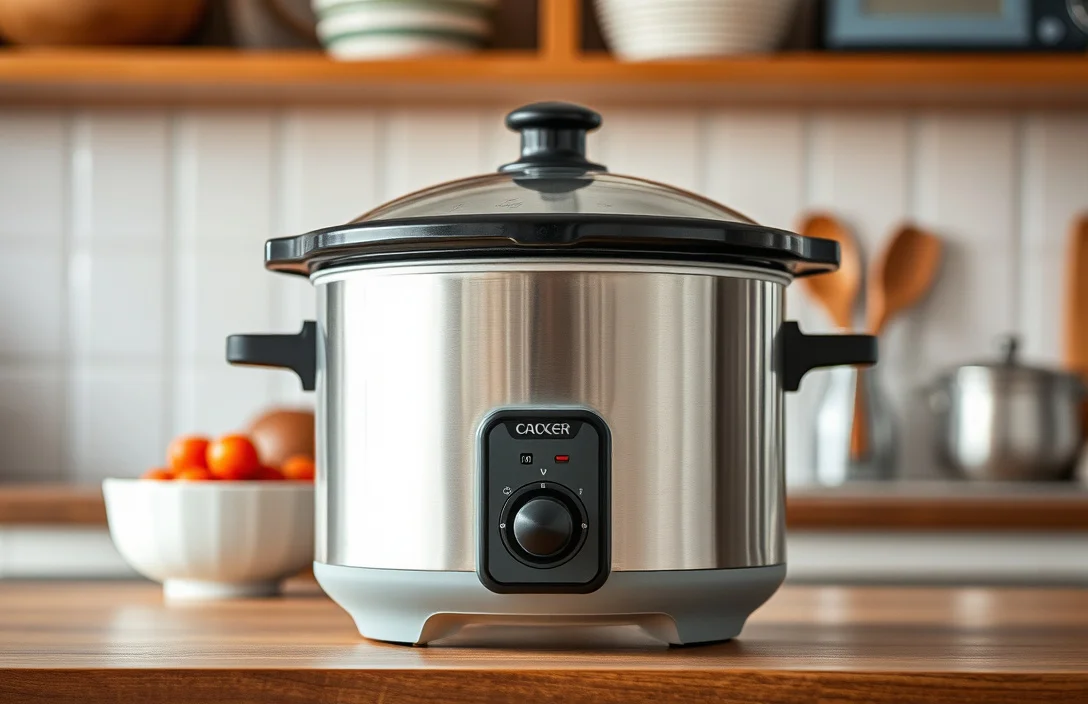
Rice cookers can cook low and slow, but they do it differently than slow cookers. Most rice cookers cycle between heat and a lower Keep Warm temperature, and that switching affects how braises and stews break down.
The closest results to “slow cooked” happen when the dish tolerates long, gentle heat. Tough cuts like chuck and shoulder, plus beans and legumes, usually handle it well. Thick sauces that rely on a steady simmer and gradual reduction are less predictable.
Things that matter most
A rice cooker works best as a controlled hold device, not a precise temperature appliance. The same rice cooker that makes perfect rice can still struggle with stew because starches thicken and liquids reduce in uneven ways.
These factors make or break the method:
- Temperature stability is the limiter. Slow cookers usually maintain a lower, more consistent simmer than most rice cookers.
- Heat transfer changes texture. Condensation and the way heat spreads can make meat more tender, but it can also reduce that classic browned-braise flavor.
- Liquid ratio matters more than you think. Too little liquid can turn stew into dry, shredded meat instead of spoon-tender broth.
Tips That Make It Taste More Like Slow-Cooked Food
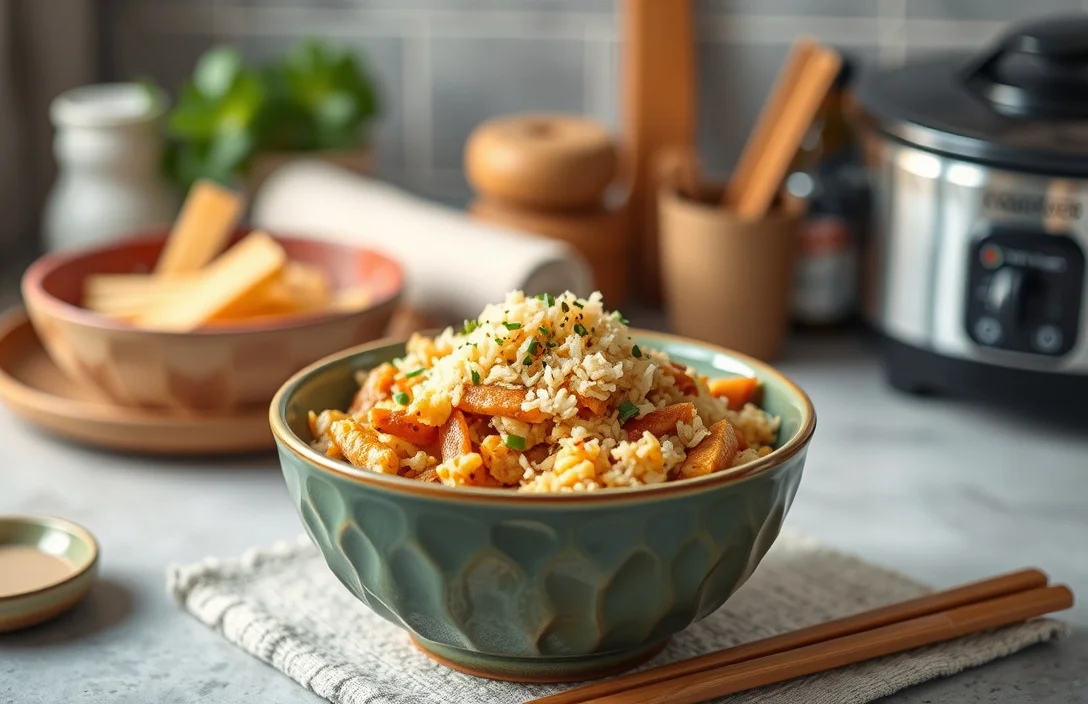
- Sear first, then cook. Brown meat in a skillet for 3-5 minutes per side so flavor develops before the long hold.
- Increase liquid by 25-50%. Rice cookers lose liquid differently. More broth keeps the dish from drying out.
- Layer ingredients in order. Put hard vegetables and root veg lower in the pot. Add tender veg on top or stir it in later.
- Keep the lid on. Every peek vents steam and shifts moisture and timing.
- Start with Cook for the initial boost. Many models heat harder at the beginning. Use that phase to bring the pot up to temperature faster.
- Move to Keep Warm for the long part. If you want that tenderizing slow-cook effect, the extended low phase is where it happens.
If you’re cooking beans, soak when possible. Soaking cuts total cook time and helps prevent uneven texture, which stands out more in rice cooker batches than in slow cooker pots.
Benefits and Trade-Offs
The main win is convenience. With a rice cooker, you can run a one-pot method for stews and braises without dragging out another appliance.
You also get a hands-off rhythm, especially once the rice cooker reaches Keep Warm. It’s practical for mornings to evenings – start, tend once or twice, and serve when you’re ready.
The trade-off is flavor and texture. Rice cooker results often skew more “braised” than “simmered.” If you want a classic slow-cooker flavor with a thicker, reduced sauce, plan to reduce the liquid at the end (briefly off the lid or with a short stovetop simmer).
Options Depending on Your Rice Cooker
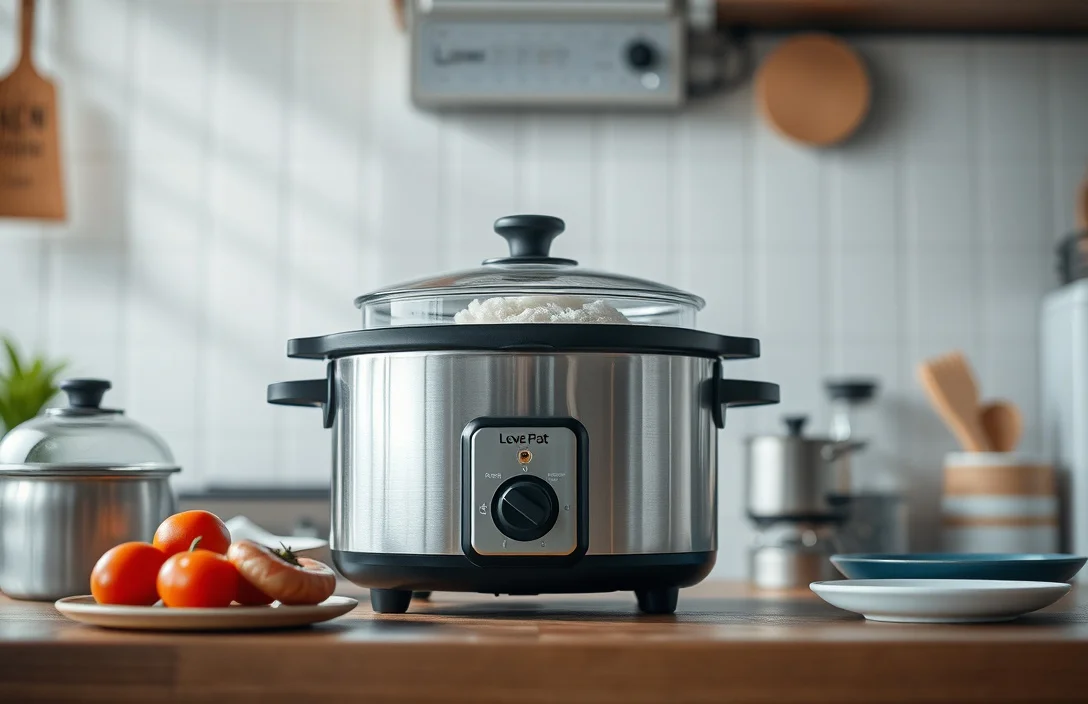
There are three workable setups based on what your model actually supports.
Option A: Cook + Keep Warm (best all-around)
Run the normal Cook cycle to bring everything up to heat, then switch to Keep Warm for the long tenderizing phase.
Option B: Manual low staging (best if you can control power)
Some rice cookers let you set cooking duration or switch modes. If you can hold a lower setting for hours, you’ll get more consistent results.
Option C: Rice cooker for “stew adjacent” meals
Use it for chili, bean soups, and ragus where thickening is part of the payoff. For delicate sauces, finish on the stovetop instead of relying on the rice cooker to nail the final texture.
If your rice cooker only has basic on/off with a single warm mode, Option A is usually the safest and easiest to repeat.
Food Safety and Doneness Rules That Keep This Reliable
Treat food safety as non-negotiable. Low-hold methods still need the food to reach safe internal temperatures. “It’s been on for hours” does not replace cooking raw ingredients properly.
Bring the mixture to a hot state early. Keep the rice cooker running its main Cook heat until the pot is actively hot and bubbling, then switch to Keep Warm for tenderness.
Doneness cues should guide you more than the clock:
- Meat: shreds with a gentle fork.
- Beans: tender throughout.
- Broth: reduces slightly without turning gluey.
If the pot gets too thick, add a splash of hot broth, stir, then continue on Keep Warm.
Be careful with thickening ingredients. Flour, cornstarch slurry, and dairy can break or turn grainy. If your recipe includes them, add them near the end – after the bulk cook – using brief stovetop heat or a short final warm stage.
Recipes Patterns That Translate Well
Example 1: Beef stew that turns fork-tender
Equipment: rice cooker with Keep Warm, skillet (for sear), cutting board.
Ingredients (basic template): 2 lb chuck or shoulder, 1 large onion, 3-4 carrots, 2-3 potatoes (optional), 3-4 cups broth, salt, pepper, bay leaf, optional tomato paste.
Timing
- Sear: 15 minutes
- Cook heat: 20-30 minutes (bring to active bubbling)
- Keep Warm phase: 2.5-4 hours (stir once if needed)
Method
Sear beef in batches (don’t crowd the pan), then sauté onion in the same skillet for 2-3 minutes. Transfer beef and vegetables into the rice cooker, add broth and seasoning, then run Cook until the stew is actively hot. Switch to Keep Warm and cook until the beef shreds easily.
Doneness cues
Fork-shreddable meat, carrots tender, potatoes intact (if using). If the stew gets too thick, add hot broth 1/2 cup at a time.
Substitutions
No chuck? Use pork shoulder or lamb shoulder. Want it thicker? Add tomato paste at the start, but keep extra liquid.
Storage
Cool within 2 hours, refrigerate up to 4 days. Reheat on the stovetop until hot, and add broth if it tightened in the fridge.
Troubleshooting
If it’s dry, you started with too little liquid or you kept the lid open. Add hot broth and continue on Keep Warm 30-60 minutes.
Example 2: Slow-cooked chili with beans (no mushy disaster)
Equipment: rice cooker, skillet, ladle.
Ingredients template: ground beef or turkey (about 1.5 lb), 1 onion, chili powder, cumin, garlic, 1 can diced tomatoes, 2 cans beans (drained or partially drained), broth or water, salt.
Timing
- Brown meat and onion: 15-20 minutes
- Cook heat: 10-20 minutes
- Keep Warm phase: 2-3.5 hours
Method
Brown meat and onion with spices until fragrant. Add tomatoes, beans, and enough broth so it’s clearly looser than you want at serving time, then run Cook until it’s hot and bubbling. Switch to Keep Warm and let flavors meld.
Doneness cues
Beans are tender, chili tastes seasoned throughout, and meat is fully cooked. If it’s thickening too much, stir and add broth.
Substitutions
Use chickpeas or white beans. For smokiness, add a little smoked paprika near the end.
Storage
Refrigerate up to 4 days, freeze up to 3 months. Thaw in the fridge and reheat gently, stirring.
Troubleshooting
If the chili is pasty, you likely over-thickened too early. Thin with broth, then cook on Keep Warm 20 minutes to re-integrate.
Example 3: Chicken tikka-style braise (tender, but finish for sauce)
Equipment: rice cooker, skillet, optional blender/immersion blender.
Ingredients template: chicken thighs or drumsticks, yogurt (optional, for marinade), onion, garlic, ginger, garam masala, turmeric, cumin, crushed tomatoes, and a bit of oil. Add broth so there’s enough liquid for braising.
Timing
- Sear/spice step: 15-25 minutes
- Cook heat: 15-25 minutes
- Keep Warm phase: 1.5-3 hours
Method
Brown chicken (skin side if applicable), then sauté onion and spices in the same skillet. Add crushed tomatoes and broth into the rice cooker with chicken, then run Cook until the sauce is hot. Switch to Keep Warm until chicken is tender and cooked through, then thicken or brighten the sauce on the stovetop briefly.
Doneness cues
Chicken is tender and reaches a safe internal temperature. Sauce coats a spoon without tasting flat or undercooked.
Substitutions
Skip yogurt? Add lemon juice after cooking for tang. Swap chicken thighs for pork if you want similar tenderness.
Storage
Refrigerate up to 3-4 days. Reheat on low heat so chicken stays moist.
Troubleshooting
If sauce tastes thin or sour, reduce on the stovetop 3-8 minutes uncovered. If it’s grainy, stir well and avoid high heat.
FAQ
Can you use a rice cooker as a slow cooker safely?
Yes, if you use it as a low-hold method and you still reach safe cooking temperatures. Start with the Cook cycle until the food is actively hot, then switch to Keep Warm for the long tenderizing time. Don’t leave raw meat sitting at room temperature before cooking, and cool leftovers within 2 hours.
How long does a rice cooker take versus a slow cooker?
The “slow” part usually takes longer, especially for tougher cuts or dry beans. A practical plan is Cook for the initial heating (20-30 minutes for stews) and then Keep Warm for 1.5-4 hours depending on the dish. Check doneness by texture, not only by the clock.
What liquid-to-solid ratio works best?
Use extra liquid. Start with about 25-50% more broth or water than your slow-cooker recipe suggests, since rice cookers can tighten liquids in uneven ways. If it gets too thick before tenderness, stir and add hot broth in small additions.
What’s the easiest rice cooker “slow cooking” recipe to try first?
Chili or bean-based stew is the easiest because starches and spices handle longer warm-hold times. Brown meat, add beans, tomatoes, and broth, run Cook to bring it to heat, then switch to Keep Warm for a few hours. Stir once if it thickens too fast.
What’s the most common mistake people make?
Using too little liquid and skipping a sear. Low liquid dries out meat or turns sauce gluey. Skipping browning also makes stews taste flatter because you lose the early flavor build.

- 10 Best Slow Cooker For Slow Cooking Oatmeal 2026 (Tested And Reviewed) - October 17, 2026
- 10 Best Slow Cooker For Slow Cooking Grains 2026 (Tested And Reviewed) - October 17, 2026
- 10 Best Slow Cooker For Slow Cooking Legumes 2026 (Tested And Reviewed) - October 17, 2026