Can Bulbs Be Planted In Pots?
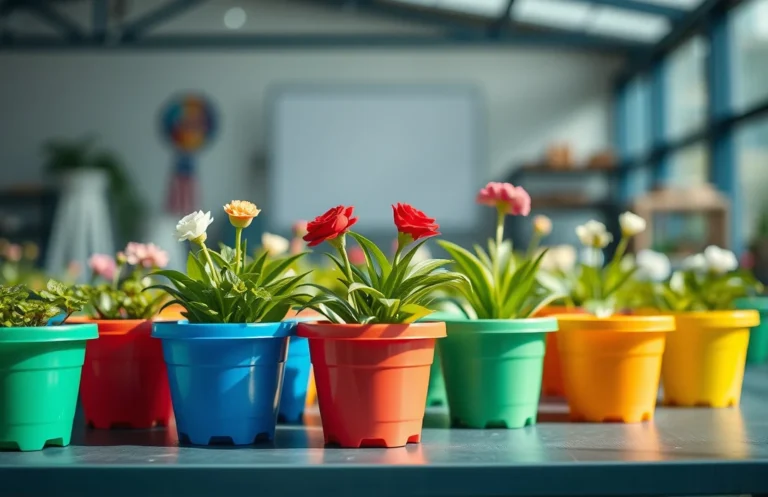
Yes – bulbs can be planted in pots, and you do not need a yard to enjoy spring flowers. In the U.S., potted bulbs work especially well on patios, balconies, and front steps because you can control soil quality, exposure, and drainage. Here’s what to choose, how to plant, and how to handle watering and overwintering so the bulbs actually bloom.
Bulbs can be planted in pots as long as the container drains well and the bulbs get enough cold to trigger growth. Most hardy bulbs need outdoor winter chilling, so the safest approach is an unheated, protected spot (like a sheltered patio corner) plus insulation from freeze-thaw heaving. Plan on a full pot cycle – plant in fall, then flower the next spring.
Key Takeaways
- Most bulbs work in pots if you use drainage holes and fresh potting mix.
- Compact bulbs are easier: crocus, dwarf daffodils, and grape hyacinth tend to perform well in containers.
- Pick a deep pot so roots have room, typically about 8 to 10 inches for many common spring bulbs.
- Plant at the right depth so bulbs sit several inches below the soil surface, not right at the top.
- Water early, then ease up after planting until shoots emerge, because bulbs hate soggy soil.
- Plan overwintering by keeping pots outdoors and protecting them from repeated freeze-thaw cycles.
Can Bulbs Be Planted in Pots?
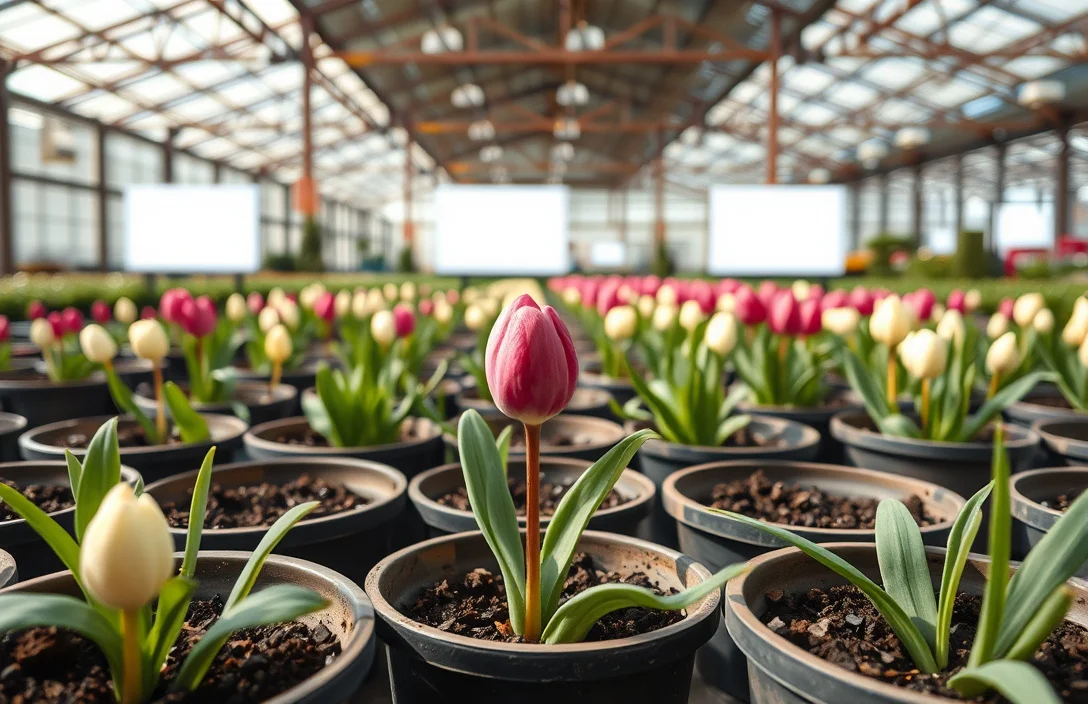
Bulbs absolutely can go in pots, and they often do better than people expect when the mix drains freely. Two things drive most of the outcome: planting depth and preventing waterlogged soil during wet stretches.
A pot is a smaller “world” than the ground. Soil can dry out faster in sun and wind, but it can also stay too wet and too cold when drainage is poor. Bulb rot can happen in the ground, but in containers it can show up faster because the roots have less space to recover and breathe.
Treat potted bulbs like a planned setup: choose container-friendly bulbs, use the right potting mix, and decide how you’ll protect them in winter. Once shoots appear, you can move the pot to a visible spot.
Which Bulbs Work Best in Containers
The easiest container bulbs are the ones that stay relatively compact and don’t require a long, sprawling root run to flower well. For a reliable first try, stick to spring bloomers that naturally fit small spaces.
Great options for pots include:
- Crocus (small, early color, forgiving in containers)
- Dwarf daffodils (classic look without a huge pot requirement)
- Grape hyacinth (dense clusters that look great in groups)
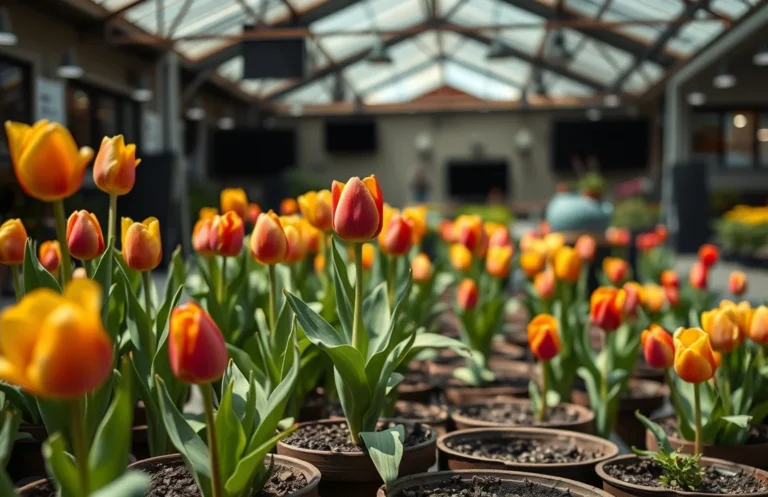
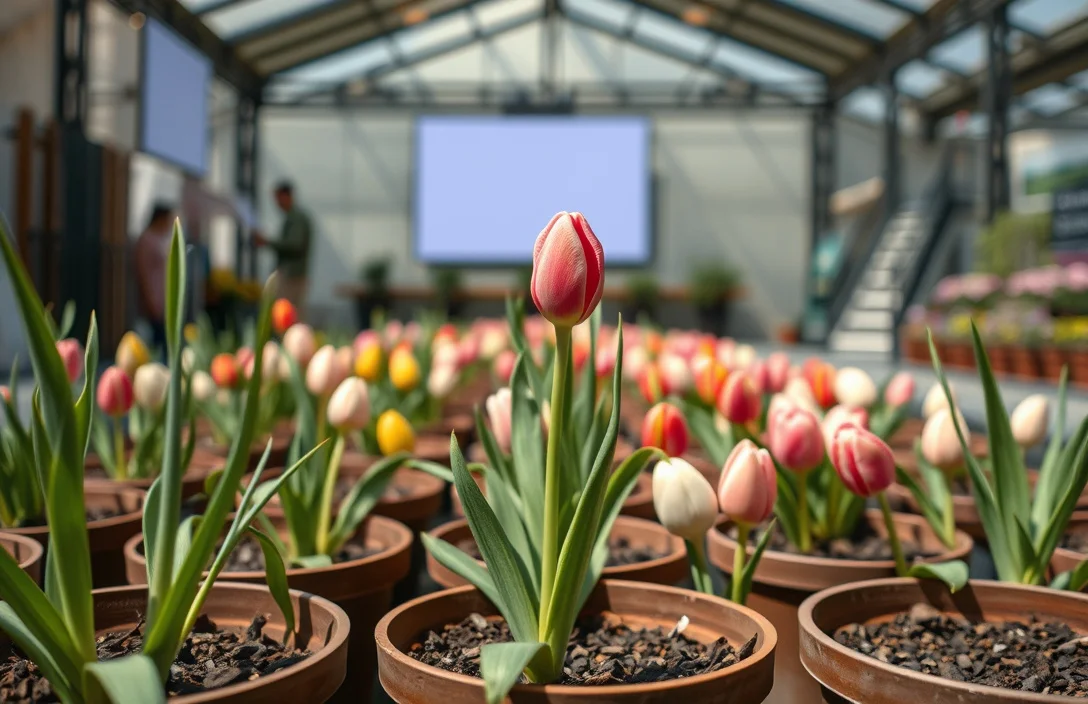
- Tulips for pots (choose shorter varieties for best results)
- Snowdrops (only if you can keep them cool and give them enough time)
Large bulbs and very tall varieties can work, but they raise the odds of disappointment. A big tulip in a shallow pot may flower once, then weaken quickly or struggle to return next year. If your goal is repeat bloom, prioritize smaller, sturdier types that match container life.
Bloom timing matters too. Mixing early, mid, and late bulbs can extend color for weeks, but keep bulb groups on the same general planting season and with similar winter needs.
What Pot Size and Drainage Do Bulbs Need
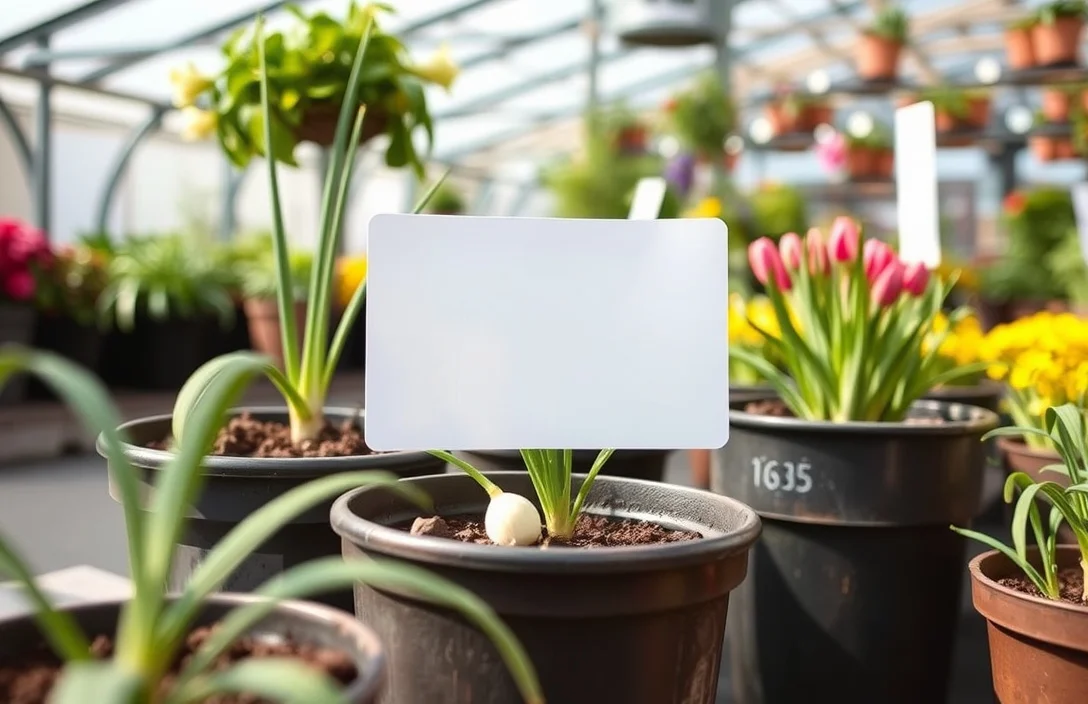
Drainage is non-negotiable, because bulbs rot when they sit in water. Use a pot with multiple drainage holes, and never let it sit with runoff pooling in a saucer.
Pot size affects more than looks. Soil volume controls how quickly the mix dries and how steadily it freezes and thaws. Too-small containers can dry out during warm spells, then freeze hard in cold snaps. That stress can reduce flowering.
A practical starting point for many container bulbs is 8 to 10 inches deep for typical spring bulbs. For larger bulbs or bigger groupings, go deeper and wider. Exact depth depends on the bulb size, but follow the planting-depth rule for your bulb’s label or guidance.
Width is about clustering. Plant bulbs close enough to look full – not scattered so far apart that each one looks stranded. Leave a little space so bulbs don’t jam against each other.
Use a quality potting mix instead of garden soil. Potting mixes hold moisture more evenly and drain better in containers.
How to Plant Bulbs in Pots Step by
Potted bulb success comes down to pot, mix, and depth. Get those right and the rest is simple.
- Pick a draining pot. Use a container with drainage holes, and skip pots that only have one small hole.
- Fill with quality potting mix. Keep the mix loose so water moves through instead of pooling.
- Plan your planting depth. Set bulbs so they sit several inches below the soil surface, matching the bulb’s label or general bulb planting guidance.
- Space bulbs for a clean cluster. Plant close enough for a full look, but don’t cram bulbs so tightly they touch and deform.
- Set bulbs pointed up, then cover. Cover completely with potting mix, then press lightly to remove large air gaps.
- Water briefly, then stop overwatering. Water after planting until the mix settles, then let the potting mix dry slightly before watering again.
For an “instant wow” pot, use layering or group compatible bulbs together – like small early bloomers with later bloomers. Keep planting depths compatible so you’re not forcing a bulb that needs shallower placement to sit too deep.
Example: for early spring color, place smaller bulbs at their recommended depth and larger ones at theirs in the same container. Cover and water once, then keep watering needs aligned with the bulbs you chose.
After planting, keep the pot outdoors or in another cold period that matches the bulb type. Most bulbs need that cold signal to bloom when temperatures rise.
When to Water and Fertilize Potted Bulbs
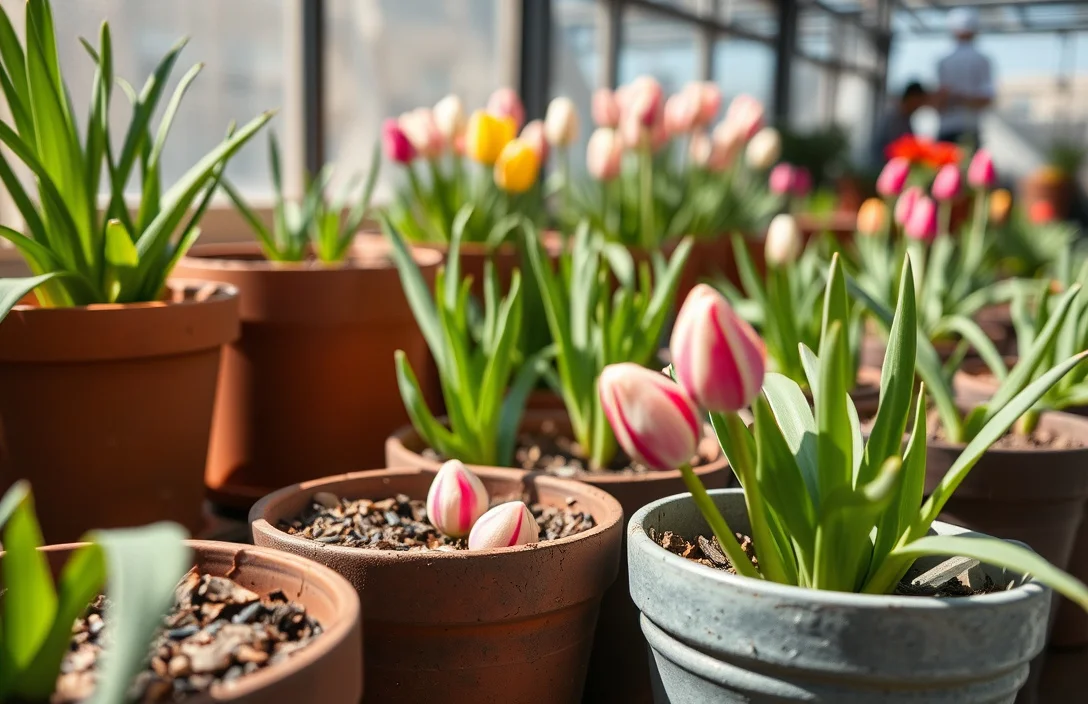
Watering potted bulbs means avoiding two problems: completely dry mix that stops root growth, and consistently soggy soil that invites rot. After planting, water just enough to settle the mix, then let the potting mix dry slightly between waterings.
Once shoots emerge, water more regularly. At that point you’re supporting above-ground growth, so aim for evenly moist – not wet. Full sun and warm days can increase water needs during growth and bloom.
Fertilizing works best when you start at the right time. Using good potting mix at planting helps a lot, and fertilizer is generally most useful once growth begins, not months before. Bulbs run on stored energy during early development, so heavy feeding before shoots show up rarely helps.
After flowering, fertilize lightly only if leaves are still actively growing. Keep foliage until it naturally declines. Leaves rebuild bulb reserves for next year, and cutting them early usually leads to weaker returns.
A simple routine looks like this:
- Water after planting to settle the soil.
- Water sparingly during dormancy.
- Increase watering once shoots appear.
- Fertilize when growth starts, and let leaves die back naturally after bloom.
How to Overwinter Bulbs in Pots
Overwintering is where potted bulbs succeed or fail. Freeze-thaw cycles can heave bulbs out of the soil or damage developing roots.
In many parts of the U.S., keep pots outdoors through winter, but protect them from repeated thawing and freezing. Group pots together, place them near a sheltered wall, and insulate the container so the soil temperature shifts more gradually (wrapping the pot with insulating material is one approach).
Don’t rely on indoor warmth to “replace” winter unless your bulbs are specifically meant to be forced. Most garden bulbs need real cold to bloom normally. A cold-free indoor winter often produces weak growth or no bloom.
Trap water is another common failure point. After winter storms, potting mix can stay wet for long stretches, especially in low spots. Make sure the pot has drainage holes and is not sitting in standing water. If there’s a saucer under the pot, empty it after heavy rain.
For a typical hardy spring bulb in a pot:
- Keep it outdoors where it experiences winter cold.
- Protect from wind and temperature swings.
- Maintain drainage so it doesn’t stay waterlogged.
- Avoid heavy watering during dormancy unless the soil becomes unusually dry.
If your winters are mild, adjust expectations. Some bulbs simply won’t get enough cold to bloom consistently, so you may need bulbs known to do well in your climate zone.
How to Get Bulbs to Bloom Again Next Year
Repeat bloom depends on bulb energy, not luck. Keep the bulb healthy through flowering, then let it rebuild reserves afterward.
After potted bulbs finish flowering, keep the foliage for as long as it stays green. Leaves capture light and send that energy back into the bulb. Cutting leaves right after blooms fade turns a potentially repeatable pot into a one-season display.
Water and feed lightly if the plant is still actively growing leaves. The goal isn’t bone-dry mix, but it’s also not constant wetness. Bulbs shift from bloom into storage, so a moderate routine works best.
Here’s the honest trade-off: some container bulbs return reliably for multiple years, while others behave more like annuals in pots. Dwarf daffodils and grape hyacinth are often the dependable choices, while some tulips can be hit-or-miss for repeat years unless conditions are very favorable and bulbs get enough time to rebuild.
For the highest chance of repeat bloom:
- Keep leaves until they naturally fade.
- Water consistently during the leaf stage.
- Fertilize when growth is active.
- Use quality potting mix and avoid compacted, nutrient-depleted soil.
If bulbs don’t return strongly, it’s not automatically a mistake – it’s often container reality. At that point, treat the pot as seasonal color and replant with fresh bulbs next season.
FAQ
Can bulbs be planted in pots on a patio?
Yes. Patio pots work well with drainage holes and potting mix instead of garden soil. Plant at the correct depth for the bulb type, water after planting, and keep the pot outdoors through winter for hardy bulbs.
What pot size do I need for bulbs?
Choose a pot deep enough for roots, commonly 8 to 10 inches deep for many standard spring bulbs. Wider pots let you plant in clusters for better looks and more even moisture. For larger bulbs, go deeper and wider.
Do potted bulbs need fertilizer?
Fertilizer helps once growth begins, especially during the shoot and leaf stage. Use a fertilizer appropriate for flowering plants and follow label directions instead of heavy feeding right after planting. Let foliage stay after bloom so the bulb stores energy for next year.
How often should I water bulbs in pots?
Water after planting to settle the soil, then water sparingly during dormancy. Once shoots emerge, keep the potting mix evenly moist but not wet. If the pot dries out quickly in hot sun, water more often during active growth.
Will bulbs in pots bloom again next year?
Some will, but it depends on bulb type and how well you care for leaves after flowering. Keep foliage until it yellows and dies back naturally, and fertilize lightly while leaves are still green. Many tulips in containers are less consistent, while smaller bulb types often do better.

- 10 Best Slow Cooker For Slow Cooking Legumes 2026 (Tested And Reviewed) - October 17, 2026
- 10 Best Slow Cooker For Slow Cooking Oxtail 2026 (Tested And Reviewed) - October 16, 2026
- 10 Best Slow Cooker For Slow Cooking Venison 2026 (Tested And Reviewed) - October 16, 2026