Growing Lavender Indoors In Pots Explained Simply
Lavender can grow indoors in pots, but it is picky about three things: light, drainage, and letting the roots dry slightly between waterings. If you get those right, you can usually keep a compact, fragrant plant year-round and push it toward blooms. This guide walks you through a working indoor setup, choosing the right lavender types, and diagnosing yellow leaves and no flowers.
Key Takeaways
- Light comes first. Aim for very bright conditions, with many homes needing a grow light for reliable growth.
- Drainage is non-negotiable. Lavender in pots should never sit in water, so use a fast-draining mix.
- Water less than you think. Let the top inch of soil dry before watering again.
- Choose container-friendly varieties. Some lavenders tolerate pots better and stay compact.
- Prune for shape. Light pruning in spring encourages branching and more future flowering.
- Fix problems fast. Yellow leaves indoors usually trace back to light shortage or overwatering.
What Setup Works
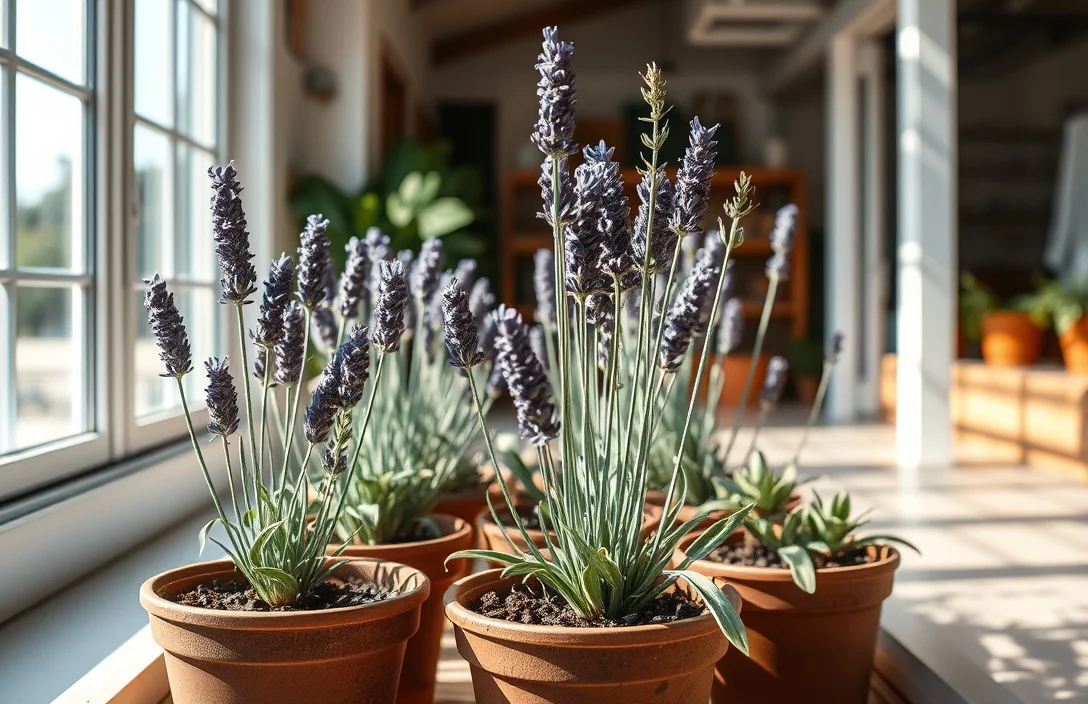
Indoor lavender in pots succeeds when you treat it like a plant that wants “dry feet and bright sun,” not like a typical leafy houseplant. You need to mimic outdoor conditions: lots of direct or near-direct light, breathable roots, and a watering rhythm that avoids soggy soil.
Start with placement. A south-facing window (in the US Northern Hemisphere) is often the best natural option, but it still may not deliver enough usable light, especially in winter. If your lavender stretches, leans, or keeps making small, pale growth, the light isn’t strong enough.
Use a pot system that makes overwatering hard. Terracotta (un-glazed or well-draining) or a breathable pot works well, but the real requirement is a drainage hole that can’t clog. Keep a saucer only for catching drips. Never let it sit in standing water, and empty any runoff after watering.
For soil, skip generic “potting mix” as a solo solution. Lavender needs gritty, fast-draining media with sharp texture so water leaves quickly. Lavender roots rot when the soil stays wet too long.
Plan around indoor seasons. Many people keep lavender warm and evenly wet all year, then wonder why it struggles. Lavender usually does better with a cooler, brighter winter rest period, and it often wants a drier cycle then.
Which Lavender Varieties Thrive in Containers
Not all lavenders behave the same in pots. Indoors, you want types that stay compact and tolerate being root-restricted better. That typically means English lavenders and closely related compact cultivars, or specific dwarf selections sold for containers.
Look for varieties marketed as compact, dwarf, or suitable for containers. They stay smaller and put more energy into manageable growth rather than long, woody sprawls that quickly outgrow a pot. If you’re choosing from an existing outdoor plant, use habit as a clue: tight and bushy tends to translate better to containers than tall, open sprawl.
Lavandin hybrids can be vigorous outdoors, but that same vigor indoors can demand more light and faster-drying soil than your windowsill usually provides. If your lighting is marginal, choose a container-suited cultivar instead.
A simple rule for indoor bloom goals: start with smaller, container-forward plants. You’ll get faster wins and fewer “why is this plant declining slowly” surprises.
If you want a dependable starter strategy, buy one established potted plant from a nursery. Then focus on keeping it bright, dry-ish, and pruned. Once you’ve nailed the light and watering, you can try more varieties.
Soil Mix, Pot Size, and Drainage for Lavender
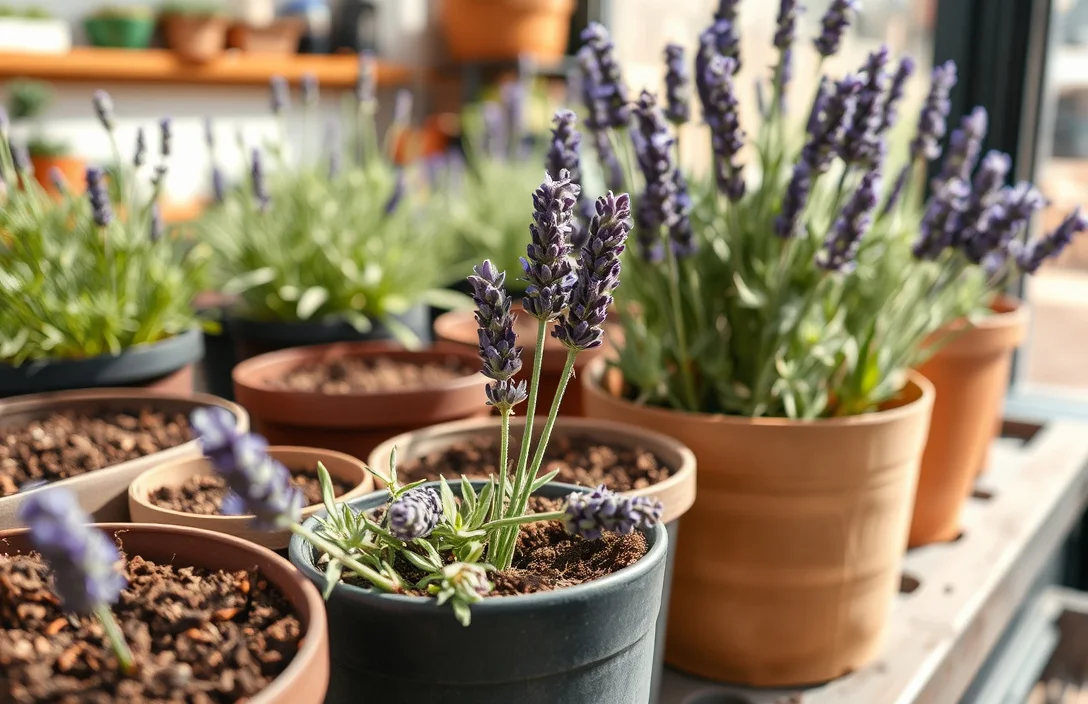
Lavender in pots needs gritty, fast-draining soil because the most common indoor failure is wet soil staying wet. Think sandy and airy, not moist and cushiony. If a squeezed moistened handful holds shape like cake batter, it’s too dense for lavender.
Use a quality potting base and add mineral amendments that increase drainage. A common workable blend is potting mix plus perlite and coarse material like pumice or horticultural grit. If you only have perlite and potting mix, add extra perlite, but coarse grit or pumice gets you closer to what lavender likes.
Pot size affects how fast soil dries. A pot that’s too large for the plant holds extra moisture around the roots, which raises rot risk. Start with a pot that gives roots room without huge empty volume. For a medium young plant, around 8 to 12 inches in diameter is a comfortable range, then size up slowly only when roots fill the pot.
Drainage isn’t just “has a hole.” Soil can silt into the outlet and clog it. If your pot has a narrow outlet, use a slightly chunkier mix and avoid very fine powders that compact.
Saucers and cachepots matter too. Lavender should drain fully, then sit dry. If you use a decorative cachepot, keep the nursery pot inside and remove it after watering so it drains completely. Put it back only after no drips remain.
How Much Sunlight and Heat Lavender Needs
Lavender wants bright light, and indoors that usually means either a very sunny window or supplemental lighting. If you only have a north window or your plant gets blocked by buildings or trees, use a grow light to prevent the classic tall, leggy, no-bloom outcome.
Aim for several hours of strong light daily. Many homes need a grow light to reliably reach that, especially during fall and winter when daylight hours drop in the US. If you can’t consistently provide intense light, choose a compact variety and accept that you may get healthy foliage without heavy blooming.
Temperature is the second lever. Lavender tolerates typical US indoor temperatures, but it does better with cooler conditions than tropical houseplants. Warmth is fine during active growth, but keep the soil drying rhythm and the light strong to avoid weak, soft growth.
Heat plus poor airflow is where problems start. If your lavender sits near a heater vent or in stagnant, dry-but-hot air, the plant can struggle to manage moisture demand. Rotate the pot occasionally so growth stays even and the plant doesn’t lean hard toward the window.
Use a quick observation test. New growth that stays compact and firm with a healthy gray-green look means light is working. Stretching between nodes, pale leaves, or “stringy” growth means you need more light and less frequent watering until it rebounds.
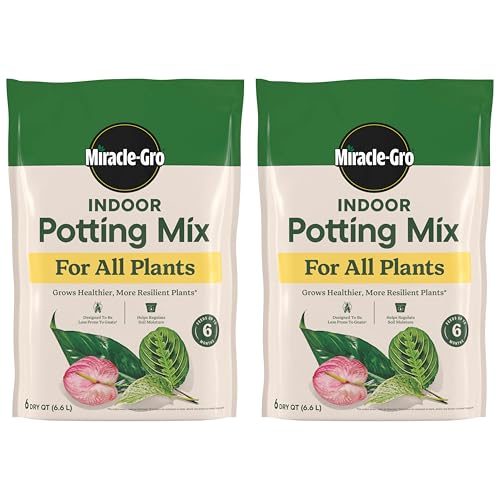
Helpful pick
Miracle-Gro Indoor Potting Mix for All Plants, Use with Houseplants and More, Feeds for up to 6 Months, 6 qt. (2-Pack)
This indoor potting mix supports healthy container lavender when bright light is limited, by using an appropriate indoor-friendly soil.
Watering Lavender in Pots Without Root Rot
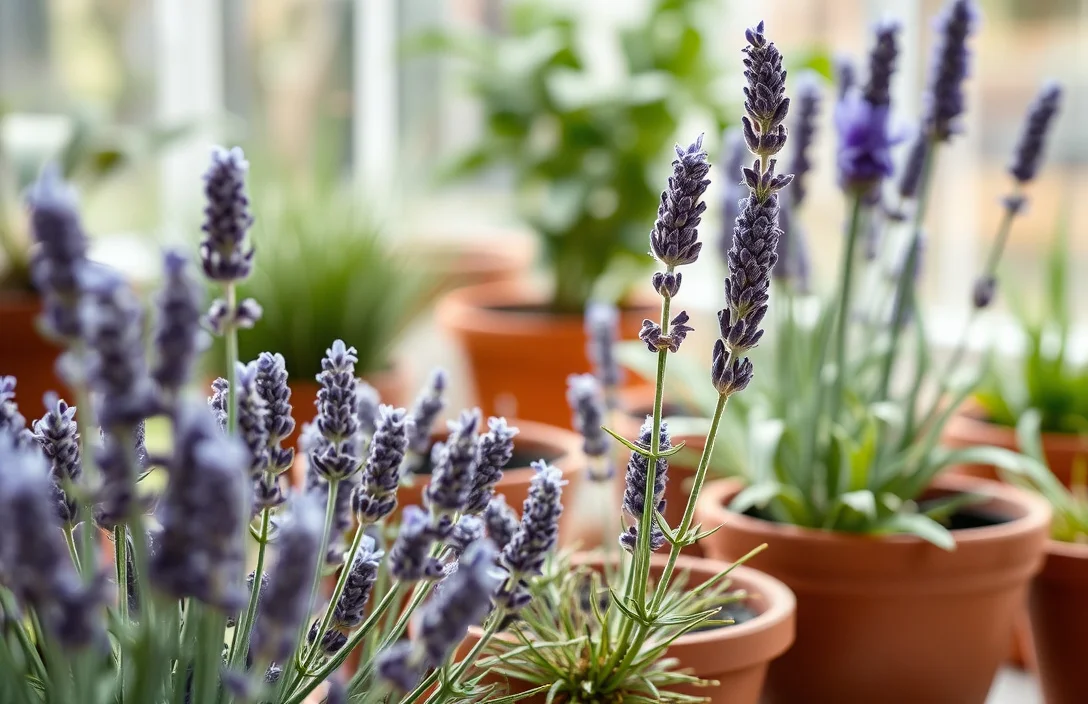
Watering is where indoor lavender either thrives or declines slowly. The safest approach is to water deeply, then wait until the soil dries significantly before watering again.
Use the finger test. Push a finger into the mix; when the top 1 inch feels dry, water. If the top inch is still cool and moist, wait. Indoor conditions vary with home humidity and winter light, so the soil beats a calendar.
When you water, water thoroughly. Pour until water runs out the drainage hole, let it drain completely, then empty saucers. Don’t let the pot sit in runoff. Lavender roots handle drier conditions, and sitting in water encourages rot even when the plant seems okay at first.
Overwatering often shows up as yellowing, limp growth, and a plant that loses vigor despite “care.” Root rot can begin subtly, then the plant can collapse quickly when conditions shift.
Underwatering is usually less catastrophic but still causes problems. If the plant stays bone-dry too long, leaves wilt and stems turn brittle. If that happens, water thoroughly, then return to the dry top-inch rhythm.
If you’re unsure whether your watering is off, err on the dry side and watch what happens. Indoor lavender usually recovers better from slightly dry conditions than from staying wet. Adjust once you see new, healthy growth.
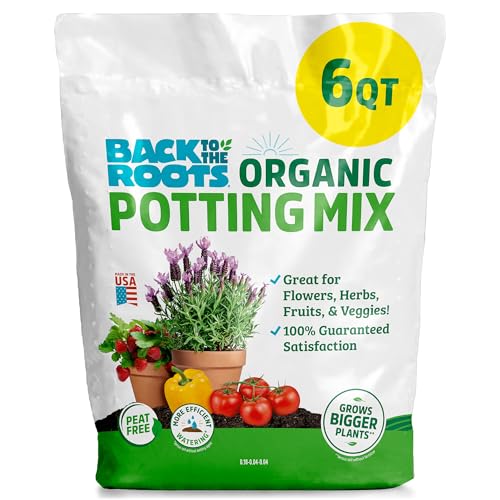
Helpful pick
Back to The Roots 100% Organic Potting Mix (6 Quart) Premium Blend Made in The USA
This 100% organic potting mix improves drainage and soil structure, reducing root rot risk for indoor lavender.
Fertilizing and Pruning Potted Lavender for Blooms
Lavender isn’t a heavy feeder. Too much fertilizer can trigger lush growth with fewer blooms, plus weaker stems that struggle indoors. Keep nutrition modest and timed to growth.
Use a light touch with fertilizer. A balanced, water-soluble option at a reduced dose works well, or use a gentle slow-release product mixed into the soil at planting. Fertilize during active growing months when the plant is producing new stems and leaves.
Pruning affects bloom success too. Lavender blooms on new growth from established plants, and pruning also keeps airflow moving through the canopy. In spring, after the worst cold passes, trim lightly to encourage branching. Avoid cutting into old woody stems where green growth isn’t present, because lavender often struggles to regrow from bare wood.
After flowering, remove spent blooms to tidy the plant and encourage additional growth. Don’t get aggressive mid-season. Indoor lavender often grows slower than outdoor plants, and heavy pruning during low-light months can reduce energy reserves.
If you want indoor blooms, don’t rely on pruning alone. Insufficient light can block flowering no matter how you cut it. With strong light, correct watering, and gentle spring pruning, buds are far more likely.
A simple indoor pruning routine for many container growers: light spring shaping, deadhead after bloom, and minimal intervention during the dim months. Let plant growth guide you, and don’t prune hard when the plant isn’t actively growing.

Helpful pick
Miracle-Gro Potting Mix, For Container Plants, Flowers, Vegetables, Shrubs, Annuals, Perennials, Feeds up to 6 Months, 16 qt.
Provides a balanced, slow-release feed that keeps lavender blooming without overstimulating lush indoor growth.
Indoor Lavender Troubleshooting Yellow Leaves and No Flowers
Yellow leaves and no flowers usually trace back to a small set of indoor problems: light shortage, watering issues, or stress tied to temperature and airflow. Start with the easiest checks, because the fix depends on the cause.
Yellow leaves often mean overwatering or poor drainage, especially when leaves look limp or stems feel soft. If soil stays wet too long, roots lose access to oxygen and the plant declines. Check drainage holes and your potting mix first, then adjust watering to the dry top-inch rule.
Light deficiency is the other major culprit. If the plant reaches toward the window, stretches between leaves, or drops fewer leaves overall while still failing to improve, it’s not getting enough usable brightness for robust flowering. Lavender can also look dull and less aromatic when under-lit for weeks.
No flowers indoors can be normal during some winter periods, but persistent no-bloom after bright light and correct watering usually points to insufficient light intensity or pruning/watering that prevents healthy bud formation. Lavender needs energy to build flowering stems, and weak light stalls that process.
If the plant looks healthy but never buds, raise the light level before changing fertilizer. Many indoor growers add fertilizer to “solve” no flowers, then the plant grows more foliage and stays non-flowering. Fix light and watering rhythm first.
For quick diagnosis, use this sequence:
- If leaves are yellow and the soil is often wet, reduce watering and confirm your mix drains fast.
- If leaves are green but the plant is leggy, add a grow light and rotate the pot.
- If stems seem weak, check airflow and avoid waterlogged soil, then prune lightly in spring.
If you suspect root rot (sour smell from the soil, mushy stems near the base), don’t keep watering “to see what happens.” Unpot the plant, inspect roots, remove any blackened or mushy sections, and replant in a drier, grittier mix. In serious cases, take cuttings from healthy parts to restart.
FAQ
Can I grow lavender indoors year-round in the US?
Yes, but you need the right light and a drier watering routine. In many homes, a south window alone isn’t enough in winter, so a grow light often determines whether lavender stays alive or actually thrives. Keep the soil from staying wet, use a pot with a drainage hole, and expect slower growth during dark months.
What type of pot is best for potted lavender?
Use a pot with a real drainage hole and a material that helps the mix dry. Terracotta is a common choice. Avoid oversized pots that hold too much wet soil around a small root ball. With a decorative cachepot, empty runoff and never let the inner pot sit in water.
How often should I water indoor lavender?
Water only after the top 1 inch of soil dries out. Then water thoroughly until excess drains out, and empty any water collected in the saucer. In winter with lower light, this often means watering much less frequently than you’d expect.
Why does my potted lavender have yellow leaves but soil doesn’t feel wet?
Yellow leaves can come from low light even when the soil seems dry, because the plant can’t photosynthesize enough to maintain foliage. It can also happen from salts if the mix is old or fertilizer has built up. Move the plant to the brightest spot you have or add a grow light, then reassess watering and consider refreshing the soil in spring.
What’s a common mistake when growing lavender indoors?
Overwatering with a typical houseplant schedule is the classic mistake. Lavender soil needs to dry meaningfully between waterings, and dense mixes keep moisture around too long. Under-lighting is the second big error, causing weak growth and fewer or no flowers even when you water “correctly.”

- 10 Best Slow Cooker For Slow Cooking Legumes 2026 (Tested And Reviewed) - October 17, 2026
- 10 Best Slow Cooker For Slow Cooking Oxtail 2026 (Tested And Reviewed) - October 16, 2026
- 10 Best Slow Cooker For Slow Cooking Venison 2026 (Tested And Reviewed) - October 16, 2026