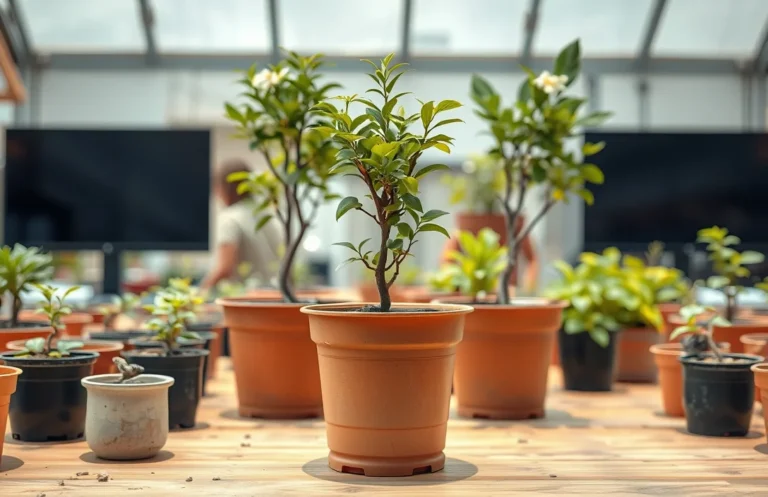
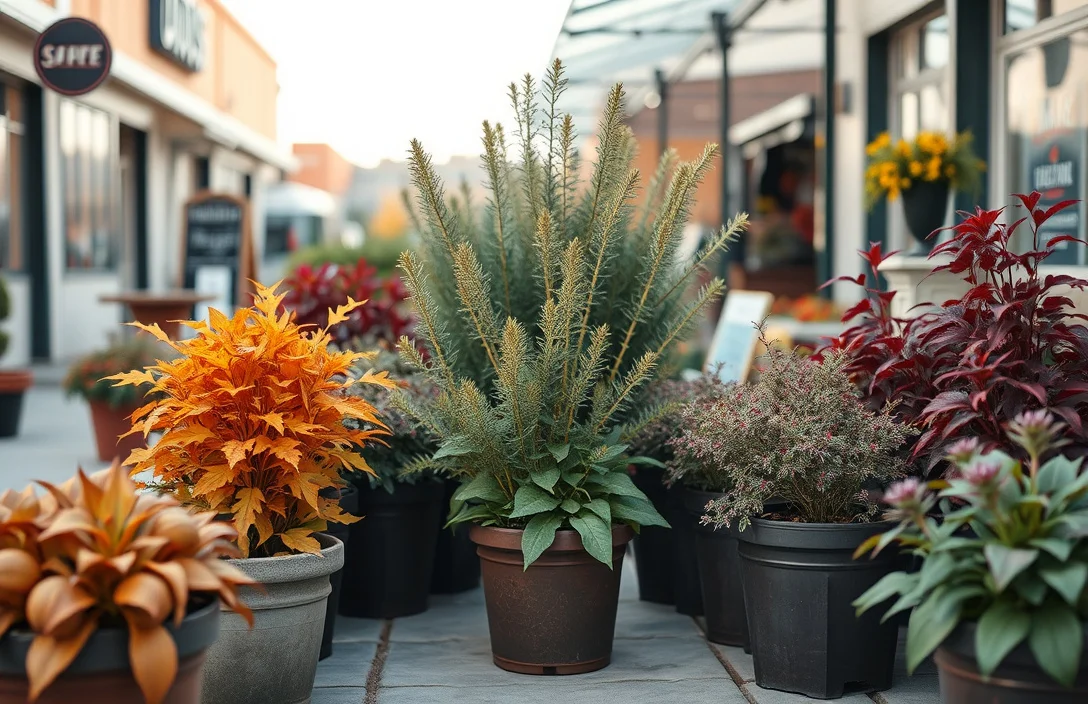
Outdoor Fall Plants For Pots Frost-proof Your Containers
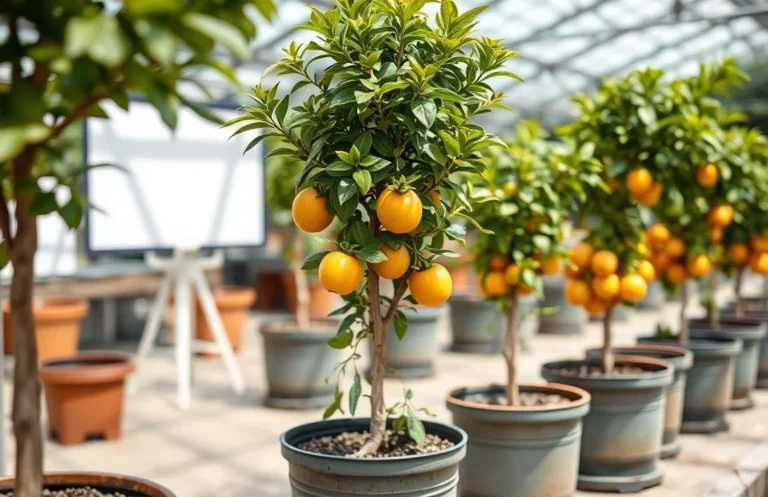
Fall container gardening comes down to two things – choosing plants that handle shorter days and cool nights, and keeping container roots in the right moisture window as weather swings. If you want outdoor fall plants for pots that look good and keep going, pick from a reliable short list and follow a simple care plan for frost, soil, and watering. Use what fits your space and your “first frost” timing, then adjust based on how dry or wet the pots feel.
Outdoor fall plants for pots should match three realities: cooler temperatures, changing daylight, and container root conditions. Daytime growth slows as light drops, and containers get tricky because small soil volumes swing faster between wet and dry. Choose frost-tolerant annuals like pansies or ornamental cabbages, then add fall perennials such as asters, mums, and sedum. Plan around the first frost, use a fast-draining soil mix, and water less once nights stay cool.
Key Takeaways
- Pick by frost tolerance. Choose pansies, ornamental cabbage, and hardy asters if you see early frosts.
- Use fall-ready containers. Ensure drainage holes and use fresh potting mix, not garden soil.
- Pair structure and blooms. Combine hardy perennials, ornamental grasses, and late-color plants for depth.
- Match watering to weather. Water when the top 1 inch is dry, then cut back once nights stay cool.
- Prevent soggy roots. Keep containers out of standing water and avoid heavy, water-retaining mixes.
- Harden off if needed. If you bring plants out after warm days, acclimate over 3-7 days to reduce shock.
Outdoor Fall Plants for Pots That Thrive
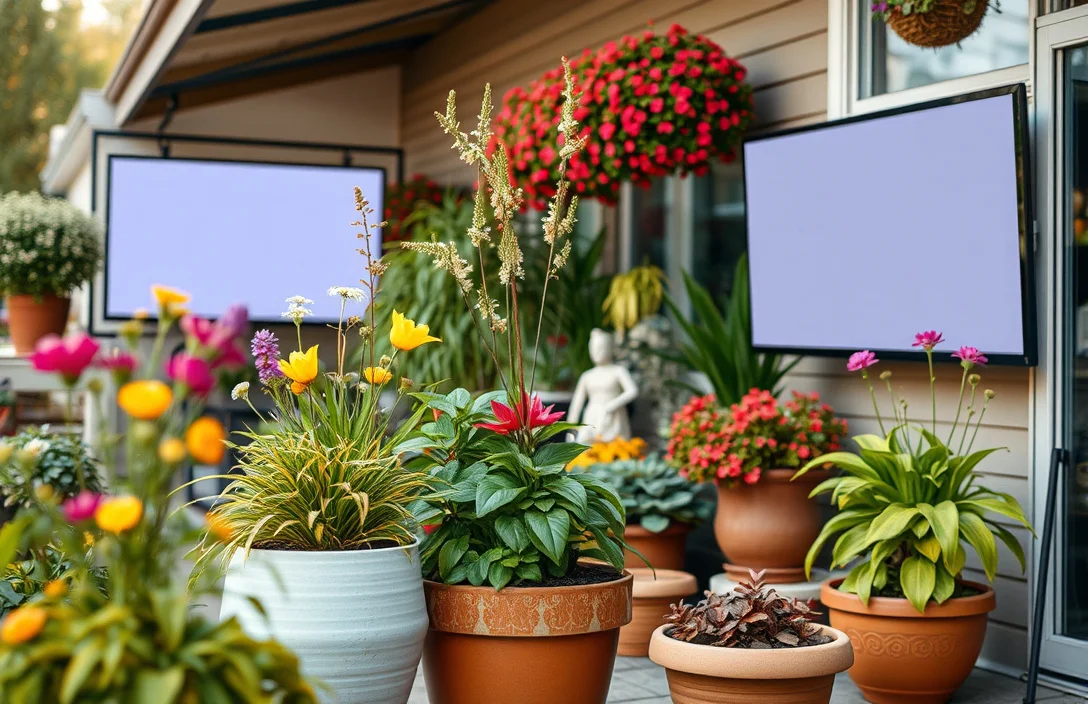
The best fall containers look intentional because the plants keep their shape as temperatures drop. That means mixing cool-season bloomers with dependable foliage and at least one “structure” plant once flowers fade.
Fall pots need to handle daytime temperatures in the 50s and nights that dip toward freezing. Container failures usually come from a simple pattern: people keep watering on a summer schedule, then roots sit too wet in cooler soil.
These categories consistently work in autumn containers:
- Cool-season flowers (bloom when it is cool)
- Ornamental foliage (stays attractive when growth slows)
- Late perennials (reliable fall color and form)
- Ornamental grasses (movement and structure)
- Edible herbs (keep producing with enough light)
A practical container formula is one “filler,” one “thriller” (main show), and one “anchor.” Ornamental cabbage or pansies can bring the color, sedum or a trailing plant softens the edges, and a grass clump keeps the pot from looking flat after flowering slows.
Which Fall Pot Plants Handle First Frost
First frost usually harms leaves, and the best fall container plants tolerate light frost or bounce back quickly. “Hardy” does not mean “no damage,” but it does mean you are far less likely to lose the whole plant overnight.
Plants sold for cool-season color are your safest bet. Pansies, violas, ornamental cabbage, and many dusty-miller style silver foliage types handle cool nights far better than tender summer bedding plants.
When frost hits, you’ll see these common outcomes:
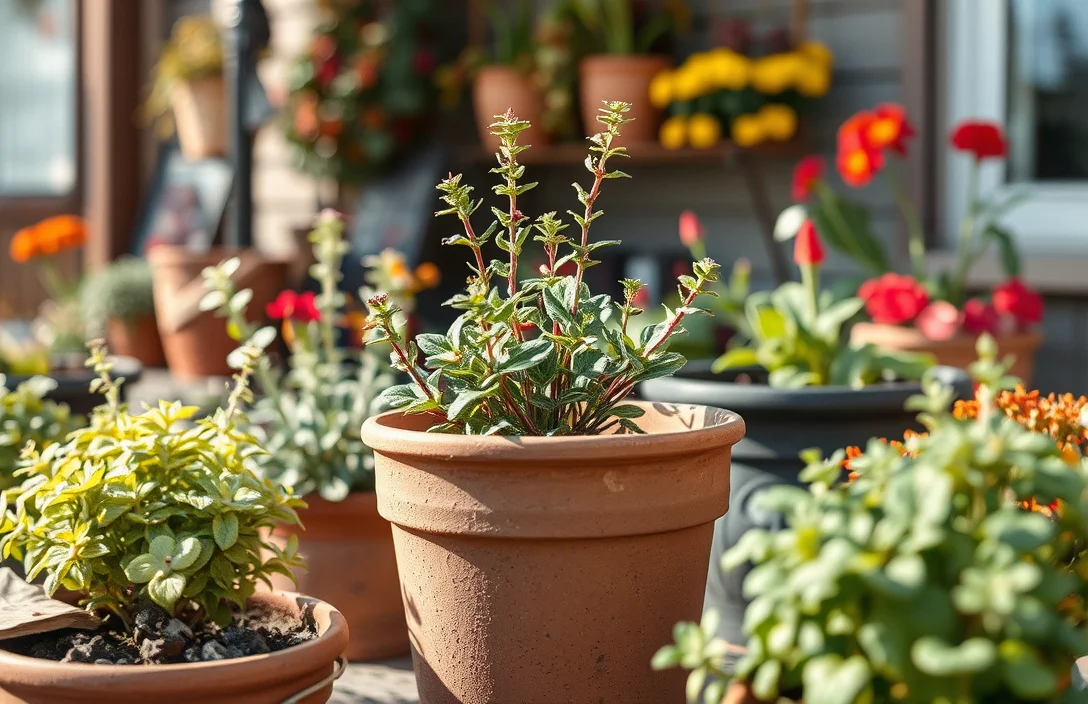
- Light frost (a thin coating of ice) often only shrivels soft leaves.
- Repeated frosts stress plants and slow regrowth.
- Hard freezes can kill less-hardy varieties.
Build frost protection in two layers. Put the most reliable frost-tolerant plants in the center and in the most sheltered microclimates – against a house wall or under an overhang. Place slightly less tolerant plants around the edges so you can cover them quickly.
A simple, effective cover is breathable fabric overnight during predicted frost. Skip sealed plastic, because sunny mornings can spike temps under plastic and create condensation – a second problem on top of the cold. If forecasts call for a hard freeze, move containers to a sheltered spot when you can.
Best Perennials and Ornamental Grasses for Pots
Perennials and ornamental grasses anchor fall containers because they keep structure after the first flush of flowers. In fall, you want “staying power,” and perennials do it better than trying to rely on one-and-done annual blooms.
The best pot performers usually share at least one of these traits:
- They stay compact in containers
- They have thick roots that tolerate cool, slightly drier conditions
- They keep texture and height even after flowers fade
Ornamental grasses are especially valuable because they add movement and vertical shape when low-growing flowers start looking ragged. Sedges and small clumping grasses also handle misty, cool weather without collapsing.
Good fall container choices include:
- Asters for late blooms and a classic fall garden look
- Mums (chrysanthemums) for concentrated color, especially in cool weather
- Sedum (including stonecrop types) for tough texture and late-season interest
- Ornamental grasses for structure, swaying movement, and winter-to-spring continuity
If you want containers that last multiple seasons, avoid ultra-delicate grass types that need summer heat to look good. Choose clumping ornamental grasses that form a visible base clump. In pots, clumping plants also recover more easily if you miss a watering.
Match pot size to root needs, too. A larger pot holds moisture more evenly, which matters in fall when watering swings stress roots. Don’t cram multiple big clumps into a tiny pot and then expect consistent results.

Helpful pick
Miracle-Gro Potting Mix, For Container Plants, Flowers, Vegetables, Shrubs, Annuals, Perennials, Feeds up to 6 Months, 16 qt.
Provides sustained nutrition for perennials and grasses in fall containers, keeping plants thriving through cooler seasons.
Top Edible Herbs to Keep Growing in Fall
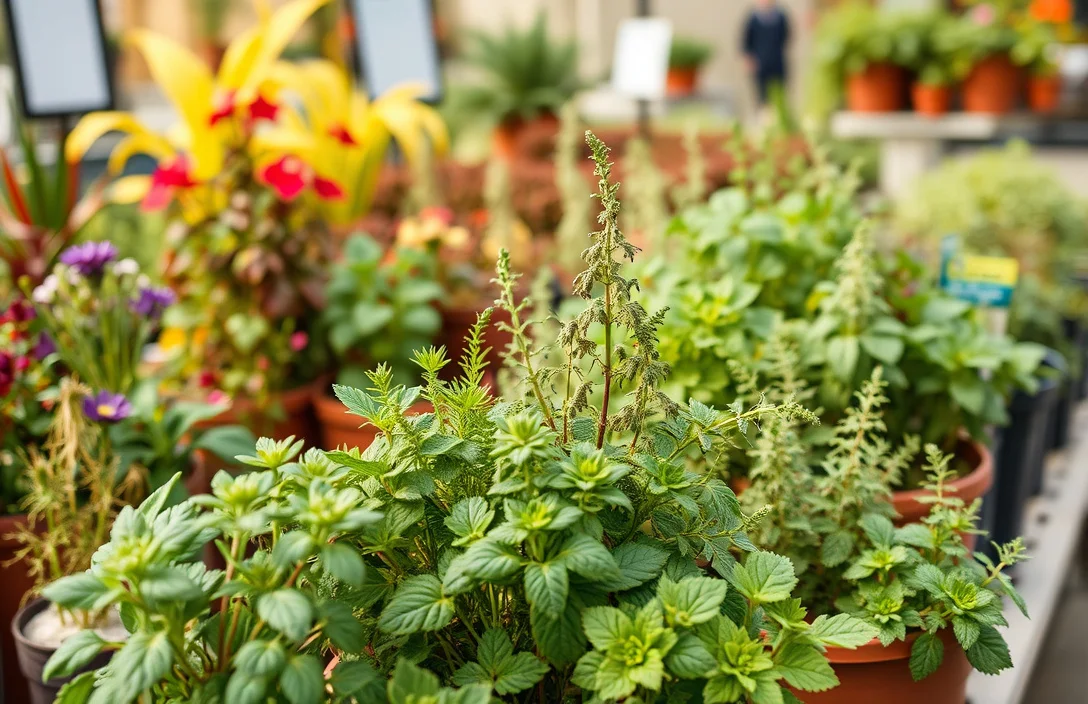
Edible herbs keep working in fall when you give them enough light and avoid drowning them. The most common mistake is assuming cooler weather means less water, then watering inconsistently and keeping soil wet for too long. Many herbs actually prefer slightly drier roots than people expect, especially as days shorten.
Herb winners depend on your location and your fall sunlight, but these are common choices for containers:
- Parsley (handles cool weather and keeps producing)
- Chives (reliably returns and stays neat in pots)
- Cilantro (best in cooler stretches; it can bolt as it warms)
- Thyme (slow-growing but tough, especially in well-drained soil)
- Sage (steady in fall and often stays flavorful)
Harvest thoughtfully if you want a “keep going” container. Take small amounts regularly instead of cutting huge bundles at once. That reduces shock and keeps plants generating new growth while temperatures are still favorable.
Light matters more than most people think. If your herbs sit on a shaded patio, move containers toward a bright wall or under strong eaves where they still get meaningful sun for part of the day. Temperature swings also affect herbs, so avoid cold wind drafts when possible.
If growth slows, don’t overcorrect with extra watering or fertilizer. Let the plant tell you what it needs. In many fall containers, the goal is steady enough harvesting, not maximum summer production.

Helpful pick
Miracle-Gro Moisture Control Potting Mix – Plant Soil For Container Plants, Protects against Over- and Under-Watering, 8 qt. (2-Pack)
Moisture-control potting mix helps prevent over- and under-watering, supporting fall herbs in pots.
How to Match Soil Mix to Fall Pot Plants
Soil mix makes or breaks fall containers because pots behave differently than beds. Small volumes of soil swing between wet and dry faster, and cooler temperatures slow evaporation.
Use potting mix that drains well but still holds enough moisture for roots. Skip heavy garden soil – it compacts and holds water around roots as temperatures drop. In fall, soggy soil can be more damaging than slightly dry soil, especially for perennials and grasses.
A good approach is to start with a quality potting mix designed for containers, then adjust based on what you are growing. Moisture preferences stay pretty consistent in cool weather: flowering plants often tolerate slightly moist soil, while succulents like sedum and many grasses prefer a drier rhythm between waterings.
Match the soil like this:
- For moisture-tolerant bloomers (like pansies and mums): keep the mix airy, but don’t make it bone-dry fast.
- For drought-tolerant plants (like sedum and many ornamental grasses): prioritize fast drainage and avoid water-retentive blends.
- For herbs: choose a mix that drains quickly but does not fully dry out every day.
If you mix your own, aim for something light, not dense. When you water, it should flow through instead of sitting. A finger-depth check (push a finger about 1 inch into the soil) should show a clear, predictable dry-down time.
Quick drainage test: if water pools on the surface after watering, the mix is too dense or the pot has a drainage problem. Fix drainage before temperatures drop, because fixing it later is much harder.
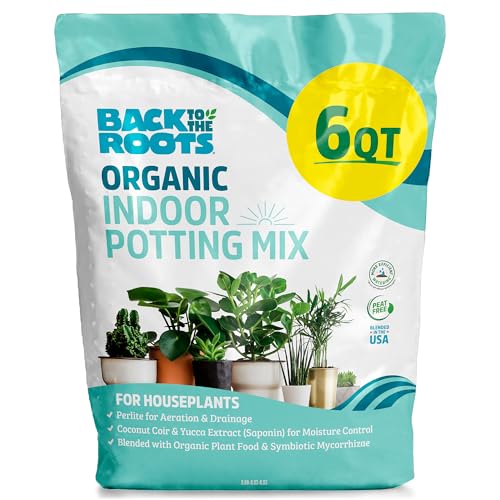
Helpful pick
Back to the Roots 100% Organic Indoor Potting Mix (6 Quart), Promotes Healthy Houseplant Growth, Made in The USA
Provides a well-draining, moisture-retentive base ideal for fall container plantings in pots.
Light and Water Schedules for Autumn Containers
Fall light is weaker and days are shorter, so plants use less water. That’s why “summer watering” habits cause trouble in September and October. Move from schedule-based watering to check-and-adjust.
Watering method that works: water thoroughly until it runs out the bottom, then wait until the top part of the mix dries. If the top 1 inch is dry, it is usually time to water again. If it still feels damp, wait – cooler air and slower soil evaporation make drying take longer.
Use this schedule guide based on conditions, not dates:
- Bright, mild fall days: check every 2-3 days.
- Cloudier weeks: check about every 3-5 days.
- Cool nights and damp weather: check less often, sometimes weekly.
- After a frost: plants may need less water for a few days, depending on sun and wind.
Water in the morning when possible so leaves dry and roots can drink before colder hours. Avoid late evening watering if cold nights are likely, since damp soil plus cold conditions increases root stress.
Treat pots differently even if they are side by side. One in full sun dries faster than one shaded by a wall. Wind also changes evaporation, even when temperatures look similar.
If you want an “autumn autopilot,” use the pattern that matches containers: water less often than summer, water thoroughly when you do, and let soil dryness guide you. Once you start checking, plants typically look healthier within a couple weeks.
At-a-glance water match
| Plant group | Soil feel to aim for | Water frequency in fall | Main mistake to avoid |
|---|---|---|---|
| Pansies, mums | Slightly moist, drains fast | Every 2-5 days | Keeping soil wet between checks |
| Ornamental cabbage | Even moisture, not soggy | Every 2-4 days | Letting water sit in the pot |
| Asters | Moist-leaning, allow top drying | Every 3-5 days | Overwatering during cold spells |
| Sedum, drought-tolerant grasses | Mostly dry between watering | Every 4-7+ days | Heavy, slow-draining mix |
| Herbs | Even moisture, then dry slightly | Every 3-6 days | “Daily sips” that stay wet |
How to Prevent Root Rot as Temperatures Drop
Root rot is a drainage problem plus a temperature problem. Cooler soil slows root activity, so plants need less water, and the “too wet” window lasts longer. When a pot stays saturated, roots can’t breathe and disease has an easier time moving in.
Stop standing water and stop constant wetness. Use containers with real drainage holes, use a well-draining mix, and never let a drip tray hold water for long.
Do these habits consistently:
- Use drainage holes. If water can’t exit freely, fix the pot instead of waiting.
- Avoid oversized saucers. Empty trays soon after watering.
- Water deeply, then wait. Frequent shallow watering keeps lower roots wet.
- Don’t fertilize blindly. Extra growth can increase water demand as light drops.
- Relocate to shelter. Rain can oversaturate containers, especially during overcast weeks.
If your pots sit under heavy gutters or get frequent autumn rain, move them under cover during storms. Saturated soil in cool weather can damage plants before you notice wilting.
Watch for early warning signs: yellowing leaves, a musty smell from the soil, and a plant that droops even though soil still feels slightly moist. If you suspect root issues, check the soil and the bottom of the pot. Early detection gives you the best chance to recover.
When a plant struggles and the soil stays wet for days, unpot to inspect roots. Healthy roots are usually light-colored and firm; rotting roots look darker and mushy. Remove damaged roots, refresh the mix, and repot using fresh, drainage-friendly soil.
FAQ
What are the easiest outdoor fall plants for pots in the US?
Pansies, ornamental cabbage, mums, asters, sedum, and hardy ornamental grasses are the easiest. They tolerate cool nights better than summer bedding plants and keep looking good as temperatures drop. Use pots with drainage holes and container potting mix so roots don’t stay saturated in cooler weather.
How do I know which fall plants can handle early frost?
Choose plants sold as cool-season or frost-tolerant (pansies, ornamental cabbage, many mums, and asters). Protect more fragile plants when frost is forecast using a breathable fabric cover overnight. If you get repeated freezes, expect slower regrowth even from hardy types.
Do I need to water outdoor fall containers every day?
No. Most fall containers need less frequent watering than summer. Check the top 1 inch of the mix and water only when it feels dry. In cool, cloudy conditions, it can drop to every few days or sometimes weekly depending on sun and wind.
How can I prevent root rot when nights get cold?
Use well-draining potting mix, keep drainage holes clear, and empty saucers after watering. Water deeply, then wait for the top inch to dry before watering again. If rainfall keeps pots saturated for days, move containers under cover during storms.
What’s a common mistake with fall herb pots?
Overwatering and low light. Herbs slow down in fall, so daily watering keeps roots too wet. If your patio is shaded, move pots closer to brighter areas to maintain growth, then water based on soil dryness instead of a set calendar.

- 10 Best Slow Cooker For Slow Cooking Legumes 2026 (Tested And Reviewed) - October 17, 2026
- 10 Best Slow Cooker For Slow Cooking Oxtail 2026 (Tested And Reviewed) - October 16, 2026
- 10 Best Slow Cooker For Slow Cooking Venison 2026 (Tested And Reviewed) - October 16, 2026