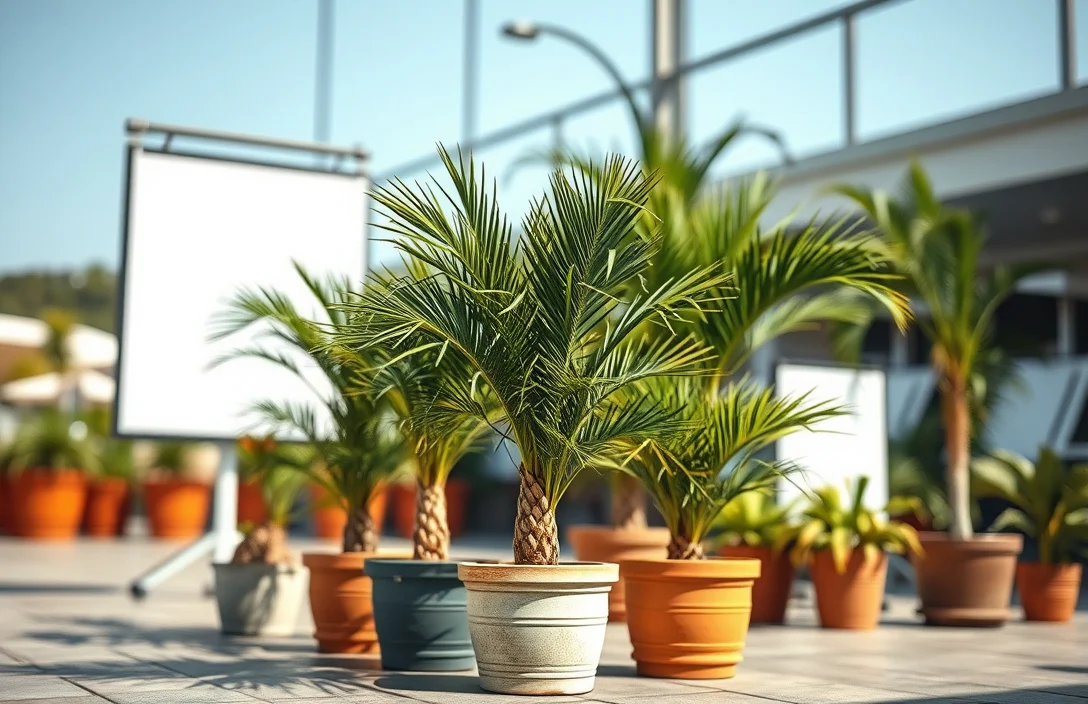
Small Palm Trees For Pots: Options And Tips
Small palm trees for pots are one of the easiest ways to get that tropical look on a patio, balcony, or by an entryway without committing to in-ground planting. “Small” palms still have real needs for light, pot size, and watering – especially in U.S. climates with winter cold. Use this guide to pick the right palm, avoid common mistakes, and set up a container that actually helps it thrive.
Small palm trees for pots usually do best when you match the species to your winters and give it bright light, fast-draining soil, and a pot sized for the root ball. Keep the mix evenly moist but never soggy, and plan on repotting every 2-3 years as roots fill the container.
Key Takeaways
- Pick for your winter. USDA-zone hardiness matters more than the pot or the potting soil.
- Choose bright light. Most potted palms do best with direct or near-direct sun for part of the day.
- Use a draining mix. Always use a container with drainage holes and a fast-draining palm mix.
- Water by feel. Water when the top 1-2 inches are dry, then drain fully.
- Don’t upsize too fast. Increase pot size gradually to avoid persistent wet soil.
- Feed lightly in season. Use a palm fertilizer during active growth, then ease off in winter.
What to Know About Small Palm Trees for Pots
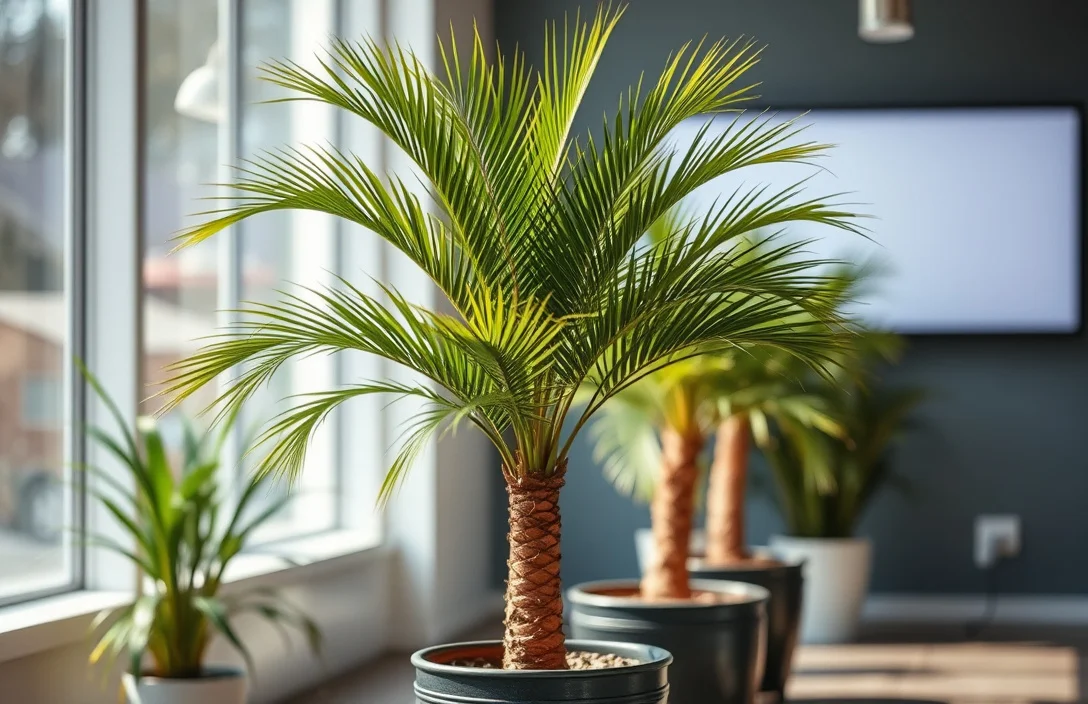
“Small palm” usually means one of two things: a palm species that stays compact, or a larger palm you can keep manageable in a container by using the right pot and repotting schedule. Species choice does most of the work here. If the palm isn’t hardy for your winter conditions, it may look great in summer and then stall, struggle, or die once temperatures drop.
Container culture also changes watering and nutrients. Pots warm up and dry out faster than ground soil, and they cool down faster in winter. That swing is manageable – but it’s a common reason potted palms fade, yellow, or develop brown tips.
Palm roots are also picky about oxygen. When water sits in the pot for too long, roots get stressed even if you’re watering “on schedule.” Drainage and soil texture matter as much as the watering rhythm. With those right, most small palms respond well.
Things that matter most
Start with hardiness and placement, then dial in the container details. If you put an indoor-friendly palm outdoors (or the reverse) without adjusting for light and temperature swings, stress shows up quickly.
A solid potted setup has three non-negotiables: drainage, bright light, and a watering pattern that avoids both drought and soggy soil. Brown tips don’t point to one single cause. Palms can show dry-tip symptoms from underwatering, low humidity, inconsistent watering, or mineral issues from hard tap water.
Focus on these decision points:
- Your location’s winter lows. Choose a palm that tolerates your cold, or plan to move it indoors.
- Your light hours. Confirm you have enough sun before buying, not after.
- Drainage and pot style. Use a pot with drainage holes, and prioritize airflow around the root zone.
- Pot size strategy. Use “just big enough,” and repot when roots fill the container.
- Soil texture. Aim for a mix that drains quickly but still holds enough moisture to keep the root ball from drying out completely.
- Fertilizing schedule. Feed in active growth, not year-round.
Tips for Small Palm Trees for Pots
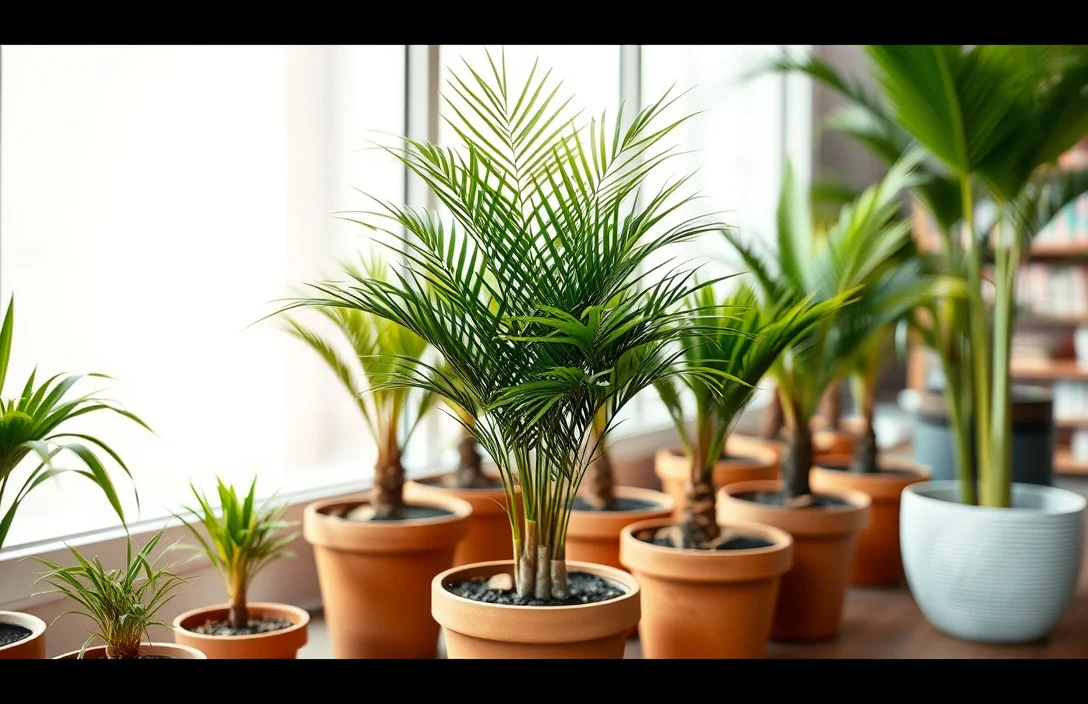
The quickest path to a healthy potted palm is treating it like a system. Light, water, soil, and temperature all interact, so change one thing at a time – you’ll spot what actually helped.
When you bring a palm home, the biggest risk is “fixing” it with more water. Overwatering in a new pot is a common trigger for slow decline because the root zone stays wet longer than it did in the nursery container. For the first few weeks, check soil moisture often and water based on dryness, not a fixed calendar.
Do this in practice:
- Place it where it gets the brightest light you can. Start with morning sun if the palm is coming from indoor light.
- Keep drainage working hard. Never let the pot sit in a saucer filled with water.
- Water after a dryness check. Stick a finger 1-2 inches into the soil. Water when that layer is dry.
- Use a fast-draining mix. If your soil stays wet for days, adjust the mix instead of waiting longer.
- Repot gradually. When roots circle heavily or growth slows, move up one pot size – not several.
- Fertilize during growth. Use a palm fertilizer in spring through summer, then back off when growth slows.
If you grow outdoors in summer and indoors in winter, acclimate in steps. Palms can sunburn after a sudden jump to intense direct sun, and they can stall after a sudden drop to low indoor light. Give it a week or two of gradual adjustment, especially if it came from a shaded nursery spot.
Benefits of Small Palm Trees for Pots
Small palm trees in containers solve a practical problem. Many people can’t – or don’t want to – plant tropical-looking trees in-ground. A pot lets you control the root environment, move the plant when seasons change, and keep the palm at a size that fits your space.
You also get visual flexibility. Move pots around your patio, place a palm near a doorway for “arrival” impact, or match the plant to where you’re hosting – without redesigning the whole yard. Seasonal control is one of the main reasons containers work so well.
If you want easier problem-solving, potted palms make that simpler. When something goes wrong, symptoms show up quickly and you can often correct the cause faster than you could by digging up an in-ground planting. Too-dark placement, overwatering, and poor drainage are all easier to spot and fix in a container.

Helpful pick
Der Rose 44″ Artificial Palm Tree for Outdoors, Fake Palm Tree Potted Faux Tropical Plant for Indoor Outdoor Patio Porch Decor
Compact 44-inch palm in a pot provides a practical, portable tropical touch for small spaces.
Options for Small Palm Trees for Pots
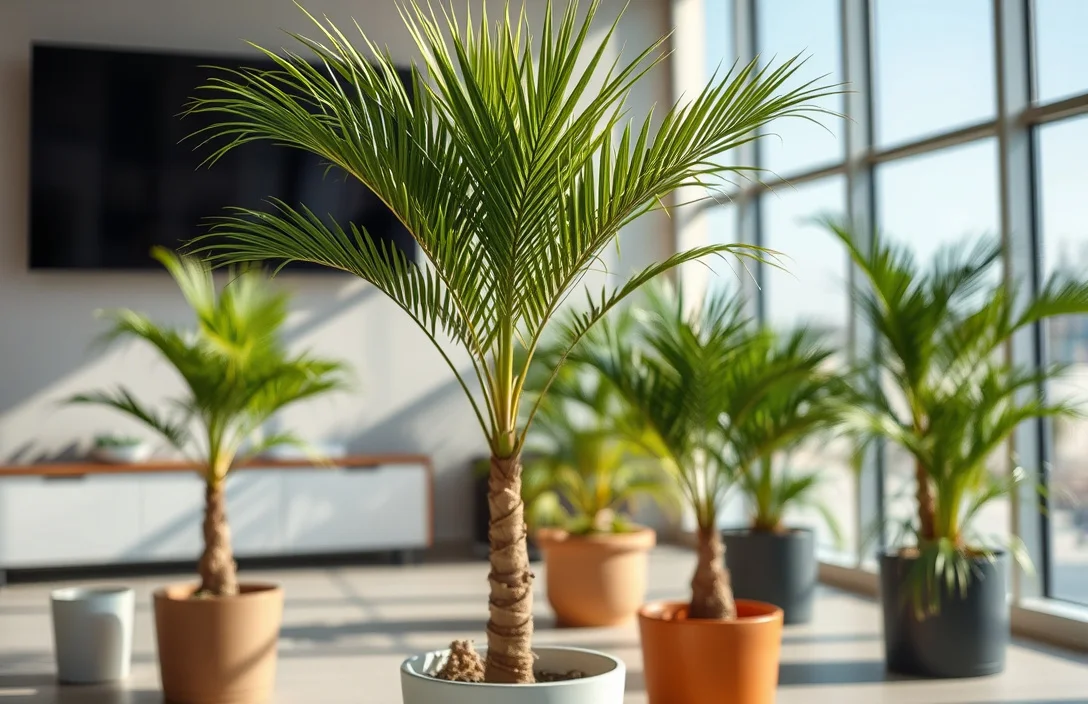
Small palms for pots usually fall into a few categories: true compact palms, palms that tolerate containers well when young, and palms commonly used as patio plants in warmer U.S. regions.
Because winter temperatures and light vary so much, the best choice depends on your conditions. If you share your approximate USDA zone (or your typical winter low and whether you can bring the pot indoors), you can narrow down to the most reliable options.
Here’s a practical comparison of palm types people commonly grow in containers, with the trade-off to watch:
| Palm type (common name) | Key spec/behavior in pots | Best for | Main trade-off |
|---|---|---|---|
| Parlor palm (Neanthe bella) | Usually stays compact indoors | Low-to-medium indoor light setups | Slow growth, needs consistent moisture and good indoor humidity |
| Pygmy date palm (Phoenix roebelenii) | Often sold as patio/potted palm | Bright indoor spots and warm patios | Sensitive to cold, can brown tips if watering is inconsistent |
| Lady palm (Rhapis excelsa) | Clumps, stays manageable | Indirect-bright indoor light | Less tolerant of full sun and drought swings than many outdoor palms |
| Windmill palm (livistona chinensis type) | Feels “small” when young | Warm patios, bright light | Slow cold tolerance varies, and leaf cleanup can be needed over time |
| Sago palm (actually cycad) | Looks palm-like, very slow | Cautious container growers | Not a true palm, can be toxic if ingested, drought-tolerant once established |
Note: nursery labeling can vary, and cold tolerance depends on cultivar and your microclimate. In the U.S., verify the exact species and hardiness guidance on the plant tag before you commit.

Helpful pick
FloraFairy 6FT Tall Artificial Palm Trees, Potted Plant (2 Pack) Tropical Areca Palm, UV Resistant Indoor/Outdoor Fake Plant in Black Cement Pot, Realistic Decor for Patio, Living Room, Office
Two-pack potted palms offer ready-to-place options that fit compact pots while showcasing realistic tropical greenery.
Expert Advice on Small Palm Trees for Pots
The most useful “expert” move is planning for your worst season, not your best month. In the U.S., that’s usually winter. A palm that survives outside in July can fail in January if the pot freezes or if the plant stays in low indoor light without enough sun.
Treat browning and yellowing as clues, not a single problem. Potted palms typically struggle from four container issues: insufficient light, irregular watering, root stress from poor drainage, and nutrient imbalance. If you change only one variable, the pattern becomes easier to read.
These are the rules I stick to for potted palms:
- Choose sun you can actually provide. “Bright room” doesn’t replace direct sun. Check window direction and patio hours.
- Avoid constant wetness. If the soil stays wet for long stretches, the palm eventually struggles.
- Don’t ignore drainage holes. If roots can’t breathe, everything else becomes harder.
- Move in the right direction. Indoor-to-outdoor moves need acclimation, and outdoor-to-indoor moves need light planning.
- Feed in season, not in panic. If a palm is stressed from light or water, fertilizer won’t fix the cause.
One more thing people miss: pot size affects watering frequency and nutrient stability. Oversized pots hold moisture longer, which can punish palms that need oxygen in the root zone. Tiny pots can dry out too fast in summer heat. Match the container to the root ball so you get controllable moisture, not constant wetness or constant drought.

Helpful pick
One 5 Foot Artificial Silk Bird of Paradise Palm Tree Potted Plant by Bagari
This compact, pot-ready palm-like tree offers year-round decor that stays vibrant indoors during winter light shortages.
Examples: Small Palm Trees for Pots
Match the palm type to a setup you can actually maintain.
A parlor palm fits well when you have a bright living room or a bedroom with steady indirect light, and you can keep the mix lightly moist without leaving it sitting in water. The common failure pattern is drying it out completely, then flooding it again. The steadier approach is consistent moisture plus drainage – and patience.
A pygmy date palm usually does best when you can provide bright light indoors (often near a sunny window) during indoor months or give it a warm, sheltered patio in summer. If winter cold is a regular risk where you live, the plan should be “pot moves indoors,” not “it’ll probably be fine.”
For a patio container you can manage for light, a lady palm can work when it gets bright shade or filtered sun rather than harsh afternoon blast. Expect slower visible growth than you might see with more sun-loving outdoor palms.
Use this simple “pick based on constraints” shortlist:
- Mostly indoors, low fuss. Parlor palm or lady palm, bright indirect light.
- Bright windows and mild winters. Pygmy date palm, with a winter plan if temps dip.
- Outdoor patio, you’ll protect it from cold. A hardy palm for your zone, plus a move or cover strategy.
FAQ
What small palm trees for pots grow well in the shade?
Most true palms still need more light than people expect, even when they’re marketed as “small.” Deep shade usually means slow growth and more yellowing over time. Look for options marketed for indoor or bright shade, then place the pot where it gets morning sun or filtered light for several hours.
How often should I water small palm trees in pots?
Water when the top 1-2 inches of potting mix are dry. In hot U.S. summers, that might be multiple times per week, and in winter it can drop to every 7-14 days depending on light and temperature. Water thoroughly each time and let excess drain completely.
Are small palm trees for pots safe for pets and kids?
Some “palm-like” plants sold in stores are not true palms, and some are toxic if ingested. The safest approach is to check the exact plant tag name and verify toxicity for that specific species. If you have pets, choose plants labeled non-toxic for that species.
What’s the fastest way to fix brown tips on small potted palms?
Brown tips usually come from inconsistent watering, low light, or salt/mineral buildup. Start by confirming drainage and switching to a “water when the top layer dries” routine. Then move the palm to brighter light and use a fertilizing schedule that matches the season instead of heavy feeding right away.
What common mistake kills small palm trees in pots?
Leaving the pot too wet – especially in a larger container or during winter low-light conditions – is the biggest killer. Roots need oxygen, and soggy soil blocks it. Use drainage holes, avoid saucers with standing water, and adjust watering based on the soil dryness test instead of the calendar.
A good next step is checking your winter low and finding the brightest available light spot. Then buy a palm that matches both. Share your USDA zone (or your typical winter low) and whether the pot can move indoors, and you can narrow it to the safest 2-3 choices for your setup.

- 10 Best Slow Cooker With Leak Resistant Lid 2026 (Tested And Reviewed) - October 24, 2026
- 10 Best Slow Cooker With Spill Proof Design 2026 (Tested And Reviewed) - October 24, 2026
- 10 Best Slow Cooker With Locking System 2026 (Tested And Reviewed) - October 24, 2026