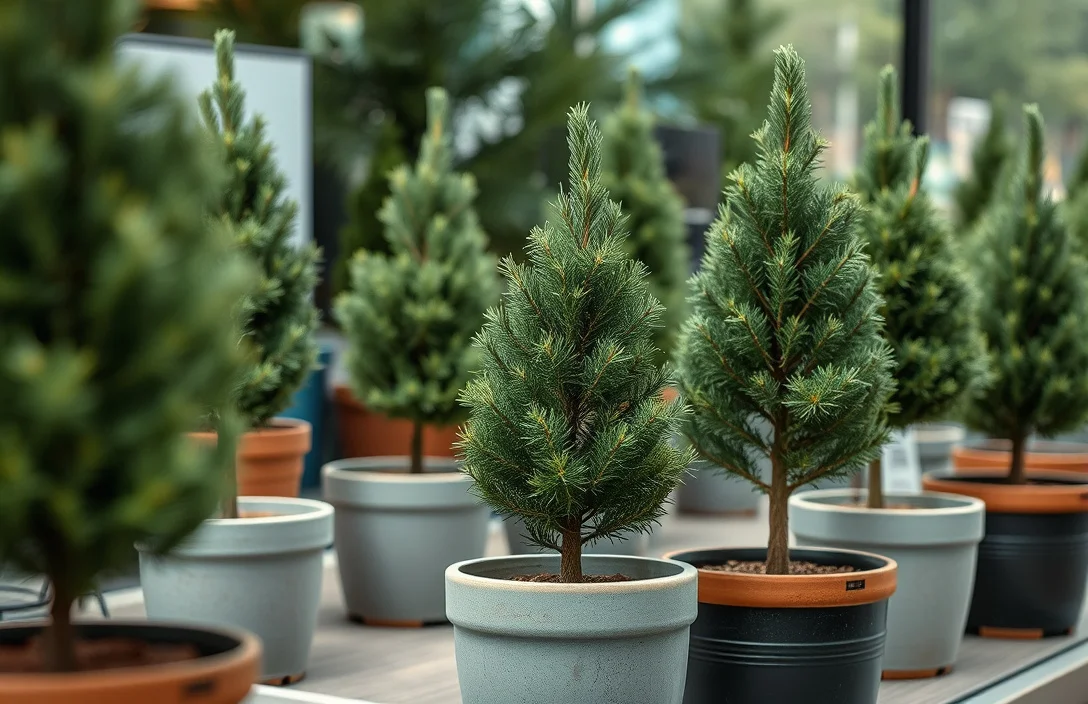
Small Evergreen Trees For Pots: Choose Compact Cultivars
Small evergreen trees work well in pots when you match the species to the container size and your light, then manage watering and winter protection. In practice, plan on a pot at least 12 inches wide for young starters, use a fast-draining potting mix made for containers, and choose a species that tolerates container life, like dwarf conifers or compact hollies.
Key Takeaways
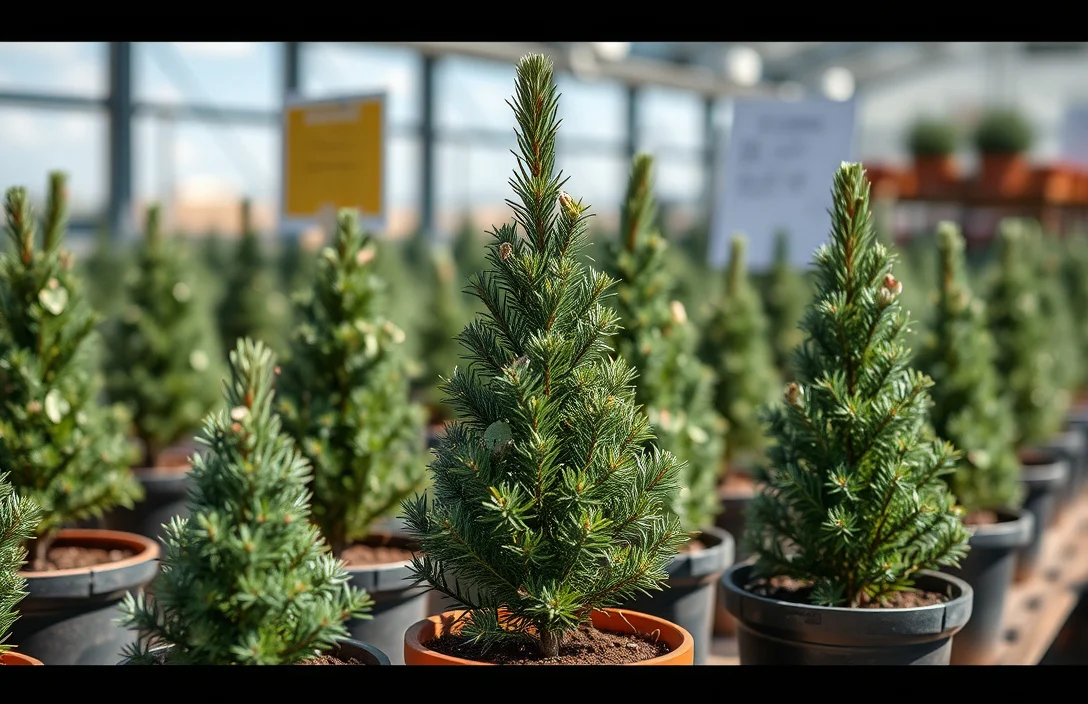
- Choose by mature size. Pick dwarf or compact cultivars so the tree stays small for years, not months.
- Size the pot correctly. Bigger pots dry slower and buffer roots through summer heat and winter freeze cycles.
- Prioritize drainage. Use containers with drain holes and potting mix that holds moisture without staying soggy.
- Use the right light. Most container evergreens want at least 4-6 hours of sun for dense growth.
- Water on a schedule. Check moisture 1-2 inches down weekly, then water until you see runoff.
- Protect roots in winter. Wrap or shelter pots so the root ball doesn’t repeatedly freeze and thaw.
What to Know About small evergreen trees for pots
“Small” can mean three different things in pots: dwarf cultivars bred to stay compact, naturally smaller species, or young trees you plan to prune and manage. If you shop for an “evergreen” without checking mature height and width, the tree can outgrow your container faster than you expect.
Roots drive a lot of container behavior. In a small pot, roots hit the container walls sooner, growth slows, and the tree can become more drought-stressed than the same cultivar planted in the ground. That helps you stay compact, but it also means you have to be consistent with watering and soil.
United States climates make the difference bigger. Potted root systems feel temperature changes more sharply than in-ground roots. In freeze-prone areas, the pot itself becomes part of the stress test because repeated freeze and thaw can heave the root ball or damage fine feeder roots. Winter protection has to be part of the decision, not an afterthought.
Things that matter most
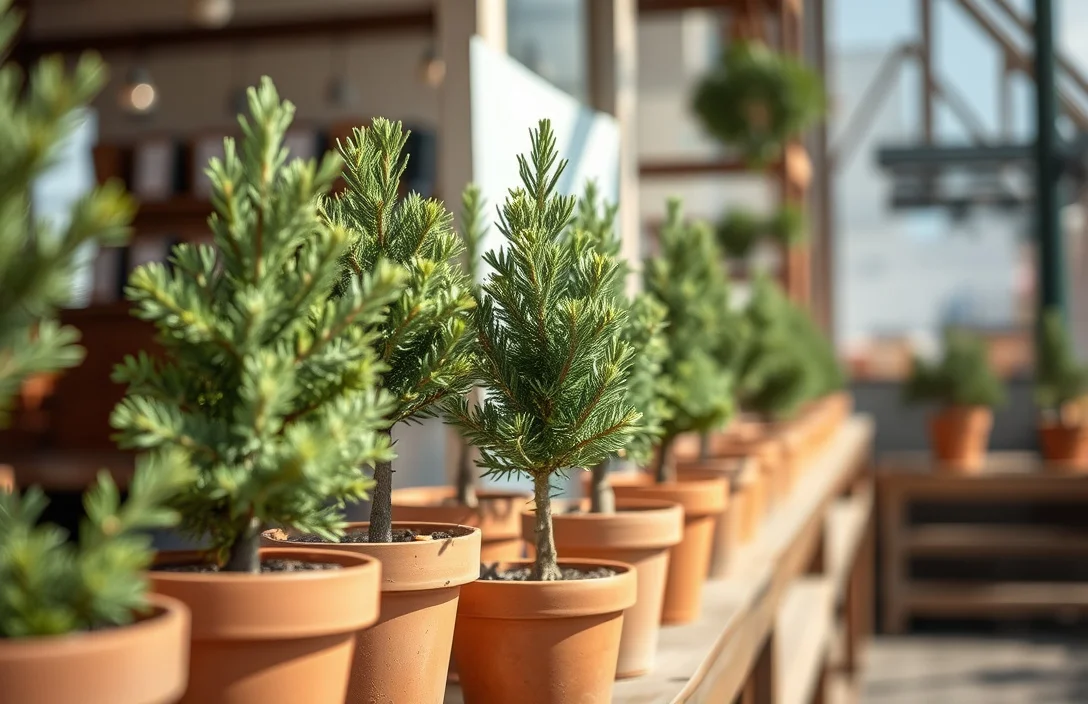
Most problems come from two places: choosing a tree that doesn’t match the patio’s conditions, or under-sizing the container for how fast your pot loses moisture.
Start with light and pot setup, then dial in watering. Look for compact conifers like dwarf spruce, dwarf pine, dwarf fir, or columnar evergreens that naturally stay narrow. For broadleaf options, compact hollies can work, but container success still comes down to drainage and how well the plant handles your winter and summer swings.
These decision points consistently matter:
- Mature size. Choose a cultivar with predictable compact height and width so pruning stays minor.
- Hardiness. Match the tree to your USDA zone so the root ball survives outdoors through winter.
- Light. Most conifers do best in full sun to part shade, and more sun usually means denser growth.
- Drainage and mix. Drain holes and a container potting mix prevent root rot and fungus.
- Water needs. Container evergreens require more frequent attention than those in the ground.
Think of your pot as a “root weather machine.” It dries faster than garden soil and freezes faster than the ground, so pick a tree that can tolerate that reality.
Tips for small evergreen trees for pots
A good container setup keeps the tree alive and looking intentional. Do the basics well: correct pot, correct mix, a predictable watering rhythm, and simple seasonal protection.
Choose a pot with drainage holes and use potting mix designed for containers, not garden soil. Garden soil compacts in pots and reduces airflow around roots, which leads to slow decline and root disease.
Planting depth matters. Don’t bury the trunk deeper than it sat in the nursery container. Evergreens can be sensitive to overly deep planting, especially if conditions stay consistently wet. If the tree is in a plastic grow pot and roots are tightly circling, gently tease them apart if needed, but avoid aggressive cutting unless you have no choice.
Watering is where results are made. In summer, check moisture 1-2 inches down and water thoroughly until you see runoff from the bottom. In winter, water less but don’t ignore drying, because cold weather plus winter sun can still pull moisture out of containers.
Pruning should stay minimal. Dwarf conifers usually need light shaping rather than hard cuts, while compact hollies can sometimes tolerate more pruning. Still, avoid stripping too much foliage at once.
Winter strategy is the final piece. For most potted evergreens, insulating the pot and preventing repeated freeze-thaw cycles is safer than relying on “willpower” and hope. Wrap the container with bubble wrap or burlap as an outer layer, and keep it near a windbreak.

Helpful pick
Dwarf Italian Cypress Tree – Live Mediterranean Evergreen for Landscaping, Low Maintenance, Air Purifying Outdoor Plant, Perfect for Garden Hedges and Privacy Screens (1gal Pot, 1-2ft)
A compact, container-friendly evergreen that thrives in pots with proper soil, drainage, and seasonal protection.
Benefits of small evergreen trees for pots
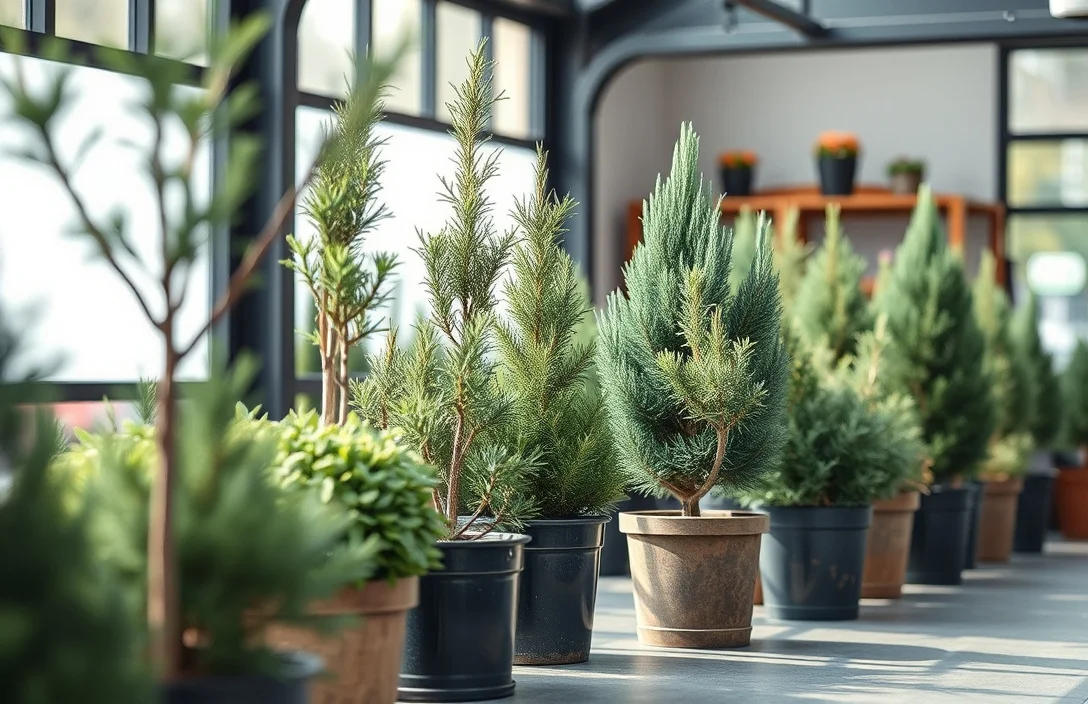
Small evergreen trees deliver year-round structure. A compact evergreen on a porch, entry landing, or patio corner looks designed even when deciduous plants go bare.
Containers also make placement easy. You can set the tree where you want height, adjust for how sunlight moves during the day, and swap positions if your landscaping changes. That flexibility helps a lot in the US, where balconies, townhomes, and entry courtyards are common.
Pests and soil management can be easier too. You control the soil mix and can keep the root zone from staying too wet compared with heavy native clay in some yards. The trade-off is that container trees still require careful watering, because you don’t get the natural buffering of in-ground soil.
Dwarf cultivars add one more advantage: a miniature landscape-tree look without committing to a full bed. It’s one of the few outdoor plant choices that can be both visually strong and realistically manageable in smaller spaces.

Helpful pick
Golden Fernleaf Hinoki False Cypress – Live Plant – (2.5 QT)
Compact Hinoki false cypress adds year-round structure in pots, staying green through seasons on a porch or balcony.
Options for small evergreen trees for pots
You have more choices than “dwarf conifer or nothing,” but you still need to narrow by light and winter survival. The most reliable container evergreens are compact cultivars with predictable growth, solid hardiness, and root systems that tolerate life in a pot.
Start by choosing the conifer category first, then decide whether you want a rounded bush shape or a more vertical accent. Conifers tend to be better beginner container trees because they usually tolerate pruning without drama and don’t demand the same soil richness as some flowering shrubs.
| Tree option | Key spec/trait | Best for |
|---|---|---|
| Dwarf spruce (Picea, compact types) | Often slow-growing, dense form | Cool-season patios and tighter corners |
| Dwarf pine (Pinus, compact cultivars) | Stays narrower, likes sun | Bright entrances needing structure |
| Dwarf fir (Abies, compact types) | Soft needles, compact growth | Shaded patios that still get sun |
| Columnar dwarf conifer | Narrow, tall silhouette | Small spaces where width is limited |
| Compact holly (Ilex, dwarf types) | Evergreen broadleaf, sometimes berry types | Wider pots where you want a “holly look” |
If you’re choosing between conifers and broadleaf evergreens, conifers are the easier starting point for most beginners. When drainage and watering are right, they often handle container conditions more forgivingly, and many respond well to routine light shaping.

Helpful pick
Brighter Blooms – Dwarf Alberta Spruce, 1-2 ft. – No Shipping to AK, AZ, HI
A compact Alberta spruce stays small, hardy, and container-friendly, aligning with the article’s emphasis on reliable container evergreens.
Expert Advice on small evergreen trees for pots
Buy for longevity, not just the “cute” height on day one. Check mature dimensions before you buy. If a plant is expected to reach several feet tall and your pot only gives it room for a foot or two, you’ll end up pruning more often than you planned.
Pick the pot like you’re managing roots, because you are. A larger pot means more stability, less frequent watering, and slower temperature swings. If you only have room for one pot size, choose the biggest one you can still lift and place easily.
Use the right mix and don’t over-fertilize. Container evergreens don’t need heavy feeding like some vigorous garden beds. Too much fertilizer pushes soft, fast growth that can be damaged by cold snaps, especially early in winter.
Water on season and weather, not on the calendar. Containers dry faster in wind and sun, and winter sun can still dry evergreens even when it feels too cold to water. When in doubt, check moisture 1-2 inches down and adjust.
In freeze-heavy areas, winter protection is routine care, not an emergency fix. Insulate the container, protect it from harsh wind, and avoid spots where the pot sits in pooling water. That combination helps the root ball stay stable through freeze-thaw cycles.
Watch the root zone early. Yellowing needles or leaf drop can signal drought stress or poor drainage. Don’t guess. Check how the potting mix holds moisture and whether water actually drains, then fix the underlying issue.
Examples: small evergreen trees for pots
For a front entry on a sunny porch, a dwarf pine or a narrow columnar dwarf conifer is often the simplest choice that stays tidy year-round. Pick a compact cultivar with predictable height so it doesn’t become a constant maintenance project. Use a pot with strong drainage, and place it near a wall or fence line for wind shielding in colder months.
For a patio with bright light but regular wind, choose a dense dwarf spruce or another conifer with a naturally tight growth habit. Wind speeds up evaporation, so size the pot a touch bigger than you think you need and stick to consistent watering during hot weeks. Winter wind is drying too, so insulation helps even when watering is reduced.
For a covered area with partial sun, a compact fir-type conifer or a hardy compact holly can work, as long as the space still gets enough light to keep foliage dense. If the spot is too dim, most evergreens stretch or thin out, and the tree looks sparse instead of intentionally compact.
If you want a simple rule: pick one species that matches your winter conditions, use a container with real drainage, and let your environment do most of the work. If you’re starting out, go with conifers first, then move to hollies or other broadleaf evergreens after you’ve locked in your container watering routine.
FAQ
What size pot do small evergreen trees for pots need?
For many starter-size dwarf conifers and compact hollies, aim for a pot at least 12 inches wide with drainage holes. Smaller pots dry too fast and amplify temperature swings. If your space allows, go larger because more soil volume keeps moisture steadier and reduces winter root freeze-thaw cycles.
How often should I water small evergreen trees in pots?
Check moisture 1-2 inches down and water when that layer feels dry. In summer, it can be once or more per week depending on heat and wind. In winter, watering is usually less frequent. Always water until you see runoff, then let the pot drain fully.
Are small evergreen trees for pots safe to grow in winter?
They can be, but you need winter root protection because pots freeze and thaw faster than ground soil. Insulate the container and keep it out of pooling water. In harsh winters, sheltered placement plus consistent drainage is the safest combination.
What’s the most common mistake with small evergreen trees for pots?
Overwatering due to poor drainage is the most common issue, especially when people reuse garden soil. Soggy soil removes oxygen from roots and can lead to decline. Use a proper container potting mix and confirm water drains freely from the bottom after watering.
What’s a good alternative if container evergreens struggle?
If freezing or watering conditions are too unpredictable, switch to hardy shrubs that match your exact exposure better, or grow an evergreen in an in-ground bed. Another option is placing the pot in a sheltered microclimate, like near a house foundation, where temperature swings are lower.
A solid next step is to measure your available width for the pot and then choose a cultivar whose mature size fits that space. After that, pick a container with drainage, use container potting mix, and commit to a weekly moisture check so your small evergreen stays dense and healthy.

- 10 Best Slow Cooker With Cool Touch Handles 2026 (Tested And Reviewed) - October 22, 2026
- 10 Best Slow Cooker With Quality Construction 2026 (Tested And Reviewed) - October 22, 2026
- 10 Best Slow Cooker With Premium Construction 2026 (Tested And Reviewed) - October 22, 2026