Inner Pot For Tiger Rice Cooker?
Tiger rice cookers use a removable inner pot, and the right one matters because it’s the part that contacts the heater and holds your rice through heat and steam. If your pot is cracked, the coating is worn, or you want more consistent results for brown rice versus white rice, match the inner pot to your exact Tiger model and capacity.
Inner pot for Tiger rice cookers isn’t a universal “rice bucket.” It’s engineered to sit correctly on the heater plate and to match the cooker’s temperature behavior, so small differences can change how evenly rice cooks.
Key Takeaways
- Match your Tiger model. Inner pots are designed around specific heating plates and fit, so the model number is the safest key.
- Verify capacity rating. Buying a 5.5-cup pot when you need 3 cups changes cooking results and water ratios.
- Check inner rim and shape. The latch, handles, and rim geometry affect sealing and sensor contact.
- Inspect coating condition. Scratched nonstick and peeling coatings affect release and can shorten pot life.
- Use correct cookware care. Metal utensils and abrasive cleaners accelerate coating wear and warping.
- Buy from a reliable seller. Third-party pots vary in dimensions, insulation thickness, and build quality.
What to know about inner pot for Tiger rice cookers
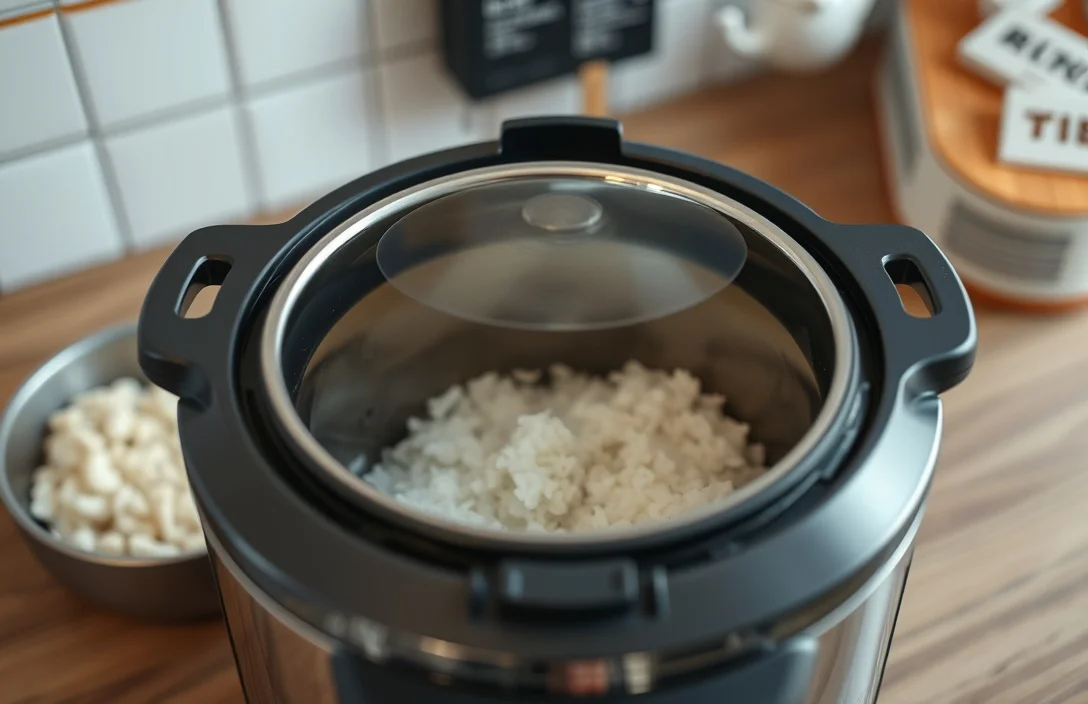
The “inner” pot is the vessel inside the cooker body. It’s where rice sits while the heater transfers heat and steam into the food, so pot thickness, shape, and heat-contact points affect how heat reaches the rice.
Before you buy a replacement, pull two details from your machine: the exact Tiger model number (usually on the bottom or back of the cooker) and the capacity you normally cook (for example, 3 cups versus 5.5 cups). If you’re deciding whether to keep your old pot, look closely at coating wear, warping, and whether the pot sits flat.
Think about what you cook most. Brown rice, mixed grains, and porridge tend to show coating wear and texture differences sooner. If your priority is even heating, you’ll notice problems faster than someone cooking only simple white rice.
Things that matter most
Fit comes first, and “fit” means more than “it seems to slide in.” You want the same outer dimensions where the pot contacts the heater base, plus the same seating behavior around any lid and vent interaction.
Capacity comes next. Tiger cookers usually specify a max capacity (often shown in cups), but water ratios also depend on pot volume and steam space. Replacing a smaller pot with a larger one in the same cooker can leave rice too wet or undercooked because the cycle expects the original geometry.
Coating material matters because it affects release and pot longevity. Nonstick coatings help rice come out clean, but they wear faster with metal utensils and abrasive cleaning. Some people switch to a stainless or harder inner pot style when they want longer service life and don’t mind more sticking.
Build and heat-transfer behavior also matter. Even with the “right” size, differences in thickness or insulation can change heat-up speed and how the cooker behaves during longer cycles and keep-warm phases. That can shift texture even if the cooker still starts and runs normally.
Tips for inner pot for Tiger rice cookers
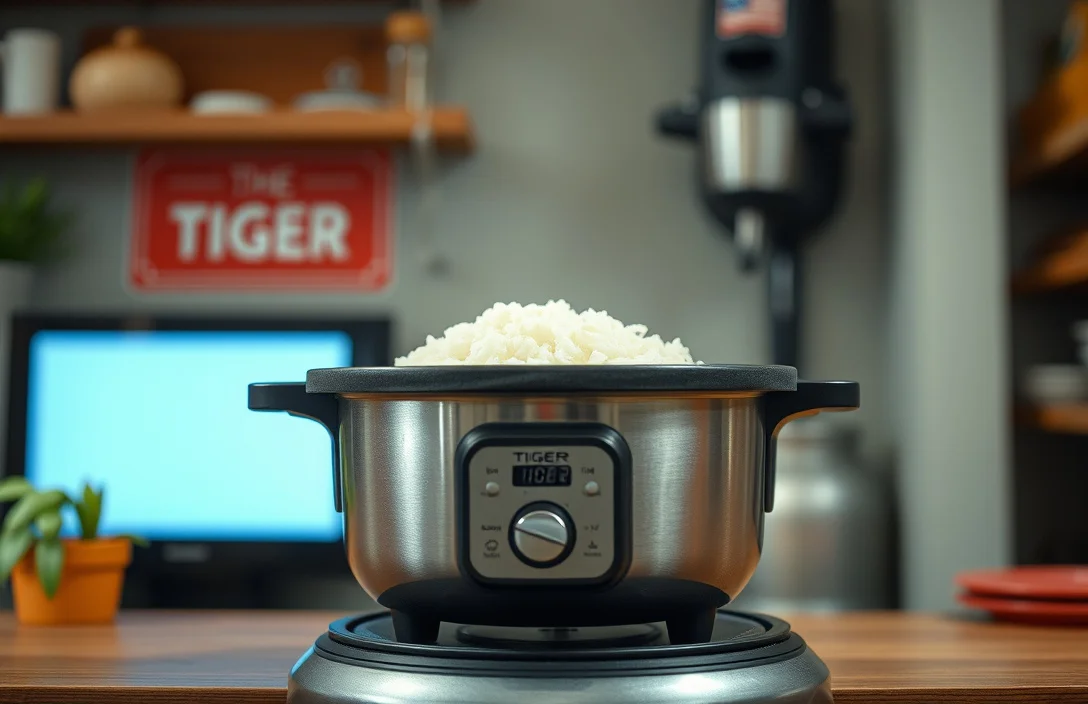
Run a quick diagnostic on your current pot. Consistent undercooking near the bottom, stuck rice in corners, hot spots, or uneven browning usually point to warping or a coating worn down to a rough surface.
Measure what you can. If the exact part isn’t available for your model number, measure rim diameter and the pot’s seating footprint. Use the bottom contact area as your reference, not the widest part of the body, because heater contact is what drives performance.
Confirm capacity before you order. Don’t assume “close enough” based on the nearest cup rating. Tiger’s cooking cycles and your water markings are tied to a specific volume range, and a capacity mismatch changes results.
Be cautious with listings that imply interchangeability. If a title only says it fits “Tiger models,” treat that as a red flag. Look for listings that explicitly name your Tiger model number or at least your exact series and capacity variant.
Handle cookware care like part of the purchase. For nonstick coatings, use silicone, wood, or plastic tools and skip scouring pads. Clean with soft sponges, and avoid long soaks in harsh cleaners that can degrade the coating edges.
Benefits of inner pot for Tiger rice cookers
A correct Tiger inner pot improves consistency. When the pot seats properly on the heater plate and geometry matches, rice cooks more evenly, so your results stay predictable across batches.
Coating condition also makes daily use easier. A pot with intact coating releases rice more cleanly, which reduces scrubbing and helps prevent broken grains when you scoop.
A replacement pot protects your habits. When the coating flakes or turns rough, you end up scraping harder, and that accelerates wear on both the pot and your utensils. A fresh inner pot lets you cook and clean normally instead of “repairing” the surface every cycle.
Material choice can change your trade-offs. A harder-surface pot can handle rougher routines, while a nonstick pot prioritizes easy release for everyday convenience.
Fit impacts reliability too. A pot that doesn’t sit flat can cause uneven heating, which shows up as scorched patches. Correct contact reduces repeated hot spots that shorten pot life.
Options for inner pot for Tiger rice cookers
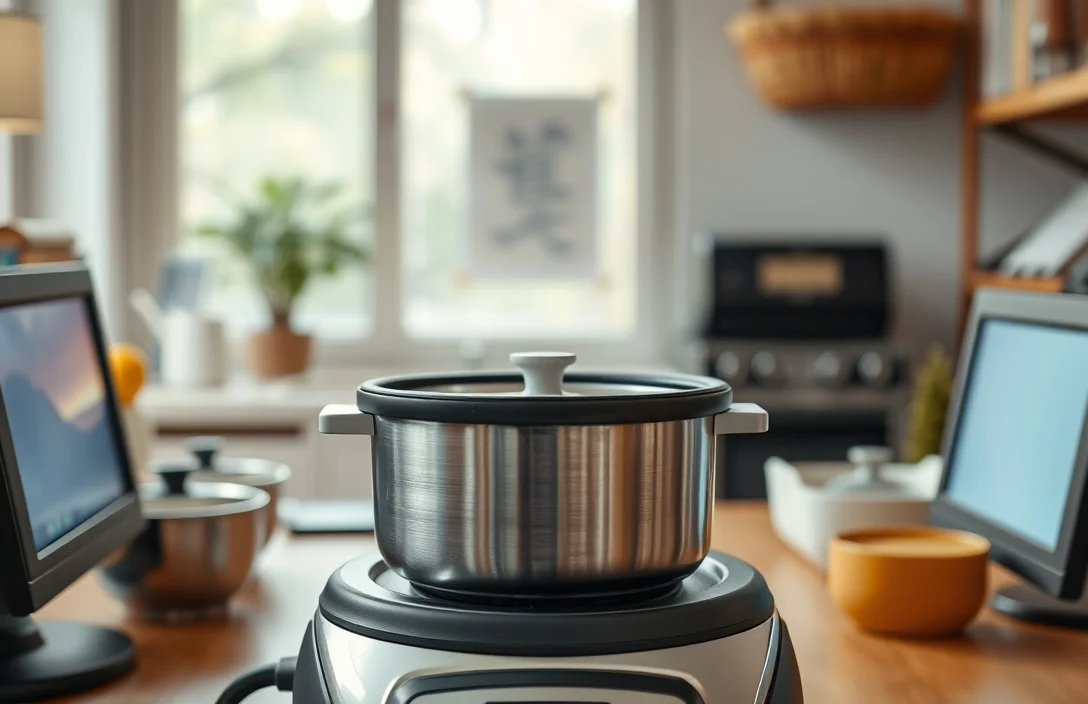
You generally have three practical paths: OEM (original) replacement, compatible replacements that specifically claim your model, and using a different inner pot style if Tiger offers multiple types for your cooker.
OEM pots are the simplest route when you want it to behave like your existing unit. The downside is cost and occasional availability depending on your model year and region.
Compatible replacements can be a good value when they’re truly model-specific. The risk is dimension mismatch, coating differences, and heater contact issues if the listing is “similar” rather than exact. Use model numbers and clear compatibility statements, not broad “fits Tiger” wording.
Different inner pot materials can change results. Nonstick pots make white rice easier to serve. Stainless or tougher surfaces can handle more aggressive cleaning, but they may stick more unless you adjust water ratio and rest time.
If you care about brown rice texture, consistent heat transfer matters. In practice, the goal is less variability, and that starts with a pot that matches the original engineering.
| Option | Key Spec / What to Check | Best For |
|---|---|---|
| OEM Tiger inner pot | Exact Tiger model number, same capacity rating | Maximum consistency, easy fit |
| Model-specific compatible pot | Explicit compatibility + same capacity | Budget-friendly replacement with low risk |
| Harder-surface / different material | Same capacity + verified seating fit | Longer lifespan, less coating worry |
| Wrong-size “universal” pot | Often only rim diameter match | Avoid, because heating contact can differ |
Expert advice for choosing the right inner pot
Match the model number first, and treat everything else as secondary. If your pot is damaged, your job is restoring the original cooking behavior, not experimenting.
If you can’t find an exact pot for your model, verify your cooker’s capacity markings and what the water line refers to. Tiger water measurement lines assume the rated inner pot volume, so replacing with the wrong capacity can change texture even if the pot physically fits.
For nonstick replacements, prioritize coating integrity and pot thickness. A thicker pot can retain heat longer, but it still needs to seat properly on the heater base. A thinner pot that fits loosely can create uneven heating, especially during the final keep-warm transition.
Clean gently and consistently. The fastest way to wreck nonstick is abrasive sponges or metal utensils “because rice is stuck.” Once the surface turns rough, sticking increases, and the whole problem compounds every cook.
Watch for warping. If the pot rocks on a flat counter or you see gaps where it contacts the heater plate, replace it. Warped contact leads to uneven heating, and uneven heating leads to burnt patches and inconsistent rice.
Examples of inner pot choices for Tiger cookers
When your Tiger cooker has inconsistent texture, replacing a worn inner pot with the exact same capacity pot often fixes it. If you notice more sticking and rough grains after scooping on white rice, the coating surface may be degraded and causing uneven release.
Capacity mistakes happen even when the pot “fits.” A common scenario is swapping a 3-cup inner pot for a 5.5-cup pot that fits physically, then using your usual water ratio. The rice can turn out too soft because pot volume and steam space changed.
For brown rice and porridge, material and heat behavior can matter more. If you use a nonstick pot and see heavy staining or coating wear, switching to a more durable inner pot style (while still matching the cooker model and capacity) can reduce long-term maintenance.
Cracks or handle-area damage means replace now, not later. A compromised pot can sit slightly off-angle, and even small seating changes create hot spots during cooking.
For a buying decision example, choose between an OEM pot for your exact model versus a broad compatible listing. OEM costs more, but it removes most fit uncertainty, which matters more than saving a little money when you want stable rice every time.
FAQ
What should I check first when buying an inner pot for a Tiger rice cooker?
Check the exact Tiger model number and the inner pot capacity rating first, then verify the inner pot seating footprint matches. Rim diameter alone is not enough. If the listing doesn’t clearly state your model and capacity variant, treat it as higher risk.
Are third-party inner pots for Tiger rice cookers reliable?
Third-party inner pots can be reliable if they explicitly confirm compatibility with your exact Tiger model number and capacity. The risk is dimension mismatch, different heat-conducting thickness, or a coating that wears faster. If the seller only says “fits Tiger models,” I would avoid it.
How long does an inner pot typically last?
With normal use, a nonstick inner pot often degrades when you start using metal utensils, abrasive pads, or harsh cleaners. Cracking or warping ends reliability immediately, even if the coating still looks okay. If rice increasingly sticks or cooks unevenly, it’s a strong sign the pot needs replacement.
Can I use the wrong inner pot size in my Tiger cooker?
Using the wrong capacity inner pot can change how the cooker’s cycles behave and can throw off water ratios. Even if it sits in place, the rice may come out too wet or undercooked because steam volume and heat transfer differ. Always match the capacity rating designed for your model.
What’s the most common mistake when replacing an inner pot?
Buying based on “looks similar” compatibility and ignoring capacity and model-specific fit. The second most common mistake is changing tools and cleaning habits right away, like using metal spoons on a new nonstick coating. Gentle, consistent care is what helps a new pot last.

- 10 Best Slow Cooker With Cool Touch Handles 2026 (Tested And Reviewed) - October 22, 2026
- 10 Best Slow Cooker With Quality Construction 2026 (Tested And Reviewed) - October 22, 2026
- 10 Best Slow Cooker With Premium Construction 2026 (Tested And Reviewed) - October 22, 2026