How Hot Do Coffee Pots Get?
Coffee pots don’t all heat to the same temperature, because brewing heat and “keep warm” heat come from different heating behavior. In everyday use in the United States, a typical coffee maker’s brew cycle heats water high enough for proper extraction, while the warming plate usually sits far lower. Here’s how hot coffee pots get, what controls that temperature, and how to keep coffee safe and tasting good.
Coffee pots typically run in two temperature ranges: during brewing, water is heated to roughly coffee-making temperatures (around 195°F to 205°F), and during warming, hot plates commonly hold coffee closer to “keep warm” temperatures (often near 150°F to 175°F). The exact number varies by model, batch size, and how long you leave it on the plate.
Key Takeaways
- Brew mode is hottest. Brewing heats water around 195°F to 205°F for proper extraction.
- Warm mode is lower. Warming plates usually hold coffee roughly 150°F to 175°F.
- Thermostats vary by brand. Temperature can shift based on design and batch size.
- Time matters for taste. Longer warming increases stale, bitter flavors.
- Safety depends on holding temp. Holding too cool lets bacteria grow faster.
- Use the right setting. If your maker has “keep warm,” use it instead of leaving brew running.
how hot do coffee pots get?
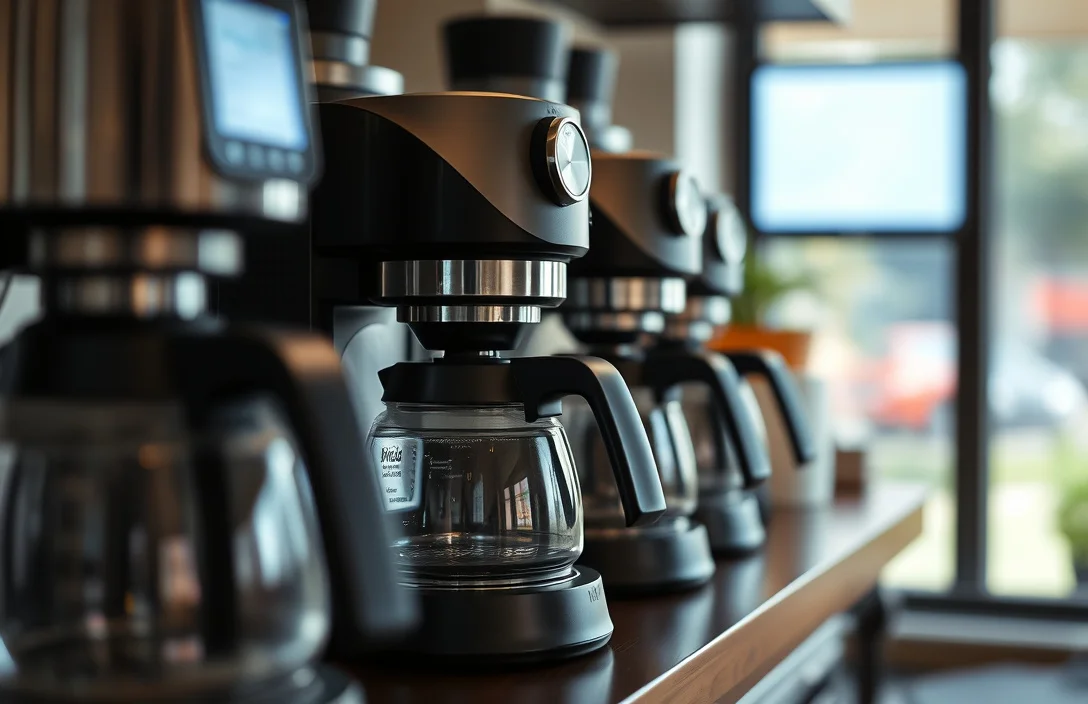
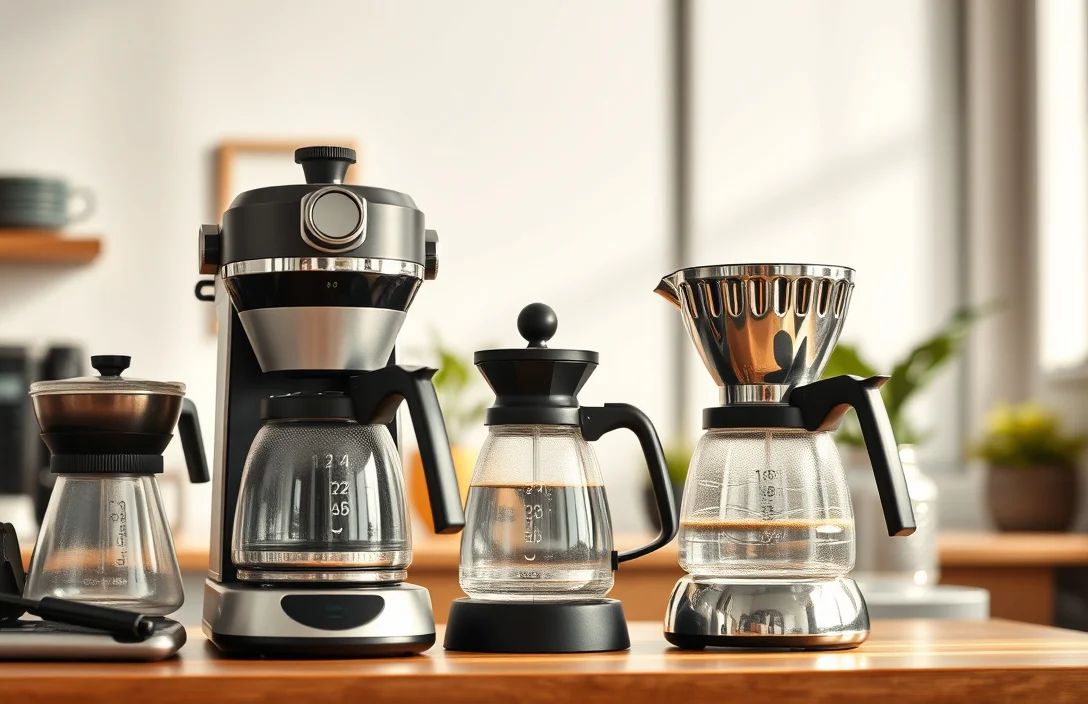
Most coffee pots (drip coffee makers) heat in two distinct phases: brewing and then keeping coffee warm. Brewing is powered by water heated hot enough to draw out coffee’s compounds quickly, typically in the neighborhood of 195°F to 205°F. When brewing finishes, the warming plate takes over, and that “keep warm” temperature usually lands well below brew water.
You also need to decide what “how hot” means for your goal. It can mean the water temperature during extraction or the temperature of the finished coffee sitting on the warming plate. Those come from different parts of the machine and can drift differently as the carafe cools and heat escapes.
One more reality check: many coffee makers don’t expose a precise target temperature in user manuals. That’s why there isn’t a single universal number that fits every brand and model. Still, the two-range pattern (hot brew, cooler warm) matches what most common household units are built to do.
how hot do coffee pots get?
Coffee makers combine a heater with a control system to manage temperature, and that control system drives the two temperature ranges you notice day to day. During brew, the machine actively heats water to temperatures designed for extraction and sanitation. During keep warm, the machine reduces power and often cycles the heater to maintain a steadier serving temperature.
The carafe changes the outcome too. A full carafe holds heat better than a half-full one, and thinner glass or plastic loses heat faster. Even if the maker has a temperature setting, the coffee’s surface temperature can still move with volume, room temperature, and how often you open the lid.
A practical mental model helps: during brewing, think “near-boiling water.” During warming, think “hot but not boiling.” Coffee stays safe when it’s held hot enough for long enough, but warm it for too long and it tastes worse. That tension is why keep warm exists and why leaving coffee on a burner for hours can wreck flavor.
how hot do coffee pots get?
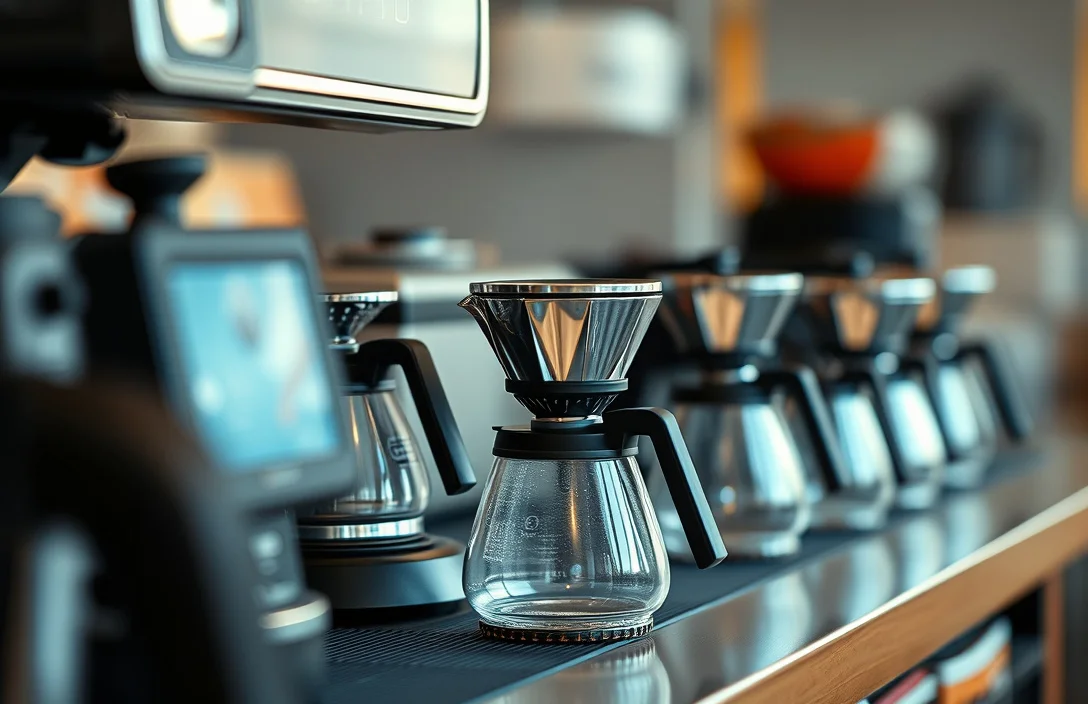
You can’t read your coffee pot’s exact temperature just by looking at the settings, but you can get a useful, actionable number in about 10 minutes with a kitchen thermometer. That helps when coffee tastes weak (sometimes because brew temp is low) or burnt/bitter (sometimes because warming is too aggressive).
- Pick the phase to measure. Decide whether you care about brew water temperature or the final coffee temperature on the warming plate.
- Use a fast-read thermometer. For brew-phase measurements, pick a thermometer that can measure quickly in hot liquids.
- Measure brew water during active brewing. Put the probe near where water returns to the brew basket, or measure the flow in the carafe if your setup makes that possible.
- Measure coffee right after brewing ends. Pull the carafe off the plate briefly so your reading reflects the moment brewing finishes.
- Measure after 30 minutes on keep warm. Put it back on the warming plate and record the temperature once the coffee has had time to equilibrate.
- Compare the two readings. Your brew number should land in the “coffee extraction” neighborhood, and your keep-warm number should be noticeably lower.
If you don’t want to measure brew water, warming-phase readings still help. Most taste complaints and safety questions show up during keep warm because that’s where coffee spends most of its time.
Temperature clues without a thermometer
You can infer behavior even without a number. Coffee that starts to “skin” on a warming plate or develops a burnt smell is often running at the hotter end of the keep-warm range. Coffee that tastes flat quickly and cools fast likely isn’t held hot enough, or the carafe loses heat faster because of its design and fill level.
what controls coffee-pot temperature?
The temperature you get comes from heating power, insulation, and how the machine cycles its thermostat. The most important technique is matching the setting to what you’re trying to do, because different modes make the heater run differently.
These details drive how your coffee pot behaves:
- Thermostat cycling. Many warming plates don’t keep a steady temperature nonstop. They cycle power on and off to hold a target, which is why temperature can fluctuate depending on when you measure.
- Heat transfer to the carafe. Glass carafes and thermal carafes don’t hold heat the same way, which changes how quickly coffee cools after brewing ends.
- Sensor placement. If the sensor sits near the plate rather than in the coffee, the coffee temperature can lag behind what the heater is trying to maintain, especially when the carafe isn’t full.
- Carafe lid effects. A lid slows heat loss. Leaving the lid open speeds cooling and makes the pot seem cooler than it actually is.
If you want coffee to stay hotter longer, keep the lid positioned to reduce heat loss and avoid frequent lifting. If you want better taste, don’t treat keep warm like a “set it and forget it” mode for hours.
A simple decision rule
Ask one question: do you care more about safety or flavor? Safety means holding coffee above a cooling threshold long enough. Flavor means limiting time spent at hot-warm temperatures that push bitterness and aroma loss.
If you want both, hold briefly and serve promptly. That cuts bitterness without leaving coffee in a questionable temperature zone for too long.
how hot do coffee pots get in real life?
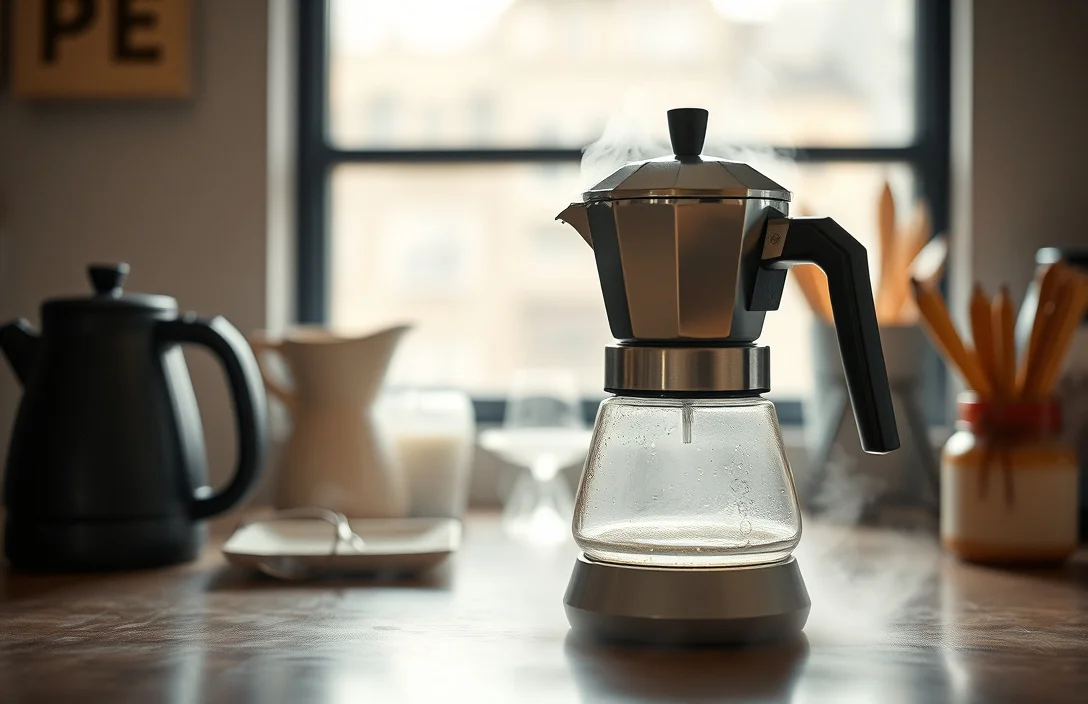
The best practice is simple: use keep warm briefly, then pour. Coffee tastes best when it’s served soon after brewing ends, even though the warming plate is still doing its job. A warming plate temperature around the 150°F to 175°F range can keep coffee comfortable, but extended time increases stale, harsh flavors and can shift toward over-extraction.
Avoid brewing and then leaving coffee in the carafe unattended. If you need it ready for a group, brew in smaller batches or brew again at intervals instead of relying on the warming plate for the entire stretch. You get better taste consistency too, because coffee cools and re-warms differently across time.
If coffee tastes burnt, harsh, or “cooked,” treat it as a temperature-control or maintenance problem. Clean the warming plate and the underside of the carafe, make sure the carafe sits flat, and replace damaged carafes that don’t transfer heat well.
Practical “do this”
- Pour within 30-60 minutes when possible, especially for lighter roasts.
- Keep the lid closed to reduce heat loss and temperature swings.
- Use a thermal carafe if your model supports it, since it usually controls heat without cooking flavors.
- Clean regularly to prevent residue from creating overheating spots.
- Brew smaller batches for groups so keep warm time stays short.
These steps beat guessing and protect both taste and safety.
how hot do coffee pots get wrong?
Leaving coffee on a warming plate for hours is the most common mistake. Even when warming plate temperatures sit in the typical keep-warm range, heat plus time changes coffee chemistry. The result is usually dull flavor, bitterness, and weaker aroma. If you’ve tasted “burnt coffee” that didn’t come from the brew process, warming time is often the reason.
Another mistake is treating keep warm like brew. Brew temps are high enough for efficient flavor extraction. Keep warm isn’t. If you want coffee that tastes fresh-hot, brew again or use a strategy that limits hold time (thermal carafe, hot water addition, or shorter hold cycles).
Also avoid misleading temperature checks. Dipping a thermometer into coffee right after pouring or after stirring can give a local reading that doesn’t represent the whole pot. Use consistent timing, such as right after brewing ends and again after 30 minutes, so you’re comparing apples to apples.
Watch-outs that create weird temperature results
- Low fill level. Smaller amounts cool faster and cause bigger temperature swings.
- Bad carafe contact. If the carafe doesn’t sit correctly, the heater may run hotter or colder than expected at the coffee surface.
- Neglected cleaning. Residue can create hotspots and uneven warming even when the thermostat is fine.
Cleaning and consistent timing prevent most “why is this coffee tasting off?” mysteries.
Pro tips: get better coffee temperatures without obsessing
The biggest pro tip is timing your serving, not chasing a single “magic” temperature number. Coffee makers are designed for drinkability, not laboratory repeatability. The most reliable improvement is shortening the time between brewing and drinking.
For better flavor without buying anything new, preheat your carafe with hot water for a minute (then discard the water) before brewing. That slows early cooling and makes the brew-to-serve temperature drop smoother. It won’t change brew water temperature much, but it improves how quickly finished coffee cools right after brewing.
Use a make-to-order approach when you’re busy: brew, pour, and repeat. It reduces how long coffee sits in the warmer range and keeps taste consistent across batches.
If you’re troubleshooting a specific complaint
- Weak or sour coffee: focus on the brew phase and consider low brew temperature if the machine isn’t heating properly or is scaling up.
- Burnt or harsh coffee: shorten keep warm time and verify the carafe lid and carafe contact with the hot plate.
- Inconsistent temperature: measure at two times (right after brew and after 30 minutes) to see whether your machine cycles power aggressively.
A thermometer helps, but disciplined timing fixes more. Use both and you’ll get repeatable results fast.
FAQ
How hot do coffee pots get during brewing?
Coffee makers heat water to about 195°F to 205°F during the brew process. That range helps extract flavor efficiently and keeps the brewing liquid hot enough for proper brewing. If your coffee tastes sour or under-extracted, brew temperature or heating performance could be the issue.
How hot do coffee pots get on the keep warm setting?
Keep warm temperatures are typically lower than brew temperatures, commonly in the approximate 150°F to 175°F range. Exact numbers vary by model and by how full the carafe is. If coffee tastes bitter after sitting for a while, your warming phase is likely running toward the hotter end or the hold time is too long.
Is it safe to leave coffee on a warming plate for hours?
Safety depends on how hot the coffee is and how long it sits, and coffee makers vary in how consistently they hold temperature. As a practical rule, pour coffee within about 1 hour when possible and don’t rely on multi-hour warming. If you need longer holding, brew smaller batches or use a thermal carafe.
What’s the best way to measure how hot my coffee pot gets?
Use a fast-read kitchen thermometer and measure in two moments: right after brewing finishes, then again after 30 minutes on keep warm. Submerge the probe in the coffee for warming-phase readings, and compare measurements across time using consistent timing. Consistent timing matters more than chasing a single reading.
What’s a common mistake people make when judging coffee pot temperature?
A common mistake is judging temperature by taste alone or by the surface feel of the coffee. Taste shifts quickly with time, and surface heat can be misleading, especially if the carafe lid is open or the carafe isn’t in full contact with the hot plate. Measure at consistent time intervals so you know what the pot is actually doing.

- 10 Best Slow Cooker For Slow Cooking Oxtail 2026 (Tested And Reviewed) - October 16, 2026
- 10 Best Slow Cooker For Slow Cooking Venison 2026 (Tested And Reviewed) - October 16, 2026
- 10 Best Slow Cooker For Slow Cooking Turkey 2026 (Tested And Reviewed) - October 16, 2026