Ih Pressurized Rice Cooker 3l?
A 3L IH pressurized rice cooker is usually built for families and batch cooking, because the pressurized design can cut cooking time while keeping rice more evenly cooked. In the United States, most models in this category land between 3L and 5L, so the real decision is whether 3L matches how much rice you typically cook and whether you want IH heating (for steadier heat) or a basic heating plate. Use this guide to pick a size that fits your routine and avoid wasting money on the wrong setup.
IH pressurized rice cooker 3L is best when you cook around 6 to 10 cups of cooked rice, depending on rice type and how full you fill the pot. It uses induction (IH) heating plus a pressure-sealed cook to speed up how fast water boils and how evenly rice absorbs it. If you usually cook small batches, 3L can be oversized, and low fill levels can lead to uneven texture.
Key Takeaways
- 3L fits families. A 3L capacity typically suits daily rice for several people, not single servings.
- IH helps consistency. Induction heating tends to spread heat more evenly than basic plate heating.
- Pressure changes timing. Pressurized cycles can cook faster, but natural release still shapes final texture.
- Fill level matters. Underfilling or overfilling can cause inconsistent results and may trigger safety behavior.
- Keep accessories compatible. Use the right inner pot, lid seal, and measuring cup for your exact model.
- Check safety features. Look for a lid lock, venting design, and overpressure protection.
What to Know About ih pressurized rice cooker 3l?
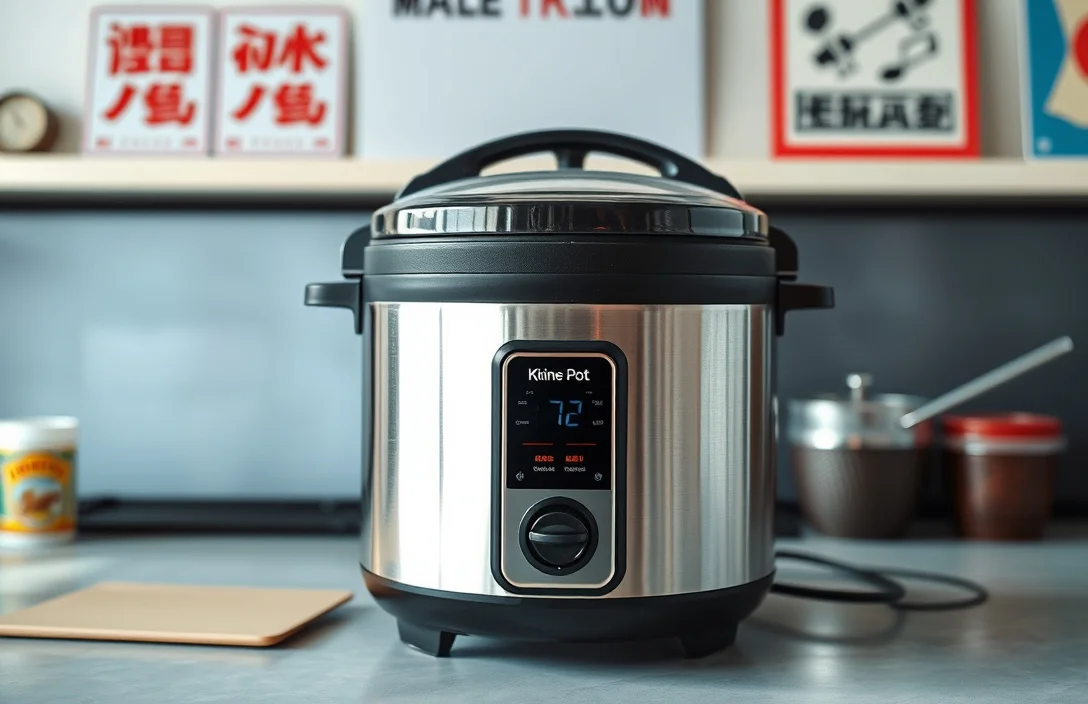
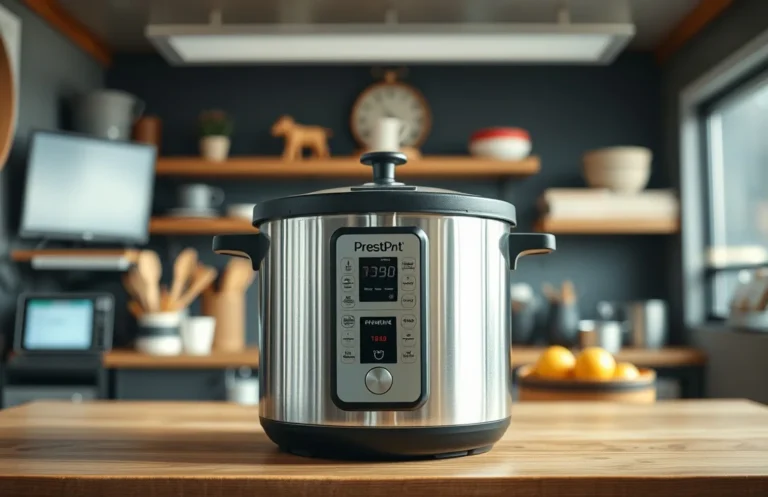
A 3L IH pressurized rice cooker pairs induction heating with a pressure-sealed cooking process. IH affects how steadily heat is applied, and pressure affects how quickly water boils and how uniformly rice hydrates.
“3L” is pot capacity, not a guarantee of how many cooked servings you’ll eat. Manufacturers typically define capacity in terms of raw rice plus water, and the way they calculate “liters” can differ by brand and by whether the number reflects total pot volume or cooking water volume. Treat 3L as “built for multiple servings,” then confirm the rice quantity guidance in the manual for your exact unit.
In the US market, “IH pressurized” rice cookers can show up under different product families. Some models behave like a pressure cooker with rice modes; others prioritize rice cooking and only add pressure in specific programs. Those design differences change how venting works, how release timing behaves, and how forgiving the cooker is with water ratios.
Plan around the workflow, too. Pressurized cooking means you usually can’t open the lid right away. You either wait for natural pressure release or follow the cooker’s release procedure. That affects meal timing more than standard rice cookers, especially when rice has to fit between other tasks.
Things that matter most
Use capacity guidance that states raw rice cups or grams, not only “3L.” If the listing only gives a liters rating, rely on the measuring cup included with your model (or the cup size defined in the manual) instead of guessing.
Don’t assume “IH” automatically equals great rice. The pressure system and control logic matter just as much. Better models hold pressure steadily through the main cook and then manage the switch to keep-warm in a controlled way, so the rice doesn’t come out watery or dry too early.
The lid and sealing system decide whether pressure cooking performs consistently. A sealing ring and a clear vent path need to be clean and seated correctly. If a model’s seal is fussy to remove or replace, expect maintenance to become annoying fast, especially if you cook frequently.
Water ratio support makes or breaks texture. Many IH pressurized models still use a base ratio plus adjustments by rice type, such as white rice, brown rice, or sushi rice. If the cooker provides rice-specific menus with clear assumptions about water levels, you’ll waste less time recovering from mush or dryness.
Keep an eye on keep-warm behavior. Rice kept warm too long can dry out, and pressure-cooked rice can react differently than standard cooker rice. The safest signs are a keep-warm timer, automatic shutoff, and a keep-warm mode that doesn’t overheat the pot after the cook phase ends.
Tips for ih pressurized rice cooker 3l?
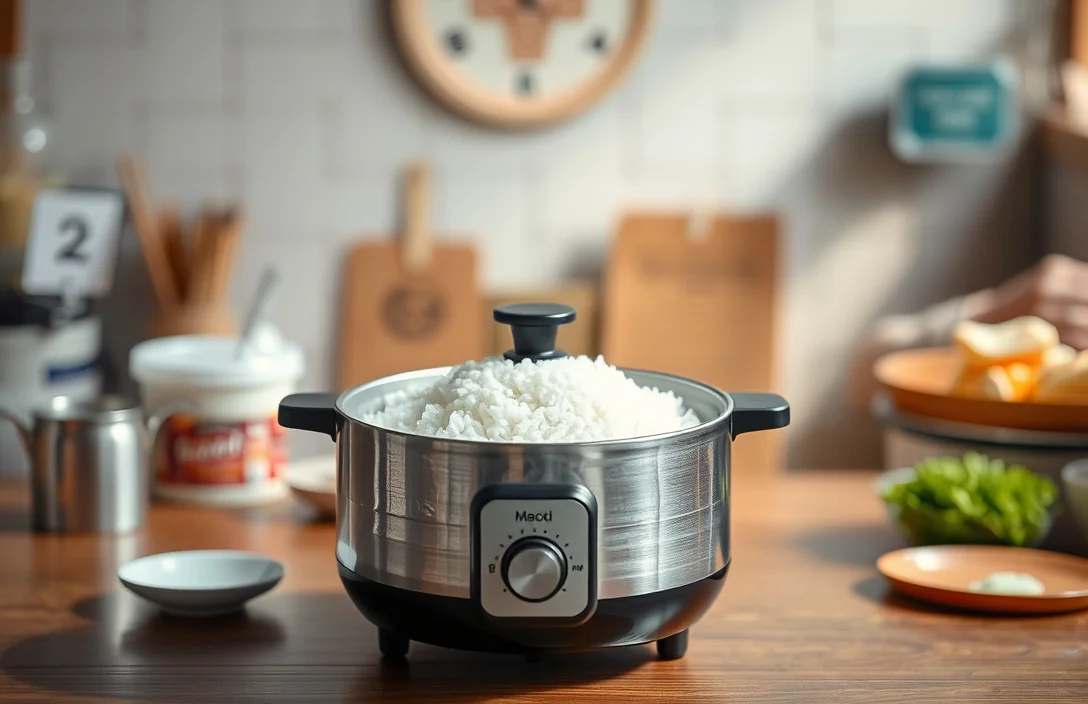
Use the included measuring cup and the recommended water lines for your exact model. For consistent results, treat the manual’s ratio as the starting point and adjust only after you’ve had one or two successful test runs.
Check water ratios when you switch rice types. Brown rice usually needs more water and longer soaking than white rice, and pressure cooking still needs those adjustments. If you borrow the “favorite water level” from a non-pressurized cooker, you can end up with undercooked centers or extra-soft texture.
Make pressure release part of the recipe. If the cooker offers natural release or a controlled release procedure, follow it instead of treating release like an afterthought. Cutting the release short can change rice texture because the rice continues hydrating while pressure equalizes.
Avoid overfilling, especially with starchy or expanding rice varieties. Foaming and starch release can clog vents on weaker setups, and even reliable models behave differently when you push near the max line. Stick within the manufacturer’s “do not exceed” range and don’t try to “sneak in” an extra cup of raw rice.
Keep cleaning straightforward because pressurized cooking depends on clean parts. After each use, clean the sealing ring area and the vent path as the manual directs. Rice residue can mess with pressure behavior and make cycles less predictable.
Track your test results. Your first few cooks are trial-and-error, so record rice type, raw rice amount, water level, chosen program, and which release method you used. That turns randomness into repeatable outcomes quickly.
Benefits of ih pressurized rice cooker 3l?
A 3L pressurized rice cooker makes it easier to feed a group without turning rice into an all-day project. Pressurization typically shortens cooking time compared with basic steaming or boiling approaches, which helps when rice has to land on the table at the same time as dinner.
IH heating improves consistency across the pot. Induction heating is built to distribute heat more evenly than many simple plate systems, so you get fewer “perfect one batch, uneven the next” moments. That matters most if rice is a regular staple and you want repeatable results without babysitting.
Pressure cooking also helps control texture. Rice tends to finish more evenly when pressure stays stable during the main phase and then shifts predictably into the end stage.
A 3L size supports batch cooking. Meal-prep rice gets more useful cooked rice per batch without running multiple smaller cycles.
Many IH pressurized rice cookers include menu options beyond plain white rice. If your model explicitly supports additional grains or pressure-style programs, you can use it beyond basic rice, as long as you follow the menus and ratios it provides.
Options for ih pressurized rice cooker 3l?
Shopping for an IH pressurized 3L rice cooker usually comes down to three buying paths, each suited to a different cooking style.
1) Rice-first IH pressurized cookers. These focus on repeatable rice texture, often with guided water ratios and rice modes designed around white rice and sometimes brown rice.
2) Multi-cooker pressure units with rice modes. These are more flexible if you want soups, porridge, or other pressure tasks, but rice performance depends on whether the rice menu is actually tuned for pressure cooking.
3) Hybrid cookers that pressurize only for certain functions. Some units add pressure only during specific stages or only in particular modes. That can be a good compromise if you want some speed but don’t want fully pressurized behavior in every cycle.
Here’s a quick decision table to keep your buying logic sharp:
| Option type | Best for | Key thing to verify before buying |
|---|---|---|
| Rice-first IH 3L pressurized | Daily rice with consistent texture | Water-line guidance and release behavior for the rice menu |
| Multi-cooker pressure with rice mode | Mixed meals and pressure cooking variety | Whether rice menu uses true pressure cooking, not just “timer” settings |
| Hybrid pressure behavior | People who want some speed without full pressure modes | Which modes are pressurized and how keep-warm is handled |
Since prices and exact specs vary by model and aren’t covered here, your best move is still to compare manuals. The manual shows whether “3L” maps to raw rice cups, what liters of water the recipes assume, and how release timing affects texture.
Expert Advice on ih pressurized rice cooker 3l?
Start with servings and work backward to capacity. If you almost never cook enough to fill the pot, a 3L unit can force underfilling, and underfilling can reduce even heating and make pressure behavior less predictable. If you cook for 6+ people or meal prep regularly, 3L is often practical.
Pick based on control clarity, not marketing labels. The best “IH pressurized” models spell out rice quantity, water ratio expectations, and release guidance in the instructions. If the instructions are vague, you’ll spend too long guessing.
Treat the lid seal as a maintenance item. Pressure cooking depends on the sealing ring seating and vent cleanliness. If the seal is difficult to remove or replace, factor in how you’ll keep it working after weeks of normal use.
Run at least one baseline cook. Use the rice your household eats most (often plain white rice), with the standard water line, and let the rice rest exactly as the manual advises. Once that baseline hits, you can adjust for brown rice, different white rice brands, and different textures (firmer or softer).
Use keep-warm settings correctly. Many rice problems show up after the cook, when keep-warm dries the surface or continues heating residual moisture. If your model sets a keep-warm duration limit or includes a reheat cycle, follow the manual instead of improvising.
Examples: ih pressurized rice cooker 3l?
A 3L pressurized cooker often fits families of four who eat rice with dinner. Batch cooking becomes realistic: cook a full batch on Sunday, refrigerate portions, and reheat later using the cooker’s reheat function (or a microwave with a splash of water). Pressurized cooking helps reduce time on busy days so rice doesn’t become the bottleneck.
If you’re new to pressurized rice, start with plain white rice using the included measuring cup and your model’s “water line” method. Record the exact setting you used (white rice vs quick cook) and whether you did a natural release. For the second test, change just one variable, like the water line, and stop there until the texture matches what you want.
Meal prep is where 3L frequently shines. A 3L pot can produce enough cooked rice for multiple lunches, and pressure cooking helps keep texture consistent across batches when you rest the rice and use the same release procedure each time. The real advantage is workflow: cook once, portion out, and reheat later with less trial-and-error.
If kids prefer softer rice, pressurized cooking can still work, but you’ll need the right water ratio and rest time. For example, increasing water slightly or selecting a softer rice menu (if your model has one) can shift texture toward what they like. Avoid changing multiple variables at once, because then you can’t tell what fixed the issue.
FAQ
What servings does a 3L IH pressurized rice cooker usually make?
A 3L rice cooker usually produces enough cooked rice for multiple servings, but the exact count depends on how the manufacturer defines capacity and how much raw rice they assume. Use the included measuring cup and the manual’s rice-to-water guidance for your model. If you typically cook for 1 to 2 people, a smaller capacity can deliver more consistent results because you’ll stay closer to the recommended minimum fill level.
How much faster is pressurized cooking for rice?
Pressurized cooking cycles are often shorter than standard rice-cooker steaming, but the exact minutes vary by model and rice type. White rice typically runs differently than brown rice, and cycle length can also change between quick programs and full programs. Check your unit’s menu timings in the manual, then compare them to your previous cooking method.
Is IH worth it compared with a standard heating plate?
IH can improve even heating, which helps rice cook more consistently across the pot. Whether it’s “worth it” depends on whether you care most about repeatable rice results or speed and convenience. If uneven texture is your main frustration, IH is more likely to help, but only if the cooker also has clear rice programs and reliable pressure control.
How do I prevent rice from turning mushy in a 3L pressurized cooker?
Use the manual’s water line for the exact rice type, and don’t exceed the fill level. Follow the recommended pressure release method, because skipping natural rest changes hydration and texture. If rice still turns mushy, reduce water slightly (small changes), then repeat using the same setting until you stabilize your baseline.
Can I use this cooker for other grains besides rice?
Many IH pressurized rice cookers support at least a few additional grain programs, but the manual is the only reliable source for what’s actually supported. Grains like brown rice, quinoa-like grains, and oats can behave differently because of starch and foaming. If the manual lists them, follow its water ratios and max-fill guidance closely to avoid clogged vents or safety triggers.

- 10 Best Slow Cooker With Cool Touch Handles 2026 (Tested And Reviewed) - October 22, 2026
- 10 Best Slow Cooker With Quality Construction 2026 (Tested And Reviewed) - October 22, 2026
- 10 Best Slow Cooker With Premium Construction 2026 (Tested And Reviewed) - October 22, 2026