Inner Pot Rice Cooker Replacement?
A cracked or warped inner pot can wreck rice texture even when your rice cooker still heats normally. The catch is that “replacement inner pot” is not one universal part. Inner pots vary by model code, capacity (like 3-cup vs 5-cup), and heater and sensor design. Use this guide to replace the inner pot correctly so your cooker keeps cooking the way it should.
Replacement inner pot selection starts with your exact rice cooker model. Match the manufacturer’s part number when you can – or at least match the cooker model, capacity, and rim/shape. If your cooker uses a temperature probe or a magnetic plate, the replacement must match that shape and placement. A mismatched pot may heat unevenly, fail to seat properly, and throw off cooking results.
Key Takeaways
- Match your model number. The safest replacement is the exact inner pot for your cooker’s brand and model.
- Verify capacity markings. A 3-cup and 5-cup pot often do not interchange cleanly – fit and heat transfer can change.
- Check heating contact points. The bottom plate, probe, and sensor layout must line up for even cooking.
- Respect food-safety limits. Replace warped, flaking, or deeply scratched nonstick surfaces instead of “trying to make it work.”
- Use trusted compatibility listings. Third-party pots need clear, specific compatibility notes – not guesswork.
- Budget for steam parts. A new lid seal ring or gasket can matter as much as the inner pot for steam control.
What to Know About inner pot rice cooker replacement?
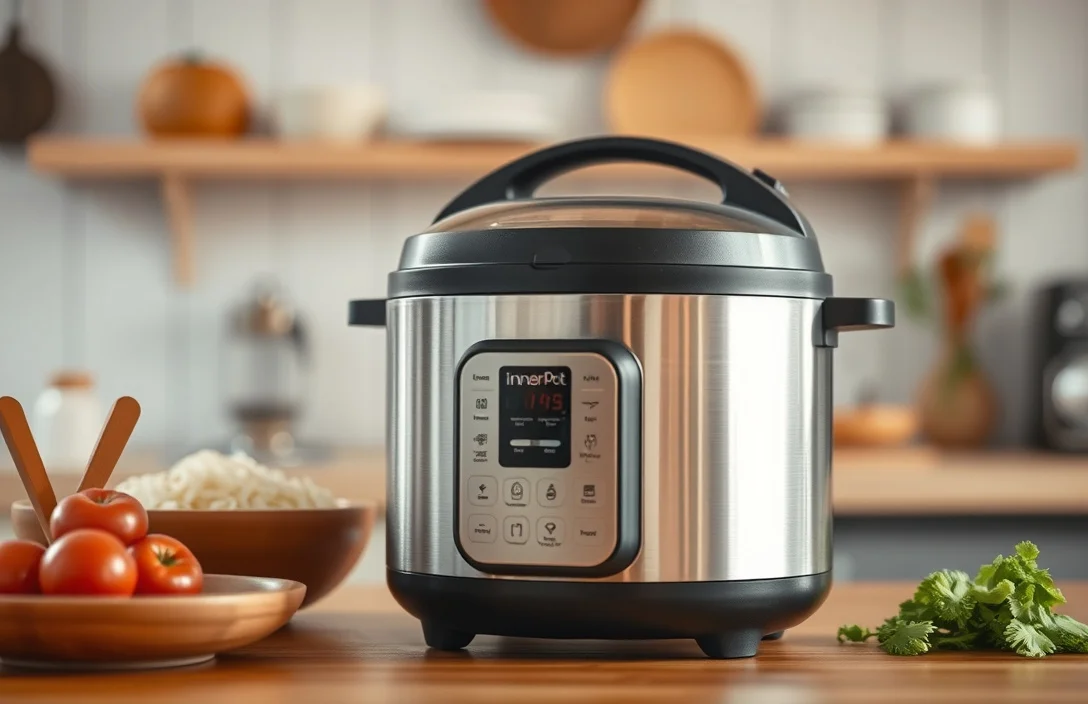
The right replacement inner pot matches your exact rice cooker model, not just the size you assume. Brands build different internal setups – including how the pot sits on the heating plate and whether there’s a temperature probe. Even small mismatches shift heat distribution, so rice can turn out undercooked, mushy, or inconsistent.
Before buying, write down the exact model number from the base or underside of the cooker, then look up the inner pot part for that model. If you cannot find a part number, match capacity (for example, 3-cup vs 5-cup) and confirm the inner pot’s bottom shape. If your current pot is warped, the replacement should be flat at the bottom and have no chips along the rim.
Decide what “replacement” means for your situation. Many people blame the inner pot when the real problem is a damaged gasket, a bent steam vent, or a worn lid seal that fails to hold pressure. Those issues can mimic bad cooking even with a healthy inner pot.
If your cooker takes longer than usual or consistently leaves dry edges, check the gasket and lid alignment before spending on a full inner pot.
Things that matter most
Model compatibility drives whether the pot heats evenly. If the pot does not sit flush on the heater plate, contact becomes uneven and doneness follows. A poor fit can also prevent the pot from locking correctly, which affects how well the lid seals.
Capacity matters because it changes how the cooker manages temperature and steam. A pot built for a different volume can cook at different effective temperatures due to inner geometry and how the sensors read. You do not need to overthink it – just match the markings and the cooker’s intended capacity.
Material choice affects both performance and longevity. Inner pots can be nonstick-coated, stainless steel, or textured depending on the brand. Replace nonstick coatings that are flaking, peeling, or deeply scratched because they can affect heat transfer and expose the surface.
Treat coating damage as a real decision point. Light scuffs happen. Peeling layers and rough chips in the cooking surface mean you stop using the pot.
Tips for inner pot rice cooker replacement?
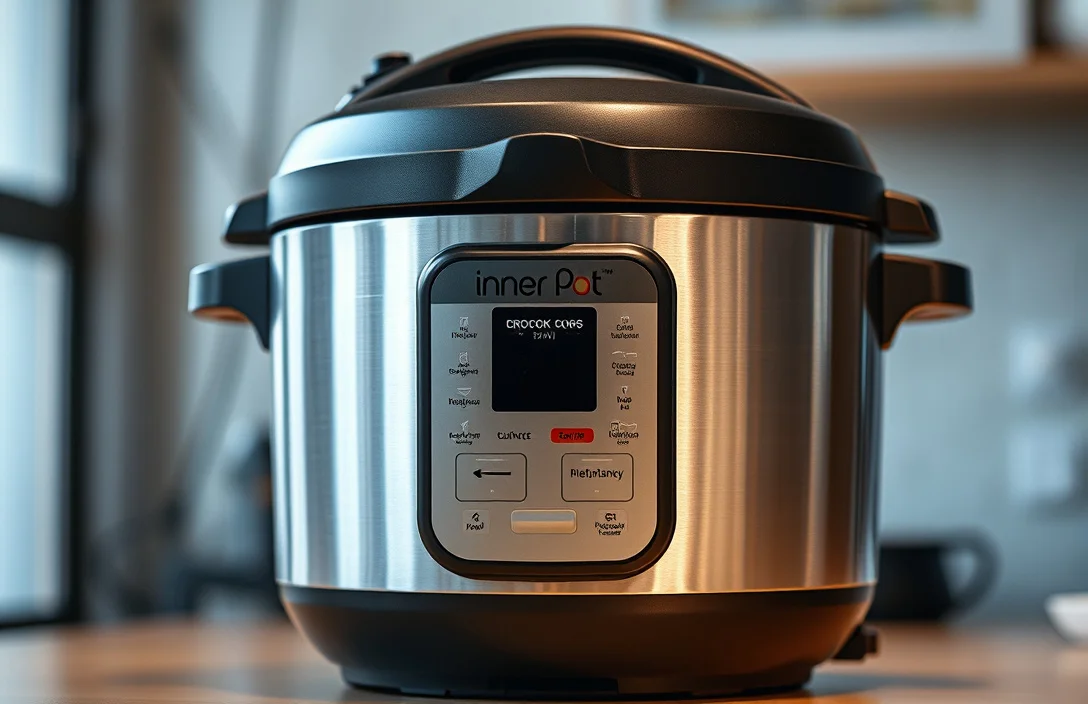
Start with the basics: confirm the model number and capacity from the cooker. If the listing is vague, measure the inner pot’s inside diameter and height and compare those numbers to the replacement description. That catches mismatches hidden behind phrases like “fits most models.”
Clean the cooker base and heating plate before you test the new pot. Residue, stuck grains, or oil can create hot spots and poor contact. Wipe the heater surface, then confirm the new inner pot sits flat and centered.
Run a short water test after installation. Fill with the amount you normally use based on the cooker’s cup markings, run a cycle, and watch steam behavior and shutoff. If the cooker cycles strangely, the pot may not match the sensor/probe arrangement or seating geometry.
If your cooker uses a temperature probe or a specific bottom contact mechanism, do not force a pot that feels almost right. Forcing fit can damage the probe or leave tiny gaps that cause uneven cooking.
Here’s a checklist you can follow:
- Match model number from the base label to the inner pot listing
- Confirm capacity matches your cooker’s cup size
- Check bottom fit (flat contact, no wobble, correct alignment)
- Inspect coating for nonstick damage if you’re reusing any related parts
- Test with water before a full rice batch
- Replace the lid gasket if steam is weak or inconsistent
Benefits of inner pot rice cooker replacement?
A correct inner pot restores consistent heat transfer and makes rice texture predictable again. When the pot sits flush and fits the heating setup properly, the cooker can follow its intended temperature curve and deliver the doneness you expect. That usually reduces the need to keep changing water ratios mid-cook.
The payoff extends beyond plain white rice. Brown rice, jasmine rice, and mixed grains show uneven heating more clearly – and that’s where most people get frustrated. A correct inner pot reduces the constant “why is this batch different?” problem that pushes people away from rice cookers.
There’s also a cleanliness and quality angle. If the old pot has flaking coating or dents that trap debris, replacement makes the cooker easier to keep sanitary. Stainless steel replacements can also be a durability win – but you may need to adjust water ratios for some recipes.
The most practical upside is cost control. Replacing the inner pot is often far cheaper than buying a new cooker, and you avoid learning a new cooking pattern. If the heating system is still working, the inner pot is the missing piece.
Options for inner pot rice cooker replacement?
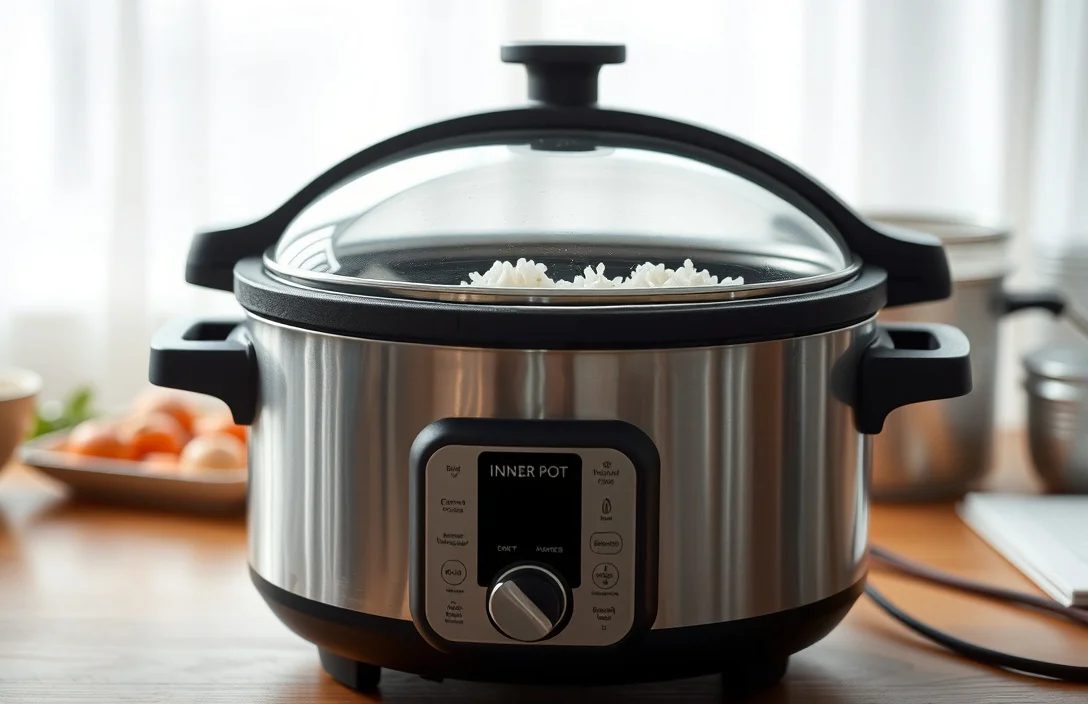
You have three main paths: OEM (manufacturer) inner pot, compatible third-party inner pot, or a repair-adjacent fix like replacing the lid gasket. The right choice depends on how precise your cooker needs to be for correct heating and sensing.
OEM inner pots are the safest compatibility option because they’re built for your exact model and part number. You get the correct dimensions, correct bottom geometry, and the right fit for lid and sealing surfaces. The trade-off is price, especially when you buy just the inner pot instead of a bundle.
Third-party inner pots can be cheaper, but compatibility claims need scrutiny. Look for listings that name your specific model number, not just “fits many rice cookers.” If the seller can’t confirm fit, treat that as a risk – because it usually is.
If the reason for replacement is steam or lid behavior, replace the lid gasket (and any removable steam valve parts) before buying a new inner pot. Steam control directly affects moisture trapped during the cycle and how rice cooks – so fixing sealing issues can solve the symptom without changing the heating hardware.
Here’s a practical comparison table to help you decide what to buy:
| Option | What you’re buying | Best for | Main risk |
|---|---|---|---|
| OEM inner pot | Exact inner pot for your model | Maximum fit and consistent results | Higher cost |
| Compatible third-party pot | Inner pot that claims model compatibility | Lower cost if fit is verified | Wrong bottom/probe geometry |
| Lid gasket/seal replacement | Seal ring or gasket that affects steam | Steam leaks, poor pressure, weak closure | Won’t fix a warped pot |
| Stainless upgrade (if compatible) | Stainless inner pot in place of coated pot | Durability preference | Different heat behavior, ratio tweaks |
Expert Advice on inner pot rice cooker replacement?
Treat the inner pot like a precision component, not a generic bowl. Heater plate contact, bottom contour, and sensor behavior determine whether your rice comes out right. “Looks similar” does not protect you from uneven heating or bad fit.
Buy by model number whenever possible. If you have to choose between a “compatible with many models” listing and a verified match for one model, pick the verified listing. The cost savings aren’t worth the weeks of trial-and-error if the pot doesn’t seat or sense correctly.
Return options matter. Compatibility problems can be hard to spot until you test – so choose options with easy returns so you can verify fit and send it back if the pot does not seat correctly. A good vendor makes compatibility clear and returns straightforward.
Inspect the base too. If the heating plate is badly stained or warped, a new inner pot cannot fix the underlying contact problem. At that point, troubleshooting or service often beats buying parts repeatedly.
If you want the same rice quality as before, the best order is simple: check gasket/steam seals first, then replace the inner pot only if the cooking surface is damaged or the fit is confirmed wrong.
Examples: inner pot rice cooker replacement?
Rim cracking changes seating. If the inner pot is cracked at the rim and the lid no longer sits flat, replace the inner pot first. Rim damage can prevent proper seating and interfere with how steam pressure builds. The replacement should sit without wobble and align correctly when the lid closes.
Uneven doneness often points to bottom warping. If your cooker still heats but rice comes out uneven with wet centers and dry edges, the old pot bottom may be warped. Choose a replacement inner pot that is the exact model match, then do a water test to confirm the pot sits flush and the cycle runs normally.
Upgrading from coated to stainless can work with the right fit. People often swap a coated inner pot to stainless for durability. The swap can succeed if compatibility is verified – but expect some water ratio tweaks because heat transfer characteristics can differ.
Steam leakage can look like “bad rice” without being an inner pot problem. If you see condensation escaping at the lid perimeter, or the rice tastes consistently dry, replacing the lid gasket may solve the issue. You avoid the cost and compatibility risk of a new inner pot.
FAQ
What’s the first thing I should check before buying an inner pot replacement?
Check the rice cooker’s model number and capacity (like 3-cup or 5-cup) from the label on the cooker base. Match that exact model number to the inner pot listing, ideally including the part number. If the listing only says “fits many models,” treat it as a risk unless you can verify your specific model.
Are third-party inner pots safe to use in a rice cooker?
They can be safe if the seller clearly verifies compatibility with your exact cooker model and the pot seats flush on the heating plate. The biggest risk is mismatch in bottom geometry or sensor/probe alignment, which can lead to uneven cooking. If you cannot confirm model fit, stick to OEM or choose a retailer with an easy return.
How long does it take to replace an inner pot?
Swapping the inner pot usually takes 5 to 10 minutes. The real time is testing: run a water cycle after installation and confirm the cooker behaves normally. If you also replace a lid gasket, add another 5 to 10 minutes for cleaning and fitting the seal.
Can I replace the lid gasket instead of the inner pot?
Yes, when the issue is steam leakage, weak lid closure, or persistent dry rice that started after lid wear. A gasket replacement improves steam retention and cooking consistency without changing the heating contact. If the inner pot is warped, cracked, or the coating is peeling, a gasket will not fix the core heating problem.
What’s the most common mistake when replacing an inner pot?
Choosing based on size alone, like assuming a 3-cup inner pot fits every 3-cup model. Even within the same capacity, the bottom shape, probe arrangement, and fitment can differ by model. Match the cooker model number and verify bottom fit instead of relying on “similar-looking” parts.

- 10 Best Slow Cooker For Mess Free Cooking 2026 (Tested And Reviewed) - October 24, 2026
- 10 Best Slow Cooker With Leak Resistant Lid 2026 (Tested And Reviewed) - October 24, 2026
- 10 Best Slow Cooker With Spill Proof Design 2026 (Tested And Reviewed) - October 24, 2026