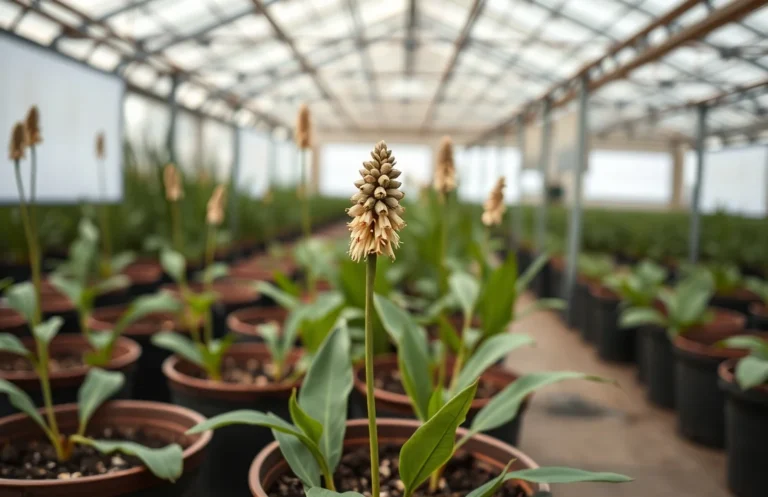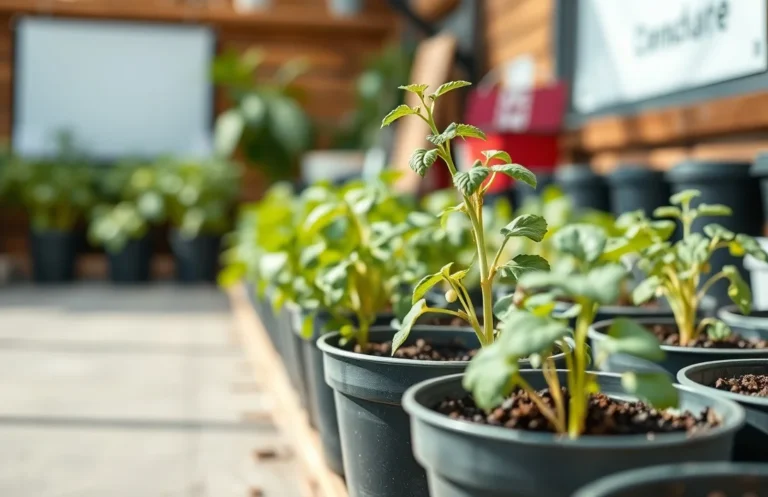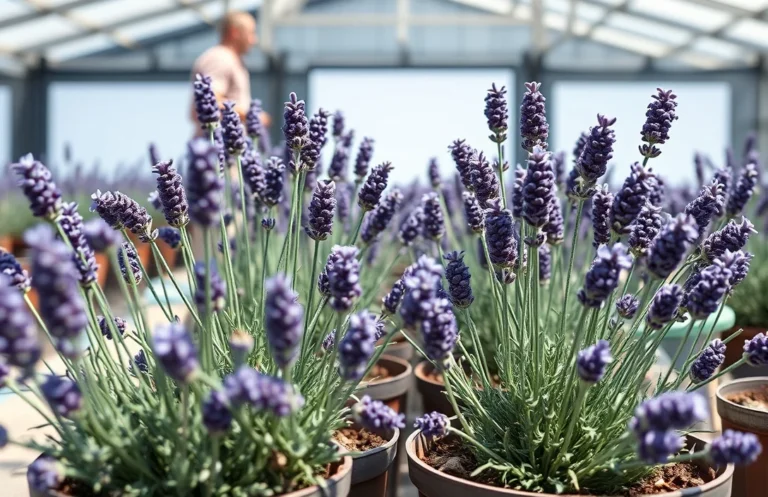
Fall Shade Flowers For Pots Explained Simply
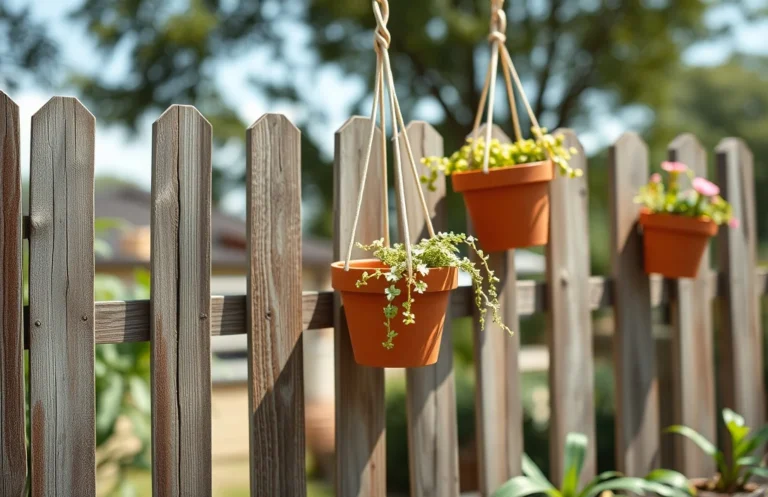
Fall is when your sun-loving containers start fading, often right as nights cool down and days get shorter. If your porch or patio is shaded, you can still get color in those pots without stressing plants in the heat. This guide covers fall shade flowers for pots, what to know first, and how to choose plants that keep blooming as light drops.
Fall shade flowers for pots are plants that keep flowering in low light conditions during autumn, when temperatures are cooler and days are shorter. For reliable color in US fall shade, pick sturdy container flowers that tolerate partial shade, water consistently, and refresh with compact varieties as blooms slow.
Key Takeaways
- Know your light level. True shade often means 0-2 hours of direct sun, while partial shade is 3-6 hours.
- Choose container-ready plants. Pick compact cultivars suited to pots so roots fill the space without staying waterlogged.
- Plan for cooler weather. Many fall blooms prefer mild temperatures and fade during heat spikes.
- Use the right potting mix. A breathable mix and drainage holes prevent root rot in cool, damp weather.
- Water consistently. Check moisture 1-2 times per week, since shaded pots dry slower.
- Expect a timing shift. Some flowers bloom best in early fall and slow when days get very short.
What to Know About fall shade flowers for pots
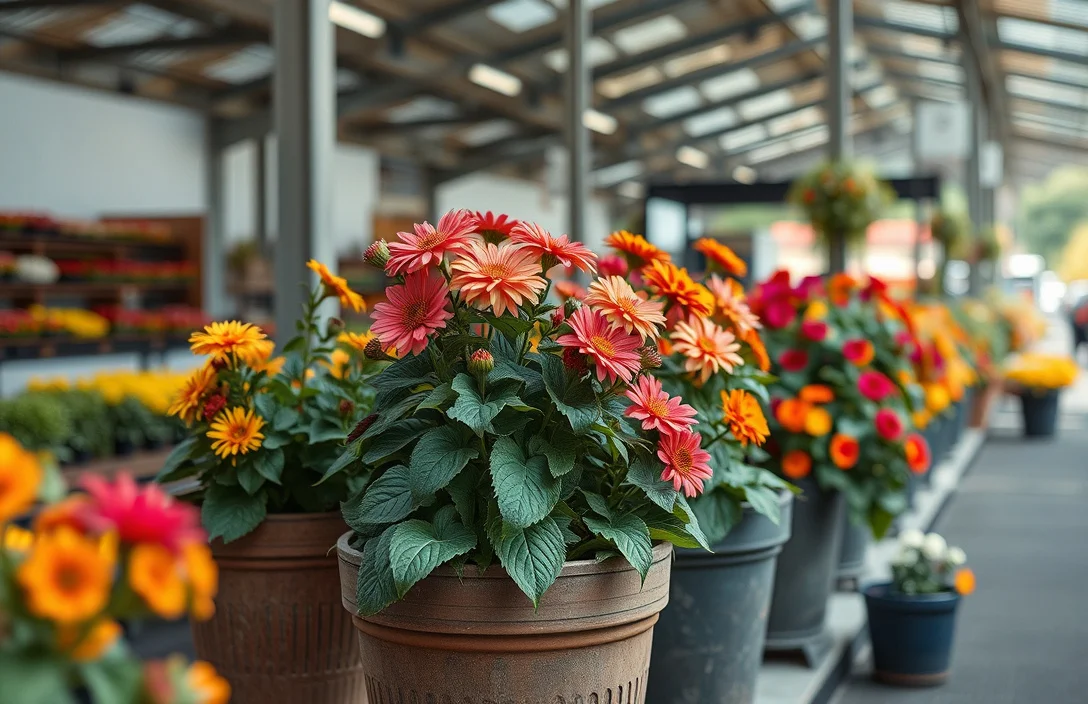
“Fall shade” usually has more to do with your container’s sun hours than the calendar. A porch corner that looks dark to you can still receive bright, indirect light, and many fall flowers will bloom in that. If you can, watch the spot for a full day. Morning sun, filtered light, and a few hours of direct sun change plant choices more than almost anything.
Temperature swings also matter. By mid to late fall in many US regions, nights cool quickly and shaded areas stay cooler and hold onto moisture longer. That can suit cool-season flowers, but it also increases the risk of fungus and root problems when the potting mix holds too much water.
Container gardening changes the “rulebook.” In-ground plants spread out and buffer moisture swings, but potted plants live within one limited volume. Your soil mix, pot size, and drainage determine how fast the roots get oxygen and how quickly excess water clears.
Shade can shift even during autumn. Late-summer foliage can block sun, then leaves drop and the pattern changes. When you swap summer containers for fall, recheck sun exposure after fall leaf drop so you don’t accidentally plant for “shade” that becomes brighter earlier.
Things that matter most
Match each plant to the light it will actually get. For containers, partial shade and full shade are the practical categories, but bloom behavior is the real test. If a plant stalls or won’t bud after a couple weeks, it usually needs more light or better conditions, often water and drainage first.
Root space and pot size decide how forgiving your setup is. Smaller pots dry faster, but they can also over-stress plants if you get a few hours of sun and then a rapid cool-down. Larger pots hold moisture longer, which can help in fall, but only if drainage is excellent so roots aren’t sitting in cold, wet mix. If you want long fall color, choose a pot size that lets the plant keep growing instead of one that forces frequent watering.
Set your potting setup up to drain and breathe. Use high-quality potting mix (not garden soil) that drains well but still holds enough moisture for shaded conditions. In fall, overwatering is easy because shaded pots feel cool, stay visually damp, and tempt you to water “just in case,” even when the roots need air.
Fertilizing gives you another lever, but keep it steady. Many fall flowers do well with a light feed every few weeks (or a controlled-release feed at planting) because container nutrients wash out more than they do in beds. Overfeeding pushes foliage at the expense of blooms. Aim for consistent, moderate nutrition, not big spikes.
Plan for staggered replacements. Many fall container flowers bloom best in early fall, then slow as temperatures and day length drop. For steadier color, plant a first round for early fall and add a second round to carry you deeper into the season.
Tips for fall shade flowers for pots
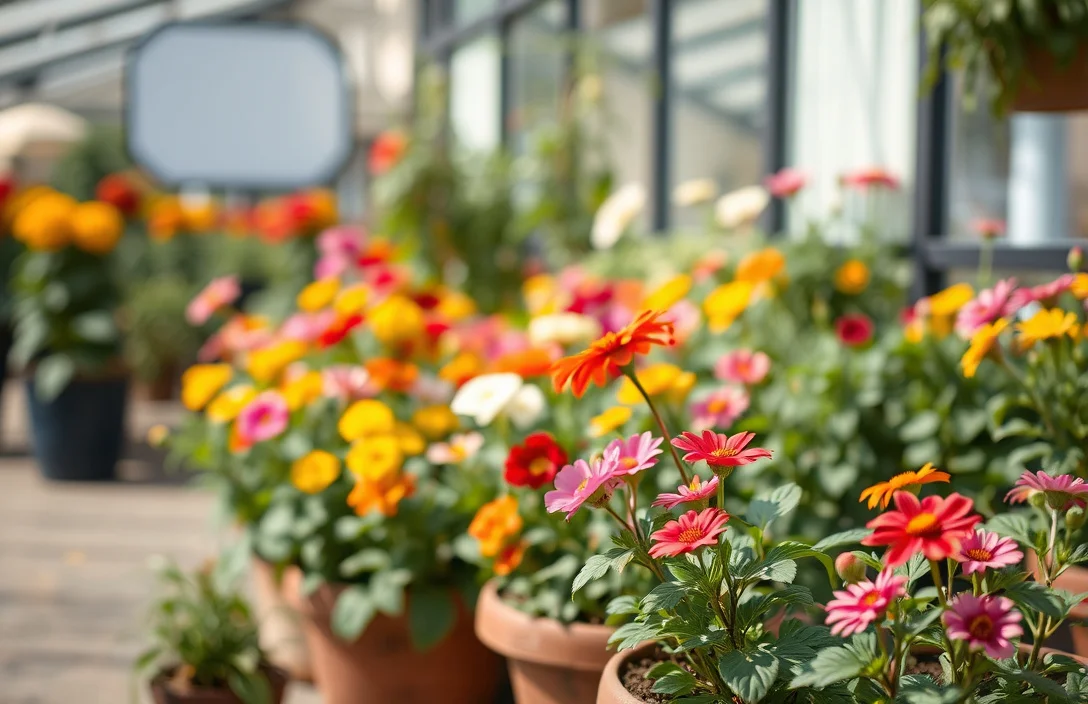
Measure light the way the plants experience it, not how the area looks. Use a simple reminder to check at midday and note whether you see direct sun on the pot at any point. When you’re unsure, treat the spot as partial shade first. It’s easier to move plants to more light than to fix weak flowering after roots settle.
For fall shade pots, prioritize compact or trailing varieties. Compact plants fill the pot reliably and still look tidy when bloom slows. Look for “compact,” “dwarf,” or “for containers” on the plant label.
Watering is the most common problem in shaded containers. Because shaded pots dry slower, check moisture before watering. Push your finger into the top inch of the mix. If it feels cool and damp, wait. If it’s dry at the surface, water thoroughly until you see drainage, then empty any saucer if your pot drains into one.
Feed lightly and on schedule. Follow the label for containers and don’t keep increasing the dose because the pot looks “hungry.” A moderate nutrient routine supports bud formation without pushing watery, weak growth.
Deadhead and clean up spent blooms. Many fall flowers keep producing longer when you remove faded flowers, especially on types that keep making new blooms from fresh growth. You don’t need to be obsessive, but a quick tidy every week or two can extend the display.
Watch for “shade drift.” Wind, falling leaves, and nearby plants can change sheltering overnight. Check new growth after weather shifts, and reposition pots if you suddenly get unexpected morning sun or deeper shade than usual.
Benefits of fall shade flowers for pots
Fall shade flowers keep color when many summer containers are finished or declining. Swapping in cool-season plants lets you refresh the look without tearing everything out at once, saving money and effort while keeping your porch or entry looking planned instead of transitional.
They also solve the practical problem of “nothing blooms in shade” without buying lighting solutions. Many cool-season flowers, especially container-bred ones, handle partial shade well. With the right choices, you’ll still see buds and repeat flowering even when your sun hours are limited.
Potted plants are often easier to manage in fall than in-ground beds. If something struggles, move the pot to a slightly brighter spot or under shelter from heavy rain. That flexibility matters in autumn, when storms and cool damp weather can change conditions fast.
Pots give you design control. You can build color blocks, line a walkway, or repeat one color theme across multiple locations. In fall shade, this kind of repetition often looks more intentional than planting one large bed patch that doesn’t perform.
Pollinator support is a bonus, depending on what you plant. Many cool-season blooms still offer nectar late in the season, which can help local insects when food is scarcer. If you care about wildlife as well as appearance, this is a real reason to keep planting.

Helpful pick
3 Pack Plant Umbrellas for Outdoor Plants – Adjustable Height Garden Umbrella Shade for Potted Plants Garden Beds Flower Pot, Provide Shade to Defend Plants from Blazing Sun, Upgraded Larger Size
Provides adjustable shade to protect fall containers, helping color stay vibrant as you swap in cool-season plants.
Options for fall shade flowers for pots
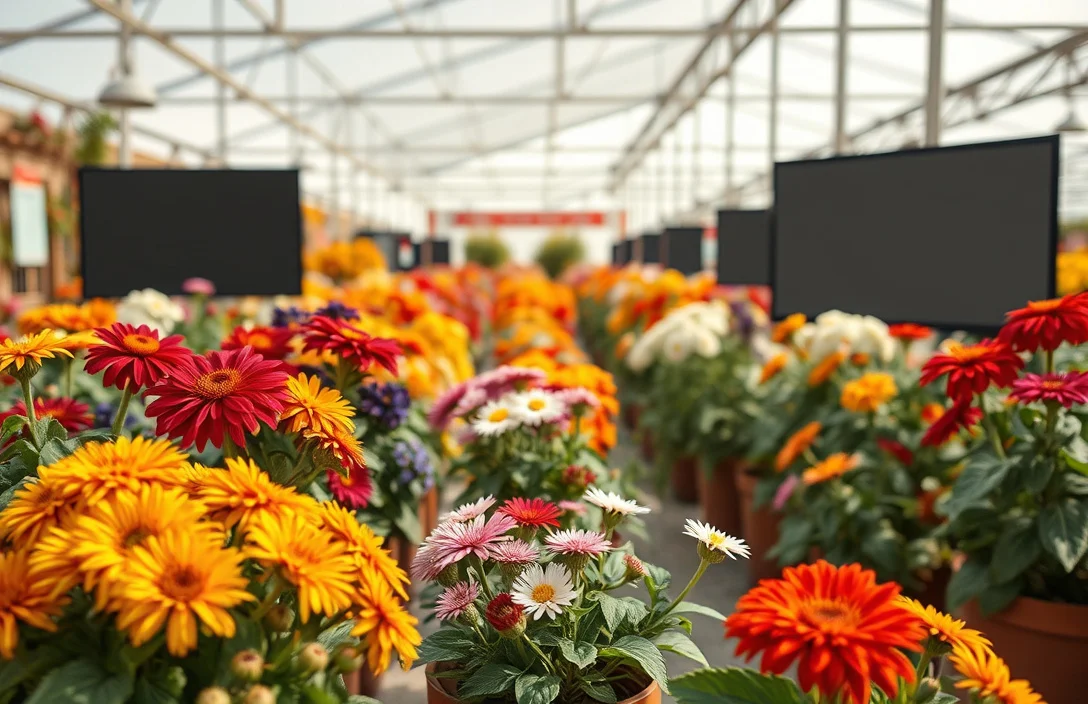
Your best options depend on whether your spot is partial shade or full shade. A few hours of direct sun or at least bright light expands your choices. True deep shade needs plants that tolerate low light and don’t rely on strong direct sun to flower.
A practical strategy is to choose one “core” flowering plant and add foliage for structure or different bloom timing. If one plant slows down mid-fall, the pot still looks full and intentional.
Container-friendly options that commonly work in US autumn shade include:
| Plant (typical fall container use) | Light fit | Best for | What to watch |
|---|---|---|---|
| Pansies and hardy violas | Partial shade to some shade | Reliable winter-ish color | Overwatering in cool, damp shade |
| Cyclamen (especially for cool areas) | Partial shade to bright indoor-like shade | Long-lasting blooms in cool weather | Don’t let tubers sit in soggy mix |
| Primrose (some types) | Partial shade | Spring-leaning color that can start in fall | Needs consistent moisture, not soggy soil |
| Kale and ornamental cabbage (as “flowering” foliage) | Sun to part shade | Long-lasting structure | Can get leggy if light is too low |
| Heuchera (coral bells) | Partial shade | Colorful foliage when flowers slow | Crown rot if kept too wet |
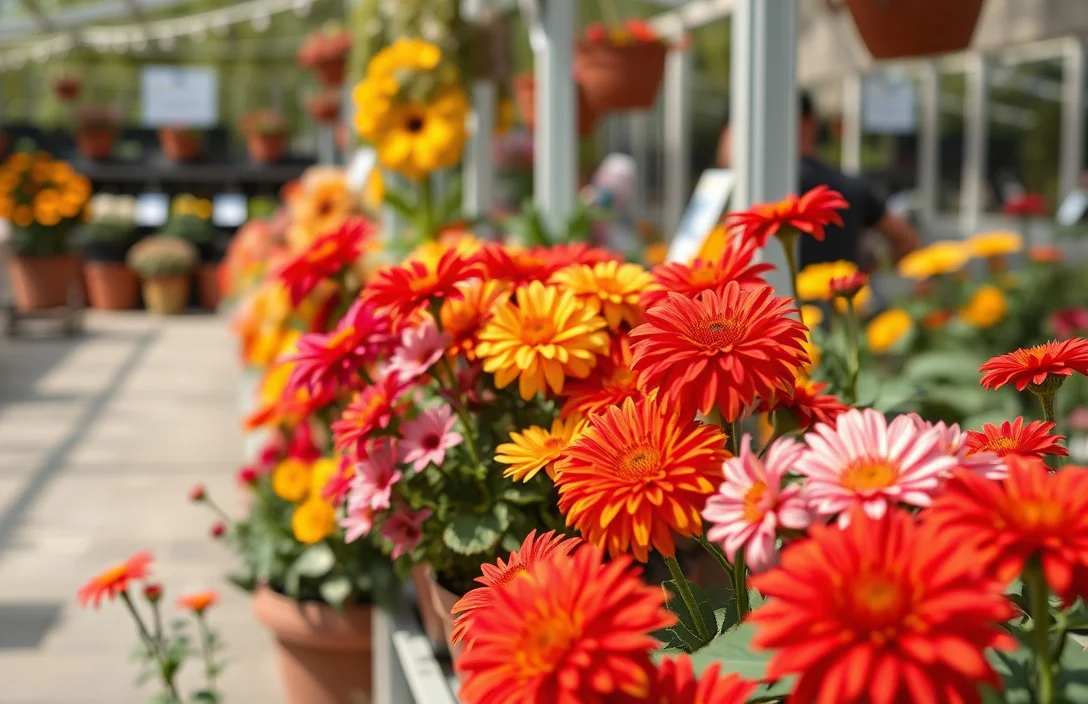
| Mums (choose container-friendly types) | Partial shade to sun | Traditional fall color | Heat spikes and dry potting mixes can stress them |
| Camellia japonica? (where hardy) | Shade-tolerant landscape choice | Late season interest in mild areas | Hardiness varies by region, not all are container-ready |
Hardy mums are common and beautiful, but they can be finicky in shade-heavy spots with low airflow. In cool, damp conditions, prioritize well-draining pots and avoid overcrowding.
For an easy rule of thumb, start with pansies or violas for dependable fall color in shade. Then build with foliage plants like heuchera or cool-season brassicas so the pot stays attractive as flowers taper.

Helpful pick
Garden Umbrellas for Plants, 4 Pack 30″ Large Plant Umbrellas for Outdoor Plants Flowers, Plant Shade Umbrella with Stake for Potted Plants, 43.3″ Height Plant Sun Shade Cover UV Protection
These large, stake-supported plant umbrellas provide adjustable shade for sun-warming fall pots.
Expert Advice on fall shade flowers for pots
The best “expert” move treats shade as a system: light, airflow, and water work together. In fall shade, the biggest hidden enemy is root conditions. When shaded containers stay wet and cold, the mix holds less oxygen, and roots struggle to absorb water and nutrients.
Use a pot with drainage holes and breathable potting mix. If you’ve dealt with fungus gnats, mildew, or mushy stems in containers before, upgrade the mix and avoid saucers that trap water. In deep shade, airflow matters too. Don’t pack the pot so tightly that foliage stays damp for long stretches.
Set your bloom expectations based on season timing. Many fall-blooming flowers are cool-season performers, but the strongest flowering usually comes when daytime temperatures are mild and nights are cool. If your area stays warm into late fall, plan for an “early fall bloom window” and be ready to refresh plants as conditions change.
Deadheading and tidy pruning direct energy toward new buds. In containers, roots are confined, so spent flowers matter. Removing them helps plants keep producing instead of shifting into seed.
Follow label light directions, but translate them for pots. Tags often assume in-ground conditions where plants handle stress better. In a container, a plant labeled “full sun” can still grow in shade, but it may stall or bloom less. If you want visible flowers in fall shade, choose varieties described for part shade or for container light tolerance.
Keep maintenance reality in mind. The best fall shade pot is the one you can actually keep watered and cleaned. If you can check moisture weekly, choose plants that prefer consistently moist conditions. If you tend to miss waterings, pick varieties that tolerate slight dryness and use a pot size that reduces moisture swings.

Helpful pick
LCHUANG 4Pack Plant Umbrellas for Outdoor, 24inch Plant Shades for Outdoor with Durable 39.5” High M-Shaped Plug for Stronger Wind Resistanc Flower, Potted, Garden Beds
These plant umbrellas shade pots, reducing heat and excess moisture, supporting healthier roots in fall shade.
Examples: fall shade flowers for pots
Use this simple porch-pot recipe for a shaded spot: pansies or hardy violas as the main color, heuchera for foliage contrast, and a few cyclamen plants if your area stays cool and avoids harsh afternoon sun. This mix keeps visible blooms while maintaining interest if flowering slows in mid-to-late fall.
For a larger display, use one pot about 14 to 18 inches wide and plant in clusters rather than one uniform grid. Clusters fill out faster and help create a steadier microclimate around the roots. Keep the mix airy, and water thoroughly after planting so roots make good contact.
When deep shade cuts down blooms, switch the goal from “more flowers” to “more structure.” Use ornamental cabbage or kale for bold texture and pair it with heuchera for long-lasting color under low light. Then add a smaller number of shade-tolerant flowering plants to punctuate the look instead of relying on nonstop bloom.
For a second approach, stagger plantings across two pots. Pot A gets your quick-blooming cool-season flower mix planted early in fall. Pot B gets your foliage-heavy structure planted slightly later, so when Pot A slows down, Pot B carries the visual interest. The result looks intentional without constant repotting.
If you want a softer, more “natural” edge, choose a trailing or spilling plant for the rim. Pair it with upright bloomers in the center so the container reads as one design. Just avoid trailing plants in mixes that stay wet, since shaded pots hold moisture longer and edges can collect water.
FAQ
What are the best fall shade flowers for pots in the US?
Pansies and hardy violas are often the most dependable choice for shaded or partially shaded fall containers. They hold up in cool weather and keep producing color as temperatures drop. For extra interest when flowers slow, pair them with foliage plants like heuchera.
How much sun do fall shade flowers for pots need?
Most fall container bloomers do best in partial shade, roughly 3-6 hours of light, sometimes with bright indirect light even when direct sun is limited. True full shade spots (near 0-2 hours of direct sun) can still work, but you should expect fewer flowers and more reliance on foliage structure. Watch performance over 1-2 weeks to confirm the fit.
How often should I water fall shade container flowers?
Water based on the mix, not the calendar. In shade, check moisture 1-2 times per week, then water thoroughly only when the top inch feels dry. Overwatering is a common failure mode in cool fall shade because the pot stays damp longer and roots need oxygen.
Are fall shade flowers safe to plant near pets?
Many common container flowers are only mildly risky, but it depends on the exact plant. For example, pansies and violas are popular ornamentals, while some other common fall plants can be harmful if chewed. If you have curious pets, check the specific plant’s toxicity and keep pots out of reach.
What’s the most common mistake with fall shade flowers in pots?
Planting into a mix that stays too wet, then watering on a schedule without checking moisture. In shade, slow drying hides excess moisture until roots struggle. Use a breathable potting mix, make sure drainage holes work, and empty saucers if they collect water.

- 10 Best Slow Cooker For Quick Preparation 2026 (Tested And Reviewed) - October 18, 2026
- 10 Best Slow Cooker For Family Meal Preparation 2026 (Tested And Reviewed) - October 18, 2026
- 10 Best Slow Cooker For Freezer Meal Preparation 2026 (Tested And Reviewed) - October 18, 2026