Growing Herbs In Small Pots Explained Simply
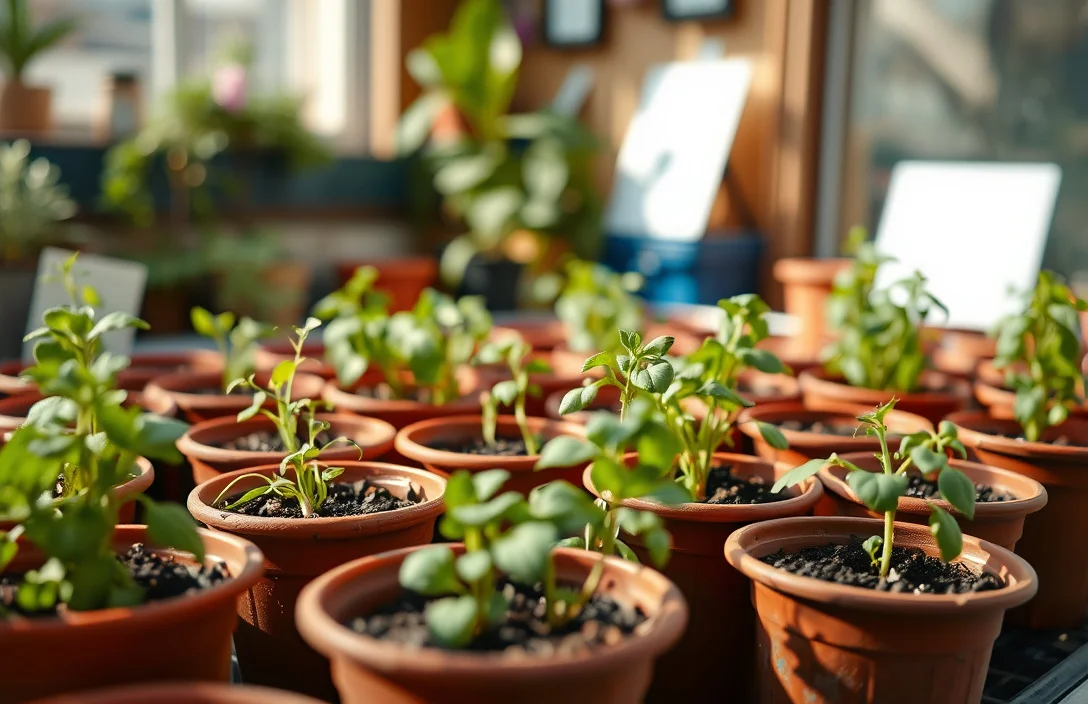
Growing herbs in small pots works, but only if you match the plant to the container. In a tiny pot, your herb’s biggest problems are root crowding, uneven moisture, and fast-draining soil. Pick the right herbs, then control pot size, drainage, and light. With that setup, even a windowsill or patio can produce steady harvests instead of patchy, stressed growth.
Small-pot herbs are easiest when you choose container-friendly varieties and you stay consistent with three variables: pot size, drainage, and light. For most kitchen herbs, start with at least a 4-inch pot (about 1/2 gallon or less), use a well-draining mix, and place the pot where it gets 4 to 6 hours of direct sun – or the closest indoor equivalent with a grow light. Water only when the top soil dries.
Key Takeaways
- Pick tough herbs first. Parsley, basil, mint, and thyme handle pots better than long-rooted plants.
- Use bigger than you think. A 4-inch pot beats tiny “starter” cups for staying power.
- Drainage is non-negotiable. Always use pots with drainage holes plus a saucer to catch runoff.
- Light drives everything. Aim for 4 to 6 hours of direct sun, or supplement indoors with a grow light.
- Water by soil, not a clock. Check daily in heat, less often in cool weather.
- Feed lightly and often. Use diluted fertilizer, because small pots have fewer nutrients available.
What Works
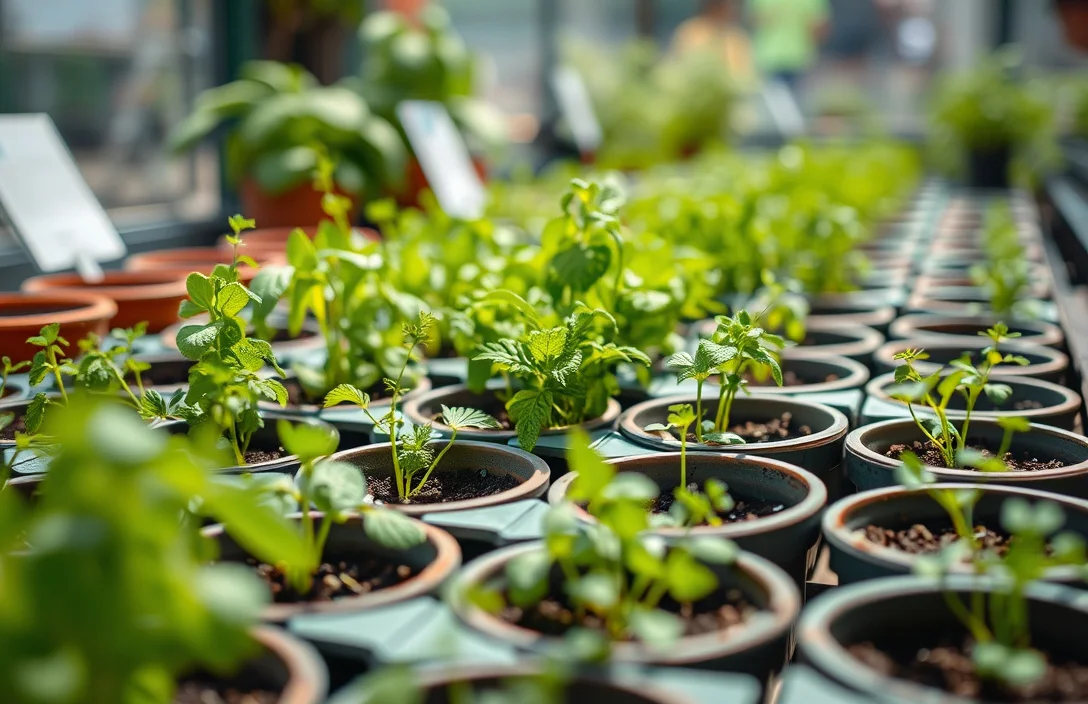
Small pots work because many herbs stay compact and you harvest often, which encourages new growth. The limitation is simple: tiny containers dry out and lose nutrients faster than ground soil. Keep the fundamentals steady and you can get reliable kitchen herbs in limited space.
The difference between “cute but struggling” and “always usable” is your setup. Use a pot that drains well, a mix that doesn’t turn into mud or dust, and strong light. Then harvest often enough that the plant doesn’t sprawl and block its own light.
Here’s the approach I recommend for most households:
- Choose herbs that tolerate frequent harvest and shallow root volume.
- Use a pot with drainage holes and a saucer (so water can exit).
- Keep a simple routine: check moisture, trim growth, and feed lightly.
Which Herbs Thrive in Limited Root Space
The easiest herbs for small pots are the ones that stay relatively compact and handle repeated trimming. Prioritize herbs that regrow after harvest and avoid plants that normally want deeper space.
Best choices for limited root space
- Basil. Works well in a pot if you keep it warm and give it steady light. Harvest the top often to prevent legginess.
- Thyme. One of the most forgiving options, especially for sunny windows. It prefers drier conditions than basil.
- Parsley. Does well in containers when the soil stays evenly moist and drains well.
- Chives. Grows slowly and stays tidy; regular trims trigger fresh growth.
- Mint (with a container-only rule). Mint grows aggressively, so small pots help contain it. Plan on frequent harvesting so it stays productive instead of sprawling.
Possible, but more temperamental
- Cilantro. Bolts quickly in heat. A slightly cooler window or partial shade can slow it down, but you’ll usually plant in succession.
- Oregano. Often does fine, though it can look sparse in very low light.
Usually frustrating in tiny pots
- Rosemary. It outgrows small containers over time and hates wet feet. It can work in a larger pot with excellent drainage, but it often disappoints in very small setups.
- Dill. Dill wants more room and gets leggy fast. If you try it, harvest early and keep expectations modest.
A quick planting rule: an herb that tastes great will punish the care mistake you make most often. In small pots, basil and parsley need more consistent moisture, while thyme and oregano do better when the soil dries a bit between waterings.
Best Soil Mix and Pot Size for Herbs
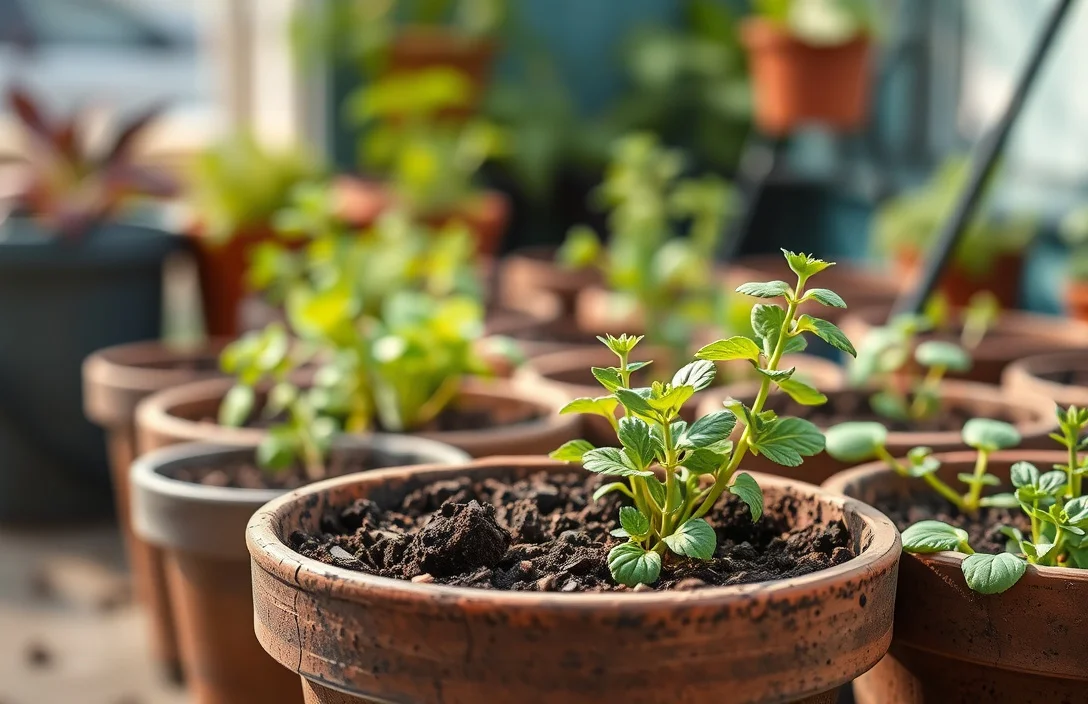
Use a soil mix that drains well but still holds enough moisture to prevent constant drying. In containers, “too much water retention” is just as damaging as “too fast to dry,” because roots need oxygen as well as water.
For most herbs, start with a potting mix that includes peat, coir, or similar organic matter, plus mineral material for airflow (perlite and/or small bark pieces). Avoid straight garden soil in pots. Garden soil compacts in containers, which reduces oxygen around the roots.
Pot size that actually behaves
Small pots dry out fast, so bigger is usually better unless you’re growing something only briefly. A practical starting point:
| Herb type | Pot size to start | Why it works |
|---|---|---|
| Leafy herbs (basil, parsley, chives) | 4 to 6 inches | Enough volume for consistent moisture and regrowth after cutting |
| Tougher herbs (thyme, oregano) | 4 inches minimum | Helps excess water drain and reduces soggy roots |
| Mint (contained) | 6 inches if possible | More stable moisture, still manageable size because mint spreads |
If you’re using very small “starter” pots, upgrade soon. A 2-inch pot can grow herbs for a short time, but it won’t buffer swings: the soil can go from dry to saturated within a day.
Drainage details that matter
Even the best mix fails when the pot doesn’t drain. Use pots with drainage holes, and empty saucers after watering. If water sits in the saucer for long periods, roots stay too wet and you’ll start chasing symptoms like yellowing leaves and fungus gnats.
How Much Light Do Small-Pot Herbs Need
Light is the limiting factor in most small herb setups, especially indoors. Low light leads to legginess, slower regrowth, and more disease pressure because the plants stay weak and airflow drops.
For outdoor containers on a patio or balcony, most kitchen herbs do well with 4 to 6 hours of direct sun. If your window is bright but not sunny, expect slower growth and plan on supplemental lighting if you want frequent harvests.
Indoors, placement matters as much as total light. In the US, a south-facing window is often the best starting point, but winter angles can still be weak. Rotate pots every few days so one side doesn’t outgrow the other.
If you use a grow light, go for strong, close illumination. A weak light from across the room usually produces “survives but doesn’t thrive.” Use a stronger light placed appropriately and run it on a timer.
Harvesting depends on light too. Frequent cutting means the plant must regrow, and regrowth requires energy from light. When light is low, overharvesting can stall growth.

Helpful pick
PERFNIQUE Indoor Herb Garden, Herb Planter Set with Tray, Farmhouse Indoor Plant Pots, Windowsill Herb Garden with Drainage(Planter only) for Indoor/Outdoor, Window Pots(White)
A window-sill herb garden concentrates light indoors, with drainage and tray help keep herbs healthy in small pots.
Watering Schedule for Container Herbs
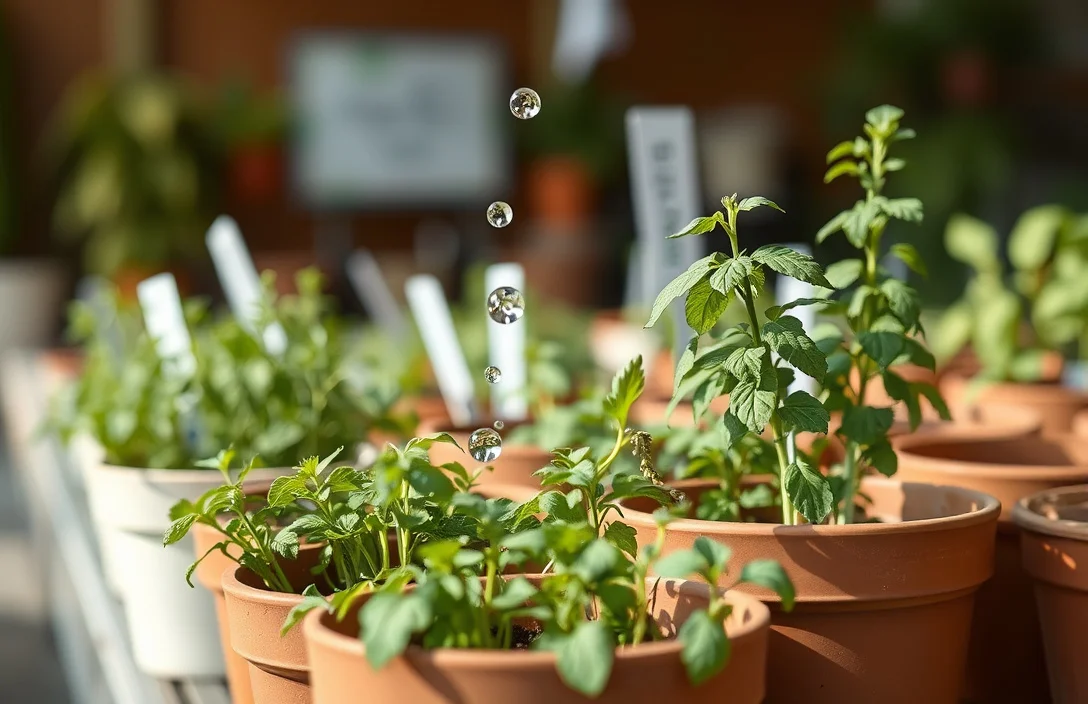
A watering schedule only works when it matches what the soil is doing. In small pots, sun and weather change moisture quickly, so “every 2 days” becomes a common failure.
Check by feel instead:
- Stick your finger into the soil to about the first knuckle.
- If the top inch feels dry, water until liquid drains from the bottom.
- If the soil still feels cool and moist, wait and check again later.
In warm, sunny weather, many small herb pots need watering daily or near-daily. In cooler seasons, growth slows and evaporation drops, so watering may be only a few times per week. Consistency matters more than frequency.
Water the soil, not the leaves. Wet foliage invites fungal problems, especially in humid conditions or when pots are crowded. If you see leaves staying damp or plants packed too tight, spacing and airflow usually fix the issue.

Helpful pick
Keter Urban Bloomer 12.7 Gallon Raised Garden Bed and Outdoor Herb Garden Planter with Self Watering Gauge and Drainage Plug, Dark Grey
Gives you a built-in water gauge to monitor soil moisture, helping adjust container watering accurately.
Signs you’re watering wrong show up quickly in containers:
- Too dry: wilting that rebounds quickly, crispy leaf edges, and slow regrowth after trimming.
- Too wet: yellowing leaves, a sour smell from the soil, and fungus gnats hovering around the pot.

Helpful pick
Barnyard Designs Indoor Herb Garden Planter Set with Tray, Metal Windowsill Plant Pots with Drainage for Outdoor or Indoor Plants, Set/3 (White)
Helps prevent overwatering and under-watering by ensuring proper drainage for your herbs in containers.
Fertilizing Mini Herb Pots Without Burning
Small pots hold less nutrient reserve, so herbs run out of food faster. Over-concentrated fertilizer in a tiny container can also burn roots – especially when the soil stays too wet.
Use a gentle feeding routine. With water-soluble fertilizer, dilute to a lower rate than the label and feed when the plant is actively growing (spring through summer). With granular or slow-release products, pick options intended for container plants and avoid overdoing it.
A safe rhythm for most herbs in small pots:
- Start feeding after the plant is established and growing strongly.
- Feed lightly, then adjust based on leaf color and growth.
- If you see brown, scorched tips or sudden wilting after feeding, flush the soil with plain water and reduce fertilizer strength next time.
Watering affects fertilizing too. If the soil is very dry, water first – then fertilize. Fertilizer on dry roots is more likely to cause problems.
A practical habit: every couple of weeks, do a “light flush” by running plain water through the pot (with full drainage). This helps reduce salt buildup from fertilizer.
Preventing Pests and Diseases in Containers
Container herb health depends on prevention: airflow, correct moisture, clean habits, and quick action when something looks off. Small pots make problems spread faster because there’s less soil volume to buffer mistakes.
Start with airflow. Don’t cram multiple pots shoulder-to-shoulder. If leaves stay wet or plants never dry between waterings, fungal issues become more likely. Space plants and water the soil to solve a lot of problems immediately.
Manage moisture carefully. Overwatering encourages fungus gnats and root stress. Underwatering weakens plants and invites pests like aphids and spider mites. Aim for evenly moist, not soggy.
Inspect weekly. Look under leaves and around new growth. Aphids cluster on tender stems, while spider mites show up as fine webbing or leaf stippling. Remove affected leaves early – it’s much easier than treating a fully infested pot.
When you need to intervene, start with the least aggressive option:
- Rinse the plant gently with water to knock off soft-bodied pests.
- Remove heavily infested leaves.
- Isolate the pot if pests are spreading.
Recurring fungus problems often mean it’s time to repot. Container soil compacts or breaks down over time, and once drainage and airflow worsen, no watering schedule can fully fix it.
FAQ
What pot size should I use for growing herbs in small pots?
For most herbs, use at least a 4-inch pot, especially if you want consistent moisture and frequent harvests. Basil, parsley, and chives usually do best in the 4 to 6 inch range. Thyme and oregano can start around 4 inches if drainage is excellent. If you’re using a tiny starter pot, plan to transplant soon.
How often should I water herbs in small pots?
Water based on soil moisture, not a fixed calendar. Check the top inch daily in hot, sunny weather and every few days in cooler conditions. Water until excess drains out the bottom, then empty any saucer so roots don’t sit in runoff. If the plant wilts and the soil is dry, water thoroughly. If leaves yellow and the soil stays wet, water less.
Do herbs in small pots need fertilizer?
Yes, but keep it light. Small volumes run out of nutrients faster, and concentrated fertilizer can burn roots. Start fertilizing after the plant is established and actively growing, and use diluted fertilizer (usually below label strength) or a container-appropriate slow-release option. Flush the soil occasionally with plain water to reduce nutrient salt buildup.
What’s the biggest mistake when growing herbs in small pots?
Overwatering driven by a “watering schedule” mindset is the most common mistake. People assume herbs need constant moisture, but containers swing quickly, and soggy soil causes stress and disease. Another frequent issue is too little light, which makes herbs leggy and weak and increases pest pressure.
Can I grow herbs in small pots indoors without a garden?
Yes. Use a bright window with 4 to 6 hours of direct sun when possible, or supplement with a grow light for consistent growth. Choose compact herbs like basil (warmth helps), thyme, chives, and parsley. Keep soil draining well, rotate the pot for even growth, and harvest regularly so the plant regrows.
Next
Pick one container-friendly herb from the list (thyme for reliability, basil for fastest kitchen payoff). Pot it in at least a 4-inch container with drainage, then place it where it gets the most sun you can actually provide. Run the “finger test” for watering for a week, and you’ll quickly see what your space needs.

- 10 Best Slow Cooker For Slow Cooking Oxtail 2026 (Tested And Reviewed) - October 16, 2026
- 10 Best Slow Cooker For Slow Cooking Venison 2026 (Tested And Reviewed) - October 16, 2026
- 10 Best Slow Cooker For Slow Cooking Turkey 2026 (Tested And Reviewed) - October 16, 2026