How To Sow Seeds In Pots?
Yes. A golf cart battery keeps accepting current after it is full, and that extra energy turns into heat and gas instead of stored charge. Flooded lead-acid packs are the most vulnerable – push them past about 2.45 volts per cell and they start boiling off water and venting hydrogen. Lithium (LiFePO4) packs are safer because the built-in BMS cuts charging at the cell limit, but a cheap or mismatched charger can still force a shutdown or trip thermal protection.
What actually happens depends on your charger. A modern multi-stage charger drops to a float voltage once the pack is full, so overcharge is unlikely. An old manual charger with a wall timer has no idea when the battery is full – leave it running overnight and you will cook the pack.
How to begin
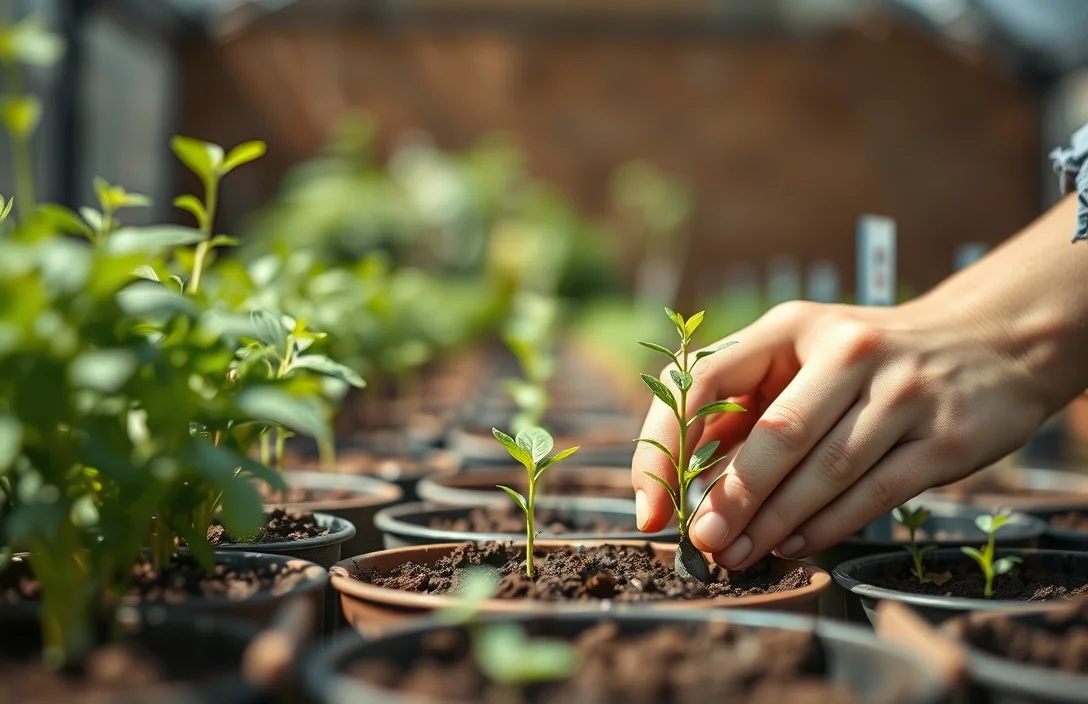
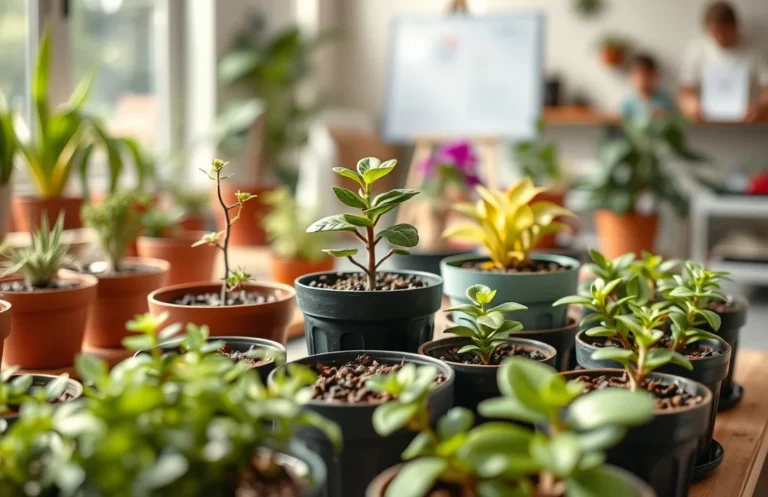
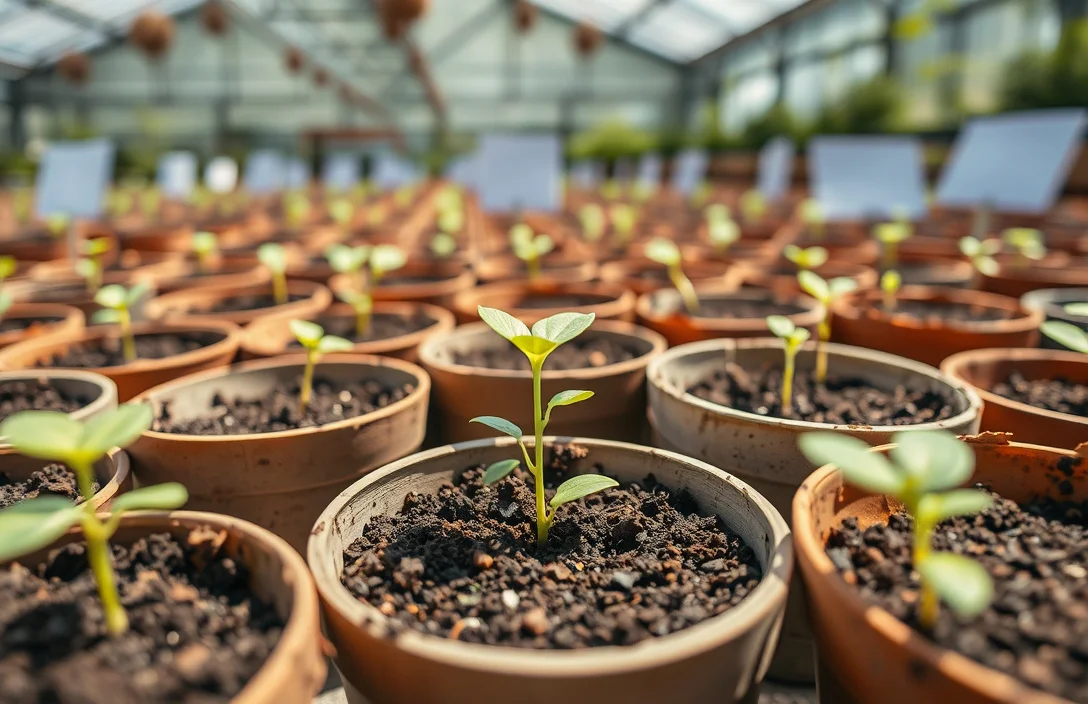
Sowing seeds in pots gets you healthy seedlings with less mess and fewer weeds than starting straight in the ground. You’re aiming for three things: steady moisture in the seed zone, proper planting depth, and fast movement to strong light once sprouts appear. When those pieces line up, transplanting becomes much easier because the roots stay compact instead of circling.
Start with a small, reliable setup so you don’t improvise mid-grow. Gather seed-starting mix, pots or trays with drainage holes, a tray or saucer for bottom watering, a spray bottle, and plant labels. If you’re starting indoors, plan on bright light or a grow light, because seedlings stretch quickly when light is weak.
Most failures trace back to the same three choices: using the wrong mix, planting too deep (or too shallow), or letting the surface dry out (or stay soggy) from day 1. Get those right, and you’ll usually see germination on schedule.
Basics of How to Sow Seeds in Pots
Seed-starting mix is the foundation because it drains well while still holding enough moisture for germination. Heavy garden soil compacts in containers, drains unpredictably, and reduces airflow around seeds. Seed-starting mixes stay lighter and more uniform, which helps roots establish quickly.
Pot size matters, but you don’t need to overcomplicate it. Cell trays work well for starting lots of seeds and then transplanting in batches. Individual small pots reduce early transplanting, especially when seedlings need more space from the start. Skip giant pots for tiny seeds – extra volume stays wet longer and raises damping-off risk.
Planting depth is the second biggest factor. Many seeds do best when covered lightly with soil about 2 to 3 times the seed’s thickness. Some seeds need minimal coverage because they germinate best with light. The seed packet tells you the right depth and whether darkness or light matters, so use it as your primary rule.
Temperature and moisture finish the job. Keep the mix consistently damp at the surface, not waterlogged. Warmth speeds germination for many crops, but each seed type has its own preferred range, so check the packet if you want timing to match reality.
How to Sow Seeds in Pots
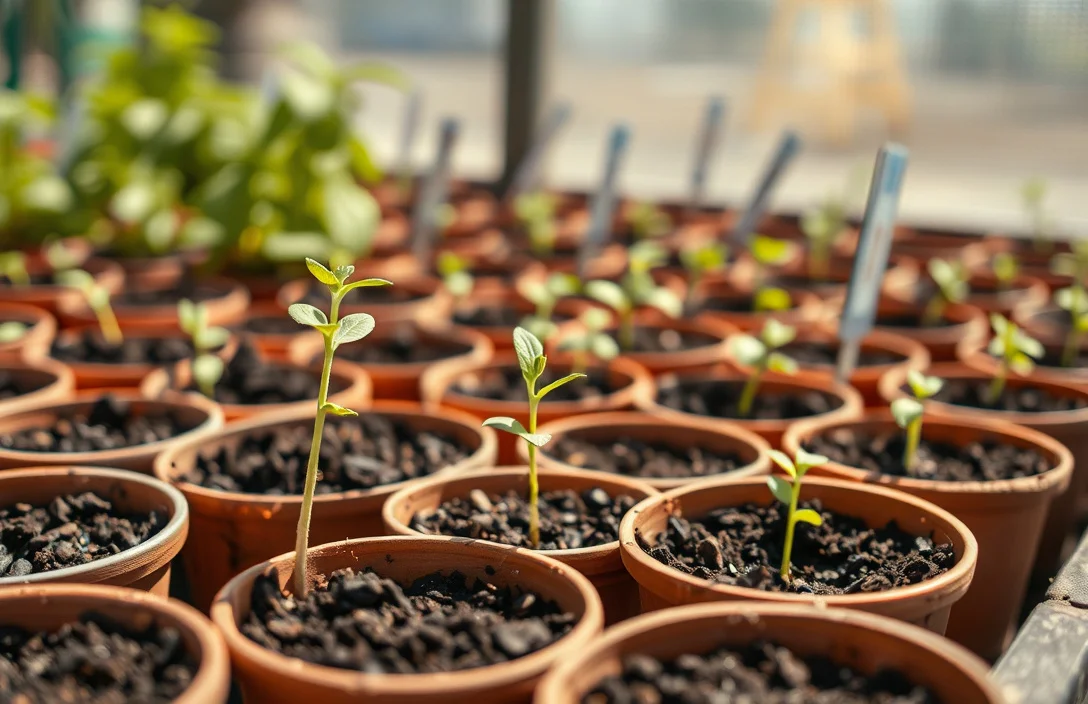
- Pick your container and fill it. Choose pots or a seed tray with drainage holes, then fill with seed-starting mix up to about 1/2 inch (1 to 1.5 cm) below the rim. Tap the container gently to settle the mix without compressing it.
- Moisten the mix before sowing. Water until it’s evenly damp. Let excess water drain so the surface stays moist but the bottom isn’t pooling.
- Label everything immediately. Write the plant name and sowing date on the pot or tray before you plant. Seedlings look similar early on, and labels prevent mix-ups later.
- Plant seeds at the right depth. Make small indentations or use your finger to place seeds, then cover lightly with mix. For many seeds, covering about 2 to 3 times the seed’s thickness is a solid starting point.
- Water the right way. After sowing, mist the surface gently or bottom-water briefly so moisture reaches the root zone without washing seeds away.
- Cover for humidity (optional). If the top dries quickly, use plastic wrap or a clear dome, but remove it as soon as seedlings emerge.
- Provide light and keep a steady environment. As soon as seeds sprout, move seedlings to bright light. Water lightly whenever the top layer starts to dry, and rotate pots so growth stays even.
If you’re starting basil and peppers indoors, germinate in a warm spot, then move them under bright light immediately when sprouts show. Waiting too long after emergence makes tall, weak seedlings that are harder to transplant and recover from.
For carrots, use a shallow strategy and expect slow progress. Keep the surface moist consistently and don’t let it dry out for days at a time – carrot seeds often take longer to break through, and inconsistent moisture delays germination.
Things that matter most
Bottom watering reduces surface crusting and prevents seeds from shifting. Instead of repeatedly soaking the top, set the pot in a tray with a small amount of water for a short time, then remove it once the surface looks evenly damp. This is especially helpful when seeds dislike disturbance.
Thin seedlings early for strength. Overcrowding forces competition for light and moisture and leads to weaker stems. When true leaves appear (not just the initial sprout leaves), thin to the strongest seedlings based on the spacing on the seed packet.
Temperature control improves consistency. In a cool home, place trays in a warm spot near a window, on top of a fridge, or use a seed-starting heat mat if you have one. If your home runs warm, watch moisture closely because warm air dries trays faster.
Light management is the make-or-break step. Seedlings stretch when they reach for light, so provide strong light right after emergence. If you use a windowsill, rotate pots daily and still expect you may need a grow light for even growth.
What works in practice
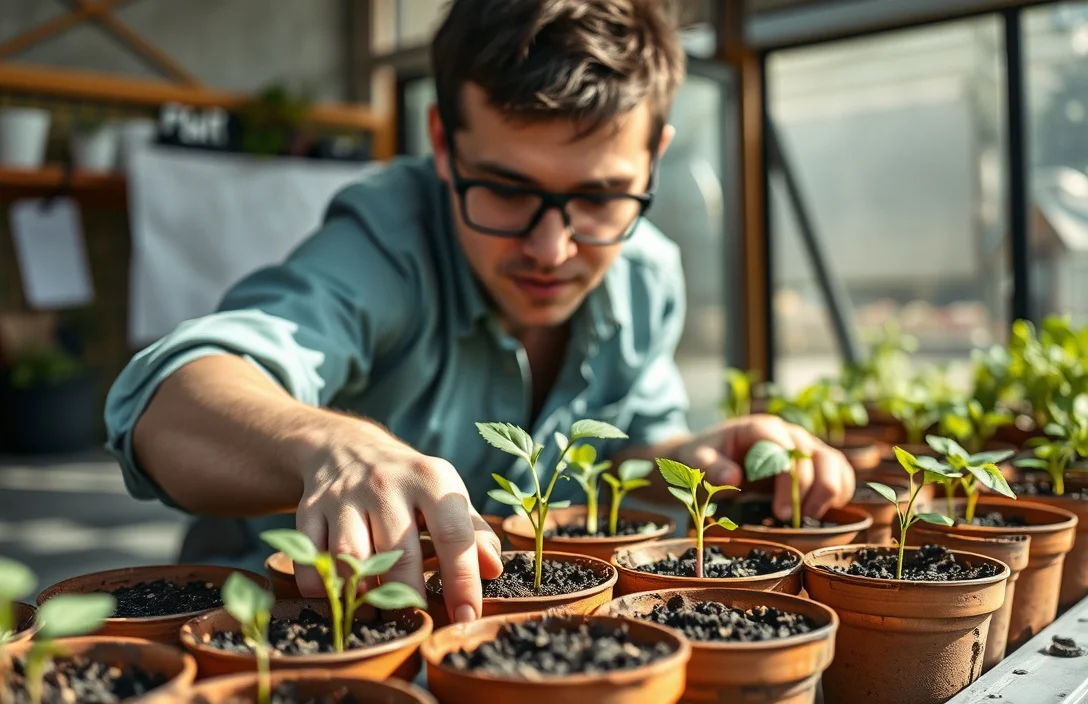
Choose seed-starting mix for starting seeds, not potting soil for established plants. Seed-starting mix drains better and stays lighter, which lowers the risk of damping-off in overly wet, poorly ventilated conditions. If you only have potting soil, use a very fine, well-draining option and water more carefully – the results won’t always match seed-starting mix.
Water with intention, not habit. A common pattern is overwatering early, then the surface dries unevenly later. Aim for even dampness, and water when the top layer starts to dry. Water thoroughly enough to re-wet the mix without leaving standing water in trays.
Keep airflow around seedlings. Stagnant air plus consistently wet mix increases disease pressure. Thin overcrowded seedlings, and don’t cram trays together on a shelf if humidity is high.
Track dates with labels. Write sowing dates and watch the germination range on the seed packet. When germination runs late, you can adjust depth, warmth, or watering instead of guessing.
| Container type | Key spec to look for | Best for |
|---|---|---|
| Seed-starting cell tray | Drainage holes and individual cells | Starting many seeds with minimal transplant shock |
| Peat or coir pots | Plantable container + drainage | Easy transplanting for crops that dislike root disturbance |
| Small individual pots | 1 seed per pot, drainage holes | Reducing early transplanting and tracking growth |
| Reused containers (w/ holes) | Thoroughly cleaned, drainage holes | Budget-friendly option if you can prep reliably |
Mistakes to Avoid with How to Sow Seeds in Pots
Overwatering is the top mistake because it reduces oxygen in the mix and invites disease. If the mix smells sour, stays soggy, or develops fuzzy growth on the surface, cut back on watering immediately and improve drainage and airflow. Seeds need moisture – they don’t need a swamp.
Planting too deep can also tank results. Some seeds can germinate from deeper soil, but emergence slows and failure rates increase when seeds are buried beyond what they can reliably push through. When you’re unsure, follow the packet depth first, then adjust next batch.
Garden soil in pots often causes trouble. It compacts, holds water longer, and can introduce pathogens or weed seeds. Seed-starting mix is made for this job, and the difference shows up in more even germination.
Waiting too long to provide light leads to leggy seedlings. Even a week of weak light can produce tall growth that later bends or breaks. If seedlings emerge pale and stretched, prioritize light immediately and consider gentle support if needed.
Mixing up varieties is another frequent problem. Without labels, you end up thinning the wrong seedlings or discarding viable ones. Label before you sow – it takes 30 seconds and saves hours.
Pro Tips for How to Sow Seeds in Pots
Start with fewer seeds per pot than you plan to grow, then do repeat sowings. This cuts down overcrowding and gives you more uniform growth. It also helps if germination is uneven, which happens even under good conditions.
Use gentle consistency watering. If the top dries fast, mist lightly more often instead of waiting until the mix is fully dry. Once a tray completely dries out, seeds can lose the moisture needed to keep germinating, and you’ll often see uneven emergence.
For crops that need steady moisture (many small-seeded vegetables), a clear humidity dome or plastic wrap early can help. Remove the cover as soon as seedlings emerge, because damp, covered conditions reduce airflow and can trigger fungal problems.
Rotate pots every day or two to prevent leaning. Small changes in light direction build up fast in seedling growth, and rotation helps you end up with compact plants instead of one-sided stems.
If seeds don’t sprout, troubleshoot the basics: depth, moisture, warmth, and whether the seeds are viable. If seedlings sprout but collapse at the soil line, improve airflow and reduce watering frequency, then switch to fresh seed-starting mix next time if the problem repeats.
FAQ
How deep should seeds be planted in pots?
Most seeds should be covered lightly with soil about 2 to 3 times the seed’s thickness. Smaller seeds often need only a dusting, while larger seeds can handle deeper placement. Always check the seed packet, because some seeds need light to germinate and should not be buried.
Do I need seed-starting mix, or can I use regular potting soil?
Seed-starting mix is strongly preferred because it drains better and is lighter, which improves germination and reduces damping-off risk. Regular potting soil can work in a pinch, but it may be too heavy for tiny seeds and can stay wet longer in small containers. If you use potting soil, water more carefully and ensure excellent drainage.
How long does it take for seeds to germinate in pots?
Germination timing varies widely by crop and temperature. Some seeds sprout in a few days, while others can take 1 to 3 weeks or longer, especially in cooler conditions. If germination is slower than expected, verify warmth, moisture level, and that the seeds match the correct planting depth.
What’s the safest way to water seedlings in pots?
Water so the mix stays evenly damp, not soggy. Use a spray bottle for the surface or bottom-water for small trays to avoid washing seeds or disturbing sprouts. Check the top layer regularly, and water when it starts to dry, then drain any excess.
What should I do if seedlings are getting leggy?
Leggy seedlings are usually a light problem caused by insufficient brightness after sprouting. Move them to stronger light immediately and rotate pots daily so they grow evenly. If the stems are very weak, you can gently reposition them in fresh mix, but prevention starts with improving light first.
A practical next step: grab your pots with drainage holes and seed-starting mix, then do one small test sowing today (label everything). When the first sprouts show up, switch to bright light and consistent, gentle moisture. You’ll dial in your setup before committing to a full batch.

- 10 Best Slow Cooker With Cool Touch Handles 2026 (Tested And Reviewed) - October 22, 2026
- 10 Best Slow Cooker With Quality Construction 2026 (Tested And Reviewed) - October 22, 2026
- 10 Best Slow Cooker With Premium Construction 2026 (Tested And Reviewed) - October 22, 2026