How To Clean Aroma Rice Cooker Lid?
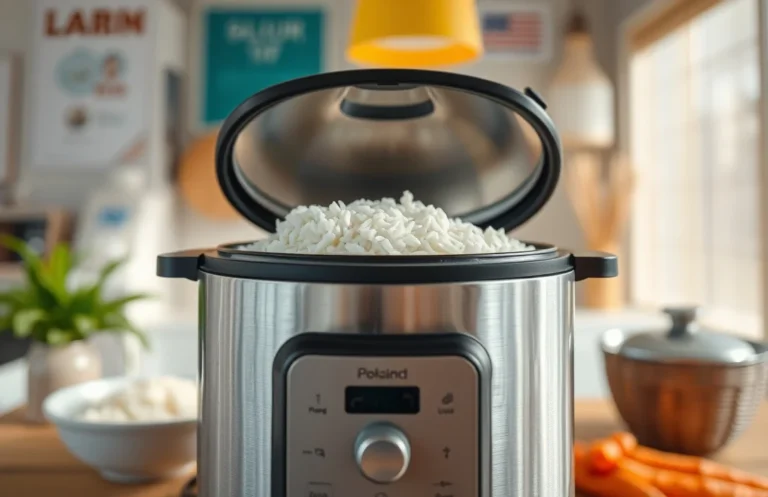
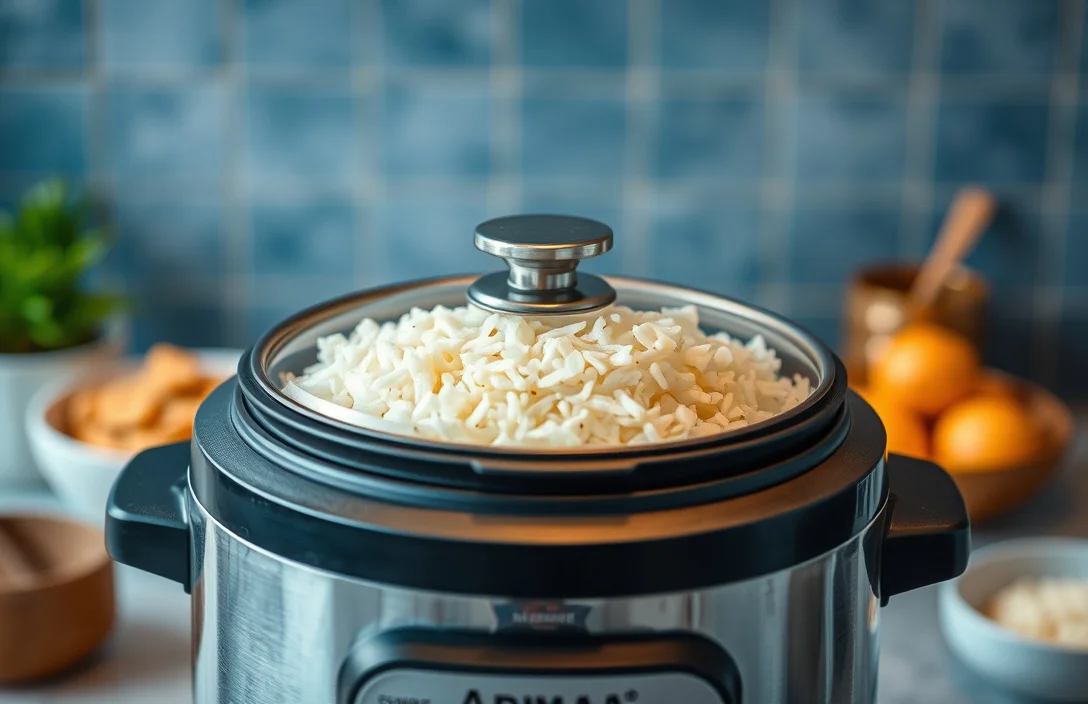
A sticky, smelly Aroma rice cooker lid usually comes from baked-on starch and condensation residue. With Aroma lids, you often have a glass or inner lid plus a rubber gasket, so cleaning has to be gentle around seals to avoid lingering odors or warped plastic.
A clean Aroma rice cooker lid comes from removing the lid parts (including any inner lid and gasket), soaking in warm soapy water for 15 minutes, then scrubbing with a soft sponge. For stubborn starch, use a paste of baking soda and water, let it sit 10 minutes, then wipe clean. Skip metal scrubbers – scratches trap grime and can nick seal surfaces.
Key Takeaways
- Unplug first. Let the cooker cool completely before touching the lid.
- Disassemble if possible. Remove the inner lid and any gasket for better cleaning.
- Use warm soapy water. A 15-minute soak loosens most starch residue.
- Try baking soda paste. A 10-minute dwell fixes stubborn spots without harsh chemicals.
- Dry thoroughly. Moisture trapped under seals creates lingering odors.
- Skip metal pads. Scratches hold grime and can damage gasket surfaces.
How to begin
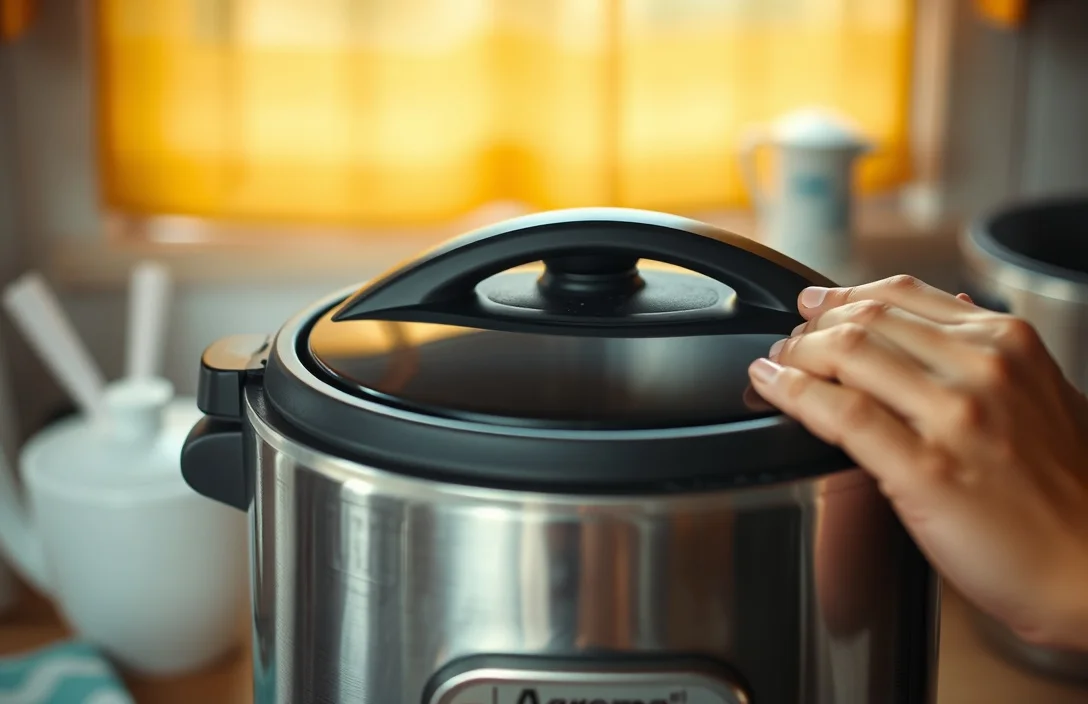
Get the result you want: a lid that looks clean, wipes dry, and no longer smells like old rice. If the lid smells “stale” or looks cloudy, the problem is almost always starch film plus condensation buildup, often around the rim, steam vent areas, and the underside of the inner lid.
Gather what you’ll actually use: dish soap, warm water, a soft sponge or microfiber cloth, and baking soda (optional for tough buildup). If your model has a removable gasket or inner lid, use a small bowl for soaking and a dry towel for final drying.
Treat the cooker like an appliance you’re servicing. Unplug it, let it cool fully, and keep water away from the main cooking base. Rinse removable lid parts if needed, but don’t soak the electrical/heating area.
Basics of How to Clean an Aroma Rice Cooker Lid
Aroma lid mess usually follows the same two causes: cooked starch splatter that bakes on, and steam condensation that dries into a film. That’s why wiping only the top often doesn’t fix the smell. The underside of the lid and any inner lid pieces hold most of the residue.
The winning approach is gentle abrasion plus targeted dwell time. A soft sponge removes loosened residue without scratching. When spots refuse to budge, a baking soda paste works because it stays in contact long enough to break down starch film, yet it stays mild for rubber and most plastics when used carefully.
Seal care matters. If the lid has a gasket (rubber ring or silicone seal), clean it with soapy water and avoid solvents or aggressive scraping. Scratches and deformed edges can trap moisture and residue in grooves, which means the same odor shows up sooner next time.
How to Clean an Aroma Rice Cooker Lid
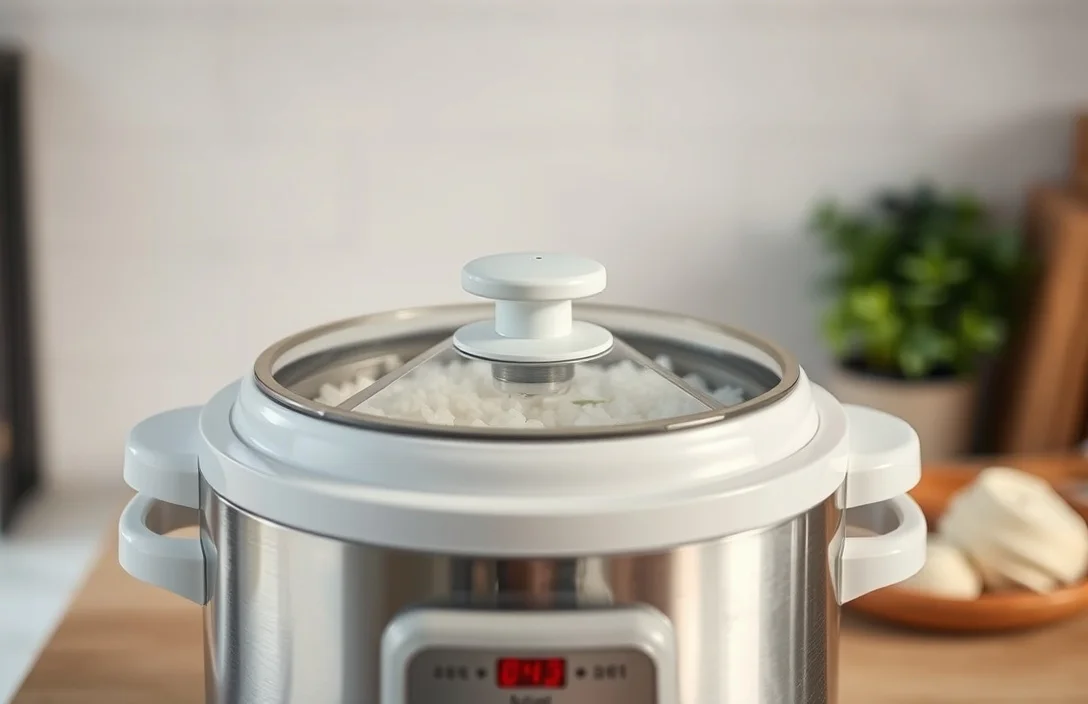
- Unplug the cooker and cool it down. Wait until the lid and steam area are fully cool to the touch.
- Remove the lid and identify removable parts. Take off the inner lid if your model allows it, then check for a gasket or rubber seal.
- Rinse loose debris first. Use warm water to knock off visible rice bits so you don’t grind them into residue.
- Soak removable parts in soapy water. Fill a sink bowl with warm water and dish soap, then soak for 15 minutes.
- Scrub with a soft sponge. Clean the underside, the rim edge, and any steam vent area with light pressure.
- Spot-treat stubborn starch with baking soda paste. Mix baking soda and a little water into a thick paste, apply to stubborn spots, let sit 10 minutes, then wipe.
- Rinse thoroughly and dry completely. Rinse off paste and soap, then dry with a clean towel – especially around gasket grooves.
- Reassemble and run a plain-water cycle if odor persists. Fill with water (no rice), run a normal cook cycle or keep-warm cycle, discard, then dry again.
If the inner lid won’t come off, use a damp cloth method. Wrap a microfiber cloth around a utensil handle (like a silicone spatula) to reach corners, wipe with soapy water, then follow with a clean-water wipe. Dry with a dry cloth so you don’t leave damp film behind.
If you see a brownish ring on the underside of the lid, soak plus gentle scrubbing usually loosens it. If it doesn’t, use the baking soda paste step and give it the full 10 minutes before wiping.
Things that matter most
Clean the underside first. Most odor and buildup forms where steam condenses, so cleaning only the outer top leaves the real residue behind. Removing the inner lid usually makes steam-contact areas easier to see and clean thoroughly.
Use “loosen, dwell, wipe” instead of trying to scrub everything immediately. A 15-minute soapy soak loosens residue so it wipes off cleanly. A 10-minute baking soda dwell reduces scrubbing time and lowers the risk of damaging seals.
Handle vents carefully. Steam vent areas can trap starch and keep smelling after you think the lid is clean. Use a soft sponge or a cotton swab for small openings, then rinse afterward so you don’t leave soap in the vent pathway.
Deal with greasy buildup differently. If you cooked fatty foods in the same pot, dish soap alone can be slower. Soak a little longer (for example, 20 to 30 minutes) and scrub gently again, then use baking soda paste only as needed. Skip stronger degreasers unless you confirm your lid material is compatible.
Recommended tools and what they’re for
| Tool | Best for | Avoid |
|---|---|---|
| Soft sponge | Daily grime and starch film | Metal scrubbers |
| Microfiber cloth | Final wipe and drying | Linty cloths that leave fibers |
| Baking soda paste | Stubborn baked-on spots | Scraping with hard edges |
| Cotton swabs | Tight vent corners | Pushing debris deeper |
| Dish soap + warm water | Standard cleaning | Soaking the base |
What works in practice
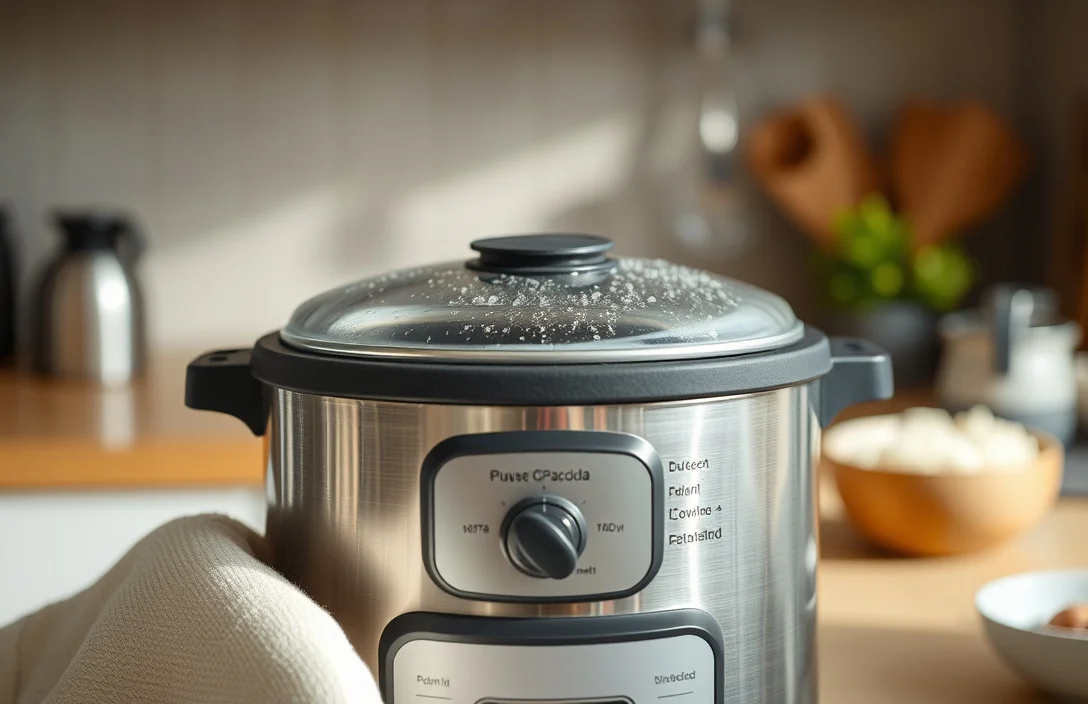
Match cleaning to how often you cook. If you use the cooker daily, wipe the lid after each use and do a deeper lid cleaning weekly or anytime you notice buildup. If you cook less often, clean the lid before the first use of the week and whenever odors return.
Prevent the “baked on” stage. Let cooked rice cool briefly in the pot, then clean the lid while residue is still fresh. Waiting until residue hardens means more scrubbing and more time spent with baking soda paste.
Dry every part completely before reassembly. Moisture trapped under the inner lid or around the gasket creates that stale, trapped-condensation smell. After rinsing, dry with a clean towel and let it air-dry for a few minutes in a dry spot if needed.
Check gasket seating when you put everything back. A gasket that twists or sits unevenly traps moisture and residue on the next cook. If it looks stretched, torn, or permanently flattened, replacement is usually the real fix for ongoing smells.
Keep the main base clean by prevention. Don’t wash the main unit, and don’t let water drip into electrical seams. If you rinse lid parts at the sink, make sure drips don’t run down into the cooker base.
Mistakes to Avoid When Cleaning an Aroma Rice Cooker Lid
Avoid metal scrubbers or abrasive pads. Scratches trap starch film and make future cleaning harder, especially around gasket contact points and textured plastic areas.
Don’t soak the entire rice cooker base. The main unit has electrical components, and water intrusion is a real risk. Only rinse or soak parts that are clearly removable.
Don’t use harsh cleaners or solvents to “fix the smell fast.” Strong chemicals can damage rubber seals, leave chemical odors, or react with plastics. Stick with dish soap, warm water, and baking soda paste for normal lid buildup.
Don’t skip drying. A damp gasket area can smell even after washing because condensation residue stays behind. Reassemble only after parts are dry.
Don’t ignore steam vents. Cleaning only broad surfaces can leave residue in vent pathways, so the odor shows up again during the next cook. Use swabs or a cloth with corner access to clear tight spots.
Pro Tips for Freshening an Aroma Lid
If odor is stubborn, run a short plain-water cycle after cleaning the lid parts. Steam-contact surfaces can hold a thin film that smells during heating. Discard the water afterward and dry the lid and inner lid fully.
Treat the gasket gently. Clean it with soapy water and a soft sponge, then rinse and dry carefully around the grooves. If your gasket comes out, you can soak it briefly, but don’t leave it in strongly soapy water for days.
Use a soft toothbrush only when needed. Soft bristles lift starch from grooves without the aggression of a scrub pad. Use light pressure and stop as soon as residue loosens.
Build a simple “lid kit” for frequent use. A spray bottle of soapy water, a microfiber cloth, and baking soda paste in a container make quick cleanups easy. Short, regular cleanups reduce deep-clean frequency and protect gaskets and coatings over time.
In most kitchens, the best improvement comes from just two steps: soak 15 minutes and dry thoroughly. If odors persist after that, add the baking soda paste spot treatment and the plain-water cycle.
FAQ
How often should I clean the Aroma rice cooker lid?
Wipe the lid after frequent use, then do a deeper cleaning weekly or whenever you see visible residue or smell lingering odor. If you cooked sticky or flavored foods, clean more often. Once starch film hardens, it becomes harder to remove and smells more during heating.
What’s the safest way to clean a lid gasket?
Use warm soapy water and a soft sponge. Rinse well, then dry completely before reassembling, especially around gasket grooves. Avoid metal tools, harsh solvents, and abrasive abrasives because they can scratch or deform the gasket, which leads to odor buildup and leaks.
Can I use vinegar or bleach to remove rice smell?
Vinegar can sometimes help with odor, but it’s easy to overdo and it can leave its own smell. Bleach is risky for plastics and rubber seals and isn’t the right choice for lid components. Use dish soap, warm water, and baking soda paste for consistent results.
How do I clean a lid that won’t fully come apart?
Wipe the underside thoroughly with a damp microfiber cloth, then follow with a clean water wipe to remove soap. Focus on steam-contact areas and any visible residue ring. For stubborn spots, apply baking soda paste directly to those areas, let sit 10 minutes, then wipe and dry.
Why does my clean lid still smell like rice?
Stubborn rice smell usually comes from leftover starch in steam vents, insufficient rinsing, or reassembling while parts are still damp. Clean vent corners with a cotton swab and dry everything fully. If odor persists, run a plain-water cycle after cleaning and dry before the next cook.
FAQ
Can I clean the Aroma rice cooker lid in the dishwasher?
Dishwasher safety depends on the exact lid material and whether parts are labeled dishwasher-safe. If you’re unsure, hand-wash removable parts with warm soapy water and a soft sponge. This helps prevent warping, fading, or gasket damage.
How long should I soak the lid before scrubbing?
Start with a 15-minute soak in warm soapy water. For heavier or older buildup, soak 20 to 30 minutes, then scrub gently. Rinse and dry completely afterward so soap film doesn’t redevelop into an odor source.
What if there is burned-on residue on the inner lid?
Apply baking soda paste to the burned-on spots and let it sit about 10 minutes, then wipe with a damp soft sponge. Repeat once if needed. Avoid high pressure or metal scrapers. Once residue lifts, rinse thoroughly and dry completely.
Can I use a scouring pad to remove stubborn stains?
Use scouring pads only if they’re explicitly non-scratch and safe for plastics and rubber. In most cases, a soft sponge works better when combined with soaking and baking soda paste. Scratches make future cleaning harder and can trap smells.
Does cleaning the lid alone remove the smell from cooked rice?
Cleaning the lid and inner lid usually fixes odors coming from steam-contact surfaces. If smell persists, also rinse or clean the inner pot water line area where steam condenses, then run a plain-water cycle. The next cook should be odor-free once residue film is removed and dried.
FAQ
How do I stop the lid from getting messy so fast?
Avoid letting water and residue dry on the lid between uses. After cooking, let the cooker cool, then wipe the lid and underside while buildup is fresh. If you notice heavy condensation, check that the lid is seated correctly and the gasket is intact.
What should I do if I damaged the lid gasket?
Stop using the cooker until you replace the damaged gasket if it’s torn, stretched, or cracked. A compromised gasket traps moisture and residue, which causes repeated odors. Replacement is usually faster and more reliable than patching.
Is it okay to rinse the lid under running water?
Yes, for removable lid parts. Warm running water is usually fine. Keep the main base dry and prevent water from flowing into electrical seams. If the gasket is removable, rinse it gently and dry fully before reassembly.
How do I clean after cooking foods with strong odors?
Clean right after cooking. Soak lid parts in warm soapy water, spot-treat residue rings with baking soda paste, rinse well, then dry thoroughly. Running a plain-water cycle helps flush steam-contact films so the next batch doesn’t taste or smell like the last one.
What’s the fastest way to freshen the lid between deep cleans?
Wipe with warm soapy water using a damp microfiber cloth, then do a clean-water wipe. Dry the lid and inner lid area fully. This quick routine usually works when buildup is light and you’re cleaning shortly after cooking.

- 10 Best Slow Cooker For Slow Cooking Legumes 2026 (Tested And Reviewed) - October 17, 2026
- 10 Best Slow Cooker For Slow Cooking Oxtail 2026 (Tested And Reviewed) - October 16, 2026
- 10 Best Slow Cooker For Slow Cooking Venison 2026 (Tested And Reviewed) - October 16, 2026