Dragon’s Breath Plant In Pots In 9 Easy Steps
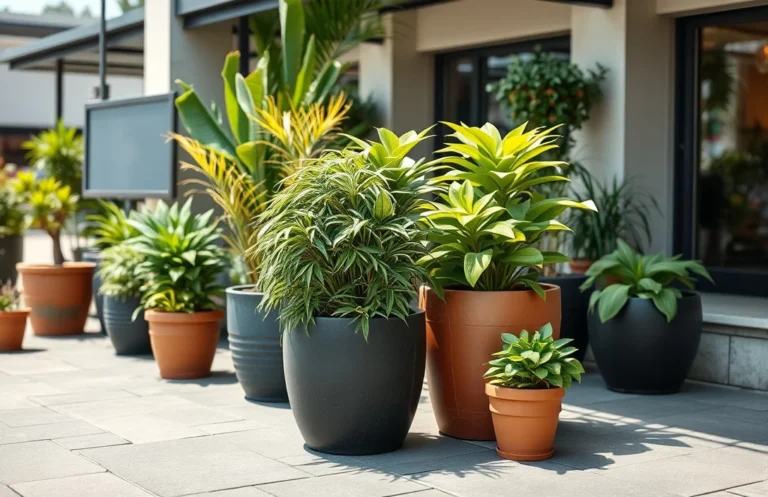
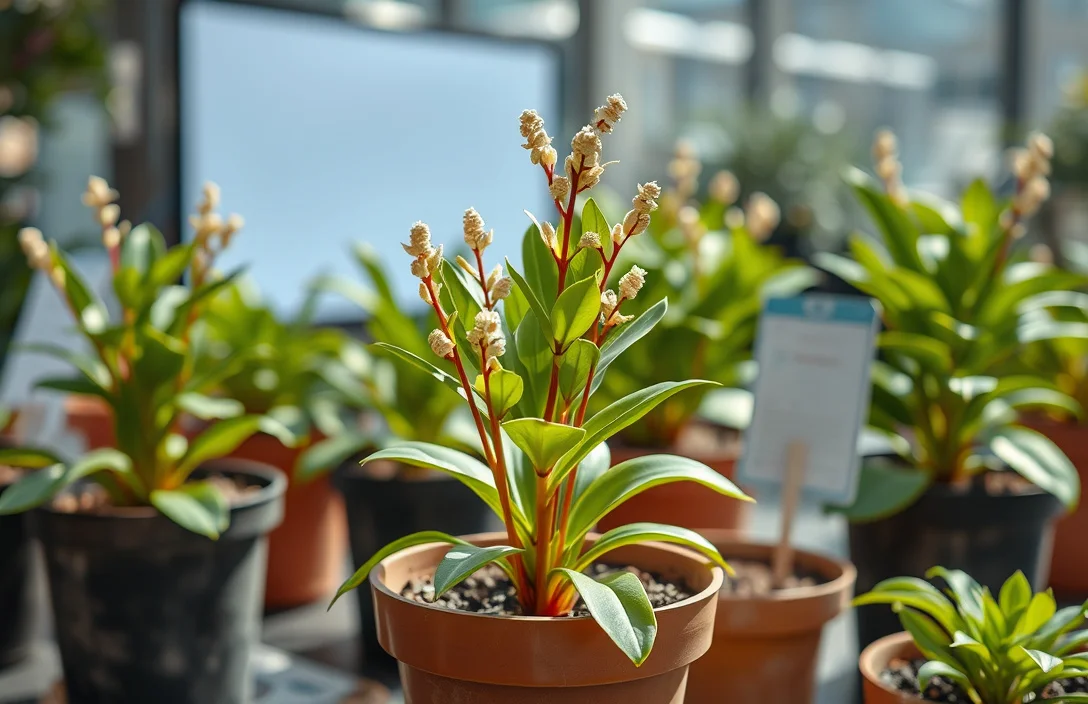
Dragon’s breath plant (the “dragon’s breath” Euphorbia in particular, often sold for its long-lasting, airy look) can do surprisingly well in a container, as long as you treat it like a dry-climate plant. In pots, your biggest wins come from drainage and fast drying. This guide walks you through setup, care, seed management, and winter handling in a typical U.S. backyard setup.
Dragon’s breath plant in pots grows best when you use a pot with a drain hole, fast-draining cactus mix, and a “soak then wait” watering routine. Water only when the top 1 to 2 inches are dry. Too much moisture leads to root rot. Too cold stalls growth and can trigger dieback.
Key Takeaways
- Drainage-first every time. Use a pot with a real drain hole and a fast-draining mix, or roots stay wet and rot.
- Bright light wins. Give it as much sun as you can. In low light, container plants turn leggy.
- Water by dryness. Water thoroughly, then wait until the top 1 to 2 inches are dry.
- Size the pot for roots. Oversized pots hold water too long and raise rot risk.
- Harvest at peak timing. Let seed pods dry on the plant, then collect carefully to avoid scattered seed.
- Winter is the fork. Bring it indoors before cold, or protect outdoors with a breathable cover and still-dry conditions.
How to Start
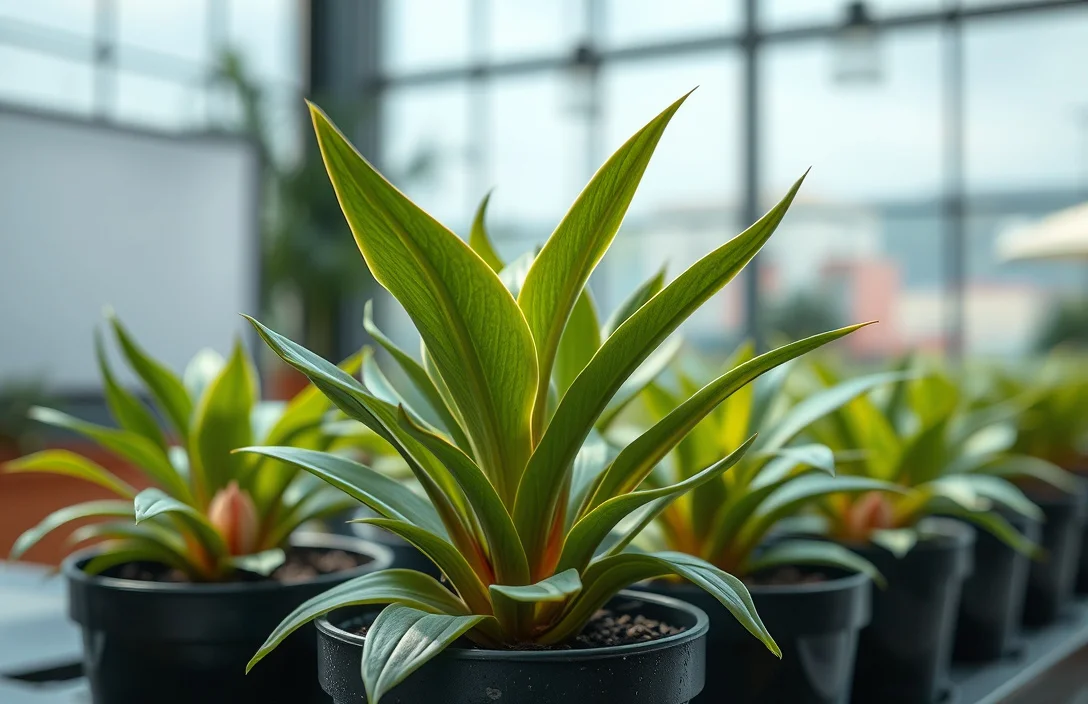
Set it up so the pot cannot sit in water. Dragon’s breath plants punish “helpful” overwatering, so the container needs to dry out between waterings.
Pick a pot with a bottom drain hole and use a gritty, fast-draining mix. For a do-it-yourself blend, mix potting mix with cactus soil and add extra perlite or pumice for airflow. If you buy bagged mix, choose anything labeled for cacti, succulents, or “well-draining” use, then add perlite if the mix feels heavy.
If you’re starting from seed, plan for patience and a warm, controlled setup. Seedlings are small and easy to lose when moisture management slips. Keep conditions warm, moisture controlled, and light gradually stronger as seedlings establish.
A simple start plan for most U.S. gardeners:
- Choose a pot with a drain hole.
- Use fast-draining cactus/succulent mix (amend with extra perlite).
- Place it where it gets the most sun you can manage.
- Water thoroughly, then leave it alone until the top layer dries.
- Adjust light over 7 to 14 days if you move it outdoors.
- Feed lightly once active growth begins.
- Spot stress early and correct watering first.
- Repot only when roots fill the pot, not on a calendar.
- Decide early how you’ll handle winter.
What Makes Dragon’s Breath Unique in Containers?
Dragon’s breath plants in containers depend heavily on light and spacing, and that changes what “healthy” looks like. In a pot, plants grow more slowly and dry out faster than in-ground, so your care has to match the container’s drying cycle.
Many people assume the plant is delicate because the top growth looks light. The real survival factor is keeping roots healthy and not constantly wet. Get that right and container dragon’s breath can look surprisingly tough.
Seed behavior is another container-specific issue. Some types can self-seed aggressively under the right conditions. If you want a controlled garden, harvest or prevent scatter early rather than letting the plant “naturally” do its thing.
Sun angles also matter more in containers. A plant that looks fine in the morning but fades by late afternoon often isn’t getting enough total light, especially in northern or coastal areas. If you see legginess or flop, the fastest fix is usually more light, not fertilizer.
Light, Soil, and Water for Dragon’s Breath
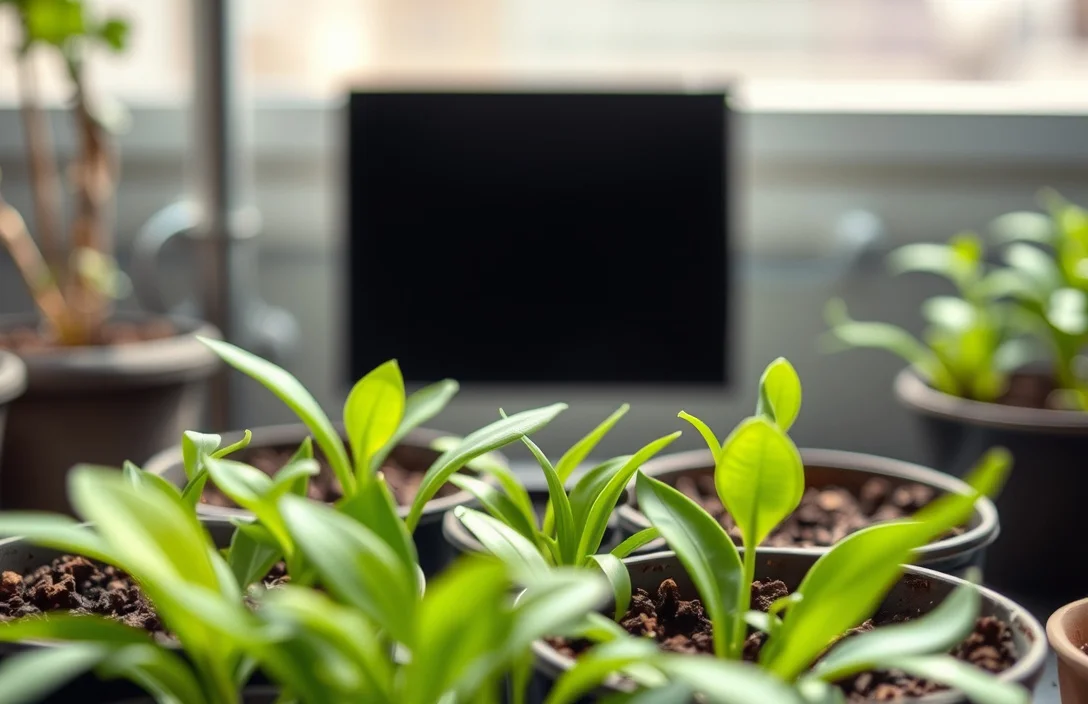
Give it bright sun and a consistent dry-down cycle. Most U.S. homes do best with a south- or west-facing spot, or a full-sun patio area that doesn’t get shaded early by trees.
Aim for “as much light as you can give.” In low light, container plants stretch, thin out, and produce a weaker display. If you bring it indoors for winter, place it in the brightest window you have and expect slower growth.
Soil determines whether the container dries correctly. Use a fast-draining mix with mineral grit like perlite, pumice, or coarse sand. Regular garden soil stays too wet in pots and can compact over time, choking roots. When the mix holds water longer than your watering rhythm allows, rot becomes the main risk.
Water by one rule: soak fully, then wait. Water until water runs out the drainage hole, then stop. Don’t top-water lightly and often, because that keeps moisture in the surface zone while the center stays damp longer than you think.
Use this watering checklist:
- Check the top 1 to 2 inches before watering.
- Water until runoff when dry.
- Empty saucers so the pot never sits in water.
- Slow down in winter when light is weaker and drying takes longer.

Helpful pick
YNNICO Indoor Self Watering Planters with Drainage Holes and Saucers, 8, 7, 6.5, 6, 5.5, 5 Inches, Black, 6 Pots
Helps regulate moisture with built-in reservoirs, aligning with checking the top 1 to 2 inches before watering.
Drainage and Pot Size Rules for Dragon’s Breath
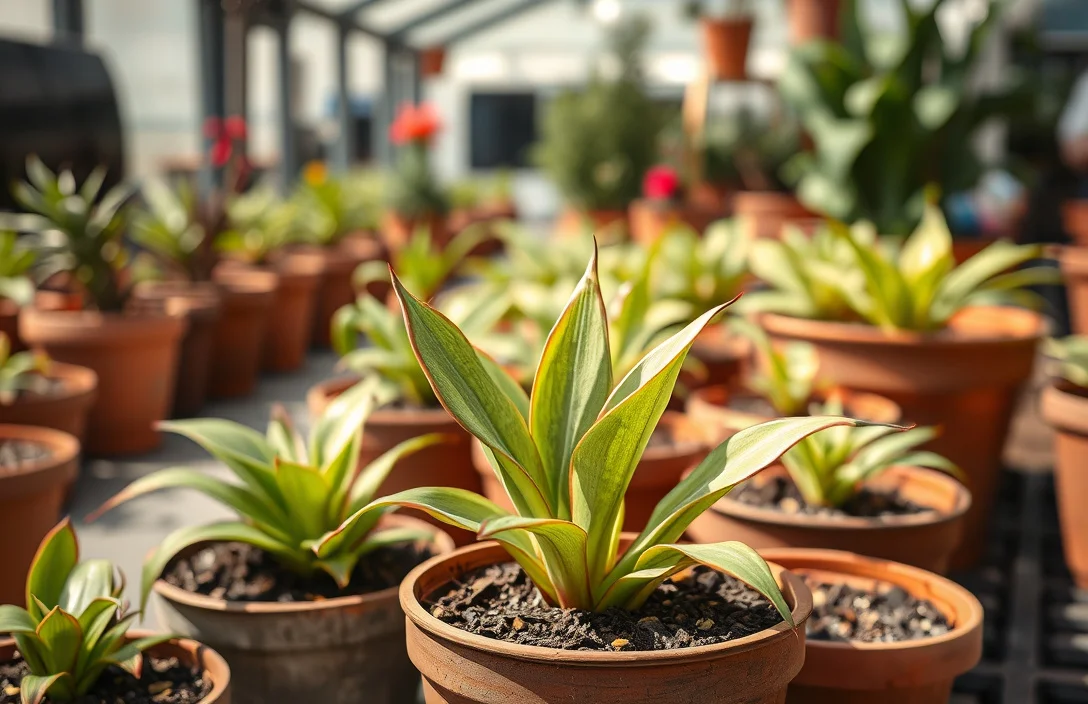
Drainage is the difference between thriving and failing. In containers, dragon’s breath usually dies from wet feet and slow drying, not from missing fertilizer.
Use a pot with one or more drain holes. Never plant it in a decorative cachepot that traps water. If you want the look of a decorative pot, keep the plant in a nursery pot that drains, then set that nursery pot inside the decorative cover. Take it out to water and remove it again so water isn’t trapped.
Pot size matters because moisture retention scales with volume. A pot much larger than the root ball leaves extra soil that stays damp after watering. When roots can’t keep up with that moisture, fungal issues increase.
Sizing rule of thumb:
- Start with a pot 1 to 2 inches wider than the root ball.
- If you repot, move up gradually, not in one giant step.
If the soil dries too slowly, adjust quickly. Clues include water lingering for days after watering, a sour smell from the soil, or mushy stems near the soil line. The fix is usually a more mineral-heavy mix and a pot size that dries within a predictable window.

Helpful pick
Quarut 3 Pack 10 inch Plant Pots,Whiskey Barrel Planters with Drainage Holes & Saucer, Plastic Decoration Flower Pots Imitation Wine Barrel Design, for Indoor & Outdoor Garden Home Plants (Brown)
These pots provide reliable drainage and avoid the cachepot setup, helping dragon’s breath stay hydrated and healthy.
Pruning and Harvesting Dragon’s Breath Seeds
Pruning container dragon’s breath keeps airflow up and limits seed mess. In pots, spent growth can look untidy fast, and cutting back helps the plant put effort into new growth.
Prune based on your goal. For a tighter, fuller shape, do light pruning during active growth. If you’re managing seeds, plan harvest around pod development and don’t wait until pods are already scattering everywhere.
Seed harvesting works best when you time it right. Let seed pods dry on the plant until they’re ready to release, then collect carefully. Work over a tray or bowl to catch anything that drops, then store seeds in a cool, dry place.
A careful approach that reduces the mess:
- Wear gloves if you have sensitive skin, since many euphorbias irritate when sap contacts skin.
- Harvest on a dry day so pods crack cleanly.
- Cut pods with small portions of stem, then finish drying indoors if needed.
- Label containers right away with plant type and date, because loose “miscellaneous seeds” becomes impossible to sort later.
If you want to keep the airy look, use selective removal instead of heavy cutting. Remove spent or damaged stems, then step back and check the overall structure before you cut more.

Helpful pick
Anyumocz 60 Pcs 1 Gallon Flexible Plant Nursery Pots,Thickened Soft Plastic Seedling Pot with Holes,Flower Plant Container for Succulents,Cuttings,Transplanting,Home Garden(Black)
These 1-gallon nursery pots provide space for regrowth after pruning, helping airflow and neat transplanting.
Common Container Problems for Dragon’s Breath Plants
Most container problems trace back to three causes: too much water, not enough light, or poor airflow around the root zone. Identify which one is driving the decline and you can correct the rest faster.
Overwatering is the most common issue. Look for yellowing leaves, mushy stems, soil that stays wet too long, and a plant that gradually collapses. Stop watering, let it dry out completely, and then adjust mix and pot practices if the soil keeps staying damp.
Low light shows up differently. Expect stretching, thinner stems, and fewer of the airy top effects that make dragon’s breath look the way it does. If your plant keeps getting tall but not fuller, move it closer to direct sun or increase daily light exposure.
Sometimes everything looks fine above the soil, but the root zone is trapped. This happens when the pot sits in runoff in a saucer or when soil compacts over time. If the soil surface crusts or water runs down the sides without wetting evenly, refresh the mix and check root health during repotting.
Mistakes that waste time
- Saucers that hold water. Empty saucers after watering every time.
- Too-large pot jumps. Move smaller or wait longer before repotting.
- Heavy garden soil. Replace with cactus/succulent mix amended with perlite.
- Frequent misting. Use the soak-and-dry cycle instead.
Dragon’s Breath Plant in Pots: Winter Care
Winter care in pots comes down to temperature and light. Dragon’s breath plants struggle with cold plus wet soil, and indoor light is usually weaker than outdoors. Expect slower growth and adjust watering accordingly.
When outdoor nights turn cold, bring the plant in before frost. Containers cool down faster than ground planters, and roots can be damaged even if the leaves still look acceptable.
Indoors, put it in the brightest spot you have, ideally a south-facing window. Growth may slow and the plant may look less impressive than in summer. Keep the soil on the dry side and water only when the top layer is dry.
If you keep it outside longer, protect it with breathable coverage and keep the soil dry. Avoid wrapping plastic directly over wet soil because trapped moisture plus cold can rot roots. If rain or snow is coming, move the pot under cover so the soil stays as dry as possible.
Don’t fertilize during low-light winter months. Feeding drives growth your indoor light can’t support, leading to weak stems and slower recovery once conditions improve.
FAQ
How often should I water dragon’s breath plant in pots?
Water only after the top 1 to 2 inches of potting mix are dry. When you water, do it thoroughly until water runs from the drain hole, then let it drain fully. In winter, reduce frequency because containers dry slower indoors. If soil stays wet for days, adjust the mix and pot size first.
What’s the best pot size for dragon’s breath?
Use a pot about 1 to 2 inches wider than the root ball. A pot that’s much larger holds extra moisture and increases root rot risk. If you repot, step up gradually instead of jumping to a big planter. When the plant becomes root-bound and dries very quickly, size up slightly.
Does dragon’s breath in containers need fertilizer?
Use fertilizer lightly after active growth starts. Container plants don’t hold large nutrient reserves. Overfeeding often creates weak, fast growth that struggles when light drops. If you’re unsure, skip feeding until the plant shows clear growth and stable stems. Stop fertilizing during winter.
How do I harvest dragon’s breath seeds without making a mess?
Wait until seed pods are dry and ready to release, then harvest on a dry day. Cut pods carefully over a tray or bowl so dropped seeds stay contained. Let seeds finish drying indoors if needed, then store in a cool, dry, labeled container. If your plant self-seeds, you may need to harvest earlier than you expect.
What’s the most common mistake with dragon’s breath in pots?
Keeping the pot too wet. People often water on a schedule or leave the pot sitting in a saucer, which creates constantly damp soil. Fix it with a drain hole, a fast-draining mix, and a soak-and-dry watering rhythm based on the top 1 to 2 inches of soil.
Once your next move is clear, it’s simple: use a pot and mix that drain well (drain hole, gritty fast-draining soil), then water only when the top layer dries. After that rhythm is working, you can fine-tune light and seed control instead of fighting rot or stretch.

- 10 Best Slow Cooker With Leak Resistant Lid 2026 (Tested And Reviewed) - October 24, 2026
- 10 Best Slow Cooker With Spill Proof Design 2026 (Tested And Reviewed) - October 24, 2026
- 10 Best Slow Cooker With Locking System 2026 (Tested And Reviewed) - October 24, 2026