Planting Fruit Trees In Pots: 6 Tips
Fruit trees in pots can fruit on a porch or patio, but only if you match the container size, potting mix, and watering to a tree that normally grows in the ground. Most “my tree died” stories come down to two things: drainage problems and a pot that’s too small for the variety. This guide walks you through planting fruit trees in pots from start to finish, with decisions you can make today.
Fruit trees in pots grow successfully when the container drains well, you use a fruit-tree friendly potting mix, and you water based on how fast the mix dries. In most areas, spring or early fall gives roots time to establish before extreme heat or cold. Repot every 2-4 years as the tree grows.
Key Takeaways
- Choose drainage first. Your pot must have drainage holes, or roots rot quickly.
- Use the right mix. Start with quality potting mix, not garden soil.
- Plant in spring or early fall. These windows help roots establish before weather extremes.
- Size matters. A larger container holds moisture longer and gives roots more room.
- Water consistently. Keep soil evenly moist, then adjust as seasons change.
- Feed lightly after rooting. Overfeeding often means leaves first and weaker fruit set.
What to Know About planting fruit trees in pots
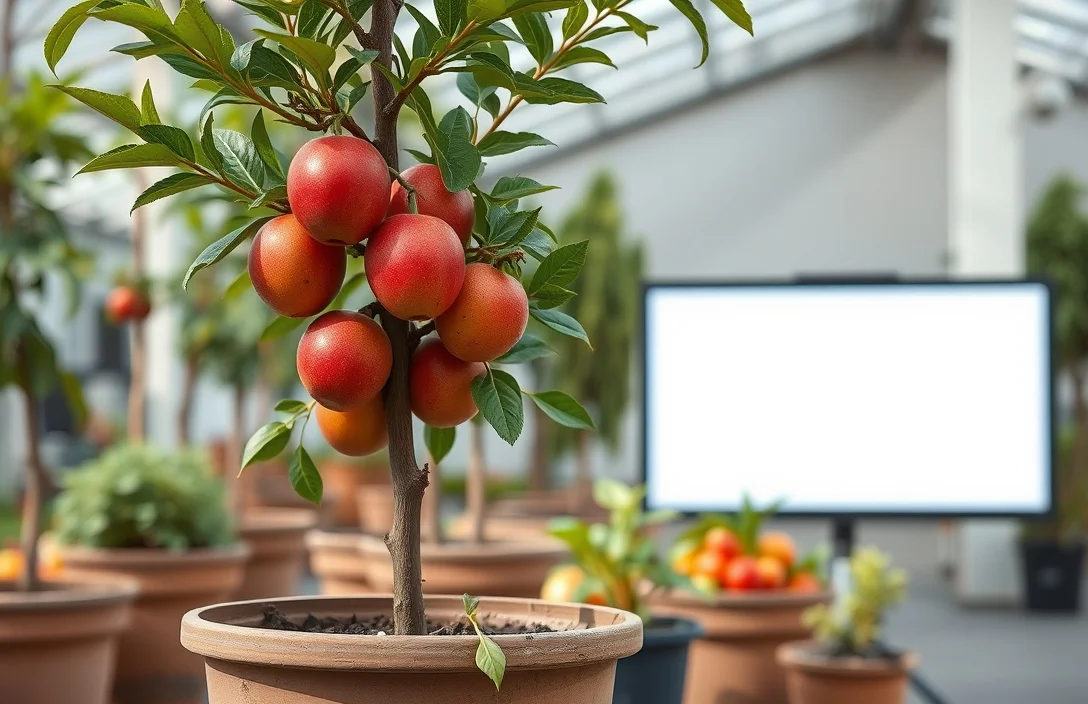
Planting fruit trees in pots comes down to controlling three things the ground usually handles for you: root temperature, moisture, and oxygen. In-ground trees spread roots outward and reach steadier water sources. A potted tree is limited to the pot’s volume, so the same variety that thrives in soil can struggle in a container that’s too small or doesn’t drain well.
Pots dry out faster than beds, and they swing in temperature. In summer, hot containers can stress roots, especially in full sun all day. In winter, pots freeze and thaw more aggressively than surrounding ground, which is why container gardeners often protect pots or relocate them when temperatures drop.
Light matters just as much. Most container fruit trees still want about 6-8 hours of direct sun, and a south-facing spot is often the most reliable in the US. If you don’t have that light indoors or on the patio, you may get weak growth and little or no fruit even if the tree survives.
Plan for the long game. Container trees don’t stay in the same pot forever. Refresh the top few inches of soil annually and repot every 2-4 years as the roots fill the container.
Things that matter most
Get the container size, potting mix, and timing right, and you avoid most failures.
Container size affects how often you’ll water and how much room roots have for healthy growth. The beginner-friendly rule is to buy (or select) the largest pot you can reasonably manage. Bigger containers dry out more slowly. Faster drying means more frequent watering and a higher chance you miss a day during heat.
Drainage is non-negotiable. Use pots with drainage holes, and don’t block them with rocks or fabric. Water should flow out freely. Use a saucer only if you empty it after watering so the root zone doesn’t sit in runoff.
Timing matters too. Spring or early fall works best in most areas because roots establish before extreme weather arrives. Planting in deep midsummer heat forces the plant to handle high stress while it repairs roots. Planting too late in fall in colder regions can leave the container freezing before roots settle.
Feeding is the last big lever. Use a gentle schedule once the tree is established, but avoid overfeeding. Too much fertilizer can produce lush leaves with fewer fruits. Aim for steady, modest nutrition rather than constant heavy feeding.
Tips for planting fruit trees in pots
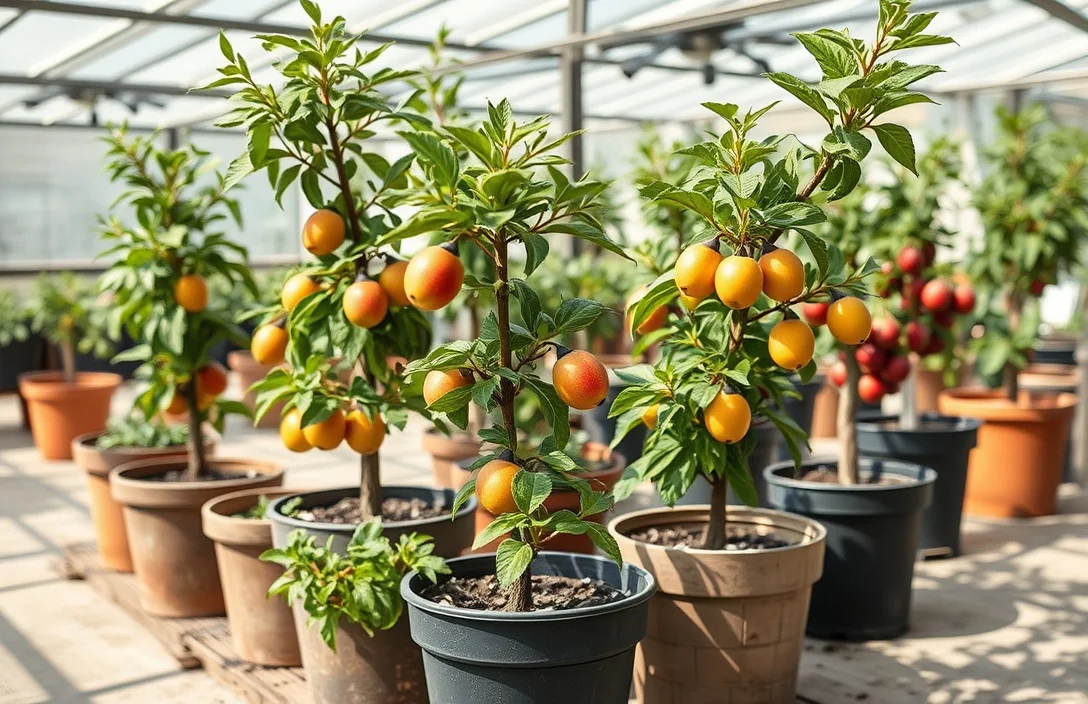
Dial in these details and your tree usually stays healthy through its first season.
1) Match pot size to the variety. Dwarf or naturally compact trees handle containers best, but even “dwarf” cultivars need room. If you’re unsure, choose a larger container and plan to repot later instead of squeezing the tree into something too small.
2) Don’t use garden soil. Garden soil compacts in containers, cutting oxygen to roots and increasing the odds of waterlogged conditions. Use a quality potting mix made for containers so it stays airy, drains well, and still holds moisture.
3) Plant at the same depth as the root mass. Keep the trunk or graft area above the soil line. Burying the graft or crown too deep can weaken the tree or invite rot.
4) Water in layers after planting. After you settle the tree in the pot, water thoroughly until excess drains out. Re-check the soil level after watering, then re-check again the next day because newly planted root zones often settle and create small gaps.
5) Plan for sunlight first, then fruit. A container that sits in shade all day will reduce fruit. If your only sunny spot is a moveable surface (like a rolling cart), set up the location so the tree can get 6-8 hours of direct sun.
6) Use a simple feeding plan. After establishment, slow-release granules or a gentle liquid fertilizer schedule works well. One practical approach is slow-release granules, or liquid seaweed or fish emulsion every 2-4 weeks. Then watch leaves and fruit set for feedback.
7) Read what your tree is telling you. Yellow leaves can point to nitrogen deficiency. Poor fruit set can point to potassium shortage. Also remember that “more fertilizer” can mean “fewer fruits,” because lush growth often comes at the expense of fruiting.
Benefits of planting fruit trees in pots
You get homegrown fruit without needing yard space. The real win is control. Containers let you place the tree exactly where it gets sun, and you can move it to reduce frost risk, block harsh wind, or avoid peak midday heat.
Pots also work well for renters or anyone who doesn’t want to commit to digging. A container orchard is a practical compromise when you want edible plants on a balcony, patio, driveway, or small yard. You can rotate placement as seasons change to keep light and temperature more consistent.
You’ll also notice problems faster. When something goes wrong, you can often see it in the pot: soil drying too fast, the container staying too wet, or the tree catching too much direct sun. In-ground trees can hide stress longer, and by the time you notice it, the damage can be harder to fix.
Container growing improves sanitation. You can manage pests and fallen leaves more directly, remove diseased material quickly, and keep the root zone from staying damp for long periods. That advantage matters in humid climates where fungal issues are more common.
Yes, you can still get fruit. With dwarf or compact varieties, good sun, and a container large enough to grow in, many growers see fruit relatively soon after the tree establishes. The trade-off is that container trees need more day-to-day attention than in-ground trees.

Helpful pick
Dwarf Mango Tree Live Plant, Fully Rooted in 3 Gallon Pot, Tropical Mango Fruit Tree for Indoor or Outdoor Growing
A dwarf mango in a pot demonstrates container-friendly fruit cultivation, aligning with sun access and movable placement.
Options for planting fruit trees in pots
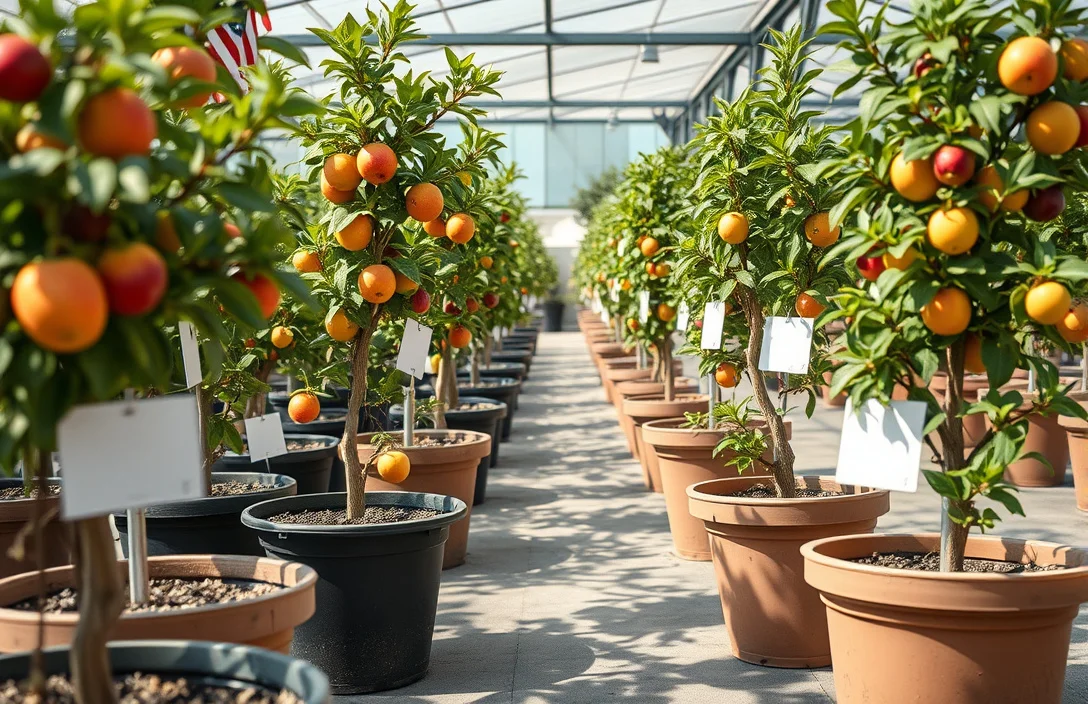
You have three choices to make: tree variety, container type, and your soil and fertilizer approach.
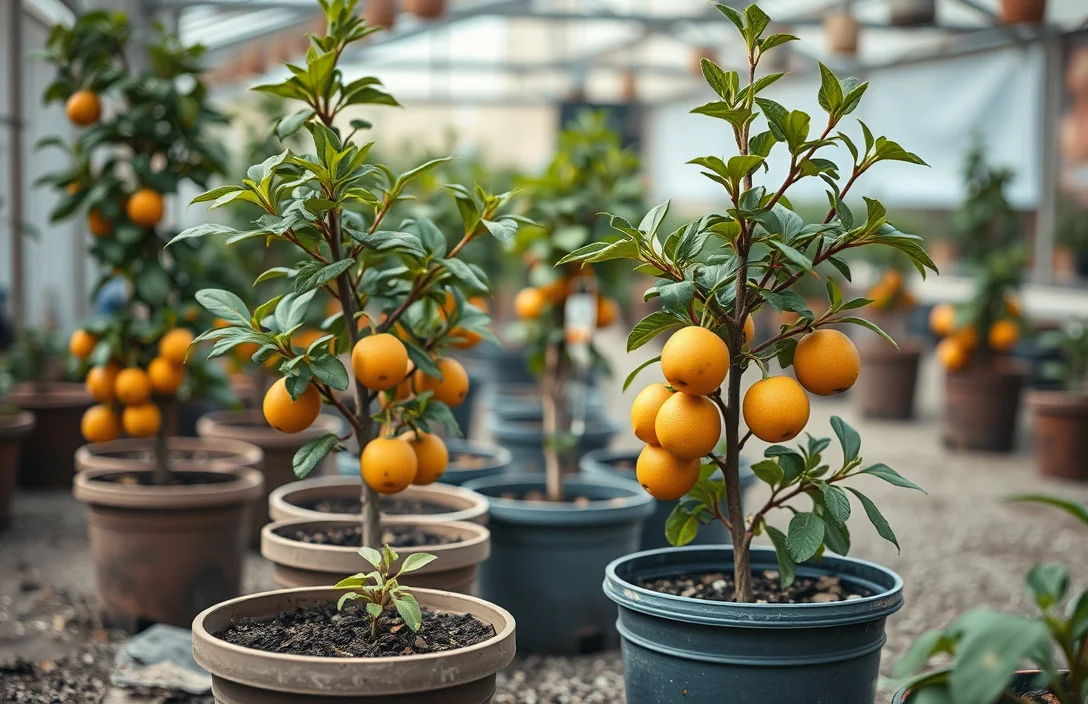
Tree variety is the easiest lever. Dwarf or naturally compact fruit trees are the best starting point for beginners because they stay manageable in a pot and are more likely to fruit without becoming root-bound right away. Popular container-friendly options often include figs, citrus like Meyer lemons, dwarf apples, cherries, peaches, and pomegranates. Your local nursery can point you to cultivars selected for container growing.
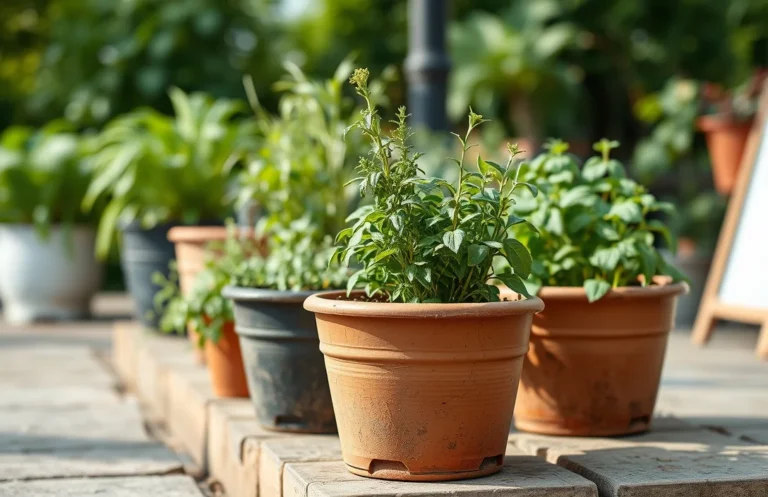
Container type affects heat and drying rate. Plastic and resin pots tend to hold moisture longer and insulate less dramatically. Terracotta breathes and dries faster. Fabric grow bags improve drainage and air-prune roots, but they also dry out quickly in hot weather, so watering needs increase. If you live somewhere very hot or very dry, choose materials that won’t force daily watering unless you’re ready for that routine.
Soil and nutrition options keep the root zone healthy. Use potting mix, then feed in a way that matches your schedule. Slow-release granules simplify feeding and reduce the chance you overdo it. Liquid seaweed or fish emulsion every 2-4 weeks is another option. Compost tea sometimes gets used as a gentle boost, but it shouldn’t replace consistent watering.
Here’s a quick comparison to help you decide:
| Option | Key Spec / What You Control | Best For | Main Trade-off |
|---|---|---|---|
| Slow-release granules | One-time feed, gradual release | Busy gardeners | Less precise control day-to-day |
| Liquid seaweed or fish emulsion | Repeat feeding every 2-4 weeks | Hands-on caretakers | Easy to overfeed if you ignore leaf/fruit feedback |
| Compost tea | Gentle boost | People who want light supplemental feeding | Works best as a supplement, not a primary fertilizer |
| Dwarf/compact varieties | Smaller ultimate size | First-time container growers | May still need repotting every 2-4 years |
| Bigger pot strategy | More soil volume | People who forget to water sometimes | Requires more space and heft |
| Fabric grow bags | Faster drainage, root air pruning | People comfortable with frequent watering | Pot dries faster in sun/heat |

Helpful pick
Black Cherry Tree 6-12 Inches in Quart Pot, Sweet Cherry Plant Live, Hardy Fruit Trees for Containers or Landscape Planting
This Black Cherry Tree in a quart pot is a perfect, pot-ready option for container gardening.
Expert Advice on planting fruit trees in pots
Treat container fruit trees like an outdoor potted plant plus an orchard crop. Nail the basics, then adjust based on what the tree does.
First, pick a location with consistent sun. If you can’t reliably reach the 6-8 hours of direct sun fruit trees need, you’ll spend the season chasing symptoms instead of harvesting fruit. A south-facing patio spot often works well. In very hot climates, afternoon shade can prevent leaf scorch.
Second, plan your seasonal routine. In cold areas, use a winter plan that prevents root damage from freeze-thaw cycles. Moving tender trees like citrus and figs to a garage or sheltered spot is common. Insulate the pot with bubble wrap or burlap if it stays outdoors. In summer, group pots together to slow drying and watch closely for heat stress, especially during heat waves.
Third, don’t treat repotting as random. Repot every 2-4 years as the tree grows, but use the interval as guidance, not a strict calendar. When you repot, refreshing the top few inches of soil annually is a good intermediate step if you aren’t ready to upsize.
Fourth, use fertilizer as feedback, not a blind schedule. Yellow leaves can signal nitrogen deficiency, and poor fruit set can indicate potassium shortage. If you keep feeding when the tree produces lots of leaves and few fruits, you’re likely pushing growth instead of fruiting.
Finally, keep a checklist you can actually follow. Container fruit trees can look “fine” while they’re quietly struggling. A simple routine around watering, sun checks, and draining runoff prevents most avoidable problems.

Helpful pick
TriStar Plants – Belle of Georgia Peach Tree – 1 Gallon Pot – No Ship California, Peaches, Freestone, Red Blossoms, Fruit Tree, Peach Flowers, Self Fertile, Elberta
Perfect starter for container growing, this self-fertile peach in a 1-gallon pot demonstrates pot-friendly fruit production.
Examples: planting fruit trees in pots
Example 1: A beginner on a sunny patio. Buy a compact dwarf apple, choose a pot with drainage holes, and use a quality potting mix. Plant in early fall, water thoroughly until it drains out, and keep the soil evenly moist as it settles. In spring, confirm the pot gets 6-8 hours of direct sun, and start feeding lightly once the tree is actively growing. Mid-season, look for new leaves and bud formation as the sign you planted correctly.
Example 2: A renter with limited space and a bright window. Choose a citrus tree sized for containers, often a Meyer lemon. Keep it outdoors only when temperatures and light are supportive. Move it to a garage or sheltered area for winter protection, then insulate the pot with bubble wrap or burlap if it stays outside. During the growing season, place the pot where it gets direct sun and check soil moisture more frequently because containers dry out quickly. This approach is about controlling temperature and light, not digging.
Example 3: A homeowner in a hot climate dealing with heat stress. Place the pot on a south-facing spot, then add afternoon shade during peak summer sun to prevent leaf scorch. Water deeply, then re-check the soil because heat can dry potting mix unevenly. Mulch the top surface of the potting mix and group pots together to reduce moisture swings. Feed cautiously and watch fruit set since overfeeding often creates lush leaves with fewer fruits.
All three examples come back to the same core formula: the container drains well, the tree gets adequate sun, watering stays consistent, and fertilizing supports fruiting instead of only leaf growth.
FAQ
What size pot do I need for a fruit tree in a container?
Choose the largest pot you can manage because larger containers dry out slower and give roots more room. Plan on repotting every 2-4 years as the tree grows, so start big enough that you’re not forced to upsize constantly. If the tree root-binds quickly (roots circling the pot), increase pot size at the next repotting.
What’s the best time of year to plant fruit trees in pots in the US?
Spring or early fall works best in most areas so roots establish before extreme weather. Midsummer heat adds stress to newly disturbed roots, and late fall can leave too little time before cold sets in. In colder regions, watch frost risk around the container.
How often should I water a potted fruit tree?
Water based on how fast the potting mix dries, not a strict calendar. In warm weather, containers can need more frequent watering because they lose moisture quickly. After planting, water thoroughly, monitor for soil settling, and adjust as the tree grows.
Do fruit trees in pots need fertilizer?
Yes, but keep it modest. Many growers use slow-release granules, or liquid seaweed or fish emulsion every 2-4 weeks. Watch for feedback because overfeeding can cause lush leaves with fewer fruits. Deficiencies can show up as yellow leaves (nitrogen) or weak fruit set (potassium).
What’s the most common mistake when planting fruit trees in pots?
Using the wrong soil or a container that doesn’t drain properly. Garden soil compacts in pots and can reduce oxygen around roots, while blocked or insufficient drainage can lead to root rot. Use a high-quality potting mix and make sure water drains freely out of the bottom.
If you want the easiest path to success, choose a compact variety, use a well-draining potting mix in a drainage-hole container, and plant in spring or early fall. Next step: pick your tree and container size today, then check soil moisture right after planting and during the first heat wave.

- 10 Best Slow Cooker With Leak Resistant Lid 2026 (Tested And Reviewed) - October 24, 2026
- 10 Best Slow Cooker With Spill Proof Design 2026 (Tested And Reviewed) - October 24, 2026
- 10 Best Slow Cooker With Locking System 2026 (Tested And Reviewed) - October 24, 2026