Flowers To Plant In Strawberry Pots: Compact, Sun-loving
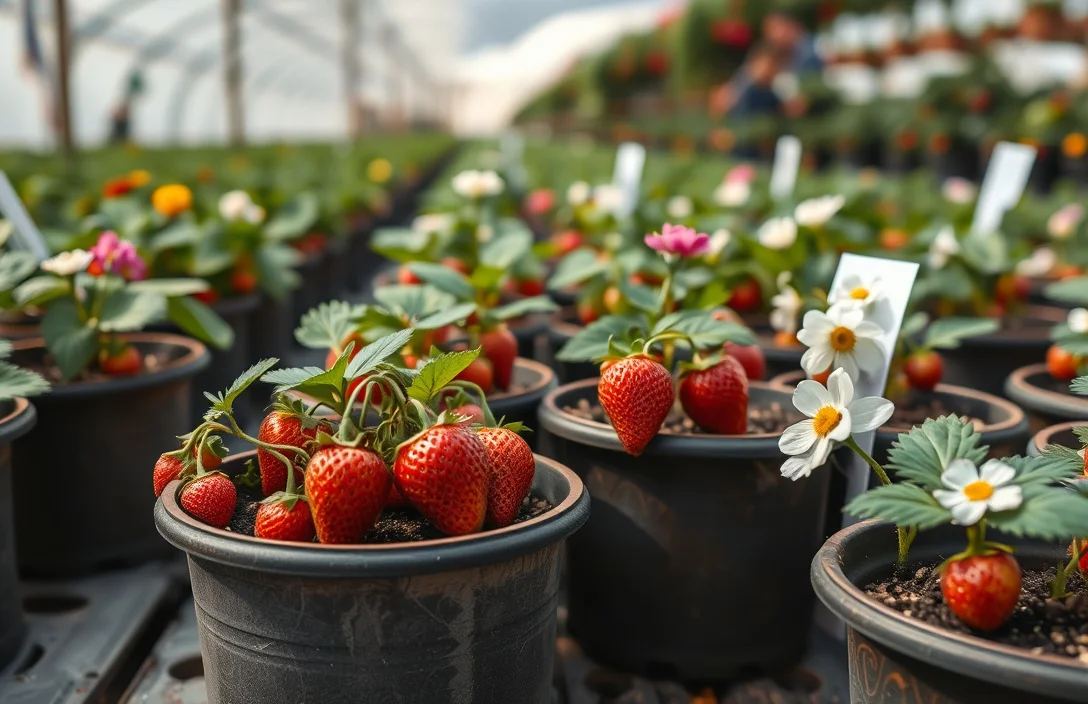
Strawberry pots are great because they stack a lot of plants in one spot, but the pockets create fast-drying micro-climates. The right flowers add color without stealing water from strawberries. Use small, trailing, or compact flowers that tolerate dry-to-moderate conditions and don’t root through the strawberry zone.
Pick flowers that match the light your strawberries get (usually full sun). Aim for one flower per pocket tier spacing pattern so each plant stays manageable. With careful watering, even steady performers like marigolds and nasturtiums can thrive in strawberry pockets.
Key Takeaways
- Choose compatible roots. Use shallow-rooted flowers so strawberries do not get crowded.
- Match the light. Most strawberry pots want full sun, so pick sun-loving flowers accordingly.
- Use pocket-friendly size. Go for compact or trailing flowers that fit the pot pockets and tiers.
- Plan for airflow. Leave a little space between clumps to reduce mildew in warm, humid weather.
- Water by design. Strawberry pots dry fast on top, so flowers should tolerate quicker drying.
- Avoid greedy spreaders. Skip aggressive runners that can overwhelm the pocket openings.
What to Know Before You Plant Flowers in Strawberry Pots
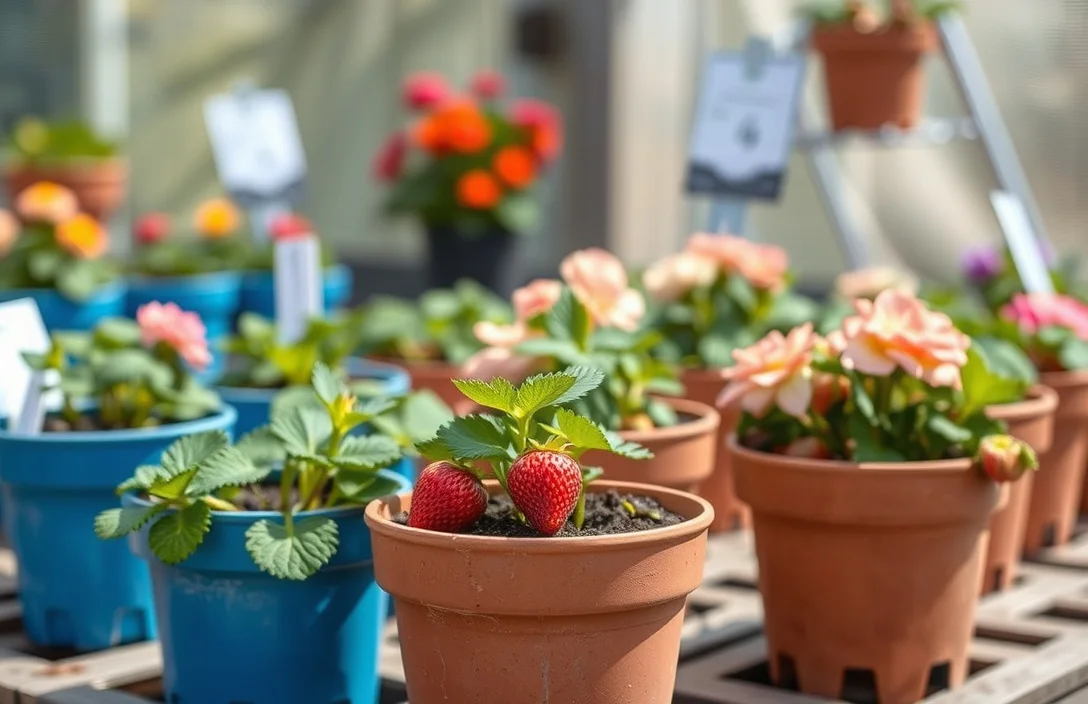
Treat strawberry pockets like vertical planting “real estate.” Strawberries are the main crop, so pick flowers that stay compact, don’t hog water, and won’t send out long runners into neighboring pockets.
Strawberry pots dry from the top down. Upper pockets get more sun and airflow, so flowers there must handle faster drying. Lower tiers hold moisture longer, so slightly thirstier flowers can sometimes work lower in the pot.
Soil mix affects everything. A chunky, well-draining mix reduces fungus and “wet feet” issues for flowers. If the pot holds water too long, densely planted pockets show the trouble first.
Timing matters more than perfection. Transplants can stall when they’re rushed into harsh conditions. Plant after frost risk passes, keep watering consistent during the first few weeks, and most suitable flowers catch up quickly.
Things that matter most
Start with light. Most U.S. strawberry setups are full sun, so choose flowers that take full sun without constant wilting. If your patio is only part sun, choose more forgiving varieties.
Think pocket size, not garden-bed size. A plant that looks small in a nursery pot can get bulky once roots have limited soil volume to use. Compact forms, low growers, and trail-friendly options fit stacked pockets better than sprawling types.
Manage water competition. Strawberries like steady moisture, but strawberry pots also drain quickly. If you choose flowers that demand constant moisture, you can end up with roots drying out in heat or pushing you to overwater the whole pot.
My practical rule is simple: pair strawberries with flowers that handle moderate dryness. They should still flower when the soil is slightly dry between waterings.
Plan for maintenance from day one. Some flowers reseed and fill pockets with little effort. Others need regular deadheading to keep blooming, and that weekly task only makes sense if you’ll actually do it.
Tips for Planting and Spacing in Vertical Strawberry Pots
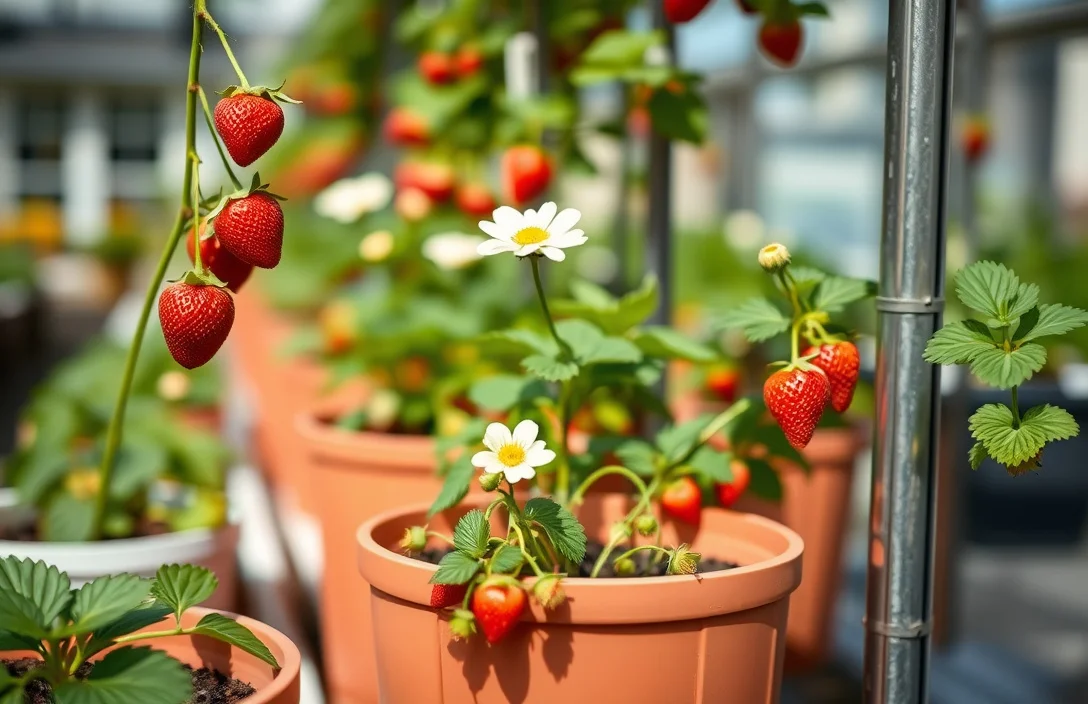
Use the one-pocket rule to avoid crowding early. If you’re unsure, start with one flower per pocket (or per pocket group where there’s room). Add more only if plants grow cleanly and don’t tangle.
Plant in stages if you want smoother results. Set strawberries first, then add flowers once you’ve confirmed good drainage and the strawberries are establishing. This helps prevent uneven moisture from stressing the flowers while the main crop settles in.
Keep crowns and stems at the right depth. Bedding plants and flowering types rot at the base when buried too deeply in a small pocket. Use fresh potting mix, keep crowns at the proper height, and press the soil gently for contact without compacting.
Prioritize airflow. Dense growth can invite mildew, especially in humid regions. If leaves crowd each other, pinch or thin early so the pockets dry between waterings.
Watering in vertical pots needs a rhythm. Water thoroughly so pockets get evenly moistened, then let the pot drain fully. If the top stays dry while the bottom is wet, bloom problems usually show up first in the upper pockets.
Pick one maintenance style. Choose flowers that bloom with minimal deadheading, or choose ones you enjoy deadheading. Mixing high- and low-maintenance types often turns the whole pot into a chore.
Benefits You Actually Get from Flowers Around Strawberries
Flowers can do more than look good. They help attract pollinators while strawberries are blooming, which is useful even in small spaces.
Adding flowers also changes the “all-or-nothing” pest situation. A strawberry-only pot is a single food source packed into a tight area. When you add flowering companions, you get more variety in leaf texture and scent, which can reduce the odds that one pest feast becomes an outbreak.
Flowers can also improve how you monitor the pot. Some companions react to stress visually before strawberries show it. If a pocket flower droops or browns at the edges, that pocket may be drying faster or taking too much sun intensity.
You also extend seasonal interest. Strawberries concentrate fruiting in spring to early summer. Many flowers keep producing into summer. Stagger bloom times so the pot stays attractive after harvest.
A strawberry pot setup is easier than full-scale companion planting. You’re choosing pocket-compatible plants, not redesigning an entire garden border, so adjustments are simpler.

Helpful pick
Pinky Family 5-Tier Vertical Garden Tower Stackable Planter for Strawberries, Flowers, Vegetables & Herbs(Indoor & Outdoor)
This multi-tier planter makes it easy to pair strawberries with companion flowers, promoting pollination in small spaces.
Flower Options That Fit Strawberry Pots
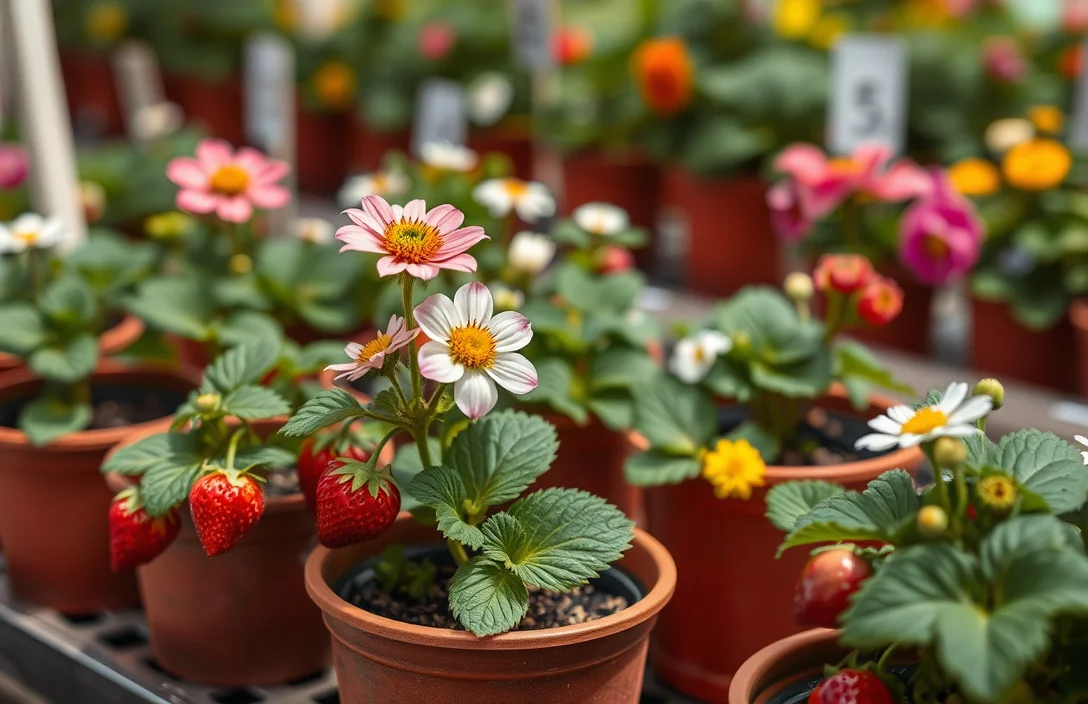
Marigolds are a reliable starter companion. They stay relatively compact, handle sun well, and add bright color without constant fuss. They’re also easy to mix into containers when you want dependable blooms for the effort.
Nasturtiums work well when you want a trailing spill from the upper pockets. They soften the edges and handle less-than-perfect conditions while still flowering. If your pot dries quickly on top, nasturtiums often match that environment well.
Pansies and violas make sense for cool-season plantings. If you’re working early spring or doing a fall strawberry crop, they can add color while strawberries are gearing up. As temperatures rise, some cool-weather blooms fade, so treat them as seasonal partners.
Alyssum is pocket-friendly and stays low. It fills small openings with a soft, even look and can create a continuous bloom effect without blocking pockets. Thin it if it gets too dense.
Dwarf zinnias can work if you choose truly compact varieties. The trade-off is regular deadheading for strong, steady flowering. If you’re okay with weekly upkeep, they contrast nicely against strawberry foliage.
If you need a simple selection rule: choose compact flowers that like sun and tolerate moderate drying, then place the most heat-tolerant ones in the upper pockets.

Helpful pick
Stackable Vertical Planter Tower, 4 Tier Strawberry Planter,16 Plant Sites, Space Saving Garden Planter for Vegetables & Herbs, Indoor Outdoor, Made in USA (Desert Sand)
Ideal for compact companion flowers, this four-tier strawberry planter saves space and boosts blooms.
Expert Advice for Choosing Flowers That Behave Like Good Roommates
Start with the strawberries. Then pick flowers that won’t turn the pocket openings into a takeover.
Limited soil volume per pocket is the biggest constraint. Avoid plants that sprawl, send deep roots, or quickly outgrow the space. If a flower’s growth habit looks messy in a ground bed, it usually looks worse in a pocket.
In heat-prone areas, bias toward heat and dryness tolerance. Upper pockets run hotter and dry faster than most people expect, especially on patios. Flowers that don’t bounce back after wilting create patchy results.
Water consistently early. For the first few weeks after transplanting, water more carefully so every pocket establishes. After that, you can shift to a steadier rhythm that keeps strawberries productive and allows the pot to drain.
Look for patterns, not one-off symptoms. If leaf damage shows up in one pocket, check crowding and moisture first. In tight pots, stress from uneven drying or too-dense growth often looks like “bugs are the problem.”
Deadheading should be a tool you choose, not a surprise chore. If your flowers need frequent deadheading to stay vigorous, plan a weekly sweep. If you want low-effort color, pick bloomers that don’t require constant cleanup.
Account for local weather swings. Even a good choice can fail if your summer swings between scorching sun and sticky humidity. Spacing and airflow are part of plant selection, not optional “later” work.

Helpful pick
VECELO 5 Tier Vertical Garden Planter, Self Watering Stackable Planters with Wheels for Strawberries, Herbs, Flowers, Vegetables, White
This self-watering, 5-tier planter fits small pockets, keeping strawberries and companion flowers thriving without overcrowding.
Practical Flower Combinations for Strawberry Pots
Goal the look at a balanced setup where flowers don’t block strawberry access or crowd pocket space.
- Marigolds in middle and upper pockets, strawberries as the main crop, and a soft spiller like alyssum on top rim pockets. This keeps color strong without tall supports and looks full even when strawberry fruiting slows down.
- Nasturtiums in the upper pockets for trailing spill, paired with compact flowers like dwarf zinnias in a couple of mid-level pockets. You get structured bloom plus spill. Expect more attention from the zinnias to keep them performing.
- Pansies or violas for early spring or fall harvest strawberries, paired with marigolds or alyssum to bridge toward warmer-season continuity. Replace the cool bloomers as temperatures rise for a seasonal transition plan.
- Alyssum across many pockets for continuous look, plus one bold compact color choice like a compact marigold variety for contrast. Thin alyssum if it gets too dense.
If you want the simplest starting kit: marigolds for the sun-facing pockets and nasturtiums for pockets near the top where spill looks best. Adjust next season based on which pockets dried out fastest in your yard.
FAQ
What flowers can I plant in strawberry pots without competing too much with strawberries?
Choose compact, shallow-rooted, or moderately drought-tolerant flowers. Marigolds and alyssum are common picks because they generally stay manageable in container pockets. If you’re unsure, start with one flower per pocket and increase only after you see steady strawberry growth and consistent flowering.
How many flowers should I put in one strawberry pot?
Start with one flower per pocket that’s not reserved for strawberries. If your pot has many pockets, start with fewer flowers than you think you need, then add more once plants establish. Crowding usually weakens flowering and makes watering more frequent.
Do flowers in strawberry pots need extra watering?
Match the flowers’ watering needs to your strawberries, not to constant moisture. Strawberry pots dry faster on the upper tiers, so top pockets may need more frequent checking during hot weather. Water thoroughly and let excess drain, because constantly wet soil increases rot risk in small pockets.
When should I plant flowers in a strawberry pot?
Plant flowers when you set out strawberry transplants, after frost risk passes. If you start strawberries first, wait about 1-3 weeks before adding flowers so the main roots establish and your watering schedule stabilizes. That timing reduces transplant stress and improves early bloom.
What’s the most common mistake with flowers in strawberry pots?
The most common mistake is planting aggressive spreaders or tall, bulky flowers that outgrow the pocket openings. That causes shading, tangled roots, and reduced strawberry vigor. Stick to compact or trailing types, and thin pockets that get too dense to keep airflow moving.

- 10 Best Slow Cooker With Spill Proof Design 2026 (Tested And Reviewed) - October 24, 2026
- 10 Best Slow Cooker With Locking System 2026 (Tested And Reviewed) - October 24, 2026
- 10 Best Slow Cooker With Insulated Lid 2026 (Tested And Reviewed) - October 23, 2026