Can You Put Hot Pots On Quartz Countertops?
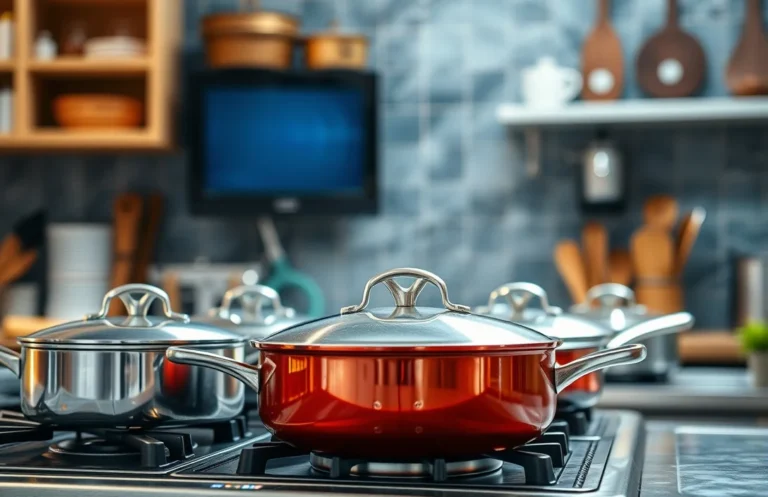
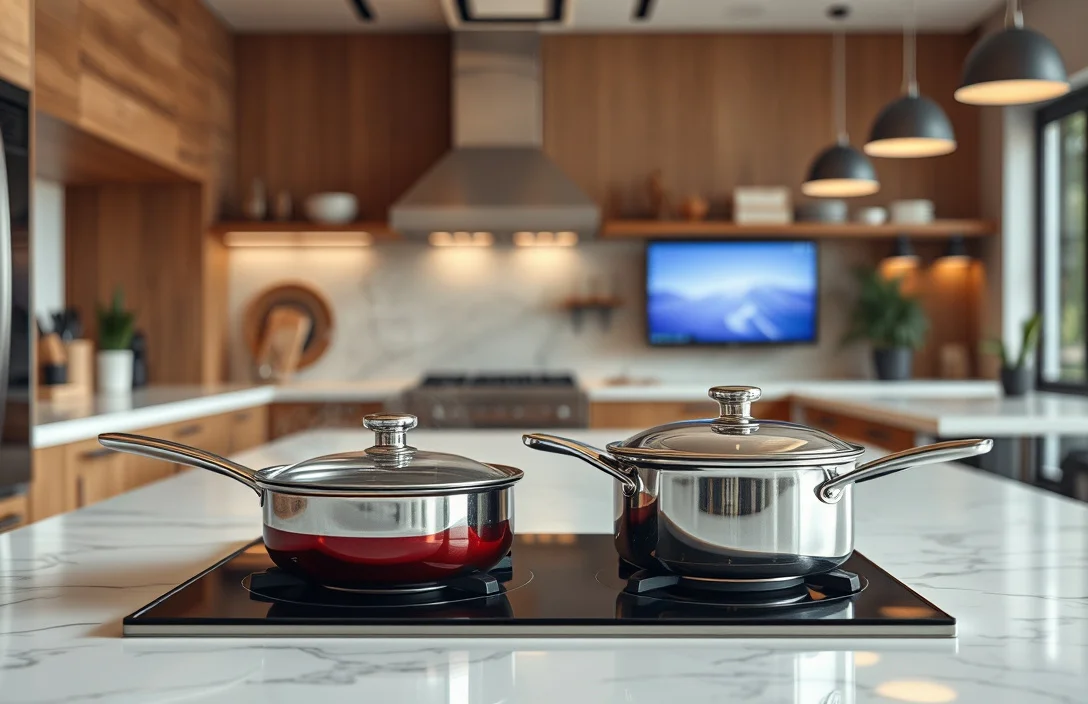
Yes, you can put hot pots on quartz countertops, but not directly. Quartz is strong and scratch-resistant, yet it can still suffer localized dulling, discoloration at the hottest spots, or stress if the stone is already compromised. Use a barrier every time – a trivet, hot pad, or thick silicone mat – and let cookware cool slightly before you set it down.
Hot cookware is the real trigger, not the weather. A pot that’s resting after simmering for a few seconds is less risky than one that’s boiling, steaming heavily, or freshly out of the oven. Direct contact is also riskier with concentrated heat sources, like ceramic-lined cookware bottoms or small pot feet that focus heat on a tight area.
Key Takeaways
- Direct contact can leave marks. Very hot pots can cause localized dulling or discoloration.
- Always use a barrier. Trivets and hot pads spread heat and prevent direct surface contact.
- Oven heat is the no-direct-contact moment. Pots and dishes straight from the oven should go on a pad first.
- Don’t rush cooldown. Give cookware about a minute to cool before it touches quartz without a barrier.
- Pick the right pad. Use kitchen heat-rated silicone, cork-backed trivets, or thick heat-resistant mats.
- Follow your warranty. Some quartz brands require trivets for thermal protection.
What Quartz Actually Needs from You
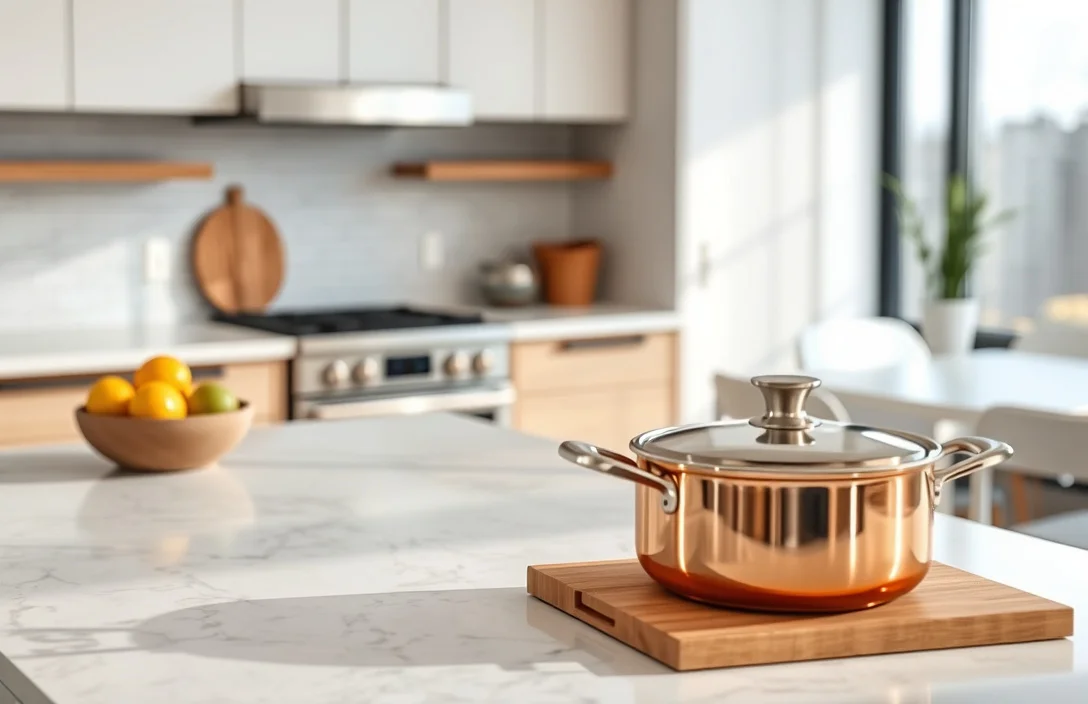
Quartz countertops are engineered stone made from quartz aggregate held together with a resin binder. That resin is what can be most sensitive to extreme heat, even though the stone surface is tough. The surface may handle casual warmth, but damage risk climbs when the pot is very hot and stays in place long enough to transfer concentrated heat.
This is why “hot pot” matters more than “hot day.” A pot that’s just been simmering briefly is different from a pot actively boiling and steaming or still roasting-hot. If your quartz has chips, cracks, or any weak seams, heat can worsen the area because there’s less protection and more chance for stress.
Even when the countertop survives, heat can show up as a “ghost” outline – the exact shape of where the hot item sat – because the heat transfer is localized.
The Real Reason Hot Pots Can Hurt Quartz
The goal is simple: prevent concentrated, prolonged heat transfer. Quartz handles everyday kitchen temperatures, but localized hot spots and thermal stress are where you get dull marks, color changes, or resin surface issues.
Time plays a big role too. A trivet isn’t just a protective accessory – it spreads the contact area and reduces the intensity at the quartz surface. The longer a pot sits directly on the stone while it’s extremely hot, the more energy the surface absorbs.
Your habits matter because they control contact time. If you routinely set a steaming Dutch oven down, step away, and come back later, you’re stacking the exact conditions that create visible marks. Keeping a trivet by the stove turns this into a non-issue.
- Quartz tolerates warmth, not direct extreme heat. Use a barrier for very hot items.
- Small contact areas create the worst hot spots. Narrow feet and small bases heat unevenly.
- Direct contact gets worse the longer it lasts. That’s when dulling and discoloration stick.
How to Handle Hot Cookware on Quartz (Without Guessing)
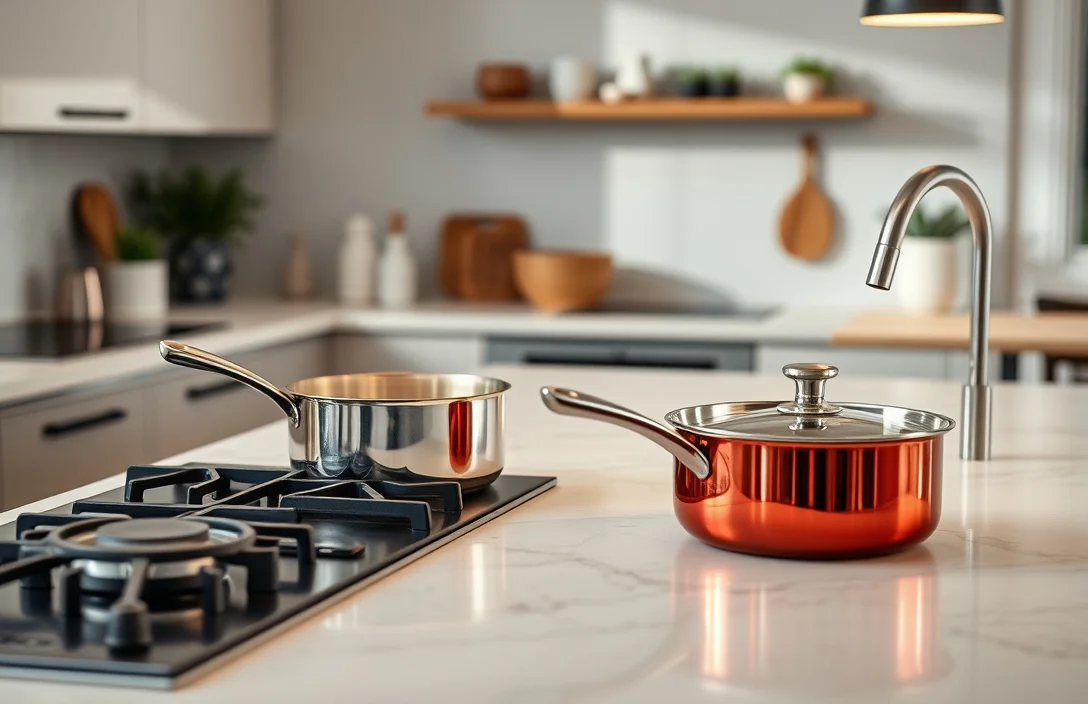
Treat quartz like a “use a trivet” surface. The easiest way to protect it is to keep a heat-safe mat on the counter where you set hot pans and pots. Don’t wait until you’re holding something scalding – that’s when people set it down quickly and forget the barrier.
Use a routine that fits real cooking:
1) Put a trivet or hot pad near the cooking zone before you start.
2) Set hot cookware on the trivet, not directly on the stone.
3) If you have to place it temporarily, move it to a barrier as soon as you can.
4) After boiling or roasting, let the pot cool slightly before it touches the counter again.
5) Avoid stacking cookware in a way that keeps both bases in hot contact during transfers.
Choose a mat that actually insulates. Thicker trivets generally spread heat better than thin silicone sheets. Cork-backed trivets can help with diffusion, but only use ones designed for hot cookware contact. Look for kitchen heat-resistance labeling, not generic “coaster” products.
Cookware design changes the risk. Flat, thick pot bottoms distribute heat better than small feet or narrow bases. If you’re using a smaller stainless pot with a tight contact area, you’ll need more insulation than you’d use for a wide Dutch oven sitting on a trivet.
What You Get Right When You Protect Quartz
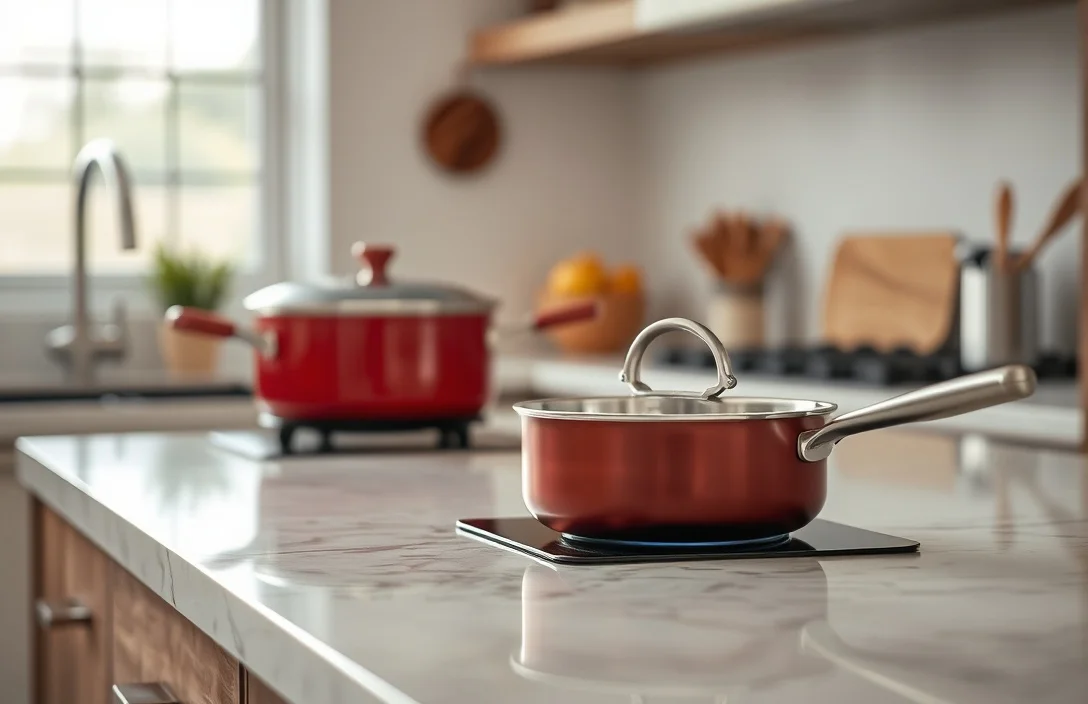
Quartz countertops handle everyday use well, and with the right precautions they keep looking clean. The biggest benefit of using barriers is preventing localized dulling or discoloration that can be hard to undo once it forms.
A consistent trivet habit also reduces “countertop stress” around seams and edges. Extreme heat contact is exactly what you want to avoid near transitions and fabricated joints.
There’s a practical payoff too: you don’t need to treat every meal like a countertop hazard. Keep a silicone mat or trivet within reach, and you can handle roasting-hot cookware and repeated hot-to-counter moves without turning it into a careful ritual.
- Fewer permanent marks. Trivets reduce ghost outlines and dull spots.
- Cleaner-looking seams and edges. Preventing extreme contact helps protect vulnerable areas.
- More confidence in normal use. Quartz stays attractive when you block direct extreme heat.
Your Best Options for a Heat Barrier
You have three solid “landing options,” and the best one is the one that’s thick enough to insulate and stable enough not to slide while your cookware is hot.
| Option | Key Spec/What to Look For | Best For |
|---|---|---|
| Trivet | Stable, heat-rated, spreads contact area | Hot pans, skillets, Dutch ovens |
| Thick silicone hot mat | Heat-resistant, thicker is better, non-slip | Counter setup while prepping or draining |
| Heat-resistant pad | Designed for cookware heat, not just tabletop coasters | Quick placement during busy moments |
For a simple everyday setup, place a countertop trivet near your primary cooking zone. If your kitchen workflow moves hot items around often, a larger silicone hot mat gives you a bigger “safe zone” so you don’t have to place every pot perfectly.
For oven-to-counter transfers, choose the most insulating barrier you have. Oven heat overwhelms surfaces more easily, so avoid thin buffers that don’t meaningfully separate the hot base from the stone.
My Practical Rule for Quartz and Hot Pots
Use the same assumption every time: quartz can handle warmth, but it can’t handle heat concentration. That means no direct landing from boiling or roasting, and no leaving a hot pot sitting on the countertop while you do something else.
If cookware is steaming heavily or the base looks like it’s still radiating heat, place it on a trivet right away.
For longer cooks, treat the trivet like part of your station. Repeated direct contact is how small issues add up into visible marks. A heat mat left out by the stove removes the “oops” moments.
Also pay attention to how products are labeled. Some items are safe for food serving but aren’t designed for direct cookware contact. Use kitchen heat-rated pads or trivets meant for hot pans and pots, and use them consistently.
If your countertop has an edge detail, protect the edges. Risk rises near seams and fabricated transitions. Keep hot objects away from tight edges and the most vulnerable joints, especially if the countertop is newly installed.
Common Real-World Scenarios (And What to Do)
When you cook pasta and lift the pot off the burner, set it on a trivet while you drain. The barrier spreads heat and gives the base a chance to cool without transferring concentrated heat directly to quartz. After a minute, you can move it toward the sink more comfortably.
Most trouble comes from “just for a second.” Setting a fresh-from-the-stove pot directly on quartz while you grab a towel – then forgetting it there while you wipe the counter – extends the direct contact window. That’s when faint outlines and dull patches show up.
Oven-to-counter placement is the clearest no-direct-contact moment. If a casserole dish comes out blazing hot, put it on a thick heat pad or trivet immediately, then let it cool further before moving or handling.
Treat oven cookware as too hot for direct contact until it’s cooled enough that it no longer feels like it’s radiating heat.
FAQ
Can you put hot pots directly on quartz countertops?
Quartz is durable, but direct contact with very hot cookware is where localized dulling or discoloration can happen. In most U.S. kitchens, use a trivet, hot pad, or thick heat-resistant silicone mat for every hot pot or pan.
What kind of heat pad is safest for quartz?
A thick, non-slip heat pad made for cookware contact is safest. Look for kitchen heat-rated silicone mats, cork-backed trivets, or purpose-made trivets that spread contact and reduce concentrated heat transfer to the stone.
Will one hot pot on quartz ruin it?
One brief moment usually doesn’t cause obvious damage, but risk depends on pot temperature, contact time, and how small the base contact area is. If you see a faint mark after direct contact, stop placing hot cookware directly on quartz and use a trivet every time.
How long should cookware cool before placing it on quartz?
Let cookware cool for about a minute before it touches the counter without a barrier. If it’s still steaming heavily or the handle feels extremely hot, keep using a trivet until the “radiating heat” feel goes away.
What’s the most common mistake with quartz and hot pots?
Setting hot cookware directly on the countertop and multitasking – then leaving it there longer than you intended. Using a heat barrier as the default landing zone removes the timing slip that causes most visible marks.

- 10 Best Slow Cooker For Slow Cooking Legumes 2026 (Tested And Reviewed) - October 17, 2026
- 10 Best Slow Cooker For Slow Cooking Oxtail 2026 (Tested And Reviewed) - October 16, 2026
- 10 Best Slow Cooker For Slow Cooking Venison 2026 (Tested And Reviewed) - October 16, 2026