Can You Put Hot Pots On Quartz?
Quartz countertops and “hot pot” moments belong in real kitchens, but the safe answer depends on temperature, contact time, and whether your quartz is sealed or unsealed. Quartz is engineered stone, and thermal shock matters more than the word “heat.” This guide answers whether you can set hot pots on quartz, then gives you clear do/don’t rules for everyday cooking.
Hot pots can damage quartz when the pot bottom is extremely hot, sits directly on the stone, or you repeat the cycle often enough to stress the surface. For normal cooking, quartz usually handles warm-to-hot cookware, but use a trivet for anything fresh off a burner, under a broiler, or pulled straight from an oven.
Key Takeaways
- Direct heat risk exists. Extremely hot, direct contact can stress the surface or crack it over time.
- Use a trivet. Put a trivet or heat pad under any pot that was just on the stove or just came out of the oven.
- Short contact helps. Brief contact is less risky than leaving heat in place.
- Avoid thermal shock. Don’t set a blazing-hot pot on quartz that’s cold, wet, or recently hit with cold water.
- Check your warranty. Many installers want a protective pad for “hot items.”
- Look for hairline cracks. Tiny lines near edges or seams mean you should stop direct heat and monitor closely.
What to Know About can you put hot pots on quartz
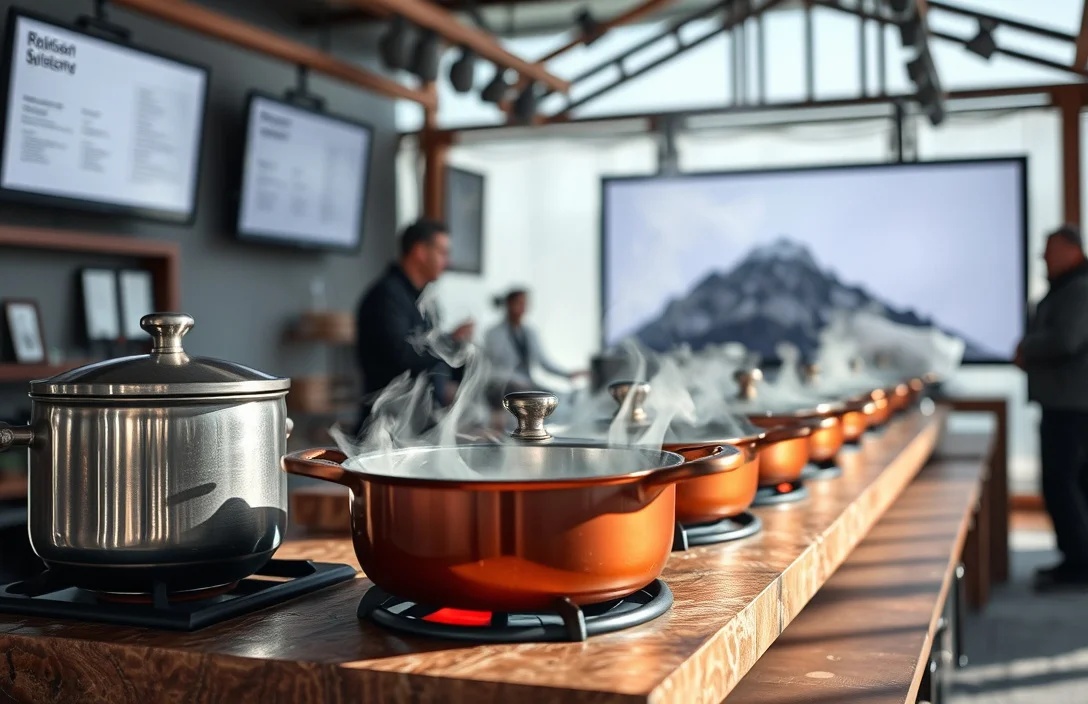
Quartz handles heat better than most people expect, but it’s not invincible. The concern isn’t that quartz “melts” on contact. The bigger problem is thermal stress from uneven expansion, especially at edges, seams, and chipped areas.
Quartz also isn’t one uniform material. Engineered stone brands and finishes vary, and your installer may have listed specific do’s and don’ts for heat exposure. If you still have the paperwork or product tag, check it, because warranties often require protection like trivets, pads, or placing hot items on a heat-safe surface.
Cookware design changes the risk too. Thick bases (like some stainless or cast styles) can stay extremely hot longer, while thinner bottoms cool faster once they’re off the burner. “Hot pot” risk comes down to the heat source and how long the pot bottom stays in contact.
Things that matter most
Can you put hot pots on quartz? Yes in many everyday situations, but only when you manage temperature and contact time. If a pot has been sitting on the burner or you just pulled it from a 400-500°F oven, treat the bottom as hot enough to justify a trivet.
These are the rules I’d follow in a real kitchen:
- Treat “just-off-the-heat” cookware as unsafe. Use a trivet for pots and pans that are still very hot.
- Watch edges and seams. Cracks often begin where the stone is most vulnerable, not in the middle.
- Avoid repeated abuse. Even if one incident looks fine, repeated thermal stress increases risk.
- Never add cold shock to hot stone. Don’t place a hot pot on quartz that’s cold, wet, or freshly cleaned and chilled with cold water.
If you want one habit that prevents most issues: keep a silicone or cork trivet within reach and use it every time, even when the pot “doesn’t seem that hot.” It’s cheaper than a repair.
Tips for can you put hot pots on quartz
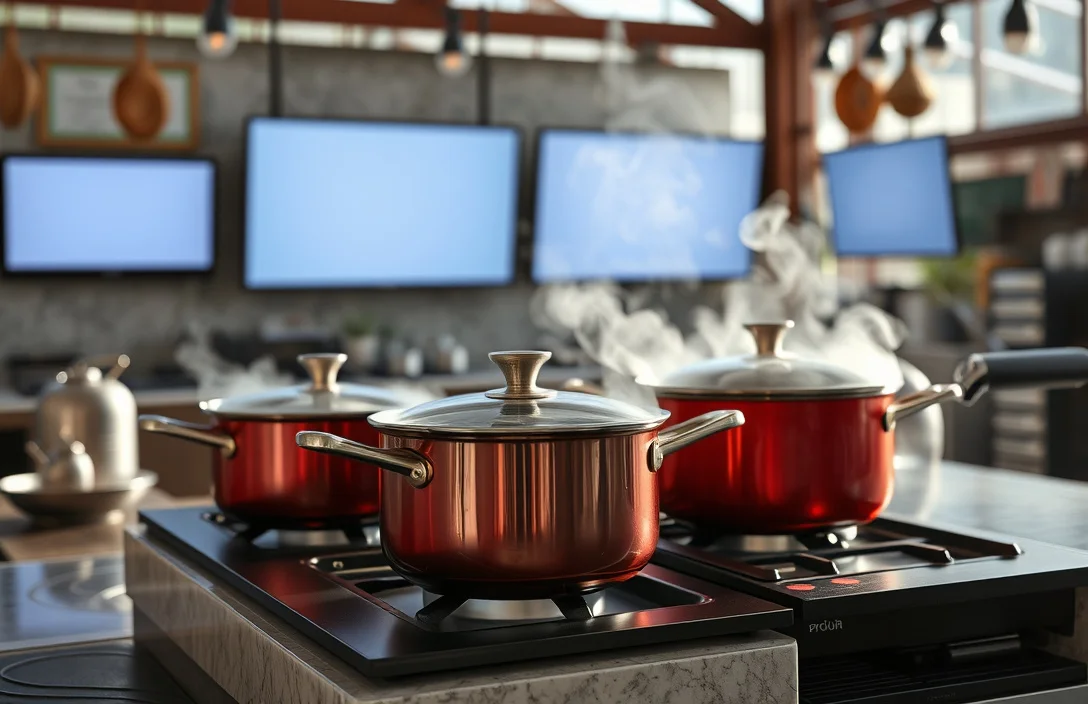
Use a trivet without turning it into a production. A silicone mat, heat pad, or cork trivet reduces direct thermal shock and spreads heat over a larger area.
Practical tips that actually help:
- Skip direct contact. Don’t set a pot straight from a roaring burner onto bare quartz.
- Give it a moment if you have to. If you’re in a hurry, wait 30-60 seconds after removing from heat, then set it down.
- Lower it carefully using the handle area first. Place the pot so you’re less likely to scrape or tip while it settles.
- Avoid wet-stone contact. Dry the counter if it’s wet from washing.
- Protect during prep. A hot cast-iron skillet concentrates heat into a small contact spot. Use a trivet so you don’t create a hotspot.
Most “oops” moments happen at cooking transitions. People remove a pot, grab a colander or towel, and set it down directly. The easiest fix is simple: trivet first, hot pot second.
When it’s probably fine
Quartz is usually okay for day-to-day living when the cookware is warm, not scorching, and the contact is brief. Think “off the burner and cooling a bit,” not “glowing-hot pan base after the oven.”
Benefits of can you put hot pots on quartz
Quartz’s real strength is that it supports modern cooking routines. You’re unlikely to see immediate damage from normal cooking temperatures or incidental contact when you’re not repeatedly blasting extreme heat directly into the stone.
There’s also everyday usability. Quartz countertops are built for kitchens, including routine cleaning and day-to-day wear. Using a trivet keeps the surface practical, because trivets are quick, easy, and always the right choice for “just-off” cookware.
Good heat habits protect resale value too. Hairline cracks, chips, or discoloration around problem areas create doubt for buyers and can point back to uneven stress. Using protection for “just-off-the-heat” items helps keep the surface looking consistent and intact.
Options for can you put hot pots on quartz
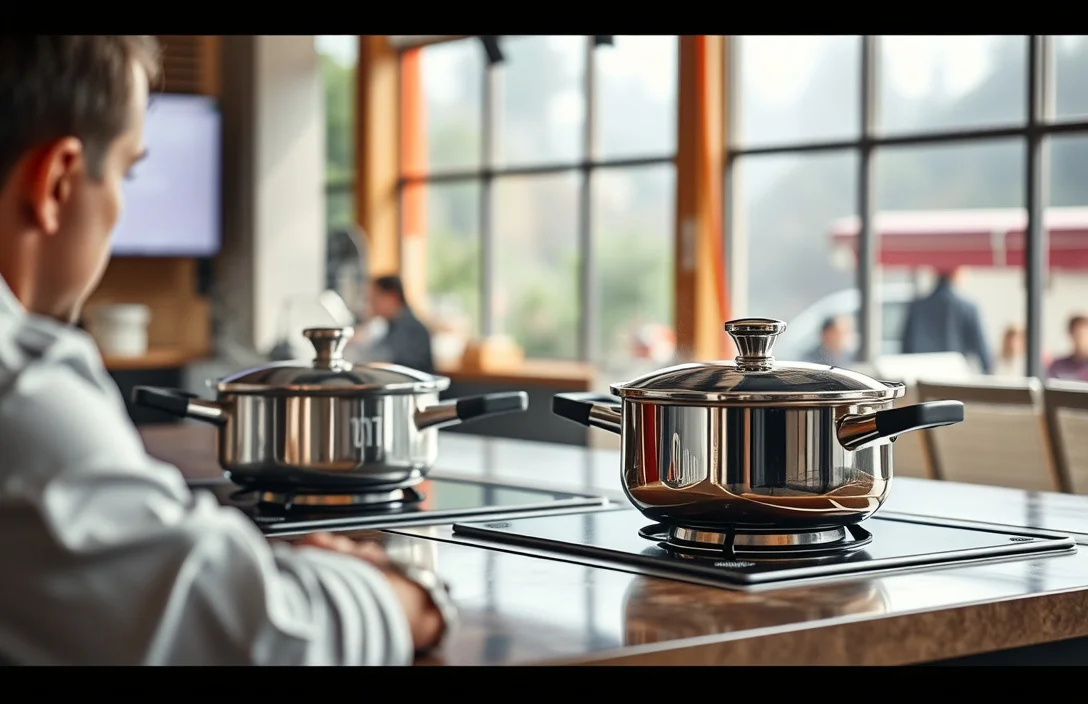
You can play it safe without slowing your workflow. The best option depends on how often you move hot cookware around and how hot it gets.
Here’s a practical comparison:
| Option | Best For | Heat Protection Level | Notes |
|---|---|---|---|
| Silicone trivet | Daily cooking | Medium-High | Easy to store, usually non-slip, good under pots |
| Cork trivet | Everyday hot pans | Medium | Absorbs some heat, but replace if it gets damaged |
| Heat pad (insulated) | Oven-to-counter | High | Covers more area, great for cast iron and thick stainless |
| Hot plate / portable burner mat | Frequent transfers | High | Keeps hot cookware off the counter entirely |
| Metal trivets | Heavy pots | Medium | Check feet and stability, can concentrate heat if small |
If you cook heavily with cast iron, roast often, or pull hot items from the oven multiple times a day, I’d choose an insulated heat pad or a dedicated mat. If your cooking is mostly stovetop and you’re consistent about using protection, a silicone or cork trivet is usually enough.
Workflow matters. If you’ve got a counter “landing zone,” keep trivets there so you don’t skip them when you’re busy. Safety habits fail when the protective item is inconvenient to grab.
Expert Advice on can you put hot pots on quartz
Use protection for cookware that just came from a heat source. Quartz may be reasonably heat resistant, but thermal shock risk rises with extreme temperature differences, long direct contact, and repeated events.
Control where the heat lands too. Set hot pots and pans closer to the center of the counter when you can, not over seams or the most fragile edge zones. If you see a chip near an edge, stop direct bare-contact heat in that area immediately, because damage tends to spread from weak points.
Be conservative with “extreme heat.” The biggest offenders aren’t gentle warmth. They’re straight-off-the-burner and straight-out-of-the-oven moments. Treat those as trivet-only and you’ll avoid most countertop problems without complicated rules.
Decision shortcut:
- If it’s just off a burner or oven, use a trivet.
- If it’s been cooling for a bit and clearly isn’t scorching, you’re likely okay.
- If the counter is wet or cold, wait and dry before placing the pot.
can you put hot pots on quartz?
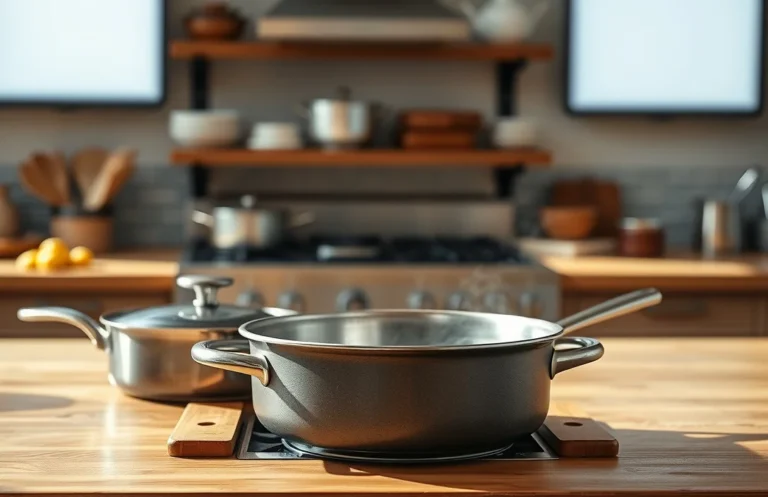
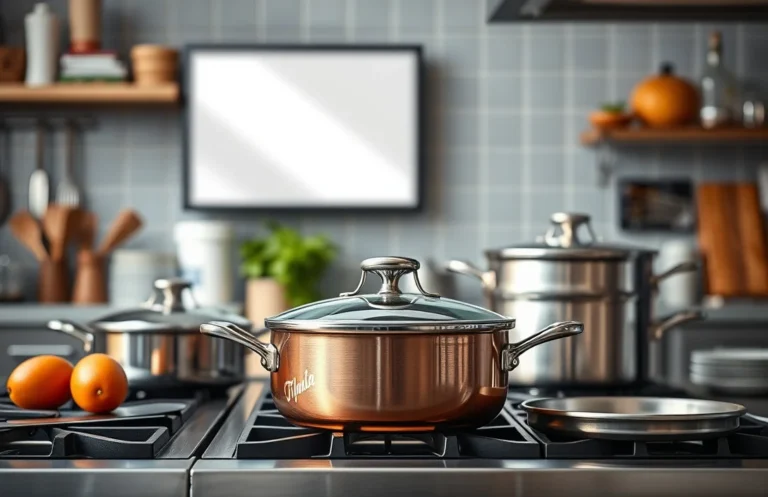
Finish boiling pasta, lift the hot pot off the stove, and set it down while you grab a colander. Directly placing it on bare quartz creates concentrated, high-temperature contact. Put a trivet on the counter first, and the heat spreads out so the stone takes less stress.
A roasting pan straight from a 450°F oven sits in a different category than a simmering pot. Use an insulated heat pad or at least a thick trivet, then let it cool before you move it around the kitchen. This is the scenario most likely to cause problems because the pan base can stay extremely hot.
Cookware matters because heat retention varies. Cast-iron skillets hold heat longer, so even after you remove them from the burner, the bottom stays hotter for longer. Setting those down quickly is where people get burned, and it’s also where quartz takes more heat.
Cleaning is another common trigger. If you rinsed the counter with cool water or wiped it down, then place a blazing-hot pot directly on it, you create uneven temperature stress. Dry the surface first, then use the trivet.
FAQ
Can quartz countertops handle hot pots without damage?
Quartz often handles everyday cooking heat, but pots and pans that are just-off-the-stove or just-out-of-the-oven should go on a trivet. Direct contact from extremely hot cookware increases the chance of thermal stress, especially near edges or seams. Use a heat pad or silicone trivet whenever you set a hot pot down.
What happens if I put a hot pot on quartz by accident?
One accidental placement usually doesn’t cause visible immediate damage. The risk is higher with repeated direct thermal stress, concentrated contact from very hot bottoms, and long contact time. If you notice cracking, chips, or sudden discoloration near the contact area, stop direct heat and get it inspected.
How long should I wait before setting a hot pot on quartz?
Use a trivet whenever you can. If you don’t have one nearby, wait until the cookware isn’t “just off” the heat source and the bottom isn’t scorching to the touch using a safe method (like a dry oven mitt). Waiting 30 to 60 seconds after removing from heat reduces risk compared to immediate placement.
Are there any heat pads or trivets that work best?
An insulated heat pad or a thick silicone trivet spreads heat across a wider surface and reduces direct contact stress. Cork trivets are also common for everyday protection. Choose something with stable footing so the pot doesn’t rock, and make sure the protective item covers enough area for the pan base.
What’s the most common mistake people make with quartz and hot cookware?
The most common mistake is placing hot pots and pans directly on bare quartz, especially straight from a burner or oven, and doing it repeatedly. People also forget about wet or freshly cleaned spots on the counter, which increases uneven temperature stress. The fix is simple: keep a trivet or heat pad in the same “landing zone” so you use it automatically.
When deciding whether you can put hot pots on quartz, use a trivet for anything just off the burner or oven. Next, choose one heat-safe landing tool you’ll actually reach for (a silicone trivet or an insulated pad), keep it where you cook, and treat every hot pot transfer as “trivet first.”

- 10 Best Slow Cooker For Slow Cooking Oxtail 2026 (Tested And Reviewed) - October 16, 2026
- 10 Best Slow Cooker For Slow Cooking Venison 2026 (Tested And Reviewed) - October 16, 2026
- 10 Best Slow Cooker For Slow Cooking Turkey 2026 (Tested And Reviewed) - October 16, 2026