Lily Of The Valley Pots: How To Grow With Cool Dormancy
Yes. Lily of the valley (often sold as Convallaria majalis) grows well in containers when the pot drains fast, the plant gets bright shade or gentle sun, and it receives a cool dormancy period. Keep rhizomes moist but never soggy, because they rot quickly when water sits around them. Also treat it as toxic: every plant part is unsafe if eaten, so place the pot where kids and pets cannot reach it.
Key Takeaways
- Drainage wins. Use a pot with drainage holes so rhizomes do not sit in water.
- Cool dormancy matters. Plan a cold rest period, or blooms often disappoint.
- Bright shade helps. Give morning sun or bright shade for steady growth.
- Moisture should be steady. Water when the top inch dries, then drain fully.
- Toxicity is real. Keep pots away from kids and pets, and wash hands after handling.
- Containment prevents spread. Potted plants still multiply, so divide or replace when crowded.
What to Know About lily of the valley pots
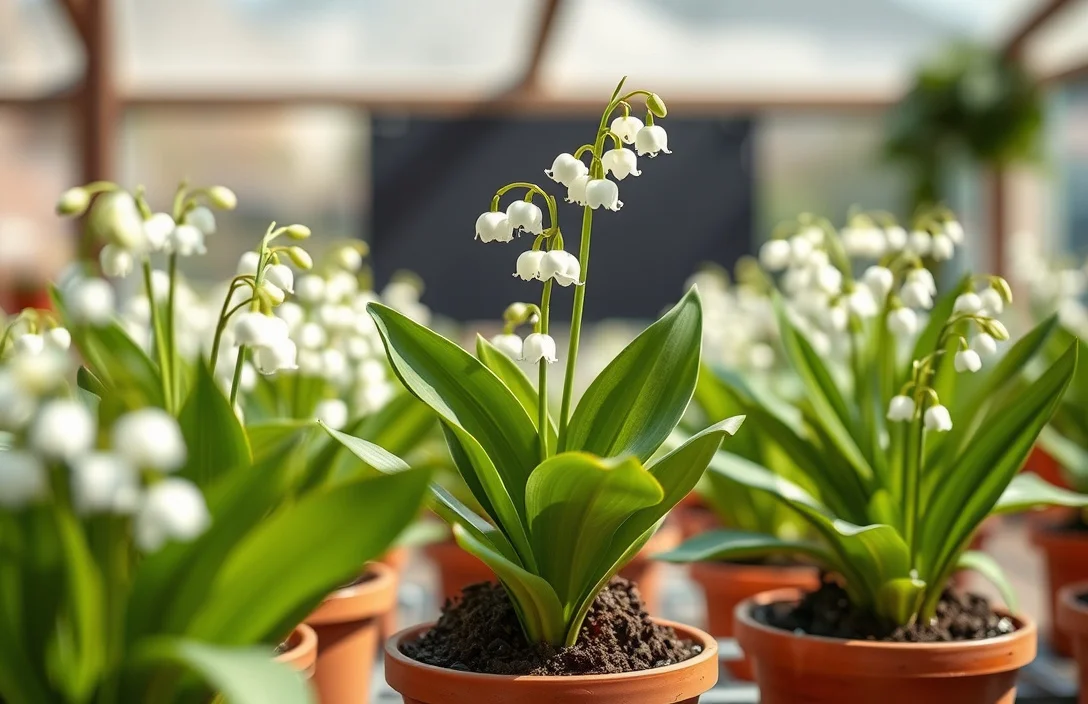
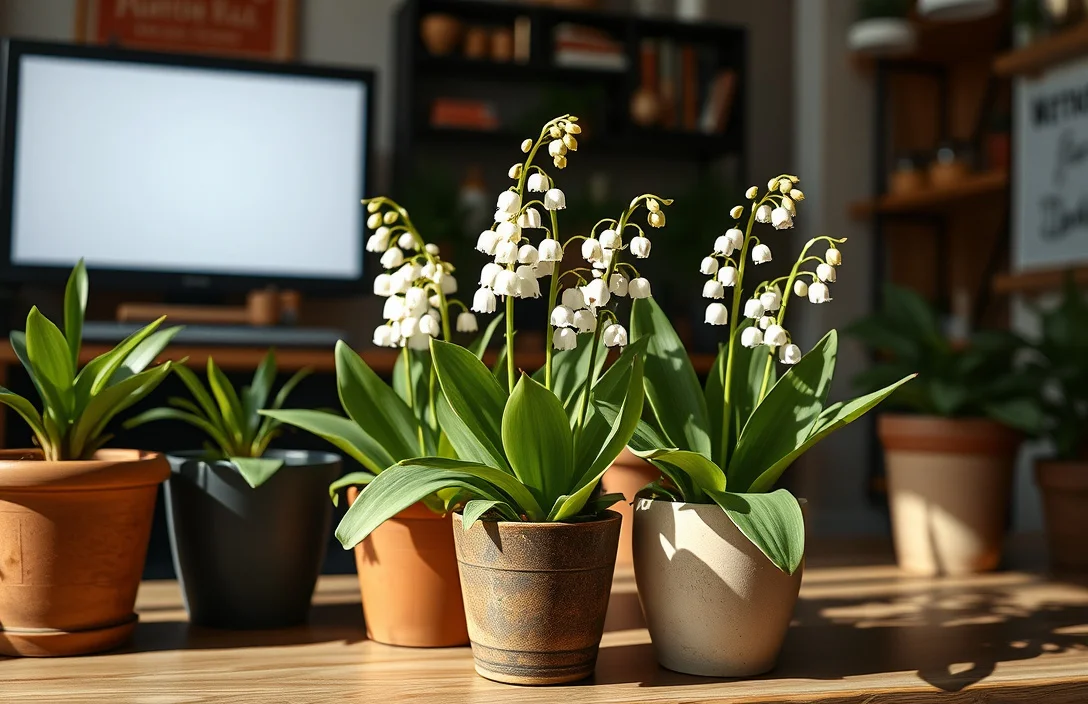
Lily of the valley in pots is really about rhizomes. In container culture, the plant only thrives when the setup matches what rhizomes need: steady moisture, sharp drainage, and a cool cycle it uses to reset for flowering.
Space is the first practical issue. Rhizomes multiply. A pot that seems “just right” in spring can become root-tight and weak the next season, especially if you never divide or repot. If you want dependable flowers, plan to divide on a schedule, not after the plant already looks tired.
Dormancy is the second issue. Even in a pot, lily of the valley expects a cool rest. If you keep it warm and bright all winter like a typical indoor plant, it may keep growing leaves but it often skips the blooms, because it never gets the cool reset it needs.
Finally, toxicity is not a side note. Lily of the valley is toxic if eaten, so treat it like a plant you’d keep secured around curious kids or pets. The safest plan is positioning: keep the pot out of reach and handle rhizomes carefully.
Things that matter most
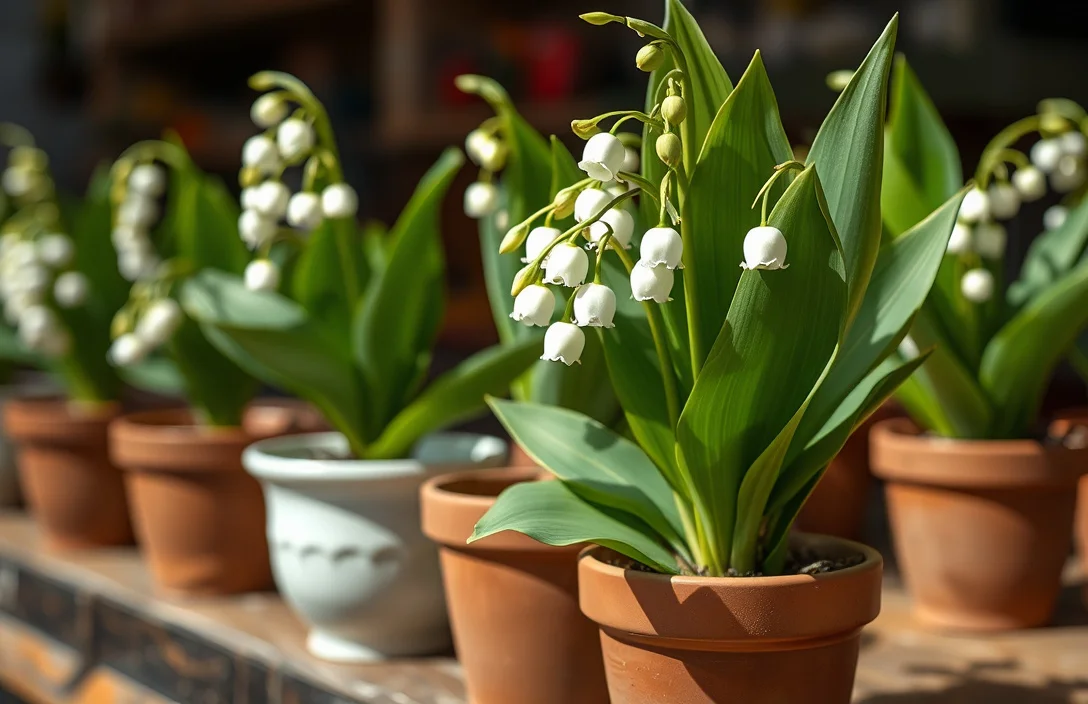
Start with the pot and soil, because drainage controls everything. Use terracotta or a plastic nursery pot inside a decorative cachepot only if the nursery pot drains freely. Don’t place the plant in a decorative bowl with no drainage and rely on “careful watering.” Rhizomes rot fast when they stay wet.
Lighting comes next. Bright shade or morning sun usually works best in most US climates. Too much harsh afternoon sun can stress the leaves, and deep shade often reduces flowering.
Watering should stay consistent. Aim for evenly moist potting mix that dries slightly at the surface between waterings. Water thoroughly so excess runs out the bottom, then empty any runoff. If water lingers in the bottom of the pot or saucer, you’ll get mushy rhizomes and weak stems.
Feeding is optional and should stay light. Lily of the valley needs support after dormancy, not heavy “force growth” fertilizer all winter. Too much fertilizer can encourage leafy growth at the wrong time and leave fewer flowers.
Use this checklist to avoid the most common failures:
- Pot has real drainage holes.
- Use a loose, fast-draining potting mix.
- Keep it evenly moist in the growing season.
- Give bright shade or gentle sun.
- Provide a cool dormancy period.
- Divide when rhizomes fill the pot.
Tips for lily of the valley pots
Pick pot size based on how quickly the rhizomes fill it. A 6 to 8 inch pot can work as a starter for a single clump, but expect it may need dividing sooner than you think. Oversizing the container can delay blooming because the plant spends energy filling space instead of producing flower stems.
Plant rhizomes just below the surface. Lightly cover them with potting mix and water in so they don’t dry out completely. If you plant too deep, emergence slows and flowering often suffers.
Handle dormancy with temperature and timing, not vibes. Cool the pot for winter rest, then move it to brighter conditions to restart growth in spring. Many gardeners store the pot in an unheated garage or a cold porch area (protected from freeze-thaw extremes), then bring it out as growth begins.
If you keep it indoors during the active season, watch humidity and water timing. Dry indoor air combined with inconsistent watering can brown leaf edges even when the plant is technically alive. Outdoors usually gives you more even airflow. Keep dormancy separate so the plant doesn’t get warm “in between” seasons.
Avoid the common loop: the soil feels wet, so you water less, then it dries too far, which stresses the plant. Your goal is steady moisture. Water only after the top inch dries, then drain fully.
Helpful pick
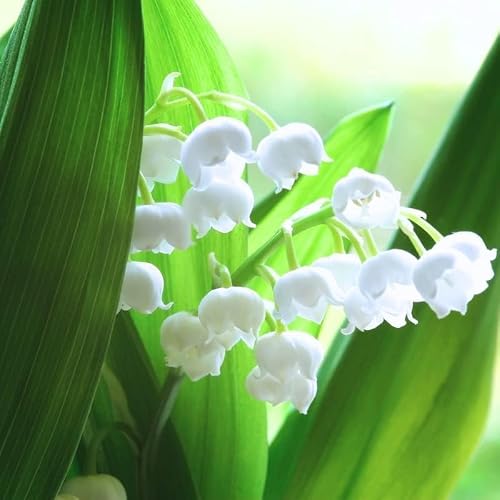
4 Lily of the Valley Roots for Planting – Stunning White Weeping Flowers – Fresh Leucojum Roots to Grow – Fragrant Spring Blooms – Versitile Planting – Low Maintenance
Provides ready-to-plant lily of the valley roots to try in starter pots and manage rhizome growth.
Benefits of lily of the valley pots
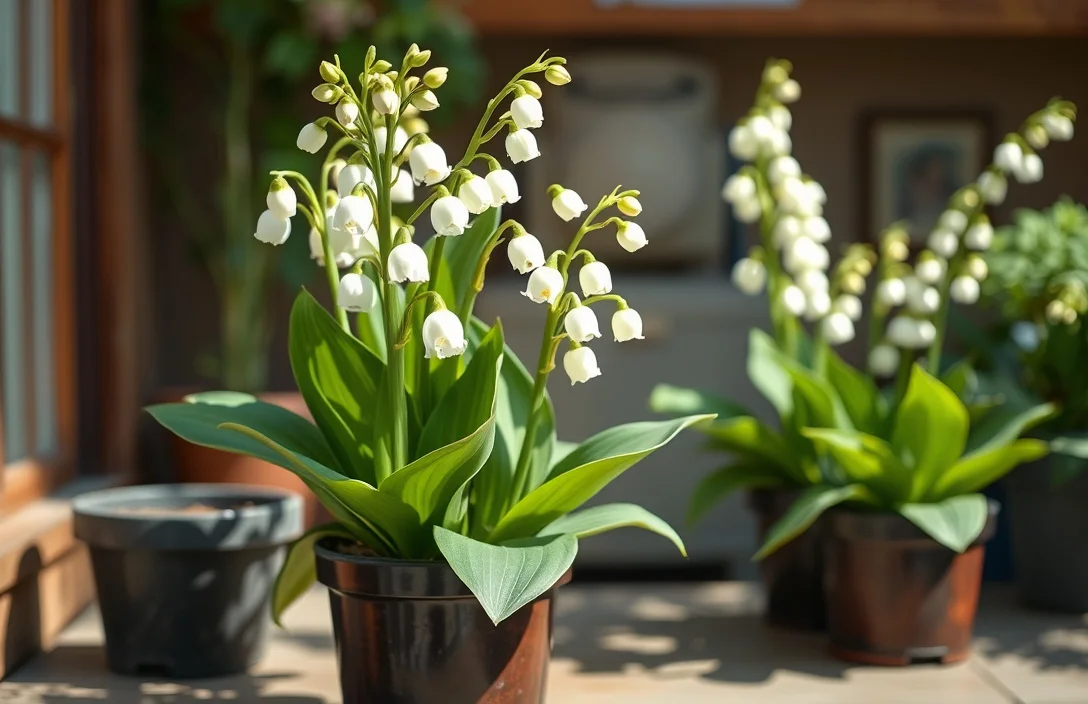
Pots give you control over where the flowers show up. You can place lily of the valley in a shady entryway or patio corner without letting it spread through the rest of the yard.
Containers also make seasonal handling easier in the US. You can move the pot to manage light in summer and store it cool for dormancy in winter. That mobility is hard to replicate in open ground, especially if your garden space is limited or you rent.
Maintenance becomes predictable. In a pot, rhizomes fill the container and you’ll see when it’s time to divide. Once you recognize that “full pot” stage, your bloom routine tends to become more reliable than with random in-ground growth.
Pots solve drainage problems. If your yard soil is heavy or holds water, container culture lets you control the potting mix, watering rate, and drainage outcome for healthier rhizomes.

Helpful pick
Votaniki Pink Lily of The Valley Bare Root – Hardy Perennial, Bell Shaped & Fragrant Flowers | Spring Flowers, Convallaria Majalis VAR. ‘Rosea’, Easy to Grow (2 Pack)
Planting lily of the valley as a bare root in pots keeps its growth contained and easily repositioned.
Options for lily of the valley pots
Choose your pot based on moisture behavior, then match placement to light and season.
Terracotta dries out faster, which helps if you tend to overwater. Plastic holds moisture longer, which can be useful on hot, windy patios. Either can work as long as drainage is excellent.
Placement matters. Outdoors, bright shade under a tree is a common choice, and a north or east-facing porch can also work. Indoors, aim for a cool, bright location during active growth, then move it to a colder spot for dormancy.
Container shape affects rhizome growth. A standard pot is fine, but a shallower, wider container often performs better because lily of the valley rhizomes spread horizontally. If the pot is too narrow, the plant can get crowded and stop blooming even while it still looks green.
For the easiest start, buy a ready clump or rhizomes in season and divide later. If you’re growing from rhizomes, treat the first year as establishment. Some clumps bloom more reliably once they’re settled rather than still rooting.
Here’s a quick decision table to make the trade-offs clear:
| Option | Key Spec / Setup | Best For | Trade-Off |
|---|---|---|---|
| Terracotta pot | Breathes, dries faster | Overwater-prone gardeners | More frequent watering in summer |
| Plastic pot | Holds moisture longer | Hot, windy patios | Higher risk if drainage is poor |
| Wide, shallow container | More horizontal room | Rhizome spread | Can dry quickly if exposed |
| Deep standard pot | More soil volume | Beginners, stable moisture | Plant may fill space before blooming |
| Outdoors in shade | Bright shade, gentle sun | Most US climates | Must manage winter storage |
| Indoor active growth | Cool bright room | Short active-season windows | Dormancy management is harder |

Helpful pick
Generic New Fresh 100 Lily of The Valley Flower Seeds
Offers seeds to grow lily of the valley in pots, letting you manage moisture and placement from start.
Expert Advice on lily of the valley pots
Skip decorative containers that trap water. If your favorite pot has no drainage holes, place a drainable nursery pot inside it and empty any drainage water.
Treat the bloom cycle like a schedule. Lily of the valley flowers follow seasonal cues, so you need to mimic light and cooling with your setup. Keep track of when you move the pot into dormancy and when you restart brighter conditions.
Divide before the plant gets miserable. When rhizomes pack the pot tightly, vigor drops and flowering becomes inconsistent. Check the roots during your off-cycle (before peak growth) and divide when crowded instead of waiting for the bloom season to fail.
Water carefully around dormancy. Many gardeners overcorrect and overwater during cool months because the pot feels “light but dry.” During dormancy, keep moisture minimal – just enough to prevent the mix from fully drying out – and never let the pot sit wet.
Handle it like a toxic plant. Use gloves if you’re sensitive, wash hands after working with rhizomes, and keep the pot out of reach. If pets chew greenery, don’t treat that as a risk to “manage later.”
Practical setup you can copy
- Choose a pot with drainage holes, and use fast-draining potting mix.
- Place it in bright shade or morning sun.
- Water to drain fully, then wait for the top inch to dry.
- Provide a cool dormancy period before restarting growth.
Examples: lily of the valley pots
Example, an entryway patio with shade: A gardener in the US places a terracotta pot under a tree where it gets morning light and bright shade the rest of the day. The soil stays moist but drains quickly, so the plant grows steady leaves and produces flower stems without constant fuss. In winter, the pot goes into an unheated area protected from harsh freeze-thaw, then returns to the patio when growth restarts.
Example, a small balcony with afternoon heat: A gardener chooses a wider plastic pot to hold moisture longer, then waters after the top inch dries. Because lily of the valley can get stressed in harsh sun, they keep the pot out of direct afternoon rays and rely on filtered light from nearby railings. They also divide the clump sooner because balcony containers often dry unevenly, and crowded rhizomes are less forgiving.
Example, an indoor winter experiment gone wrong: A gardener leaves a lily of the valley pot indoors all winter near a heating vent, then wonders why blooms fail. The plant may stay alive and look green, but it misses the cool reset it needs. When the gardener moves it to a colder, protected spot for dormancy and returns it to brighter conditions in spring, flowering improves the next cycle.
Example, the “decorative pot” mistake: Someone puts a drain-free decorative container on a saucer and waters casually, assuming the plant will drink what it needs. The rhizomes stay wet, and within weeks the leaves weaken. Switching to a draining nursery pot inside the decoration fixes the problem immediately.
FAQ
Is lily of the valley in pots harder to grow than in-ground?
Lily of the valley in pots isn’t inherently harder, but it’s more sensitive to drainage and dormancy. In-ground plants buffer moisture swings, while containers punish soggy soil quickly. Provide bright shade, keep the mix evenly moist (then drained), and cool it for dormancy, and potted growth is usually reliable.
How often should I water lily of the valley in a pot?
Water when the top inch of potting mix dries out, then water thoroughly until excess drains from the bottom. During active growth (spring and early summer), you’ll usually water more often than in winter. During dormancy, reduce watering so the mix stays lightly moist, not wet.
Do lily of the valley pots need fertilizer?
They benefit from light feeding, but they don’t need heavy fertilizer to bloom. Too much fertilizer can push leafy growth at the wrong time, making the plant look lush while flowering weakens. A gentle, seasonal approach in spring as growth starts is safer than constant feeding.
Are lily of the valley pots safe around pets and kids?
No. Lily of the valley is toxic if eaten, and all plant parts should be treated as unsafe. Keep the pot out of reach, supervise children, and consider barriers if you have pets that chew plants. Wash your hands after handling rhizomes, especially if you transplant or divide.
What’s the most common mistake people make with lily of the valley pots?
Overwatering in poorly draining containers. People often choose decorative planters without drainage or leave the pot sitting in water on a saucer. Rhizomes rot, and the plant declines quickly even if it looks fine for the first week.
If you want the simplest next step, use bright shade with drainage holes, then plan the cool dormancy window before you expect flowers. Divide when the pot gets crowded so you don’t lose bloom performance.

- 10 Best Slow Cooker For Mess Free Cooking 2026 (Tested And Reviewed) - October 24, 2026
- 10 Best Slow Cooker With Leak Resistant Lid 2026 (Tested And Reviewed) - October 24, 2026
- 10 Best Slow Cooker With Spill Proof Design 2026 (Tested And Reviewed) - October 24, 2026