Cuisinart Slow Cooker Replacement Parts In 6 Easy Steps
A Cuisinart slow cooker usually fails in one predictable place – the heating base, the lid, or the crock’s integrity. Once you know the part type and match it to your exact model number, you can avoid buying the wrong size and wasting money. This guide helps you source Cuisinart slow cooker replacement parts, diagnose what broke, and put the cooker back into safe service with clean, reliable results using your usual recipes.
Replacement parts for Cuisinart slow cookers depend on the exact model and the size of your unit. Start by finding the model number on the underside of the base, then match the crock and lid size. Most failures fall into the heating base, cracked crock, warped lid, or damaged power cord area. Use genuine parts when you cannot confirm compatibility.
- Start with the model. Match the part to your exact unit name and number, not just the brand.
- Suspect the common failures. Heating bases, cracked crocks, and warped lids are the usual culprits.
- Check fit and seal. The lid should sit flat and seal evenly across the rim.
- Use correct part type. Crock, lid, and heating base each need the right design for that model.
- Clean after repair. Wash the crock and lid normally, and wipe the base carefully before first use.
- Verify warranty limits. Some replacements are covered, others require purchase, based on your model and date.
Cuisinart Slow Cooker Replacement Parts Guide
The fastest path is figuring out which part failed. In slow cookers, that’s usually the crock (cracks, chips, or warping), the lid (clouding, warped shape, poor fit), or the heating base (no heat, erratic heat, tripped protection). Once you identify the category, shopping gets simpler – and safer.
A slow cooker is a heat-control system, not just a pot. If the heating base is failing, replacing the crock alone won’t fix temperature swings, and you can end up with undercooked or unevenly cooked food. If the lid stops fitting well, heat and steam escape, cook times shift, and stews or sauces can dry out.
Use this process before you buy anything:
- Unplug the cooker. Let everything cool completely.
- Inspect the crock and lid. Look for cracks, chips, warping, and gaps around the rim.
- Test the heating symptom. If the base does not heat consistently, treat it as a base issue.
- Find the model number and size. Shop by that exact match.
- Order the correct part type. Crock, lid, and heating base are not interchangeable across models.
- Plan a safe first test. Run water-only to confirm temperature and even heating.
If you’re trying to get cooking quickly, replace in this order: heating base first (temperature regulation), then crock (heat transfer), and lastly lid (moisture retention). It reduces the odds you’ll redo a repair.
Which Cuisinart Slow Cooker Parts Fail Most
Most replacement needs come from the crock or heating base. Those parts take the most stress from heat cycling, impacts, and daily use. A cracked crock can look minor until you notice leaks, hot spots, or a “rattling” fit. Chipped ceramic can spread over time. The heating base is the next big one, showing up as no heat, weak heat, or inconsistent warmth even on the same setting.
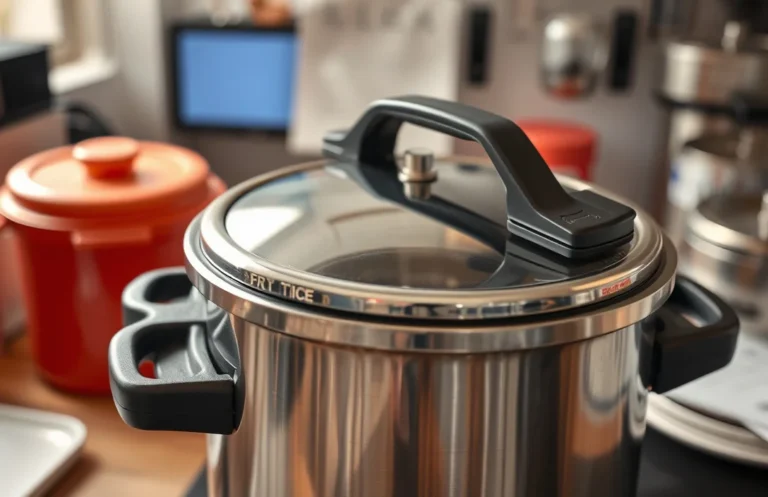
Lids are also frequent replacements, usually because they warp or the seal area gets damaged. Even if the lid looks “fine,” a lid that doesn’t sit flat increases heat loss and changes performance. You may see longer cook times than usual, thinner sauces, and food that comes out drier than expected.
Common failure patterns include:
- Cracked crock. Cracks leak juices, and leaked liquid can scorch on the heating plate.
- Chipped ceramic. Small chips become stress points with repeated heating and cooling.
- Warped lid. Gaps at the rim mean more steam escapes and temperature stability drops.
- Heat control issues. Thermostat or control failure creates uneven results.
- Power/cord damage. If the cord is frayed or connections feel loose, stop using it.
- Condensation-related residue. Persistent residue can signal a misfit or repeated boil-over.
Treat symptoms like clues. Underheating on low often points to a base problem. Food that dries out points to a lid that isn’t sealing. Liquids leaking during cooking almost always trace back to the crock (or the lid fit over it).
If your soup recipe used to take 8 hours on low and now takes 10 to 12 hours, don’t assume the ingredients changed. A lid that doesn’t sit evenly can cost you hours, especially with thicker stews and beans.

Helpful pick
Universal Pot Lid Replacement Knob for rival crockpot Replacement Parts Pan Lid Hoding Handle Replacement Compatible with Kitchen Cookware Casserole Glass Saucepan (1 Pack)
Replaces lid components to help restore seal and reduce steam escaping due to lid warping.
How To Identify Your Model Number and Size
You can’t reliably buy the right Cuisinart slow cooker replacement parts without the exact model number and unit size. The model number is usually printed on a label on the cooker, and the size is tied to the capacity markings (often shown as quarts). Getting both details right is the difference between “a similar-looking replacement” and the part that actually fits and heats correctly.
Start with the label on the underside of the heating base. Clean off dust first, then write down the full model string exactly as shown. If there are multiple labels, use the one that includes the model number and any capacity information.
After that, confirm the physical size so you don’t mix crock families. Two units can both be “slow cookers,” but the crock diameter and lid geometry can differ enough that the parts won’t seal or sit properly.

Helpful pick
Reynolds Kitchens Bulk Slow Cooker Liners, 20 Count, Fits 3-8 Quart Round and Oval Slow Cookers, Regular Size, BPA-Free Nylon Blend Construction, Heat-Resistant Up to 400F, Prevents Stuck on Food
Helps confirm compatible capacity range (3–8 quart), guiding you to select the right size for your model.
Use this checklist while you locate the information:
- Check the underside label. Copy the model number exactly.
- Note the capacity. Record the quarts or the size printed on the unit.
- Measure the opening if needed. If no label remains, measure the crock rim diameter carefully.
- Confirm lid shape. Some lids have different knob and edge profiles.
- Match base footprint. Heating bases have different contact plate shapes.
If the label is missing or too worn, you still have options. Photograph the cooker so you can compare features like lid handle style and crock lip shape, then compare against listings that explicitly state model number match. Don’t rely on appearance alone when compatibility groups differ.
Once you have the number, keep it for future purchases. It prevents the common mistake of buying the wrong lid, then discovering it doesn’t sit flush.
Helpful pick
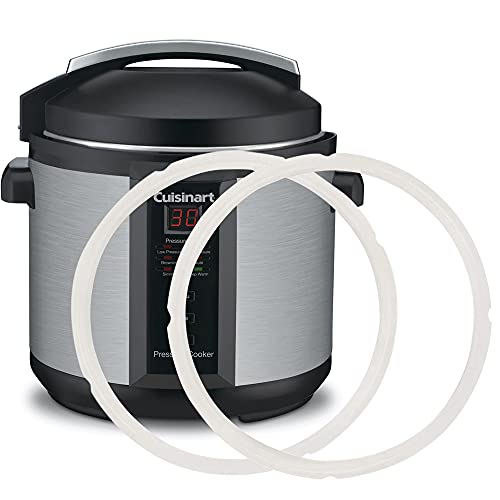
ZoneFly Original Sealing Ring for Cuisinart 6 Quart Pressure Cooker – Replacement Silicone Gasket for CPC-600, 2-Pack
Helps identify the correct replacement seal by matching capacity and model details.
Genuine vs Third-Party Cuisinart Parts Compatibility
Genuine parts are the safest choice when fit and heat performance matter, especially for the heating base and the crock that interfaces with it. Third-party parts can work, but only when the listing explicitly matches your model number and part geometry, not just the brand. If the supplier can’t confirm compatibility details, assume you’re taking a gamble.
The biggest risk with third-party parts is “almost fits.” With crocks, even a small mismatch in rim geometry can affect lid contact and sealing, which changes moisture retention and effective cook temperature. With heating bases, an incompatible design can create uneven heating patterns that show up as food cooking at different rates across the crock.
I decide like this when choosing genuine vs third-party:
- Heating base replacement: choose genuine if possible, because temperature control matters.
- Crock replacement: choose genuine if you want the most predictable fit and thermal behavior.
- Lid replacement: third-party can be acceptable only if it confirms model fit and rim geometry.
- Accessories and minor components: third-party is often fine if it matches your model.
When ordering third-party, demand specifics in the listing: “works with model [exact number]” or a clear “compatible with” mapping. Avoid listings that only say “for Cuisinart slow cookers” without model-level confirmation.
Quick compatibility checks you can do right away:
- Inspect alignment points. The lid should sit evenly around the entire rim.
- Confirm contact surfaces. The crock should sit flat on the heating base without rocking.
- Check for clearance issues. Power cable routing and sensor placement can vary by model.
- Run a water-only test first. It catches uneven heating without risking food.
If you see hot spots during the water test, stop and recheck the crock fit before cooking anything with precise timing, like rice, beans, or thick sauces.
Replacement Parts for Crock, Lid, and Heating Base
Replacement parts shopping gets straightforward once you separate the cooker into three functional zones: container (crock), cover (lid), and heater/control (heating base). Each zone has different compatibility requirements and different failure consequences, so match the part category to the symptom and buy in the right order.
For the crock, matching means capacity, rim shape, and how it seats on the base. For the lid, it means how flat it sits and how well it covers the crock mouth. For the heating base, it means exact model compatibility, including the control dial style and contact plate design.
Use this table to keep decisions clean:
| Part to Replace | What Typically Fails | Must-Match Detail | Best Source Choice |
|---|---|---|---|
| Crock (ceramic insert) | Cracks, chips, leaks | Crock capacity and rim geometry that seats flat | Genuine if compatibility unclear |
| Lid (glass or ceramic/lock design) | Warping, poor fit | Lid shape and rim seal coverage | Genuine or third-party only with model match |
| Heating base (electronics + plate) | No heat, weak/erratic heat | Exact model compatibility and control layout | Genuine preferred for safety and temperature stability |
For crocks and lids, you can often verify fit before going all-in. Once installed, the lid should not wobble and should not show obvious gaps. The crock should sit centered with stable contact to the base.
For heating bases, don’t guess. If the cooker no longer heats or it heats unevenly on the same setting, the heating base is the likely culprit and it needs the correct electrical and mechanical design for your unit. A wrong base can be unsafe and can create inconsistent cooking temperatures.
When you install replacement parts, treat it like a setup, not a casual swap. Confirm the crock seats properly, place the lid gently, and make sure nothing interferes with the heating plate or cord routing.
How To Clean Cuisinart Slow Cooker After Repairs
After replacement work, clean the cooker so residue does not scorch, fuse, or affect flavors. You’re removing debris inside the crock and around the base contact area, and you’re preventing leftover cleaning chemicals from meeting your next meal. The routine is simple, but you should avoid getting liquid near electrical components.
Unplug the unit and let it cool fully. Remove the crock and lid and wash them as you normally would for your model. For the heating base, never submerge it, and don’t pour water into seams.
If you removed the crock or cleaned around the heating plate, wipe loose residue with a soft damp cloth. Dry the base thoroughly before the first run. If you used any cleaner on the base area, wipe again with a lightly damp cloth, then dry completely so no residue remains.
A reliable cleaning sequence:
- Unplug and cool completely.
- Wash crock and lid normally. Use warm water and a mild dish soap.
- Wipe the base contact area. Use a barely damp cloth, then dry.
- Check seams and edges. Remove any stuck-on debris from around the rim.
- Air dry fully. Let everything dry before reassembling.
Food safety note: if a cracked crock ever leaked during cooking, sticky residue may have collected on the base contact surfaces. That can burn during your first test cook and create smoke. A clean wipe and a water-only first test reduce that risk.
For storage, dry everything completely and store with the lid off or loosely covered. Trapped moisture can create odors and residue buildup in the crock.
How To Check Warranty and Replacement Options
Warranty decisions go fastest when you have your model number and your purchase date (or at least the approximate year). With those, you can check whether the failure is covered and whether claims go through official channels or via a retailer return route. Even with limited coverage, the information still helps you pick the best replacement path.
Start by locating proof of purchase. Record the model number and the part you’re replacing, since warranty claims often depend on what failed. If the unit is within warranty, options may include repair, replacement, or reimbursement depending on the policy terms.
Even if you’re out of warranty, you may still find replacement options through official parts ordering, authorized service, or retailer exchanges. When you search, use the exact model number in your query and filter for listings that specify model compatibility.
A practical checklist for warranty and replacement:
- Write down the model number and size.
- Gather proof of purchase. Receipt email, card statement, or order confirmation works.
- Document the failure. Photos of cracks, warping, and control issues help.
- Identify the part category. Crock, lid, or heating base.
- Compare options by turnaround time. Warranty claims can take longer than parts orders.
- Decide based on safety. If the base or power area is compromised, prioritize a verified replacement.
If your crock is cracked, don’t keep using it while you wait. Leakage can create scorched residue and can compromise safe operation. Waiting is fine only if the unit is safe to run and doesn’t leak or arc.
For example, if your lid is warped but the crock is intact and seats properly, you can cook carefully by monitoring results. If the heating base shows inconsistent heat, replace it first, because underheating affects both food safety and texture.
FAQ
What Cuisinart slow cooker replacement parts should I buy first?
Buy the part that controls heat first – the heating base if it won’t heat correctly. If heat is normal but food cooks unevenly, prioritize the crock. If food is cooking but getting dry or taking much longer, replace the lid if it no longer sits flat or seals evenly around the rim.
How long does it take to replace a Cuisinart slow cooker lid or crock?
Replacing a crock or lid is usually a quick swap, often 5 to 20 minutes once the parts arrive. Cleaning and a water-only test typically add another 10 to 30 minutes. Plan extra time if you need to verify the model number and order the exact fit, especially for older units.
Are third-party Cuisinart slow cooker parts safe to use?
Third-party parts can be safe only when the listing explicitly matches your exact model number and includes clear fit details. Avoid parts that only say “compatible with Cuisinart slow cookers” without model-level confirmation. For heating base replacements, genuine parts are the safer choice when compatibility is uncertain.
Can I cook with a slow cooker if the lid is slightly warped?
You can, but only if the lid still sits flat enough to cover the crock evenly. A warped lid increases heat loss and steam escape, which changes cooking time and moisture retention. If you see obvious gaps or the lid rocks, replace it before cooking recipes like beans, thick sauces, or large batches.
What’s the most common mistake when buying Cuisinart slow cooker replacement parts?
Buying by appearance instead of model number. Two slow cookers can look similar and still use different crock sizes, rim shapes, and lid geometry. Match the full model identifier and capacity, then confirm the part seats flat with no rocking or obvious gaps.

- 10 Best Slow Cooker With Leak Resistant Lid 2026 (Tested And Reviewed) - October 24, 2026
- 10 Best Slow Cooker With Spill Proof Design 2026 (Tested And Reviewed) - October 24, 2026
- 10 Best Slow Cooker With Locking System 2026 (Tested And Reviewed) - October 24, 2026