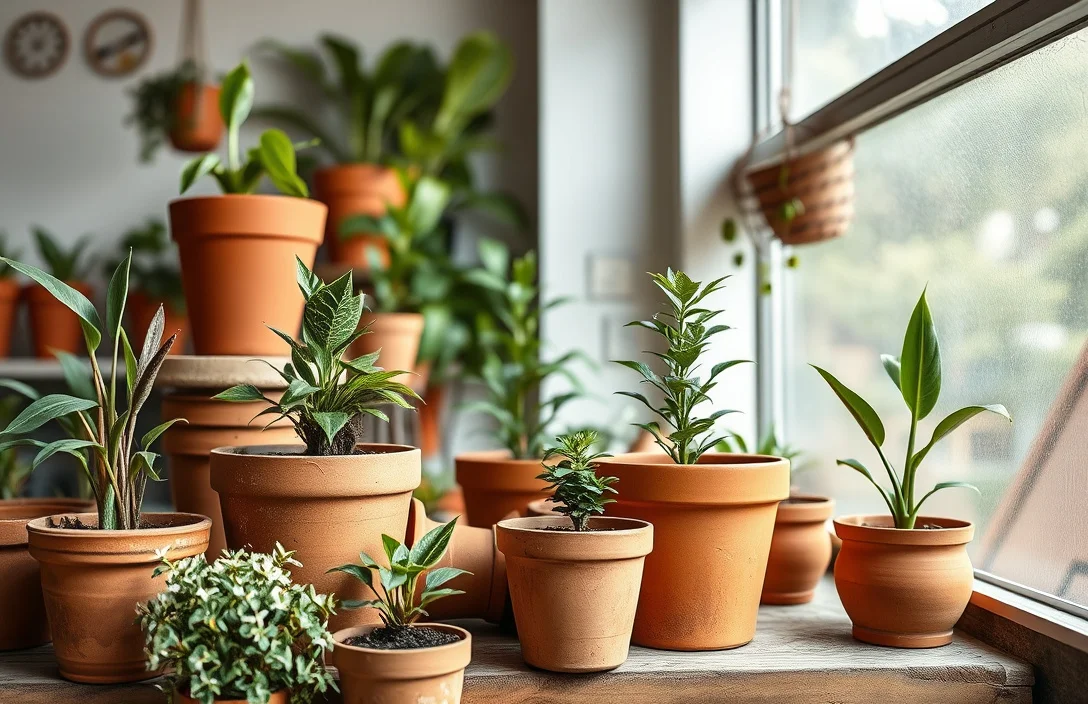
Can You Paint Terracotta Plant Pots?
Terracotta plant pots are porous, so paint changes more than the color – it changes how water moves through the clay. Yes, you can paint terracotta plant pots, but you need solid prep and the right paint so the pot still drains and the coating doesn’t peel. This guide walks through what to do, what to avoid, and which options work best for indoor and outdoor use.
What Happens When You Paint Terracotta Plant Pots
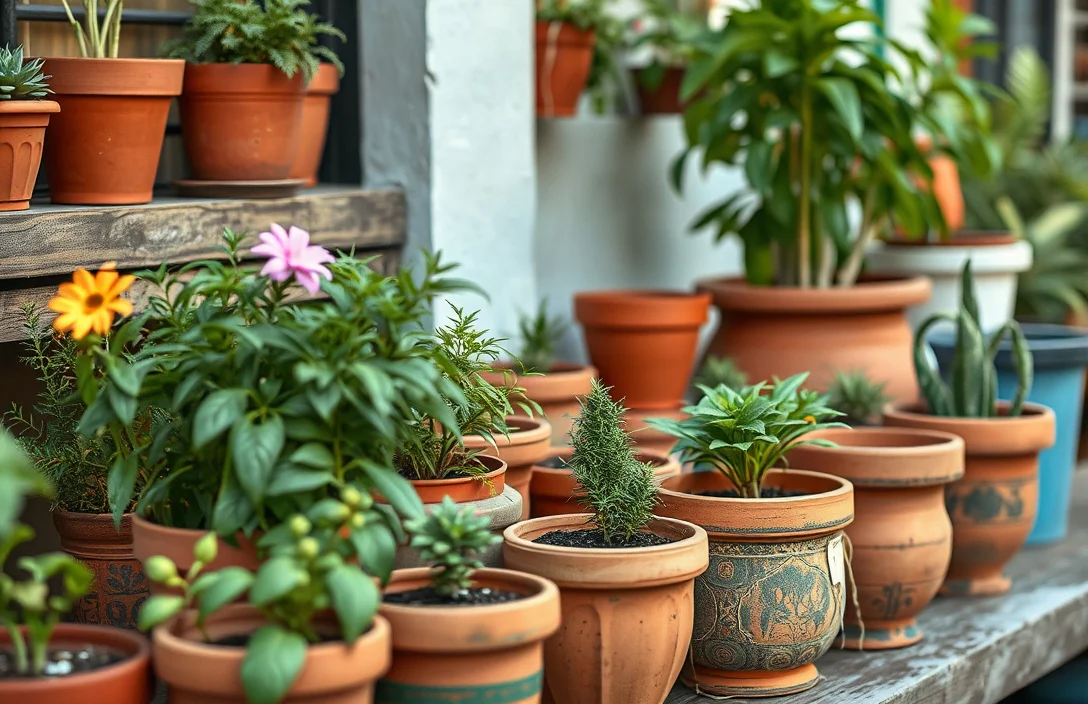
Painting terracotta plant pots works, but porous clay makes peeling likely without prep. Rough the surface with sandpaper, prime with a bonding primer, and finish with exterior-rated acrylic or masonry paint. Keep paint off the drain holes, because blocked drainage is where most failures start.
Key Takeaways
- Yes, painting works. Paint sticks best when you prime first and paint only after the pot is fully dry.
- Prep decides everything. Scrub, dry, and lightly sand so primer can grip the clay.
- Choose water-safe paint. Outdoor-rated masonry or exterior acrylic resists moisture and fading better than craft paint.
- Seal carefully. Some sealers reduce moisture movement in ways that can trap dampness, so use only if it matches your paint system.
- Avoid drain holes. Don’t paint over holes or reduce airflow, or you increase the odds of root problems.
- Expect maintenance. Painted pots can chip over time, especially on rims and spots that rub soil. Touch-ups are normal.
What to Know About Painting Terracotta Plant Pots
Terracotta pots are fired clay with a porous, dusty surface. That porosity is why paint can look fine at first, then peel when the pot expands and contracts with wetting and drying.
Where the pot lives changes the stress it takes. A pot left outside in rain and sun gets a different level of abuse than a pot on a covered patio or indoors behind a window. When products aren’t compatible, peeling often starts near the rim, inside the lip where water runs, and around drain holes.
Paint also changes drying behavior. Unpainted terracotta breathes, so water evaporates faster and roots see more stable cycles. With paint, moisture migration slows, which usually doesn’t ruin plants, but it makes overwatering easier if you keep the same watering habits.
Things that matter most
Prime is the biggest lever. A bonding primer made for masonry or terracotta gives your topcoat something solid to grab onto, instead of clinging to loose dust and mineral residue.
Paint choice matters just as much. Exterior acrylic or masonry paint is built for wet-dry swings. Craft paint and interior wall paint often look good at first, then fail faster outdoors.
Use these control points while you plan your job:
- Prep fully so no dust, mineral deposits, or old residue remains.
- Use thin coats instead of one thick coat that can crack or sag.
- Dry time is part of the job – don’t put soil or move the pot into exposure before the stated dry/cure times.
- Keep drain function – heavy paint can clog holes.
- Plan for touch-ups on rims and high-contact areas.
If potting mix touches the paint daily, especially inside the rim, you need a tougher, paint-safe system. Otherwise, protect the interior with a liner approach instead of relying on paint to handle constant soil contact.
Tips for Painting Terracotta Plant Pots
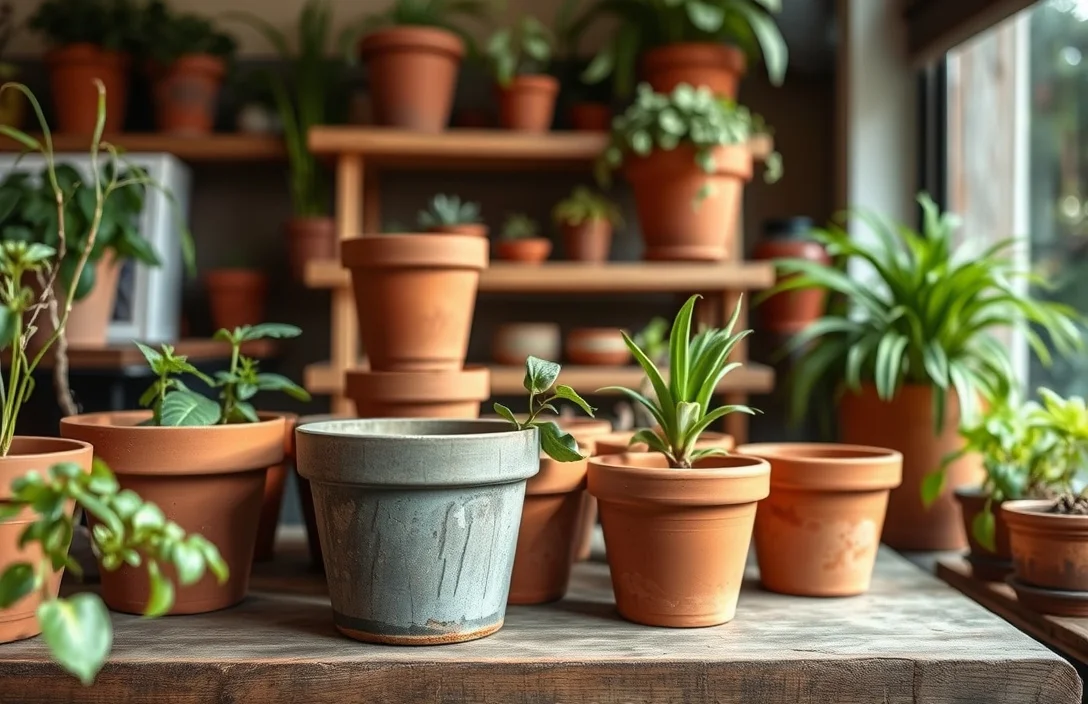
Clean the pot like you’re preparing for bonding, not just refreshing color. Wash with warm water and dish soap, then scrub the surface, including the inside rim and any leftover residue from labels. Let it dry completely, then lightly sand to scuff glossy areas and give primer something to grip.
If the pot has mineral “dusting” or chalky deposits, wipe it down and dry it again before priming. Terracotta often shows salts from storage or previous watering, and primer won’t bond well over that.
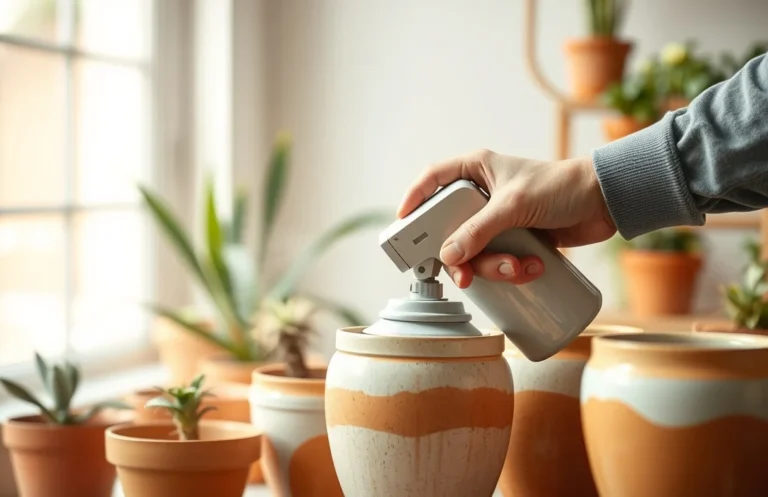
Mask drain holes from the outside so paint doesn’t migrate into the wrong places. Paint works best in thin layers. Apply one coat, let it tack-dry as directed, then apply additional coats.
A reliable process you can follow without guessing:
- Clean with soap and water, scrub, rinse lightly, and dry 100%.
- Sand with medium-grit sandpaper to scuff and smooth dust.
- Wipe off sanding dust with a dry cloth.
- Apply bonding primer made for masonry or terracotta.
- Let primer cure fully, then apply 2-3 thin coats of exterior acrylic or masonry paint.
- Seal only if your paint system specifically calls for it, and keep paint off drain holes.
I like painting the outside first, then deciding what to do inside. If the potting mix will sit right against the inside wall, I’m extra strict about durability. When you want real protection, a removable liner is easier than trying to make paint survive constant soil contact.
Benefits of Painting Terracotta Plant Pots
Painting gives you direct control over appearance. Painted terracotta can match a room’s colors, coordinate with garden decor, and cover stains from older pots.
A good paint job also evens out uneven wear. Terracotta can scuff, develop “water rings,” or fade under sun exposure. Paint creates a consistent finish so the pot looks intentional instead of weathered.
Painting also helps you steer a style quickly. Modern matte neutrals, bold planter colors, and subtle outdoor palettes are easier to achieve with paint than by buying new matching pots.
The trade-off is moisture retention. Painted pots often dry more slowly than bare clay. That can help in hot, dry conditions if you water frequently, but it can raise overwatering risk if your routine depends on terracotta’s fast evaporation.
So the practical verdict is simple: paint is worth it when you want stable looks and you’re willing to adjust watering. It’s less ideal if your plants rely on rapid drying and you already tend to overwater.
Options for Painting Terracotta Plant Pots
You have several options, and the best one depends on whether the pot is indoor, outdoor, and how much soil contact it gets.
Paint and coating options that actually work
| Option | Key Spec / What to Buy | Best For | Main Trade-off |
|---|---|---|---|
| Bonding primer + exterior acrylic paint | Exterior-rated acrylic (masonry-friendly) | Most outdoor and indoor pots | Needs correct prep to avoid peeling |
| Bonding primer + masonry paint | Masonry/exterior masonry paint | Pots exposed to rain and sun | Thicker coverage can hide clay texture quickly |
| Spray paint system (exterior) | Exterior spray paint with matching primer | Small pots and quick projects | Easy to clog details if sprayed too heavy |
| Paint + compatible clear sealer | Sealer intended for painted masonry | Weather protection and wipe-clean surfaces | Some sealers reduce breathability and can trap moisture |
| Liner inside + painted outside | Liner barrier for soil contact | Pots where mix rubs the inner wall | Extra materials, liner must fit and stay clean |
For outdoor weather, prioritize exterior-rated materials and a matching primer. If you want a smoother finish that’s more forgiving, masonry paint often holds up better than thin craft coatings.
If your priority is avoiding peels, liners inside are often more reliable than painted interiors that face constant wetting from soil. In practice, you can paint only the outside and keep the inside clean with a liner, or use a pot-in-pot setup.
Expert Advice on Painting Terracotta Plant Pots
Treat terracotta like a porous substrate that needs mechanical grip, not like plastic that paint naturally adheres to. Clean the surface, sand for tooth, prime, apply thin coats, and respect full cure times.
Don’t paint the drain holes. People do it when they rush. Even slight clogging reduces drainage, and roots can rot even when the paint job looks great.
Be cautious with “one product does everything” claims. If a clear sealer or specialty coating isn’t designed to work with your masonry or terracotta paint, flaking can show up later, especially after freeze-thaw exposure in many parts of the U.S.
My decision rule is straightforward: if the pot lives outdoors, buy exterior-rated materials. If it’s mostly decorative indoors, you can be slightly more flexible, but primer still matters because terracotta dust ruins adhesion.
Clay planters also need maintenance. Rim chips happen, and touching up after a season is normal. Keep the coating system intact so small chips don’t grow into peeling.
Examples: Painting Terracotta Plant Pots
Example 1: Indoor herb pot makeover. A terracotta herb pot on a kitchen windowsill gets frequent watering but no rain or intense UV. Clean, sand lightly, prime with bonding primer, then paint with exterior acrylic (even indoors) for durability. Skip sealing unless you plan frequent wipe-downs, since sealers can slow drying.
Example 2: Outdoor patio planter with full sun. Hot days, rain, and dry wind mean wet-dry cycling. Use masonry paint or exterior acrylic plus the correct primer. Apply 2-3 thin coats and mask drain holes. If the pot sits near the ground and soil splash is common, paint the outside only and use a liner inside to protect the inner rim.
Example 3: Decorative pot that doesn’t touch wet soil directly. Keep a separate nursery pot inside. The painted terracotta stays mostly dry aside from occasional condensation. This approach gives crisp color with minimal maintenance because the paint isn’t taking constant wetting.
In every case, prep plus a compatible coating system wins. Start with a dirty or dusty pot and peeling will follow, even with the best paint.
FAQ
What paint should I use on terracotta plant pots in the United States?
Use an exterior-rated acrylic or masonry paint, and pair it with a bonding primer meant for masonry or terracotta. Interior wall paint and craft paint usually fail faster outdoors because terracotta is porous and constantly wet-dry cycles stress the coating.
Do I need to prime terracotta before painting?
Yes. Priming prevents most peeling by creating a surface paint can grip. Light sanding plus bonding primer is the most reliable combo for terracotta, especially if the pot is dusty or slightly chalky.
How long should I wait before watering a newly painted pot?
Let the paint and primer fully cure before watering, not just “dry to the touch.” Follow the product label for cure time, and be extra cautious if soil will touch painted surfaces or if the pot is outdoors.
Can I paint over a previously painted terracotta pot?
You can, but only after stabilizing the current coating. Scrape off any flaking areas, sand smooth the edges, clean thoroughly, then apply bonding primer before repainting so the new layers adhere.
What’s the most common mistake when painting terracotta pots?
Painting over drain holes or using paint that’s too thick. Thick coats can crack and block small openings, and clogged holes create drainage problems even when the outside looks perfect.

- 10 Best Slow Cooker For Slow Cooking Legumes 2026 (Tested And Reviewed) - October 17, 2026
- 10 Best Slow Cooker For Slow Cooking Oxtail 2026 (Tested And Reviewed) - October 16, 2026
- 10 Best Slow Cooker For Slow Cooking Venison 2026 (Tested And Reviewed) - October 16, 2026