Rice Cooker Bowl Replacement Black Decker 3 Tips
A cracked or worn-out Black+Decker rice cooker inner bowl makes every batch messy, and it can also change how well the cooker heats. A rice cooker bowl replacement is mostly an identification problem, so the fix starts with matching the inner pot to your exact model. The right bowl restores reliable heating and better texture, without unsafe “patch and hope” repairs.
Rice cooker bowl replacement for Black+Decker models usually means matching the inner pot’s model number and connector style, not just its size. Before ordering, confirm your unit’s exact model, bowl dimensions, and whether your cooker uses a removable inner “cooking bowl” with an attached heating plate contact. If you cannot confirm the model, use measured diameter and depth, then verify compatibility in the listing.
Key Takeaways
- Match the model number. Your Black+Decker rice cooker’s model number is the best path to the correct inner bowl.
- Check bowl dimensions. Interior diameter and height determine rice volume and heating contact.
- Verify heating-contact design. Some bowls seat differently, and a mismatch can cause uneven cooking.
- Choose food-safe materials. Prioritize bowls rated for cooking use with nonstick surfaces intended for rice cookers.
- Plan for correct fit. A loose or misaligned bowl can change cook time and texture.
- Replace, don’t patch. Don’t use glue or sealers inside a cooking bowl.
What to Know About rice cooker bowl replacement b
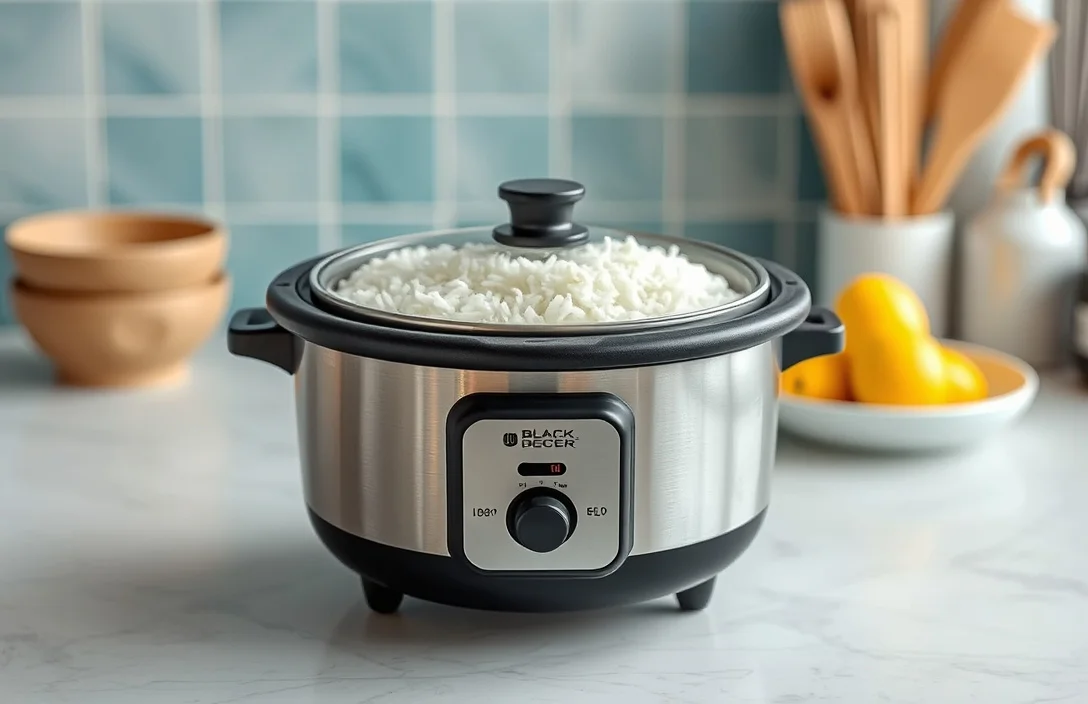
Replacing a Black+Decker rice cooker bowl depends on how the inner pot fits and heats in your specific base. Inner pots vary in diameter, depth, and how they seat against the heating plate.
Start by checking the label on the bottom or back of the cooker. You’re usually looking for a model number like “RC…” or “R…” or a similar alphanumeric ID. If the label is missing, measure the old bowl. Interior diameter and height give you the next-best compatibility clues.
Also inspect the rim where the bowl meets the cooker base. Some bowls have a specific rim or lip shape that helps it lock into place. A “close enough” replacement can sit slightly off-center, which often shows up as undercooked center rice or scorching on the bottom.
Things that matter most
Buying by size alone often fails. Two bowls can both be “keep warm to cook” sizes, yet still differ in heating-contact geometry or rim fit.
Material and coating condition matter, too. If the current bowl’s nonstick coating is peeling, scratched down to the base metal, or warped from heat, replacement restores cooking consistency. Even if the bowl looks fine, a degraded nonstick surface can make rice stick and burn more easily, especially during the shift to keep-warm.
Compatibility is also about fit. When the bowl sets in the base, it should seat naturally without forcing, wobbling, or rocking. If it rocks, the heating plate contact area is likely wrong – keep searching.
Write down these details before you order:
- Cooker model number from the unit label.
- Inner bowl diameter (top inside edge).
- Inner bowl height (inside depth).
- Whether the bowl has an integrated handle, and the handle style.
- Condition of the old bowl’s rim (straight, bent, warped, chipped).
- Whether the bowl includes any sensor-related features (some designs have specific interfaces).
Tips for rice cooker bowl replacement b
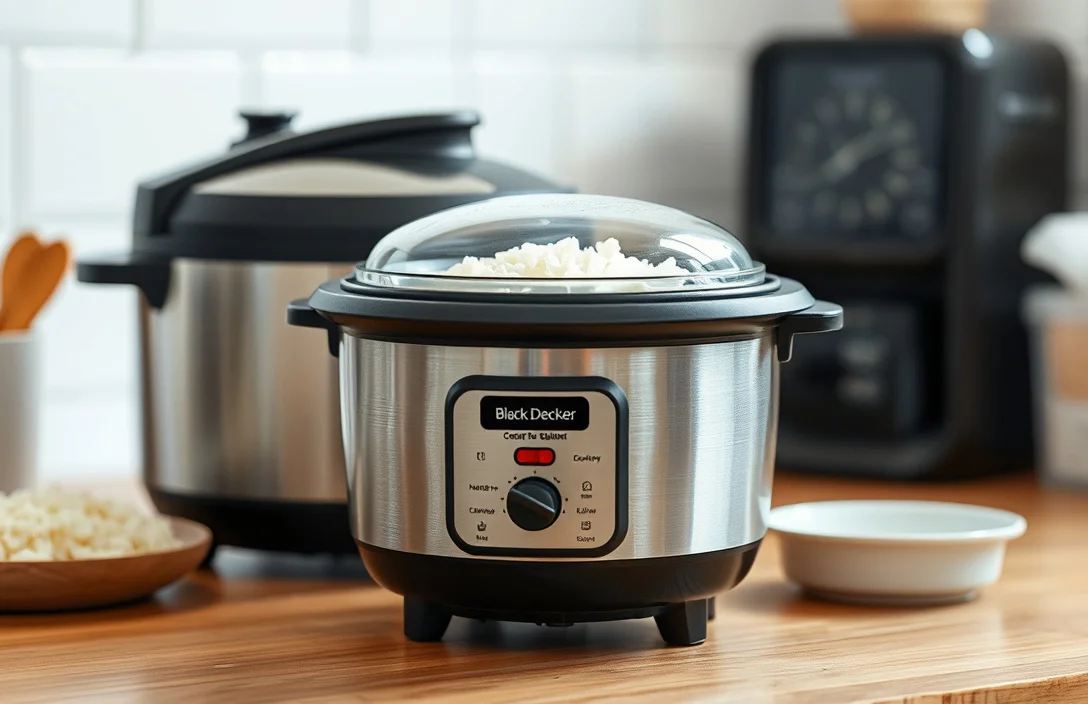
Inventory the old bowl first. Use it as your reference so you’re matching a real part, not guessing. Measure the inside cooking surface, not the outer shell. If the interior is tapered, measure height at the straight-walled section and note the taper.
When comparing listings, prioritize photos of the rim and the seating area. The side profile usually shows whether the rim shape matches and whether the bowl will sit at the same height in the base. If the listing only includes a generic product image, skip it.
If your cooker uses a removable bowl with a locking or alignment pattern, test the fit before you commit. With the power unplugged, place the bowl in the base and check for wobble, uneven gaps around the rim, and contact spots that look different from the original.
Use this checklist when you’re ready to buy:
- Confirm the model number matches the listing compatibility field.
- Compare interior diameter to your measured old bowl.
- Check interior depth and whether your usual fill level still fits correctly.
- Verify rim seating by matching rim shape in photos.
- Look for food-safe cooking bowl claims in the product description, and avoid “unknown coating” listings.
- Keep packaging and receipt until you confirm fit at home.

Helpful pick
Linkidea Rice Cooker Aluminum Inner Pot Compatible with Tiger JBV-10CU, Tiger JBV-A10U, Zojirushi NS-WAC10, NS-WXC10, AROMA ARC-6106, Dishwasher Safe, Replacement Bowl
Helps verify compatibility across multiple models, ensuring the replacement matches the listing field.
Benefits of rice cooker bowl replacement b
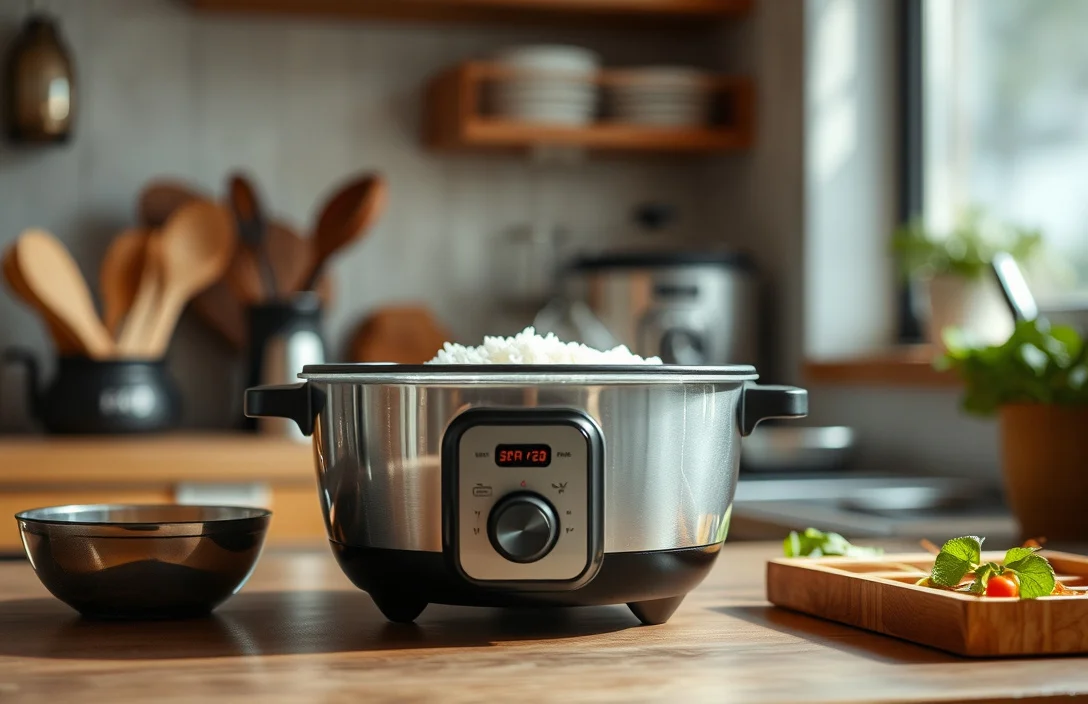
A correct Black+Decker bowl replacement restores predictable results. When the inner pot seats properly against the heating area, rice cooks more evenly, with fewer hot spots and less bottom scorching.
A new bowl also makes cleaning easier. Scratched or degraded coatings trap rice and starch, so you end up soaking longer and scrubbing harder. A properly coated replacement reduces sticking and helps you keep consistent rice texture.
There’s also a reliability angle. A warped or damaged bowl can create abnormal heating behavior and wear the cooker base contact area faster. Even though the bowl is only one component, it can shift how heat and keep-warm phases behave, leading to repeated “almost cooked” batches. Replacing the bowl can stop that cycle.
Cost control is the practical win. Replacing the inner bowl is usually cheaper than replacing the whole rice cooker, and it often takes only minutes to swap once you have the right part.

Helpful pick
Stainless steel inner pot of rice cooker – compatible with aroma ARC-954SBD, ARC-914SBD, ARC-994SG, rice cooker replacement pot.
A stainless steel replacement boosts even heating, reduces hot spots, and simplifies cleanup.
Options for rice cooker bowl replacement b
You have four realistic options, and only one is “best” for most situations.
Option 1: Order the exact OEM-compatible inner bowl. This is the highest-confidence route because the bowl is built for your cooker’s heating contact and rim fit.
Option 2: Buy a third-party compatible bowl. This can save money, but you still have to verify compatibility using the model number and the rim design shown in the listing photos (or any compatibility chart provided).
Option 3: Replace the entire rice cooker. This makes sense when you have problems beyond the bowl – for example, a failing switch, faulty thermostat, or damaged heating plate. If heating is still correct but the bowl is damaged, replacing only the bowl is usually the smarter move.
Option 4: Repair attempts. Skip DIY patching, glue, or sealers inside a cooking bowl. Even if it holds at first, coatings and heat stress can cause further damage and unsafe cooking contact.
If you want a quick comparison:
| Option | Key Spec / Price Driver | Best For | Main Risk |
|---|---|---|---|
| OEM inner bowl | Matches your cooker model number | Maximum fit confidence | Higher price than generic |
| Third-party compatible bowl | Compatibility by model or measured dimensions | Budget replacement | Rim fit or heating contact mismatch |
| Full cooker replacement | Works when bowl is correct | Cooker has multiple failures | Higher cost, duplicate appliance |
| Repair with patches | Not recommended | None for food-contact durability | Unsafe materials, cracking, reheat issues |
Because the search is specifically “rice cooker bowl replacement black decker,” start with OEM or clearly compatible third-party bowls that list your exact model number.
Expert Advice on rice cooker bowl replacement b
My rule is: match the model, then verify the fit. Model compatibility matters because it tells you the bowl is designed for your cooker’s heating and seating geometry, not just the general rice capacity.
If you can’t find the exact OEM replacement, use measurements and rim shape – not guesswork. The rim and seating area control how evenly the bowl contacts the heating surface. If the bowl sits higher, lower, or off-center, don’t force it.
Replace as a set when the bowl works alongside other aging components. Some rice cookers rely on inner parts that affect alignment. If the cooker has an old, warped rim or related parts, you can get uneven pressure even with a new bowl. Check whether any replacement kit includes additional hardware or only the pot.
Do a “no-rice test” after installation if possible. Run the cooker with a small amount of water to confirm even heating and that nothing behaves oddly. Strong hot spots or unusual smells right away means you should stop and re-check seating before cooking rice.

Helpful pick
Linkidea Rice Cooker Stainless Steel Inner Pot Compatible with AROMA-ARC-914SBDS, Dishwasher Safe, No Coating Replacement Bowl (4 Cups, Old Version Cooker)
Supports model-specific fit and reliable heating by using the exact AROMA-ARC-914SBDS replacement bowl.
Examples: rice cooker bowl replacement b
If your Black+Decker model label says “RC…” and your inner bowl is cracked near the rim, the cleanest example is OEM replacement. You order a bowl that lists your exact cooker model number, then confirm it seats without rocking. After that, rice typically looks normal again because heating contact and pot geometry are restored.
If you find a third-party “compatible” bowl listing that only mentions size but not the exact model number, measure your old bowl’s inside diameter and inside depth and compare those values to the listing. If the rim profile matches and the bowl sits firmly without wobble, it may work. If anything looks off in rim shape or seating height, switch to a model-specific listing.
If your old bowl has nonstick coating peeling and sticky rice clumps but isn’t cracked, replacement is still the right move. Degraded coating increases sticking and can lead to bottom scorching. You’ll usually get less cleanup and more consistent texture immediately after swapping bowls.
Even with a perfect replacement part, the end goal is better rice. Even heating contact is what lets you match recipe timing, including quick rice dishes that are ready in about 20 minutes.
FAQ
How do I find the right rice cooker bowl replacement for Black+Decker?
Look up the model number on the cooker’s label (usually bottom or back). Then compare that model number to the replacement listing’s compatibility section. If the listing doesn’t specify your model, compare your old bowl’s interior diameter and depth, and confirm the rim seating shape matches photos.
Are third-party bowls safe for food contact in a Black+Decker rice cooker?
They can be, but only if the listing clearly says the bowl is intended for cooking in rice cookers and describes a food-contact coating or material. Avoid vague descriptions like “nonstick” without details. Never use a bowl that doesn’t fit flush, because uneven heating can worsen coating damage.
What’s the fastest way to replace the inner bowl?
Unplug the cooker, remove the old inner bowl, and install the new one by seating it in the base exactly like the original. Then run a short water-only test to confirm it heats normally before cooking rice. Keep the old bowl until you confirm the new one fits without wobble.
How much time does it take before my new bowl is “ready”?
You usually get ready immediately after installation, as long as the bowl seats correctly. The only extra step is a water-only run to verify even heating. After that, cook your first batch of rice as you normally do, and adjust filling level if needed.
What’s the most common mistake people make when buying a replacement bowl?
Ordering based only on “capacity” or the bowl’s outer size. Two bowls can appear to fit but still sit at a different height or fit loosely, which leads to uneven heating and scorched bottom rice. Match the model number first, then verify rim seating using photos and a quick no-rice fit check.

- 10 Best Slow Cooker With Cool Touch Handles 2026 (Tested And Reviewed) - October 22, 2026
- 10 Best Slow Cooker With Quality Construction 2026 (Tested And Reviewed) - October 22, 2026
- 10 Best Slow Cooker With Premium Construction 2026 (Tested And Reviewed) - October 22, 2026