Can Clay Pots Be Painted?
Yes, you can paint clay pots, and you’ll get the best results by sealing the porous surface first. Unsealed clay drinks up paint and creates chalky patches, uneven color, and peeling that shows up quickly outdoors. This guide covers the prep steps, sealers, and paint types that hold up in typical U.S. conditions – especially when a pot will get wet.
Paint sticks to clay best when you clean the pot, dry it completely, then prime and seal it. For outdoor pots, use a bonding primer plus an exterior-rated paint, then top it with a sealer made for masonry or terracotta. Plan for at least 24 hours of drying time per coat, and don’t paint right after rinsing or watering the pot.
Key Takeaways
- Yes, clay is paintable. Porous terracotta needs cleaning, priming, and sealing for durable coverage.
- Moisture ruins unsealed paint. Water wicks into clay and lifts paint over time, especially outdoors.
- Use the right primer. A bonding primer for masonry or terracotta prevents paint from soaking in.
- Pick paint by location. Indoor crafts can use standard acrylic paint, while outdoor pots need exterior paint.
- Seal the finished pot. A clear masonry sealer helps resist water, dirt, and scuffs.
- Expect multiple coats. Thin coats look smoother and cure more evenly than one thick layer.
Can clay pots be painted?
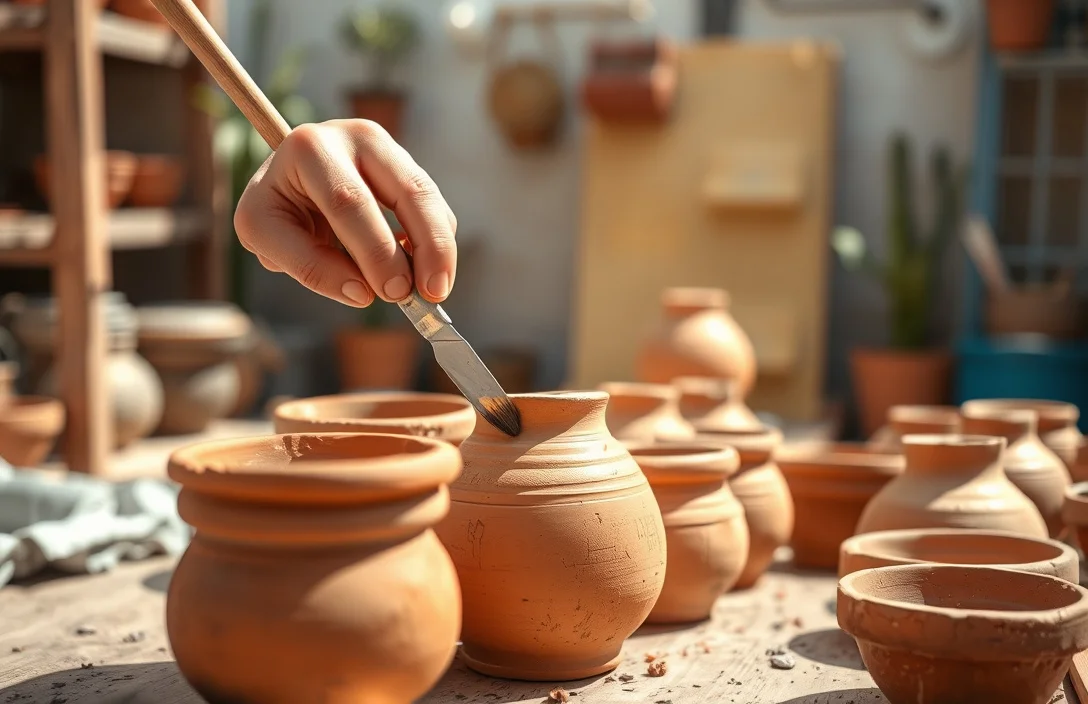
Clay pots are paintable because most clay (including terracotta) is porous. That porosity is the problem and the opportunity: it soaks up paint, so prep determines whether you get a stable finish or blotchy, flaking coverage.
A major factor is how the pot will be used. Planters go through moisture cycling, even when “sealed,” because clay still releases water vapor. Paint a pot that will hold plants like an outdoor masonry project, even if it only sits on a covered porch.
If your pot will get wet at least occasionally, use primer and paint made for exterior or masonry, then add a top sealer.
What matters when painting clay pots?
Clean the clay thoroughly enough to remove dust, mineral residue, and any mold release from new pots. Even “dry” terracotta can have a powdery surface that blocks bonding. Scrub with warm water and a stiff brush, then let the pot dry completely.
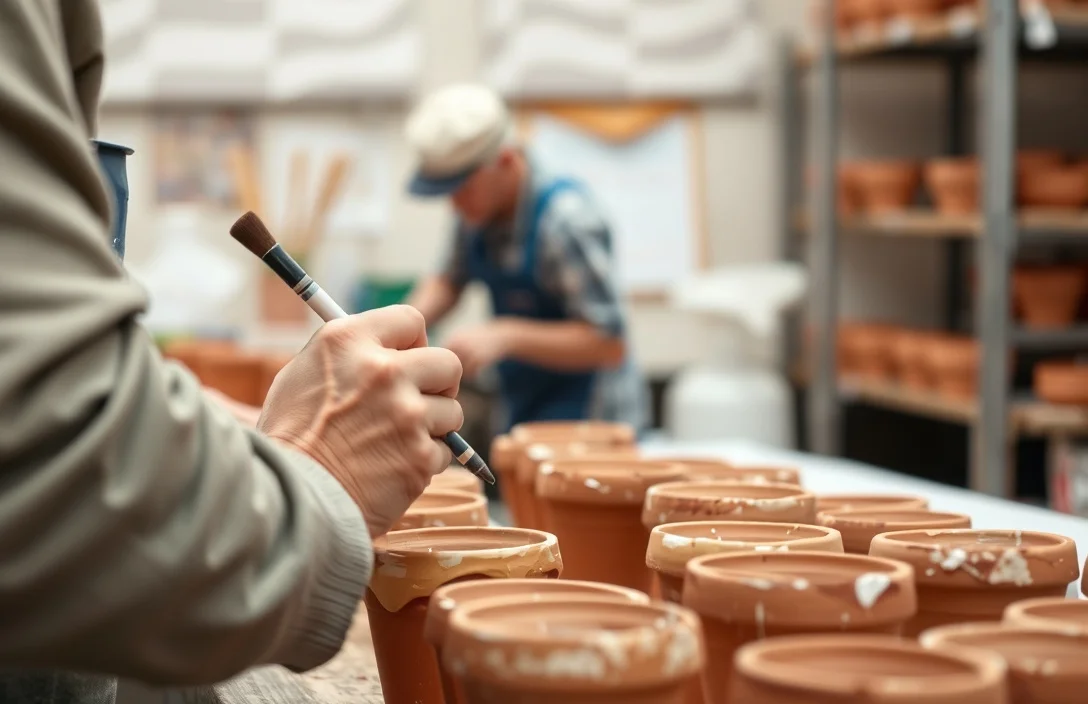
Prime before you paint. Bare terracotta can absorb so fast that paint dries before it bonds properly. A bonding primer labeled for masonry, terracotta, or exterior surfaces creates a surface layer the paint can grip.
Use multiple thin coats. Clay texture and pores create tiny valleys where thick paint bridges poorly. Two to three thin coats usually look better and cure more evenly than one heavy coat that looks great on day one and fails later.
Respect drying time. Humidity in many parts of the U.S. can keep coatings tacky longer than “touch-dry” instructions. Trapping moisture under a sealer too early can lead to cloudy spots or weak adhesion.
Tips for painting clay pots that last
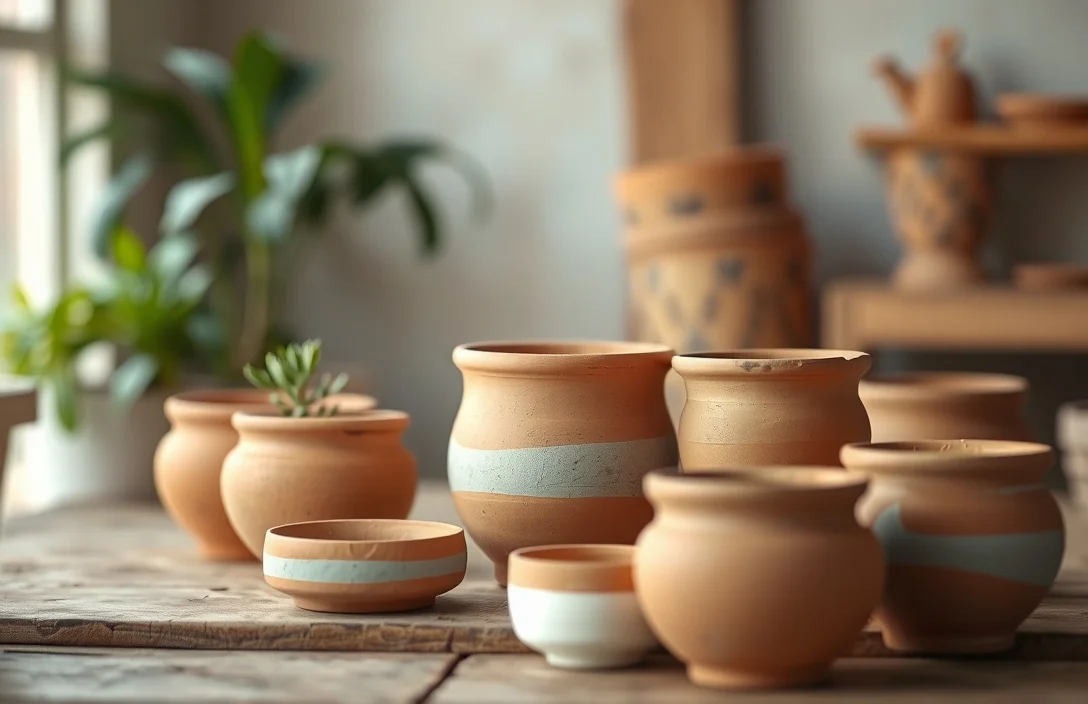
Start with a pot that’s bone dry. If the pot was recently washed or used as a planter, pause until moisture has worked out all the way through. Clay can hold water deeper than the surface, and painting over dampness can cause peeling or bubbling.
Sand lightly if the surface is rough or dusty, then wipe away the residue. A quick scuff with fine sandpaper helps primer grip, but don’t turn the surface into powder. After sanding, wipe with a clean, dry cloth (or a tack cloth if you have one) so you aren’t painting on dust.
Use a bonding primer made for masonry or terracotta. Apply it evenly and don’t skip edges or drainage holes. Water often hits these areas first, and paint failure usually starts there.
Choose paint based on where the pot will live. Use acrylic for indoor or craft pieces, and exterior masonry paint for outdoor planters. If you’re unsure, pick paint labeled for exterior use since it’s built to handle temperature and moisture changes.
Seal the finished pot when it will contact water or sit outdoors. A clear sealer designed for masonry protects the paint from rain, splashes, and routine cleaning. Apply in thin coats and let it cure fully before watering plants again.
Benefits of painting clay pots
Painting clay pots gives you control over color, lets you match décor, and refreshes old planters instead of replacing them. It also covers stains, chips, and surface discoloration that show up after repeated watering.
Painted and sealed pots often wipe down easier than bare clay. You spend less time scrubbing chalky mineral deposits, especially if your water leaves hard-water buildup. For some households, that maintenance difference is noticeable.
Painting can also make coverage more consistent for decorative use. Priming reduces the “paint soaks in instantly” effect, so you’re less likely to end up with patchy spots or repeated touch-ups.
Sealed painted clay also helps with cleaner craft projects. When you use a clay pot as a container for non-soil items (pens, storage, faux plants), sealing can reduce flaking dust that would otherwise end up on your hands or nearby surfaces.
Options for painting clay pots
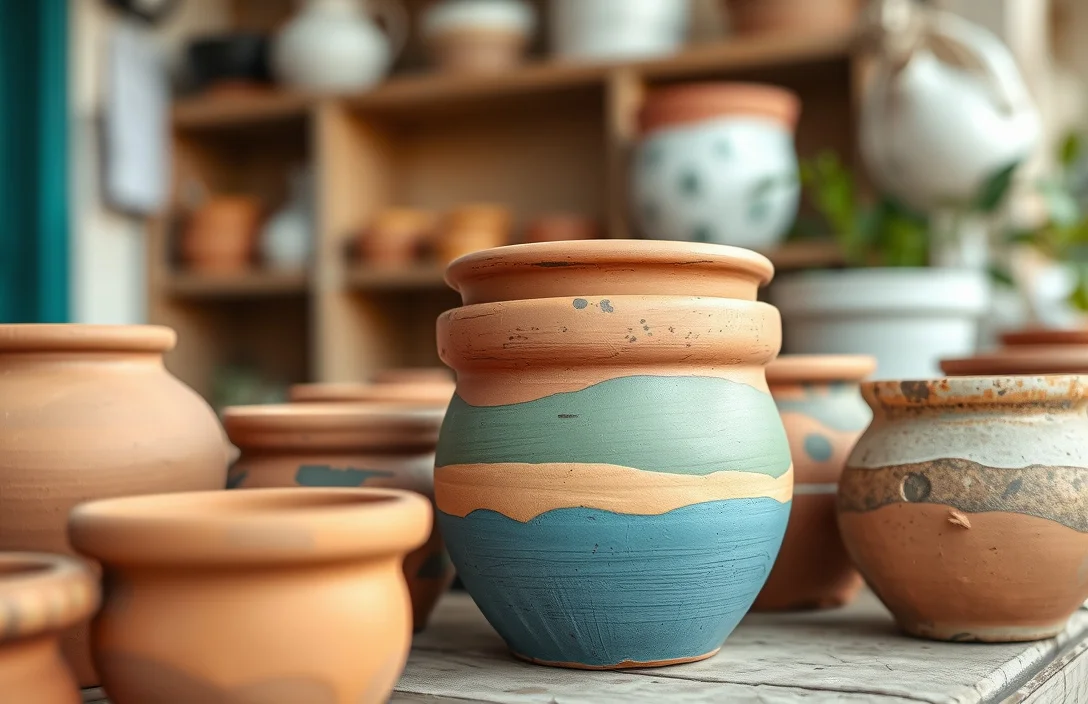
You have three main routes, and the best one depends on whether the pot is a planter and how exposed it will be.
| Option | Best For | What to Use |
|---|---|---|
| Decorative paint job | Indoor décor, dry use | Craft acrylic paint, simple primer, optional sealer |
| Planter-ready coating | Outdoor or watered planters | Bonding primer, exterior-rated masonry/exterior paint, clear masonry sealer |
| Spray system | Fast coverage on textured clay | Spray primer for masonry, spray paint labeled for exterior/masonry, then spray or brush sealer |
Within those routes, match the paint style to the pot’s job:
- Acrylic craft paint works well for indoor projects and small items.
- Latex or acrylic exterior paint is the safer choice when the pot will get wet.
- Masonry paint is made for porous surfaces and fits terracotta well.
- Spray paint can give quick coverage, but overspray and uneven coats are common unless you do multiple light passes.
Then decide on sheen. Matte hides texture but can be harder to wipe clean. Semi-gloss and satin are usually easier to clean and often hold up better on frequently handled planters, though they may show imperfections more.
Practical expert guidance for painting clay
Don’t skip primer. Clay’s porosity pulls paint into the surface, so without a bonding layer, you’re relying on adhesion that often doesn’t hold.
Seal anything that will get watered. Even good paint wears faster without a proper sealer. When you’re using the pot again for real planting, follow the full cure time on the paint and sealer, not just “dry to touch.”
Use a test spot before you commit to the whole pot. Paint a small area, then check it after it fully dries. If you see peeling, chalking, or primer soak-through patterns, adjust primer coverage and drying time before painting the rest.
Watch drainage holes and rim edges closely. These areas take on water stress first, and paint failure often starts there. A second primer pass around the rim is usually worth it for pots that go outside.
Account for clay movement. Clay shifts slightly as it gains and loses moisture. That movement can crack brittle finishes over time, especially in freeze-thaw climates. If you live where winters freeze, prioritize exterior masonry coatings and allow full cure.
Examples of painting clay pots
For a basic indoor décor pot, prime with a bonding primer, then paint with acrylic in two to three thin coats. Finish with a clear sealer if you want easier wiping, especially if the pot will hold a plant pot insert, faux greenery, or small desk items. For patterns like stripes, let the base coat dry fully before taping.
For an outdoor planter, build the full system: scrub and dry, apply bonding primer, then exterior-rated paint, then a masonry sealer. Coverage matters less than adhesion here because water cycling breaks most DIY finishes. If the pot sits in heavy rain, choose a sealer intended for masonry and outdoor use, not a generic craft top coat.
For refinishing old terracotta, expect mineral deposits and powdery patches. Sand lightly, wipe thoroughly, then prime again. Old clay usually needs more prep than new pots because residue builds up over repeated watering.
For textured pots with ridges, use brush or spray in light coats and don’t try to cover everything with one thick layer. Primer should reach into the texture so paint doesn’t look sunken in low spots. After the final coat, a sealer can smooth the look and improve cleaning, but apply it lightly so it doesn’t pool.
FAQ
Can clay pots be painted without primer?
Clay pots can be painted without primer, but the finish usually won’t last. Clay is porous, so paint soaks in and dries unevenly, and adhesion can fail if dust or mineral residue remains. For indoor decorative use you may be able to skip primer and accept touch-ups, but for planters or outdoor pots, priming is the safer move.
What paint works best for outdoor clay planters?
Outdoor clay planters do best with exterior-rated paint designed for masonry or porous surfaces. Pair it with a bonding primer made for terracotta or masonry, then seal the finished surface with a clear masonry sealer. The coating stack matters more than the color because it resists water and moisture cycling.
Do I need to seal a painted clay pot?
Yes, seal a painted clay pot if it will get wet, especially if it’s a planter. Sealer helps protect paint from rain splashes, routine watering, and scuffs during moving. Indoor decorative pots that stay dry can skip sealing, but sealing still improves wipe-ability and reduces chalky wear.
How long should I wait before watering plants in a painted pot?
Wait until the paint and sealer are fully cured, not just dry to the touch. Many coatings need longer than people expect to reach full strength and moisture resistance. Watering too soon can weaken adhesion and cause cloudy spots or peeling around the rim.
What’s the most common mistake when painting clay pots?
Skipping prep and primer is the most common mistake. People paint over dusty or mineral-coated clay, then the surface looks fine briefly and flakes later. Clean thoroughly, dry fully, use bonding primer, and apply thin coats. If you follow those steps, your chances of a durable finish improve a lot.

- 10 Best Slow Cooker For Slow Cooking Legumes 2026 (Tested And Reviewed) - October 17, 2026
- 10 Best Slow Cooker For Slow Cooking Oxtail 2026 (Tested And Reviewed) - October 16, 2026
- 10 Best Slow Cooker For Slow Cooking Venison 2026 (Tested And Reviewed) - October 16, 2026