Does Caffeine Help With Pots Explained Simply
Caffeine is a common self-treatment people with POTS ask about, because it can change how your heart rate and blood vessels behave. POTS already affects both, so caffeine can help some people and make others feel worse. Use this guide to decide whether to try it, what to watch for, and how to test it safely.
Caffeine may help some POTS symptoms by temporarily increasing alertness and possibly tightening blood vessels or supporting blood pressure. It can also raise heart rate in others, which can worsen the jittery, fast-beat feeling that POTS brings during standing. If you want to test it, start with 25 to 50 mg and ideally take it not on an empty stomach. Watch for palpitations, shakiness, or worsening dizziness for several hours. If your symptoms spike, stop.
Key Takeaways
- Caffeine can help some POTS symptoms by improving alertness and possibly supporting blood pressure, but it’s not consistent for everyone.
- Heart rate often rises because caffeine is a stimulant, and that can worsen tachycardia for some people.
- Blood pressure effects vary – some people feel steadier, others feel more lightheaded when caffeine triggers palpitations.
- Start low, go slow with 25 to 50 mg, then reassess after 2 to 4 hours.
- Timing matters – try caffeine during your usual worst window, not right before bed.
- Avoid it if unsafe – active arrhythmias, uncontrolled anxiety, or past stimulant intolerance are red flags.
Does Caffeine Help With POTS Symptoms?

Caffeine sometimes helps with POTS symptoms, but it isn’t a reliable fix. Some people notice less fatigue and “brain fog,” and standing feels a little easier after a small dose. Others feel worse because caffeine pushes their heart rate and jittery sensations higher, especially when upright.
POTS isn’t one single problem. In some people, symptoms track more with low blood pressure and blood pooling. In others, abnormal heart rate regulation dominates. Many people have a mix. Caffeine can nudge both systems, so your result depends on your personal pattern and your dose.
Treat caffeine like a short-term experiment. Don’t judge after one drink, and don’t keep increasing the dose until you know how your body responds.
How Caffeine May Affect Heart Rate
Caffeine can increase heart rate by stimulating the nervous system. Even if caffeine doesn’t “cause” POTS, it can amplify the pounding or racing sensation some people already get when they stand. That’s why it can feel “settling” for one person and instantly miserable for another.
The dose matters. Small amounts may be tolerable, while larger doses can trigger palpitations, tremor, or a wired feeling that looks like anxiety but is still stimulant physiology. If you track heart rate with a smartwatch or monitor, you can make your caffeine trial less subjective.
Watch the simplest signal: whether caffeine makes your standing tachycardia worse in the first couple of hours. If it does, use less or skip it on flare days. For many people, the alertness trade-off isn’t worth the added upright heart rate.
Caffeine’s Impact on Blood Pressure in POTS

Caffeine can raise blood pressure in some people. That can help if your main problem is standing dizziness or near-fainting. The catch is that caffeine can also raise heart rate and change vessel tone, and those effects can still make you feel worse even when blood pressure improves.
Some POTS patients mainly struggle with blood pooling, and they may respond better to anything that temporarily supports vascular tone. Others have a heart-rate-heavy pattern where any blood pressure support is outweighed by faster beats and stronger palpitations.
Caffeine can also shift hydration and salt indirectly. If caffeine makes you pee more and you don’t replace fluids and electrolytes, your net effect can be worse than you expected. Test caffeine alongside your usual salt and fluid routine. Don’t change everything at once.
Caffeine Dosage Timing for POTS Flares
Match caffeine to your symptom window instead of using it to chase relief every time you feel bad. Identify when flares usually hit – morning upright time, after meals, or late afternoon – and then test a small, consistent dose during that window so you can compare days.
For a first attempt, start with 25 to 50 mg caffeine and wait. That usually lands around half to one normal coffee serving, depending on the brew. If you tolerate it without palpitations or worse dizziness, you can reassess whether a slightly higher dose helps, but only if your symptoms stay within a tolerable range.
Timing controls side effects too. Taking caffeine late can worsen sleep, and poor sleep tends to worsen autonomic instability the next day. For POTS, treat caffeine like an “upright-day tool,” not an all-day medication.
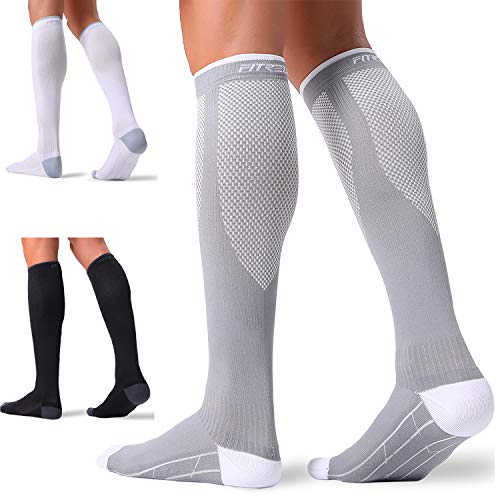
Helpful pick
FITRELL 3 Pairs Compression Socks for Women and Men 20-30mmHg Circulation and Muscle Support Socks for Travel, Running, Nurse, Knee High, Medical Black+White+Grey L/XL
Supports venous return during upright periods, complementing timed caffeine strategies to reduce morning POTS flares.
Which POTS Patients Should Avoid Caffeine

Avoid or use extreme caution with caffeine if you have a history of arrhythmias or episodes of palpitations you can’t explain. If your baseline heart rate is already hard to control, caffeine can push you into a symptom spiral that makes flares last longer. The same goes for people who get significant tremor, nausea, or wired anxiety from stimulants.
If caffeine repeatedly triggers a higher standing heart rate, stronger palpitations, or worse lightheadedness, stop using it as a tool. POTS is hard enough without repeatedly provoking the trigger that sets off your flares.
Be careful with total stimulant load. Coffee, tea, energy drinks, pre-workout supplements, and some headache products can add up quickly. In POTS, the safest approach is reducing total stimulant intake until you understand your response pattern.
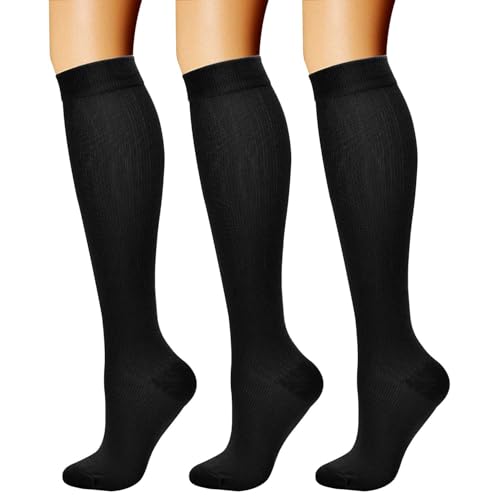
Helpful pick
CHARMKING Compression Socks for Women & Men Circulation (3 Pairs) 15-20 mmHg is Best Athletic for Running, Flight Travel, Support, Cycling, Pregnant – Boost Performance, Durability (L/XL,Black)
Helps support venous return and leg comfort, potentially reducing orthostatic strain that worsens caffeine-triggered symptoms.
Caffeine vs Salt, Fluids, and Compression
Caffeine is a short-term nudge. Salt, fluids, and compression are the usual foundation for POTS symptom control. Salt and fluids increase circulating volume, which helps reduce blood pooling when you stand. Compression reduces venous pooling and can blunt the heart-rate jump that follows upright posture.
Caffeine can fit into that plan, but it shouldn’t replace the basics. If you try caffeine without adequate fluids or salt, you may keep dosing to fight dizziness, and that can turn into a cycle. When people feel better with caffeine, I often suspect they were already close to meeting hydration and electrolyte needs, or caffeine’s alertness boost made upright time feel more tolerable.
| Approach | Typical Effect You Might Feel | Best For | Common Downside |
|---|---|---|---|
| Caffeine (small dose) | Alertness boost, possible symptom lift | Fatigue or mild “standing fog” | Palpitations, shakiness, faster heart rate |
| Salt + fluids | Less pooling, better tolerance of standing | Dizziness, near-fainting, morning flares | Needs consistent routine, watch total intake if advised |
| Compression garments | Reduced blood pooling | Standing intolerance, leg symptoms | Can be uncomfortable, needs proper fit |
| Both salt/fluid + compression | More stable upright BP/HR response | Moderate to frequent flares | Requires setup and consistency |
If salt, fluids, and compression aren’t already consistent for you (as recommended for your situation), caffeine is the second lever. Get the fundamentals working first, then consider caffeine if fatigue or specific windows still leave you struggling.

Helpful pick
Truform Sheer Compression Stockings, 15-20 mmHg, Women’s Knee High Length, 20 Denier, Nude, Medium
Provides graduated compression to reduce venous pooling and improve standing blood flow.
Monitoring Response After Trying Caffeine
Treat caffeine response like a small experiment. Pick one time of day, use a consistent dose, and compare how you feel to a similar day without caffeine. Look for measurable signals, not only vibes.
A simple monitoring plan:
- Record your standing heart rate and symptoms at baseline, then re-check at 60, 120, and 180 minutes.
- Track dizziness, palpitations, tremor, nausea, and energy on a 0 to 10 scale.
- Note when symptoms peak and how quickly they settle.
Also track sleep after your trial. Caffeine can help during the day but still worsen sleep, and poor sleep can create delayed symptom rebound that makes caffeine look harmful overall.
If your results are mixed, don’t assume caffeine “does nothing.” The dose may be too high, the timing may be off, or caffeine may only work in a narrower window for you. The goal is steady, predictable improvement without triggering a standing heart-rate spike.
FAQ
Does caffeine help with POTS symptoms?
Caffeine may help some people with POTS by improving alertness and possibly supporting blood pressure enough to reduce dizziness. It can also worsen symptoms by increasing heart rate and palpitations in others. Start with a cautious trial of 25 to 50 mg and monitor for 2 to 4 hours, especially during your usual upright symptom window.
How much caffeine should I try for POTS?
Start with 25 to 50 mg caffeine if your clinician hasn’t told you to avoid it. Then reassess after a few hours, focusing on palpitations, shakiness, and standing dizziness. Don’t jump to larger amounts, because tachycardia and other side effects can show up quickly and can make flares last longer.
Can caffeine raise heart rate in POTS?
Yes. Caffeine can raise heart rate because it is a stimulant. If you already have upright tachycardia, caffeine can intensify the fast-beat feeling or make it start sooner. A good sign is stable or improved symptoms without a meaningful increase in standing heart rate.
Is caffeine safe during POTS flare-ups?
It depends on how your body reacts to stimulants during flares. If caffeine reliably triggers palpitations or worsens dizziness, skip it during flares and stick to salt/fluids and your usual plan. If you tolerate caffeine normally, a small earlier-in-the-day dose is usually safer than taking a larger amount when symptoms are already intense.
What’s a common mistake people with POTS make with caffeine?
Using caffeine as a substitute for fluids, salt, or compression is the biggest mistake. If you’re under-hydrated or not meeting electrolyte needs, caffeine’s stimulant effect can worsen the overall autonomic imbalance and prolong symptoms. Another common error is trying energy drinks or multiple stimulant products without realizing how quickly the cumulative dose adds up.

- 10 Best Slow Cooker For Mess Free Cooking 2026 (Tested And Reviewed) - October 24, 2026
- 10 Best Slow Cooker With Leak Resistant Lid 2026 (Tested And Reviewed) - October 24, 2026
- 10 Best Slow Cooker With Spill Proof Design 2026 (Tested And Reviewed) - October 24, 2026