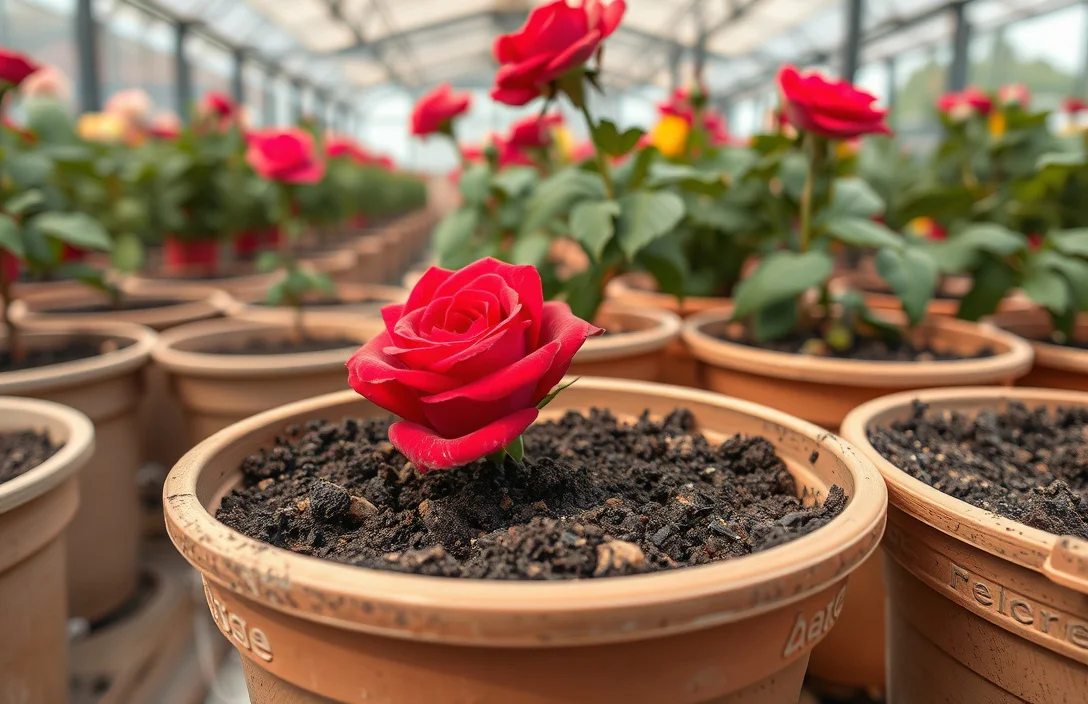
Soil For Roses In Pots In 5 Easy Steps
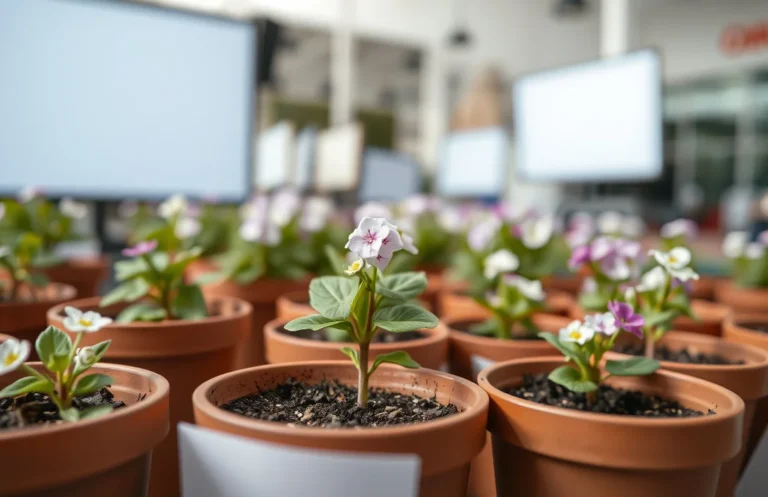
Roses in containers grow in a small volume of soil, so the mix matters more than most people think. The right soil for roses in pots balances drainage, holds enough moisture for steady uptake, and supports soil biology through the season.
Use a well-draining, moisture-holding container potting mix as your base. Roses need oxygen around roots as well as water, so add aeration – perlite or pumice – to keep the mix airy when it’s wet. For nutrients, rely on quality compost and/or a slow-release fertilizer, because many container mixes start with little long-term feeding.
Key Takeaways
- Drainage is nonnegotiable. Roses in pots need fast drainage so roots get oxygen, not permanent wet feet.
- Use potting mix, not garden soil. Garden soil compacts in containers and can suffocate roots over time.
- Aeration saves roses. Perlite or pumice improves airflow and reduces the “stays wet too long” problem.
- Feed through the season. Many container mixes include little nutrition, so plan on compost and/or slow-release fertilizer.
- Stay consistent with watering. Uneven wet-dry cycles stress roses and make pests more likely.
- Pick the right pot size. Larger pots buffer moisture swings and help your soil last longer between repots.
What to know about soil for roses in pots
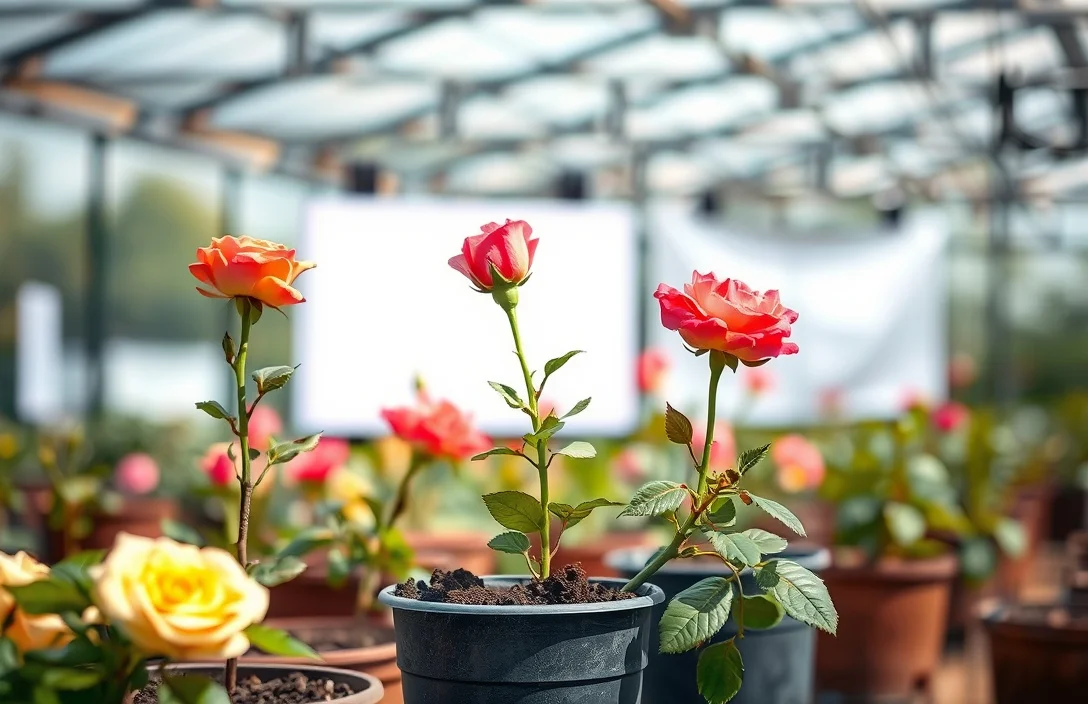
Potting soil for roses in containers is less about “feeding” and more about controlling the root environment. In the ground, roots spread to find air and moisture gradients. In a pot, the mix has to do all of that work in a smaller space – which makes drainage, aeration, and water retention your top three priorities.
Soil is more than dirt. It is a porous, biologically active medium that holds water and nutrients while allowing gas exchange around roots. For potted roses, that means your mix needs mineral structure and organic material without collapsing into dense mud after repeated waterings.
Container mixes also change as the season goes on. Organic material breaks down, perlite can float upward, and salts can build up from fertilizers. If your roses keep yellowing or wilting even when you water, the soil may be degrading – not your technique.
Things that matter most
Start with the base: use a potting mix designed for containers, not topsoil or yard dirt. Container potting mixes stay lighter because they include aerating particles and organic components that resist compaction.
Match the mix to your watering reality. If you water often and the pots never dry out fully, you can use a slightly richer mix. If you forget sometimes, or your patio runs hot and windy, you need a mix that holds water longer without turning heavy.
Pay attention to texture. A rose pot that stays wet for days starves roots of oxygen. A rose pot that dries into a light brick leaves roots without water between irrigations. Stable moisture with air pockets is the goal – which is exactly why perlite or pumice shows up in good mixes.
Plan nutrition. Container soil provides less steady fertility than garden beds. Even if the mix looks dark and rich, nutrients run out as you water and as the plant grows. You’ll get better results from a controlled feeding plan than from trying to “get everything right” with one bag.
Size changes everything. A 6- to 8-inch pot dries fast and pushes rapid nutrient cycling. A 14-inch pot buffers temperature and moisture swings, so your soil performs more consistently and fertilizer works on a steadier schedule.
Tips for soil for roses in pots
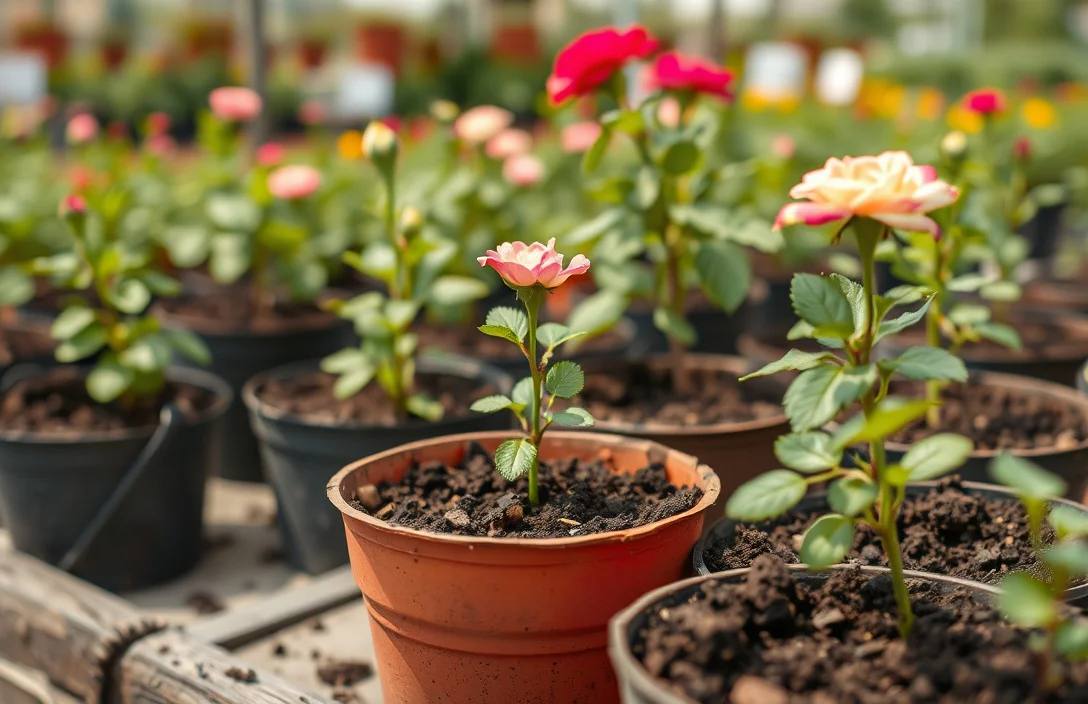
Soil-improvement tips focus on making the mix more forgiving. If a bagged potting mix feels peat-heavy or dense, add aeration before you pot. Aim for a mix that crumbles when you squeeze it, then rebounds when you let go – not one that compacts into a solid clump.
A straightforward upgrade path for almost any container mix:
- Start with potting mix. Use a quality potting mix or potting soil for containers, not garden soil.
- Add perlite or pumice. Blend until the mix stays airy when wet.
- Use compost for nutrition, not bulk alone. Compost improves biology and slow nutrient release, but too much can reduce airflow.
- Add slow-release fertilizer if your mix is plain. Follow the label rate, then top-dress later if needed.
- Refresh the surface each season. A thin compost layer can restore organic matter without rebuilding the whole mix.
After potting, water deeply until you see drainage, then wait until the top few inches start to dry before watering again. Watering lightly every day keeps salts near the surface and encourages shallow roots.
In hot weather, mulch helps – but use it carefully. A thin mulch layer (compost or shredded bark) reduces evaporation, and it should stay off the stem and not bury the crown. Skip “drainage layer” sand or gravel at the bottom. It does not fix drainage, and it can trap water at the interface.
When repotting, do not reuse exhausted soil. Old container mixes are often depleted and can accumulate fertilizer salts. Refreshing the soil regularly is one of the easiest upgrades you can make without changing anything else.
Benefits of soil for roses in pots
Good soil for roses in pots keeps root conditions consistent, and that shows up fast in the plant. When the mix holds enough moisture but stays airy, you get steadier growth, fewer wilting episodes, and less stress-induced leaf drop. Roses also handle heat waves better when the root zone isn’t swinging from bone-dry to waterlogged.
A well-structured mix improves oxygen availability. Roots need air in the root zone to take up water and nutrients efficiently. When a container mix compacts or stays saturated, oxygen drops and symptoms follow: yellowing leaves, slow growth, and weaker flowering.
Organic matter and active biology also buffer nutrition. As compost breaks down, roses access nutrients more gradually. That can reduce the “fertilizer roller coaster” where you overfeed one week and the plant looks hungry the next.
Nutrient-holding structure is another practical win. Containers lose water and dissolved nutrients through drainage, so the mix needs to retain some nutrients while still letting excess water escape. A balance matters more than chasing a sponge-like soil.
The right mix also makes maintenance easier. A forgiving mix helps you water correctly without obsessing over exact timing, and repotting intervals tend to last longer. For most gardeners, that means fewer troubleshooting sessions and healthier plants.

Helpful pick
Specialty Rose Planting Mix by Perfect Plants | Premium Nutrients for Flowering Roses Such as Drift, Knockout, and Heirloom (8qt)
A rose-specific soil mix that maintains consistent root moisture and airy drainage in pots.
Options for soil for roses in pots
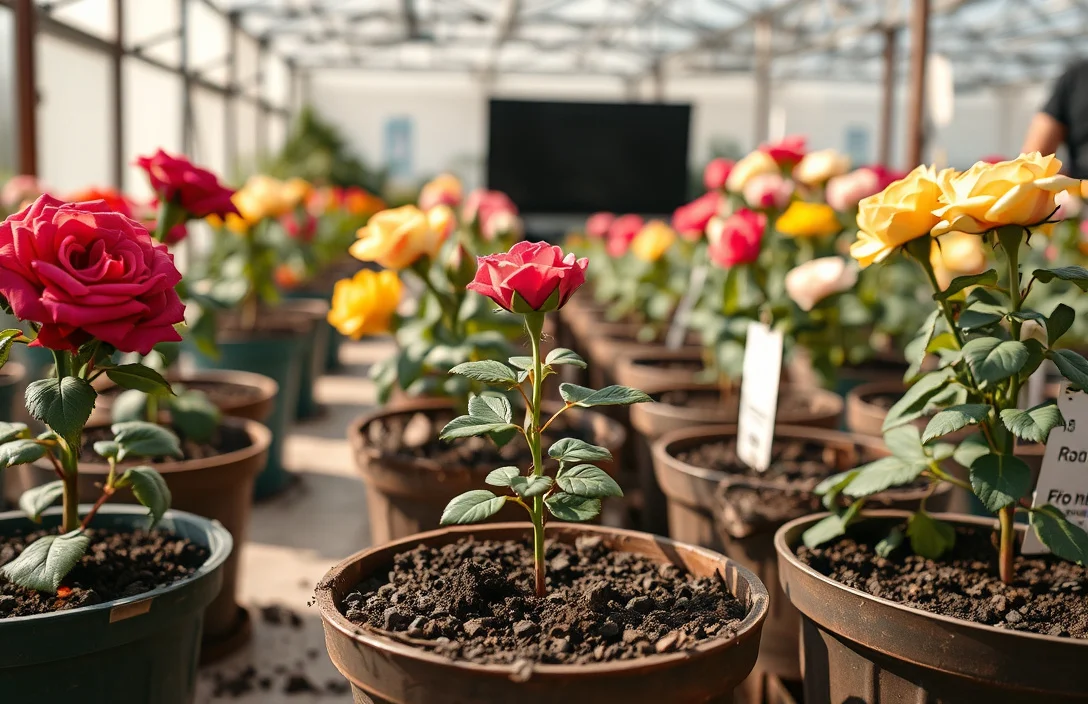
Different ingredients work depending on climate and watering habits. Choose a solid base, then tune it with aeration and fertility.
Practical starting options:
- Bagged container potting mix + aeration. Simplest route. Add perlite or pumice so it stays light when wet.
- Potting mix + compost + slow-release fertilizer. Best for a “set it and manage later” approach.
- DIY blend for fast-draining climates. Hot and dry requires more moisture-holding organic matter – carefully – while keeping aeration so it doesn’t turn heavy.
- Example 1 (most gardens): 2 parts potting mix, 1 part perlite/pumice, 1/2 part compost
- Example 2 (more feeding): 2 parts potting mix, 1 part perlite/pumice, 1/2 part compost, plus slow-release fertilizer per label
- Example 3 (humidity-friendly): 2 parts potting mix, 3/4 part perlite/pumice, 1/4 to 1/2 part compost
| DIY blend for humid areas. In frequent rainfall exposure or shaded areas that dry slowly, prioritize mineral structure and aeration. | Option | Key Mix Ingredients | Best For | Main Trade-off |
|---|---|---|---|---|
| Base bagged mix + perlite | Container potting mix + perlite/pumice | Most patio pots | Perlite can float if you pack too loosely | |
| Mix with compost | Potting mix + compost | Roses that need steadier nutrition | Too much compost can slow drainage | |
| Mix with slow-release fertilizer | Potting mix + aeration + slow-release fertilizer | Busy schedules | Nutrients still need periodic replenishing | |
| Fast-draining DIY | More mineral/aeration, less peat | Hot sun, forgetful watering | Requires more consistent watering once soil dries | |
| Humidity-friendly DIY | Stronger aeration and structure | Damp climates, shaded patios | Can dry faster if aeration is too high |
No matter which option you pick, treat it as a starting point. The first season is your calibration because sun level, pot size, and local humidity decide how quickly soil dries and how often you’ll need to feed.

Helpful pick
Miracle-Gro Organic Outdoor Potting Mix – Plant Soil for Outdoor Container Plants, Contains Quick-Release Natural Fertilizer, OMRI Listed, 16 qt.
Provides a ready-to-use base with nutrients and room for aeration, aligning with the bagged mix route.
Expert advice on soil for roses in pots
In containers, there isn’t one perfect soil. There’s repeatable root conditions – built from pot size, drainage, mix texture, and your watering routine.
First, prioritize drainage in the container itself. A pot can be filled with a great mix and still fail if it lacks drainage holes or if saucers trap water. Empty saucers after watering and make sure water moves freely through the mix.
Second, keep the mix airy when wet. If the potting mix always feels heavy after watering, it will likely compact. Aeration (perlite or pumice) is the easiest way to keep stable structure. You want air space in the wet state, not just when the soil is dry.
Third, feed like a container gardener. If you only rely on bag mix and compost, nutrient availability eventually drops. A slow-release fertilizer added at potting helps, and a light top-dress later keeps nutrition available without over-scheduling.
Fourth, repot before the soil is fully exhausted. When roses become root-bound and the mix runs out, water and nutrient availability decline together. Roots circling the edges or soil that dries far faster than it used to are strong cues that repotting will help more than more fertilizer.
Fifth, use watering as quality control. If you water and the plant struggles, check moisture behavior with a finger test. Wet and cool soil at depth when the plant looks unhappy often points to an oxygen problem. Dry soil that shrinks away from pot walls when the plant droops points to water-holding limits or watering timing issues.
Finally, don’t chase constant re-watering. Roses do best with a consistent cycle: water deeply, then let the mix partially dry. That pattern keeps oxygen in the root zone and prevents chronic saturation.

Helpful pick
Coast of Maine Organic & Natural Planting Soil for Roses & Flowers – Premium Garden Soil w/Composted Manure, Sphagnum Peat Moss for Multi Use In Ground & Containers – Enhanced Drainage (20 Qt)
Provides enhanced drainage and a robust soil base ideal for roses grown in pots.
Examples: soil for roses in pots
These three examples fit most US container rose setups. Ingredients change slightly, but each one serves a clear purpose.
For a standard outdoor patio pot in most climates: use quality potting mix and add aeration. Blend in compost for organic matter, then use slow-release fertilizer if your base mix is mostly inert.
For a fast-draining, sunny setup (full sun on a heat-retaining patio): keep airflow, but build for moisture stability. Use slightly more moisture-holding material without removing aeration. The goal is less rapid drying while avoiding a soggy root zone after you finally water.
For humid or shaded conditions: choose a blend that drains well and dries at a reasonable pace. That usually means leaning into pumice or perlite and using compost in smaller amounts so the pot does not stay wet too long.
Here are mix starting points by volume (flexible, but useful):
Fill the pot to the correct depth and plant the rose at the right crown height for its type. After potting, water until runoff, then don’t “top up” with small sips. Let the pot settle and drain, then start your normal watering cycle.
FAQ
What soil is best for roses in pots in the United States?
A quality container potting mix plus added aeration like perlite or pumice usually performs best. Garden soil compacts in pots and can suffocate roots. If your bagged mix is low in nutrients, add compost and/or slow-release fertilizer, because container roses use nutrients faster than ground roses.
Can I use garden soil for potted roses?
You can, but I do not recommend it. Garden soil compacts in containers, reducing oxygen in the root zone and causing yellowing and slow growth. If you only have garden soil, mix it heavily with potting mix and aeration, and test drainage before committing.
How do I know if my potting soil is too wet for roses?
Check how the soil behaves after watering. If the pot feels wet and cool several inches down for many days, drainage or aeration is too low. Saturation often leads to drooping from oxygen shortage, and leaves may yellow while the soil stays heavy.
How often should I refresh or repot roses in pots?
Refresh or repot when the soil is depleted or the roots are circling the pot. A practical schedule is every 1 to 2 years for active growth, or sooner if the pot dries unusually fast – a sign of root crowding and exhausted mix. Track the soil drying pattern and plant vigor.
What’s the most common mistake with soil for roses in pots?
Using a mix that stays wet too long, usually from garden dirt or missing aeration. Another frequent mistake is topping with sand or gravel as a “drainage layer.” It doesn’t improve drainage and can trap water higher up. Start with container potting mix and add perlite or pumice for airflow.
The next step is simple: buy a quality container potting mix, add perlite or pumice, then choose a compost and fertilizer plan you can actually maintain. Watch drainage and the soil drying timeline during your first season, because that’s what tells you whether your soil for roses in pots is truly working.

- 10 Best Slow Cooker For Quick Preparation 2026 (Tested And Reviewed) - October 18, 2026
- 10 Best Slow Cooker For Family Meal Preparation 2026 (Tested And Reviewed) - October 18, 2026
- 10 Best Slow Cooker For Freezer Meal Preparation 2026 (Tested And Reviewed) - October 18, 2026