Can You Cook Sushi Rice In Rice Cooker?
Sushi rice is picky because it needs the right texture and a specific seasoning, but a rice cooker can get you very close with less babysitting. Yes, you can cook sushi rice in a rice cooker, and you can do it in roughly under an hour end-to-end. This guide gives you a reliable method, including timing, doneness cues, and how to tune the rice for better stickiness and shine.
Sushi rice in a rice cooker works by cooking it like plain short-grain white rice first, then dressing it right after it finishes. Plan for about 50 minutes total: wash and soak 10 minutes (optional), cook 35-45 minutes depending on your cooker, then mix with sushi vinegar for 5-10 minutes.
Key Takeaways
- Yes, it works. Cook the rice as regular white rice, then season with sushi vinegar right after cooking.
- Use the “right” water ratio. Start around 1:1 water-to-rice for most cookers, then adjust slightly.
- Don’t skip the fluff. Fold with a paddle and fan briefly to remove excess steam.
- Season fast. Mix within 10 minutes of cooking for best texture and sheen.
- Tweak for your cooker. If rice is mushy, reduce water by 1-2 tablespoons per cup dry rice.
- Store properly. Refrigerate within 2 hours, then reheat gently (steaming or microwave with a splash of water).
What to Know About Cooking Sushi Rice in a Rice Cooker
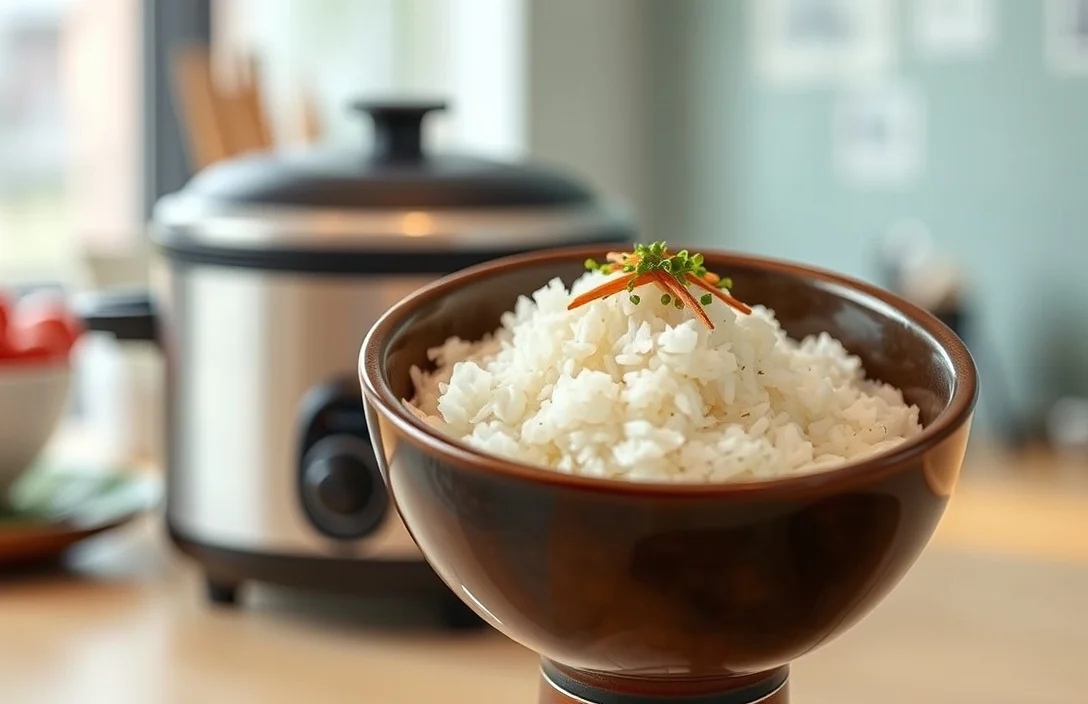
You can cook sushi rice in a rice cooker, and the trick is keeping “cooking the starch” separate from “sushi seasoning.” The cooker makes the grains tender and evenly cooked, but it does not automatically give you the vinegar-coated, slightly glossy sushi texture.
Timing after cooking makes or breaks the final bite. Season too late and the rice dries out or turns clumpy. Keep it trapped and steaming too long and it can go sticky-gummy instead of tender and shapeable.
Your rice cooker model also affects results. Induction, fuzzy logic, and simple thermostats can all run slightly different heat patterns, so the best approach is starting with a solid ratio and adjusting based on your first batch.
Things that matter most
Cook sushi rice like regular short-grain white rice, using your cooker’s standard cook cycle for white rice. Then season the hot rice with sushi vinegar (rice vinegar + sugar + salt) while it’s still steaming.
Mix and fold matters more than people expect. Season immediately after the cook finishes and keep the rice from sitting sealed and steaming in the pot for long.
Water ratio controls texture. Start with 1 cup dry sushi rice to 1 cup water (about 1:1), then fine-tune based on how the cooker ends your first attempt.
Tips for Cooking Sushi Rice in a Rice Cooker
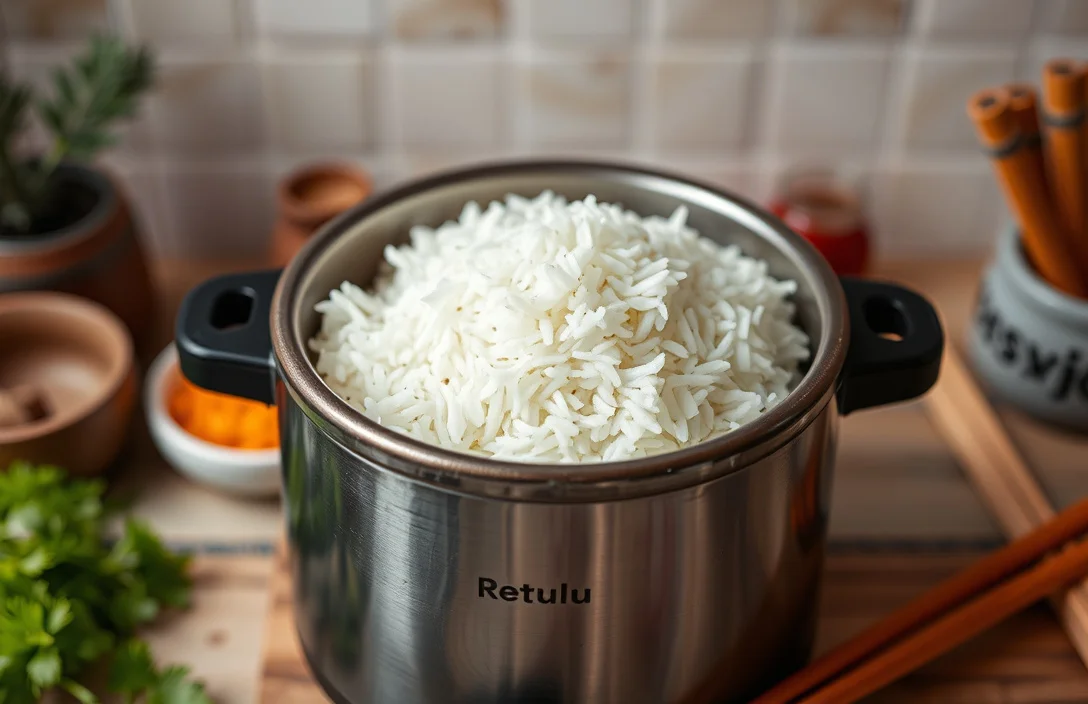
Start with short-grain Japanese-style sushi rice for the best stickiness. If your bag says “short grain” or “sushi rice,” you’re already set, and your rice cooker’s job gets simpler.
Rinse until the water is mostly clear (usually 2-4 rinses). This lowers surface starch, which helps prevent gluey rice and makes grains stay distinct after seasoning.
Fan and fold right after seasoning. Use a paddle or spatula to gently lift and fold, then let the vinegar evaporate a bit so the rice looks glossy instead of wet.
If your cooker has a “white rice” vs “sushi” or “sweet” mode, use “white rice” first. Special modes can shift heating patterns, and consistency matters most while you learn your cooker.
Adjust with small changes. If the rice is mushy, reduce water by 1-2 tablespoons per cup dry rice next time. If it’s grainy or undercooked, add 1-2 tablespoons water per cup dry rice.
Benefits of Cooking Sushi Rice in a Rice Cooker
The biggest win is consistency with less babysitting. Rice cookers regulate heat and timing, so you’re less likely to scorch the bottom or end up with uneven grains compared with stovetop cooking.
You also get a repeatable workflow. “Cook cycle, season, fold” stays the same even if you’re making rolls for the first time. Each batch teaches you faster how your water ratio and vinegar amount land.
Batch flexibility helps, too. You can cook extra for meal prep, and sushi rice stores well when you cool and refrigerate on schedule.
Options for Cooking Sushi Rice in a Rice Cooker
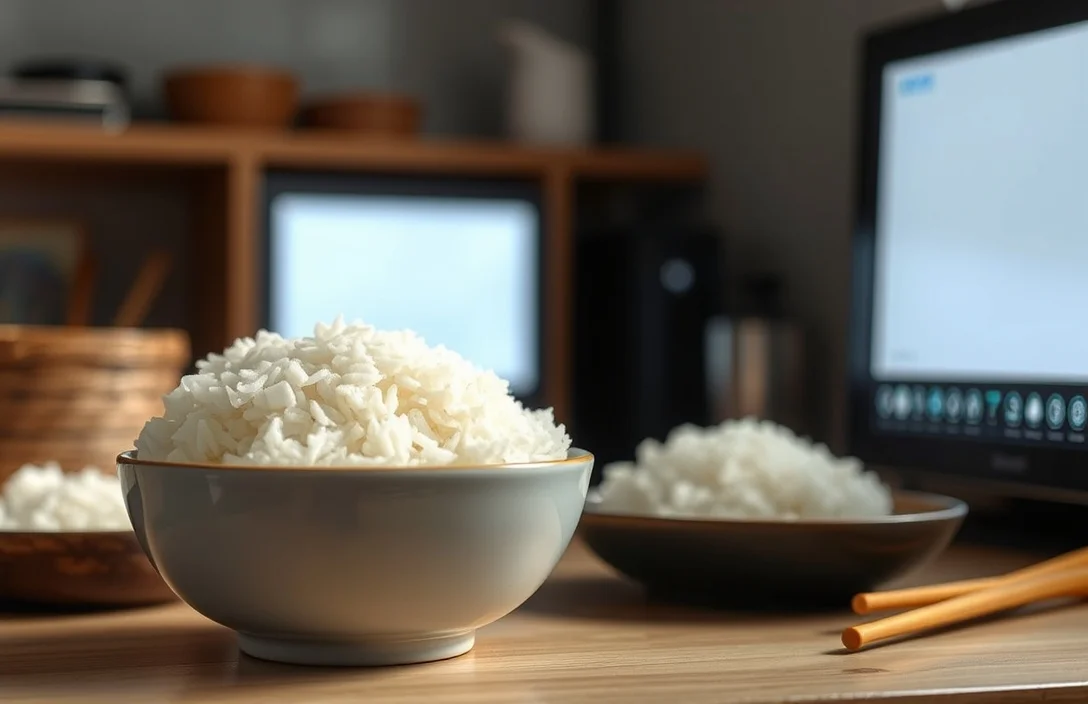
You can get sushi-rice texture from a rice cooker in two main ways. Pick based on how strict you want to be about tradition versus convenience.
Option 1: Cook plain rice, then season (best for most people). This is the most reliable approach because you control cooking water separately from vinegar dressing.
Option 2: Pre-season (only if you already know your cooker’s results). Mixing vinegar into the cooked rice, or adding part during cooking, can work. It also makes absorption less predictable and can soften the crisp, grain-by-grain bite people expect from sushi rice.
Here’s a quick comparison:
| Option | Best For | Main Trade-off | What to Watch |
|---|---|---|---|
| Cook plain rice, then season | Most home cooks | Requires fast handling after cook ends | Season within 10 minutes, fold gently, fan briefly |
| Add vinegar during/at cooking | Advanced tinkering | Texture can shift because vinegar changes flavor and absorption | Start with small vinegar amount, test water ratio each time |
| Stovetop vinegar prep + cooker rice | People who want predictable seasoning | Extra bowl step | Measure vinegar mix exactly, keep rice covered while dressing |
I recommend Option 1. Once you like your base texture, you can experiment later.
Expert Advice on Cooking Sushi Rice in a Rice Cooker
Treat sushi rice like two stages: cook the grains to the right doneness, then dress them to the right moisture and shine. Pre-mixing vinegar into the cooking step forces your cooker to handle both jobs at once.
Measure your first batch, then stop guessing. Use the same measuring cup for rice and water and write down your exact ratio plus which cycle you used. On the second batch, adjust water by only 1-2 tablespoons per cup dry rice, not big swings.
When seasoning, don’t dump and stir hard. Fold to spread vinegar evenly while keeping grains intact, then cool slightly. Sushi rice is at its best when it’s warm but not aggressively hot-steaming, since extreme heat can make it gummy and harder to shape.
Examples: Cooking Sushi Rice in a Rice Cooker
For a basic weeknight batch, cook 1 cup dry sushi rice in your rice cooker with 1 cup water, then season with about 1/4 cup sushi vinegar. Transfer to a wide bowl after the cook cycle ends, fold in the vinegar, and fan 30-60 seconds while folding. The goal is glossy, tender, tacky rice that holds a bite without turning into paste.
For a “need it faster” approach, skip soaking. Rinse 1 cup rice 2-3 times, add to the cooker with 1 cup water, and run the white rice cycle. Texture is less forgiving here, so taste and adjust water next time by 1-2 tablespoons.
For troubleshooting, if the rice is too wet, fix the simplest variable first: reduce water by 1-2 tablespoons per cup dry rice on your next run, then season right away as usual. If it’s too dry or undercooked, add 1-2 tablespoons water per cup dry rice, and don’t open the lid early during the cook.
FAQ
Can you cook sushi rice in a rice cooker without ruining the texture?
Yes. Cook short-grain sushi rice using your cooker’s white rice setting with a near 1:1 water-to-rice ratio, then season right after cooking. Fold gently with a paddle and fan briefly (30-60 seconds) so the vinegar distributes without making the rice gummy.
How much time does it take to cook sushi rice in a rice cooker?
Total time is usually about 50-60 minutes. The cook cycle takes about 35-45 minutes, plus 10 minutes for rinsing and optional soaking, then 5-10 minutes to season and fold.
What’s the best water-to-rice ratio for sushi rice in a rice cooker?
Use 1 cup dry sushi rice to 1 cup water (about 1:1) as a strong starting point. If the rice comes out mushy, reduce water by 1-2 tablespoons per cup dry rice next time. If it’s too firm or dry, add 1-2 tablespoons water per cup dry rice.
How do you store leftover sushi rice made in a rice cooker?
Cool the rice to room temperature, then refrigerate within 2 hours. Store in a covered container and use within 2-3 days for best quality. Reheat gently with a splash of water to re-steam, then fluff and dress lightly if needed before serving.
What’s the most common mistake when cooking sushi rice in a rice cooker?
Letting the rice sit in the pot too long after the cook cycle ends. Trapped steam keeps cooking the grains and shifts texture, so the vinegar dressing won’t set the same way. Season within 10 minutes, then transfer to a wide bowl and fold evenly.

- 10 Best Slow Cooker For Slow Cooking Oxtail 2026 (Tested And Reviewed) - October 16, 2026
- 10 Best Slow Cooker For Slow Cooking Venison 2026 (Tested And Reviewed) - October 16, 2026
- 10 Best Slow Cooker For Slow Cooking Turkey 2026 (Tested And Reviewed) - October 16, 2026