Can You Deep Fry In Pressure Cooker?
Deep frying is all about hot oil, but pressure cookers are built for sealed steam and controlled pressure. That mismatch is why you should not deep fry inside a pressure cooker. You can still get crispy, browned food by using the pressure cooker to cook through, then crisp the surface in an oven, air fryer, or skillet.
Deep-fry oil is typically about 350°F, and forcing that level of hot oil into a sealed pot is a safety problem.
Key Takeaways
- Deep-fry inside? No. Pressure cookers are not designed to hold boiling-hot oil under sealed pressure.
- Oil and sealing clash. Hot oil can foam and expand, creating hazardous pressure behavior and venting risk.
- Crisp with a finish. Pressure-cook first, then crisp using an air fryer, oven, or shallow-fry.
- Avoid “frying modes”. Most pressure cookers don’t have a validated program for deep frying in oil.
- Use the right equipment. A countertop deep fryer or Dutch oven lets you manage hot oil safely.
- Small-batch testing helps. Crisping time changes with food size, batter thickness, and moisture.
What to Know About Deep Frying in a Pressure Cooker
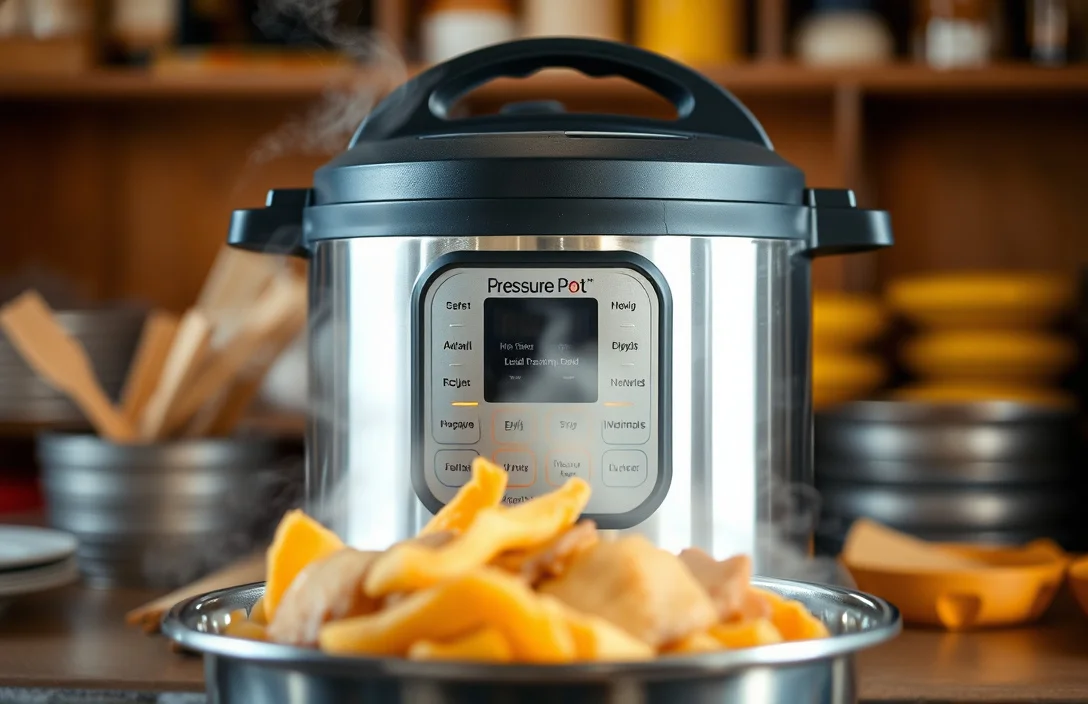
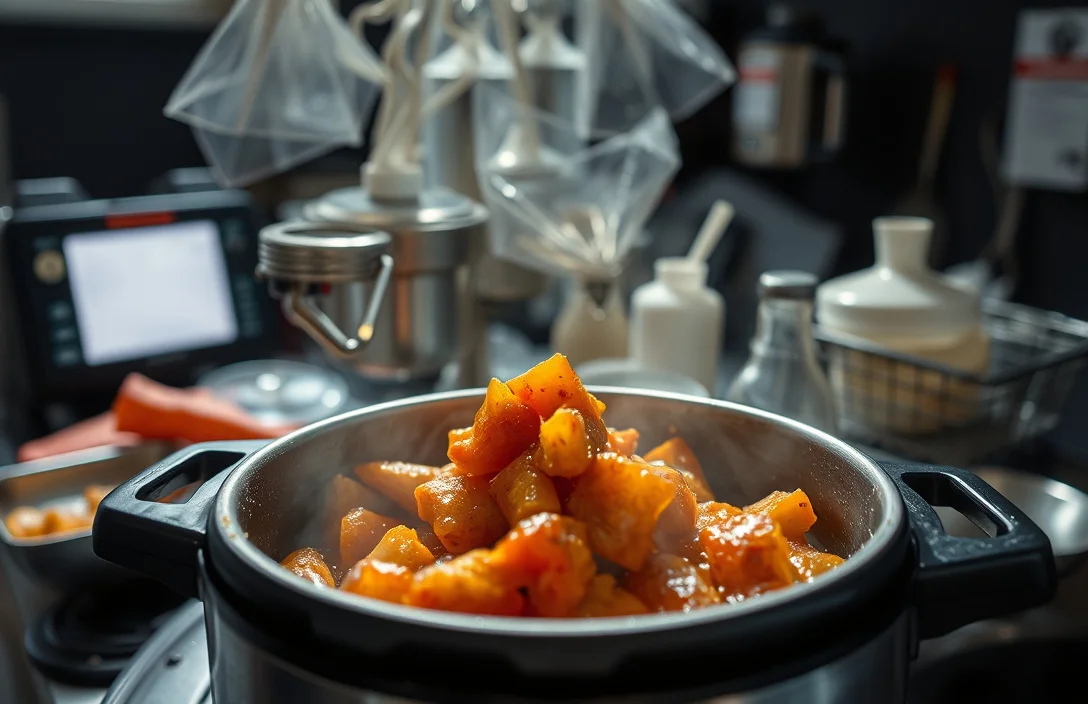
Don’t deep fry in a pressure cooker with oil. The lid is designed to stay sealed while steam builds from liquid inside the pot, not to contain an immersion oil bath.
Deep frying depends on immersing food in hot oil, typically around 350°F, which behaves very differently from water or steam under pressure. Foods that release bubbles – like battered chicken, fritters, and onion rings – can expand and splatter when oil is involved.
Things that matter most
Pressure cookers cook by trapping steam and building pressure, which changes heat transfer and how vapors escape. Adding oil takes away the steam-cooking environment the appliance is built around.
Most pressure cookers also lack the safety design you need for oil work. Oil can overheat, foam, and coat the lid and seals, interfering with pressure regulation and making cleanup messier.
Use these practical rules when you decide what to do next:
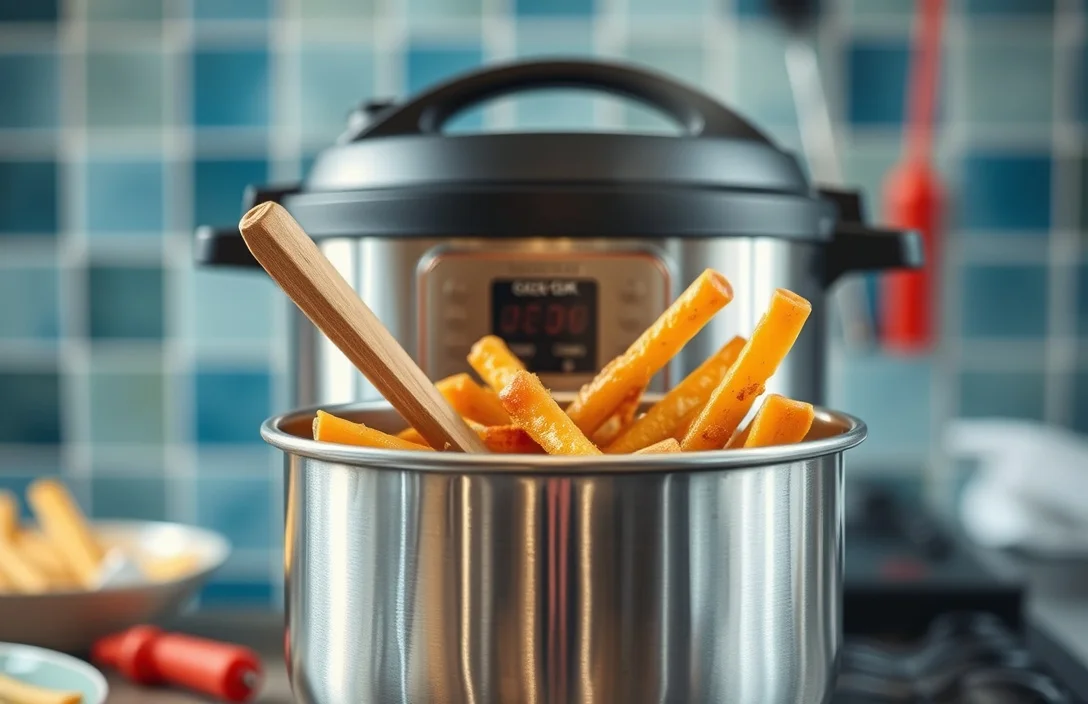
- Keep the pot for liquid cooking. Use the pressure cooker for simmering, steaming, or braising with water or broth.
- Use hot oil only where oil belongs. Deep-fry in a dedicated fryer or Dutch oven.
- Finish crisping separately. Use an oven or air fryer for crunch after the pressure step.
- Skip battered “pressure-fry” shortcuts. Batter plus pressure plus oil increases splatter risk and gives inconsistent texture.
Tips for Getting Fried-Style Texture (Safely)
Use a pressure cooker as a “cook-through” tool, not a crisping tool. Pressure cooking softens the interior quickly; crisping has to happen after.
A reliable two-stage approach:
1) Pressure cook to cook through with enough liquid to generate steam.
2) Drain and dry the outside. Pat away surface moisture.
3) Crisp with hot air or dry heat. Use an air fryer or oven.
4) Optional shallow-fry finish if you want extra oil flavor and browning.
If you’re making wings or chicken, pressure-cook seasoned pieces in a flavorful liquid, then air fry at high heat until the skin tightens. For battered foods, treat the pressure step like “steam roasting,” then crisp the coating in an air fryer so it firms instead of turning soggy.
Benefits of Pressure Cooking + Separate Crisping
You don’t get real deep-fry benefits from trying to deep fry inside a pressure cooker because it’s the wrong cooking environment.
Pressure cooking does deliver speed and tenderness. It’s ideal for tougher cuts, stews, and beans, and it cooks food through quickly without drying it out.
The advantage you can still chase – texture – happens when you crisp separately. Air frying and oven crisping brown the surface without putting oil inside a sealed, pressure-controlled appliance.
A safer hybrid workflow that gets you close to deep-fry results:
- Pressure cooker = internal doneness
- Air fryer / oven = external crisp
- Short shallow-fry = extra crunch and oil flavor (optional)
Options That Replace Deep Frying (Without Oil in the Pressure Cooker)
You can get fried-like outcomes without putting an oil bath in the pressure cooker.
Best options that actually work
Pressure cook first, then finish with one of these:
- Air fryer crisping. Dry heat with strong airflow; great for chicken, wings, dumplings, and leftover fried foods.
- Oven broil or high-heat roast. Works well when you want browning on larger pieces like wings or breaded cutlets.
- Shallow-fry finish in a skillet. Best for deeper browning and oil aroma with less mess and less oil than full deep frying.
- Dedicated deep fryer or Dutch oven. Use this only if you want classic deep frying with proper venting and control.
What not to do
- Do not put an oil bath in the pressure cooker.
- Do not rely on “pressure cook” modes as a substitute for frying in oil.
- Do not pack food tightly in a sealed pot and expect crisping. Moisture traps heat and softens coatings.
Quick comparison for choosing your path:
| Option | Key Spec/Approach | Best For | Trade-off |
|---|---|---|---|
| Pressure cook + air fry | Cook-through under pressure, crisp with hot air | Chicken, wings, breaded leftovers | Takes two steps |
| Pressure cook + oven crisp | Pressure cook, then roast/broil | Large batches, meal prep | Less crunchy than deep fry |
| Pressure cook + shallow fry | Pressure cook, then quick skillet browning | Cutlets, stuffed foods | More babysitting, less oil use |
| True deep fry in fryer/Dutch oven | Oil bath around 350°F | Classic battered items, ring-style snacks | More oil and cleanup |
Practical Advice That Makes Crisping Work
Treat a pressure cooker like a steam-and-liquid machine. When you want oil flavor or crunch, treat oil like a separate station, because the physics – and safety – are different.
When you pressure cook, use enough liquid to reach pressure and avoid scorching. If you’re chasing fried flavor, season the cooking liquid and add aromatics, then crisp the surface afterward with a light coating (like oil spray) or a dry rub.
Moisture is the difference between crisp and soggy. Pressure-cooked foods release steam as they cool or as you vent the pot, and that wet surface ruins crisping if you rush straight into high heat.
A simple workflow I recommend:
- Pressure cook your base.
- Let it cool for a few minutes.
- Pat dry or place on a rack.
- Crisp in an air fryer or oven until the surface is dry and browned.
If you want fried flavor and crunch, shallow-fry is a safer middle ground than deep frying in the wrong appliance. You still get browning and oil aroma without the deep-oil immersion hazards and splatter risk.
Examples of Fried-Style Results (No Oil in the Pressure Cooker)
Pressure-cooked wings come out tender fast. Crisp them in an air fryer at high heat until the skin tightens, then sauce right after crisping so the coating stays crunchy.
Pressure-cook potatoes or par-cook sliced potatoes, then finish in an air fryer for crispy edges. For home fries, par-cook first to reduce cook time, then crisp on a hot rack with a bit of oil.
You can build a fried-like coating workflow without forcing batter through steam: pressure cook the filling (like chicken or pork), drain well, and coat before crisping. That prevents batter from sitting in steam too long and turning gummy.
If you absolutely want battered deep fry, do it the old way in a fryer or Dutch oven. Pressure cooking can prep ingredients faster, but the actual oil immersion belongs in equipment meant for hot oil.

Helpful pick
Instant Pot Duo Crisp 11-in-1 Air Fryer and Electric Pressure Cooker Combo with Multicooker Lids that Air Fries, Steams, Slow Cooks, Sautés, Dehydrates, & More, Free App With Over 800 Recipes, 6 Quart
Combines pressure cooking and air frying to crisp wings and potatoes without oil.
FAQ
Can you deep fry in a pressure cooker with oil?
No. A pressure cooker is made for sealed steam cooking, not an oil bath under pressure. Oil can foam and create unpredictable pressure behavior, and it can damage seals and lids. If you want fried food, pressure cook for doneness, then crisp in an air fryer, oven, or skillet.
What is the safest alternative to deep frying in a pressure cooker?
Use a two-step method. Pressure cook the food with water or broth to cook through, then finish with high-heat crisping in an air fryer or oven. This keeps the tenderness from pressure cooking and gives you a dry, browned exterior from hot air or direct heat.
How long does it take to crisp pressure-cooked food?
Crisping time depends on food size and how wet it is after cooking. Start with 8 to 12 minutes in an air fryer, then check and add 2 to 5 minutes if needed. Patting the surface dry before crisping usually cuts time and prevents sogginess.
What common mistake ruins “fried” texture after pressure cooking?
Skipping moisture control. Pressure-cooked food often has a wet surface from steam, which softens batter and coating. Pat dry, use a rack to let steam escape, then crisp at high heat.
Can I get deep-fried flavor without deep frying?
Yes. Pressure cook for tenderness, then finish with oil where it’s safe – either a quick shallow-fry in a skillet or a crisping step with oil spray in an air fryer. For classic crust and full deep-fried flavor, deep fry in a dedicated fryer or Dutch oven.
If you’re tempted to “just try it,” don’t put oil inside your pressure cooker. Cook through under pressure, then crisp separately, or deep fry in the right equipment. If you tell me what you’re cooking – chicken, wings, onion rings, fries – I’ll suggest a pressure-cook time and the best crisping finish.

- 10 Best Slow Cooker For Slow Cooking Legumes 2026 (Tested And Reviewed) - October 17, 2026
- 10 Best Slow Cooker For Slow Cooking Oxtail 2026 (Tested And Reviewed) - October 16, 2026
- 10 Best Slow Cooker For Slow Cooking Venison 2026 (Tested And Reviewed) - October 16, 2026