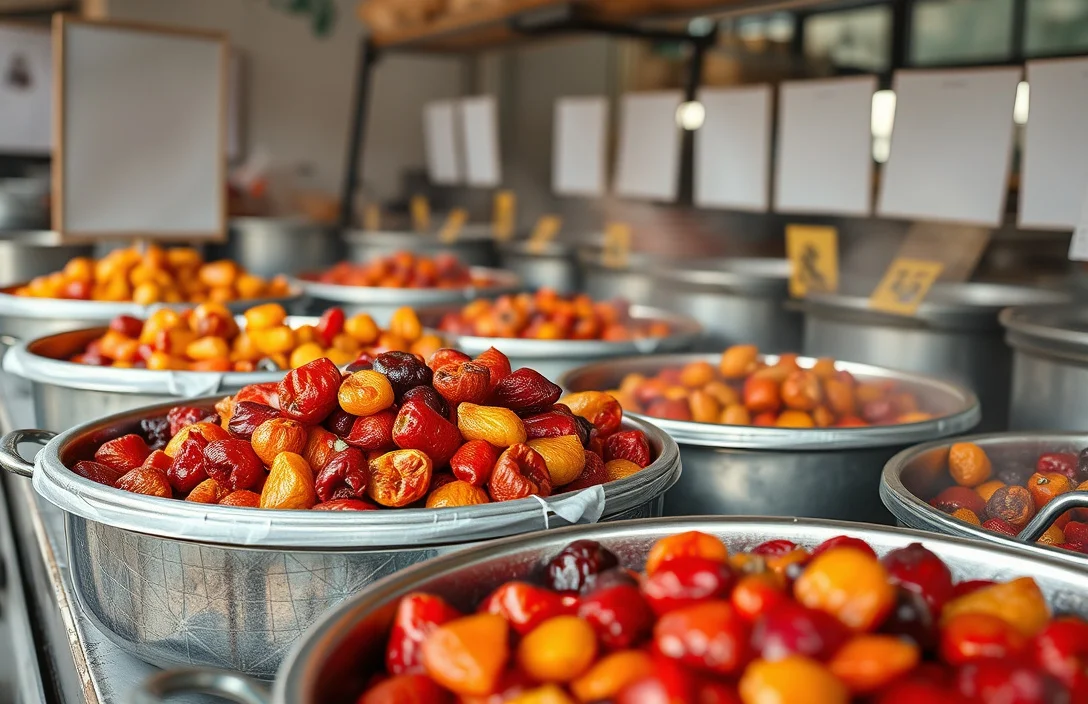
Dried Fruit For Simmer Pots Best Picks And Aroma Tips
Dried fruit makes simmer pots smell “done” fast because it’s already concentrated and releases aroma with gentle heat. Most people say “dried,” even when recipes accidentally write “dryed,” and that spelling mix-up can make you overthink what to buy. This guide covers the best dried fruit picks, how much to use, which fruits smell strongest, and how long to simmer without burning.
Dried fruit is best for simmer pots because it has low moisture, so it releases fragrance quickly at a mild simmer. Start with 1 to 2 tablespoons per 2 cups of water, then simmer 30 to 60 minutes before refreshing. Use medium-low heat to prevent scorched fruit notes and sticky residue.
Key Takeaways
- Best fruits to start. Apple rings, orange slices, and cranberries give reliable, well-rounded scent.
- Use correct spelling. “Dried” is standard; “dryed” is not.
- Measure by water. Use 1 to 2 tbsp dried fruit per 2 cups water for noticeable but not overpowering aroma.
- Strongest smells. Citrus peel and berry-heavy blends hit first, then mellow after 20 to 30 minutes.
- Avoid burning. Keep it at a gentle simmer and stop at 30 to 60 minutes.
- Store smart. Keep dried fruit airtight and dry, then label by date and batch for consistent results.
Dried Fruit for Simmer Pots: Best Picks
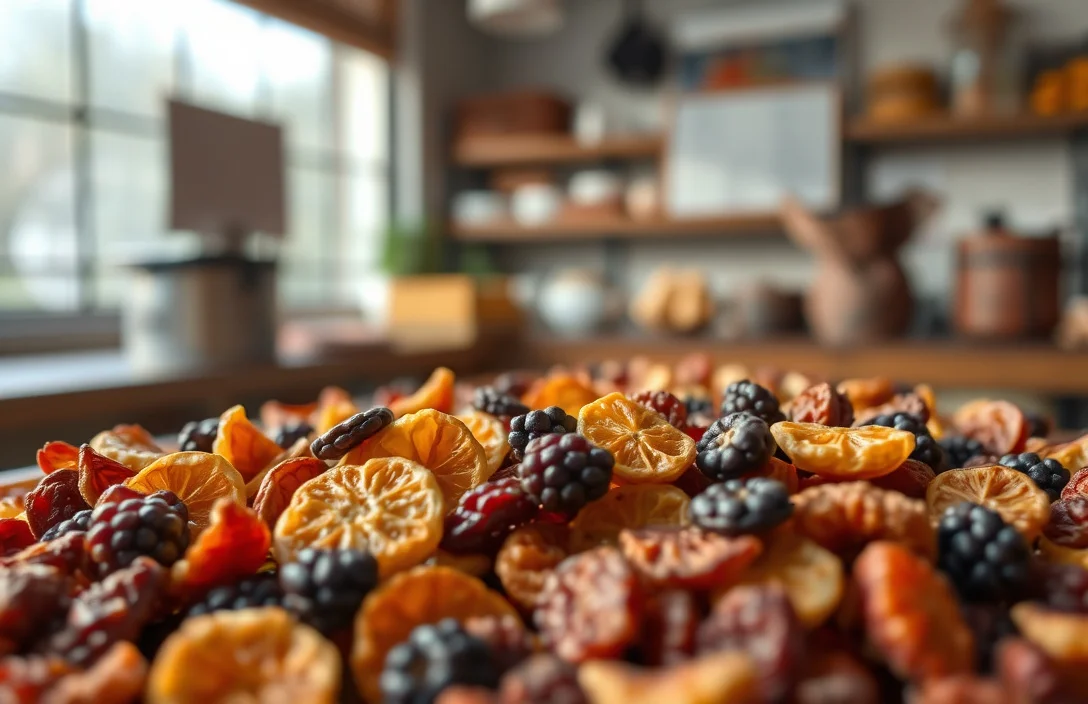
Dried fruit performs best when the pieces have enough surface area and the flavor oils are already concentrated. Aim for a mix of aroma-forward fruit (citrus peel, berries) and body fruit (apple, pear) so the pot smells sweet without turning one-note.
These are dependable picks for typical American kitchens.
| Dried fruit | Key scent payoff | Best use in a simmer pot | Common pairing |
|---|---|---|---|
| Dried orange slices | Bright, zesty top notes | Base for citrus-forward pots | Clove, cinnamon stick, star anise |
| Dried lemon slices | Sharp citrus, more “clean” | Freshener-style simmer | Ginger, cardamom |
| Apple rings | Warm, cozy sweetness | Bulk fruit so it smells like baking | Vanilla, cinnamon |
| Dried cranberries | Tart-sweet “holiday” vibe | Add to apples or oranges | Orange peel, rosemary |
| Dried cherries (unsweetened) | Deep fruit aroma | Small amounts for richness | Almond extract (optional), cinnamon |
| Dried pear | Soft sweetness | Blends that need gentleness | Nutmeg, light citrus |
If you buy just one category, choose dried citrus slices (orange or lemon) plus apple rings. That combo brings brightness and sweetness, and it works even when you’re new to simmer pots.
Dried vs Dryed Label Confusion in Recipes
“Dryed” is a misspelling people write when they mean “dried.” Standard English calls the ingredient “dried,” and it matters because simmer pots use dried fruit, not fresh fruit. “Dried” is the past tense and past participle of “dry,” meaning the fruit already has moisture removed.
So if a recipe says “dryed orange slices,” buy dried orange slices. The state of the fruit is what changes the aroma release, not the typo. Shop by the actual product form (slices, rings, peel bits) for better consistency.
Quick freshness rule: buy fruit that looks dehydrated (wrinkled, leathery, no visible wetness) and smells normal when you open the bag. If it’s dull, musty, or overly caramelized, skip it – simmering amplifies off notes.
How Much Dried Fruit Per Batch
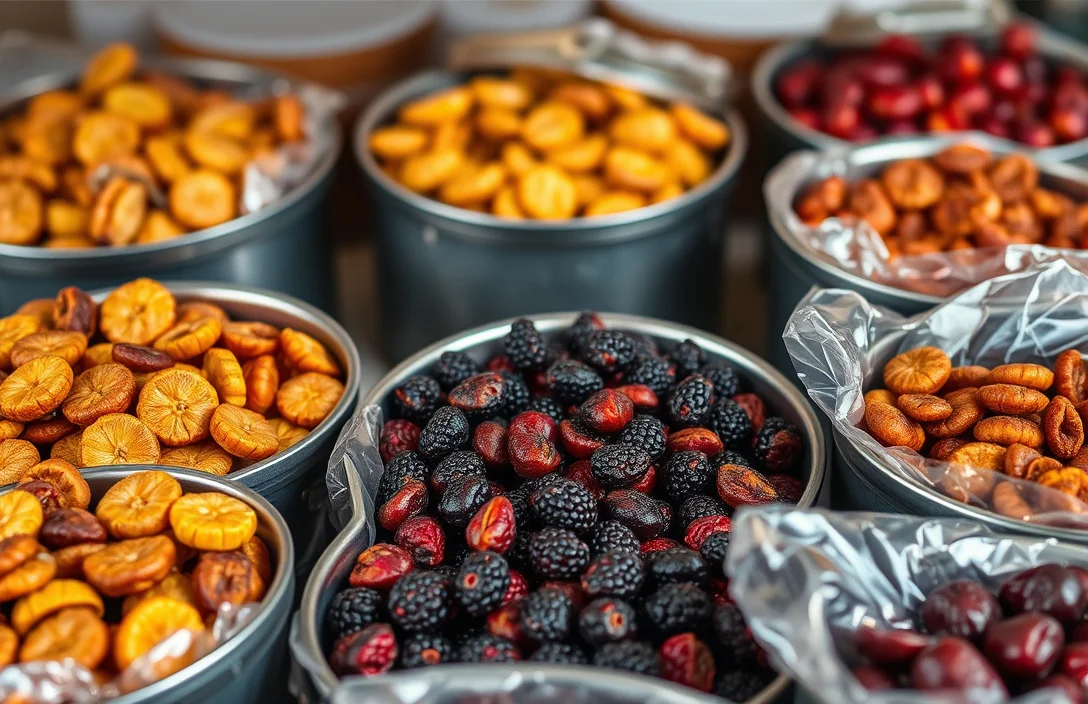
Use 1 to 2 tablespoons of dried fruit per 2 cups of water. That range gives noticeable scent without turning the kitchen into a jam-scented haze. After that, adjust for pot size, stove heat, and fruit strength (citrus slices tend to be more intense than apple rings).
Use more fruit when pieces are smaller. Use less when pieces are large or when you’re mostly using citrus peel. If you’re simmering water alone, start mid-range; if you’re using a base like apple cider (which already carries aroma), lean toward the lower end.
Practical mixing approach:
- Mild and cozy: 1 tbsp dried fruit + 1 cup water per person’s comfort level
- Standard simmer pot: 1 to 2 tbsp per 2 cups water
- Bold scent test: up to 3 tbsp per 2 cups, but keep simmer gentle and shorten time
For subtle background scent, use closer to 1 tbsp per 2 cups. For a stronger “open the door” smell, use 2 tbsp per 2 cups and add one strong spice (like a cinnamon stick or a couple cloves) rather than doubling fruit.

Helpful pick
Oregon Premium Growers Healthy Choice Dried Fruit Snacks, 32oz – Natural Trail Mix with Cranberries, Mango, Coconut, Raisins, Oregon Crafted Especially for You
Provides a ready-to-use dried fruit mix to support the standard simmer pot guidelines.
What Fruits Smell Strongest When Simmered
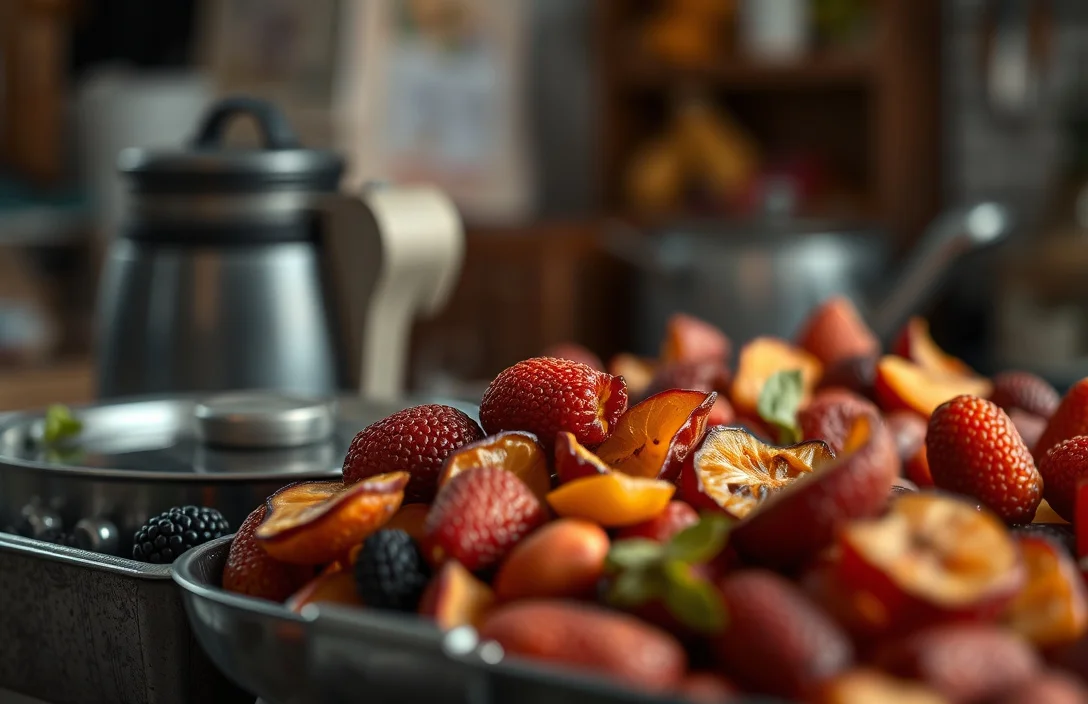
Citrus slices and peel usually smell strongest at first because their essential oils release easily with heat. Lemon and orange can throw a bright top note within 10 to 15 minutes, then settle into a warmer, sweeter fruit smell.
Berries and stone fruits also read strong, just differently. Cranberries bring tart, holiday-like vibes and often need a little more time to fully bloom. Dried cherries can smell rich and deep, but they can turn “candy-like” if you use too much.
Most common intensity order:
- Fastest hit: dried lemon and orange slices
- Second wave: dried cranberries and dried cherries
- Steady base: apple rings and dried pear
The most reliable result comes from capping “strong” fruit at about half the total dried fruit and using apple or pear as the filler. You get the punch you want without letting the simmer pot go sharp or medicinal.
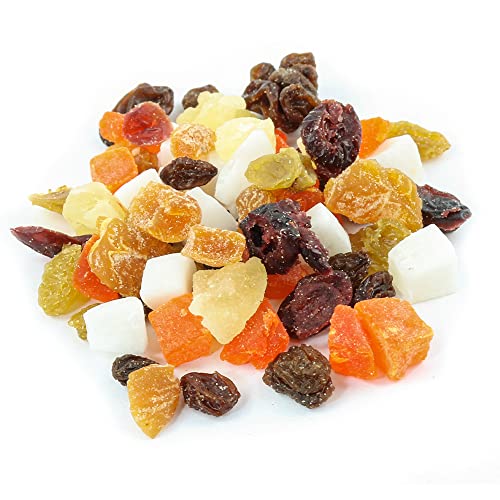
Helpful pick
Oregon Farm Fresh Snacks Dried Fruit Mix – Snack Mix With Dried Cranberries, Coconut, Mango & Raisins – Healthy Adult & Kids Snacks – USA Made (24oz)
This dried fruit mix fans out a broad fruity aroma, boosting citrus-forward simmer pot scents as they heat.
How Long to Simmer Dried Fruit Without Burning
Plan on 30 to 60 minutes for most simmer pots. After that, fruit can look even drier, and the scent can drift toward “toasty” or slightly burnt – especially if your heat runs high or the pot stays uncovered.
Keep the pot at a gentle simmer, not a rolling boil. A rolling boil evaporates faster, concentrates residues on the fruit, and increases the odds of scorched edges. If the water level drops, top up with hot water so you’re not cooking fruit in a shrinking syrup layer.
No thermometer method:
- Start simmer, then smell at 15 minutes
- If it’s good, run toward 30 minutes
- If it’s still weak, continue toward 45 to 60 minutes
- If it smells sharp or acrid, turn off immediately and strain the fruit
Heat control does most of the work. If you see active bubbling, reduce the heat. If the pot smells like “burnt sugar” instead of sweet fruit, stop and refresh the mixture.

Helpful pick
Anna and Sarah Dried Fruit Mix Snacks 2 Lbs
This dried fruit mix releases a gentle fragrance during simmering, without adding excess moisture that risks burning.
Pairing Dried Fruit With Spices and Citrus
Spices multiply the effect, but dried fruit already brings sugar and fruit acids. The best approach uses fewer spices and pays attention to roles: one warmth note, one lift note (citrus or an aromatic seed).
Dependable combinations:
- Orange slices + cinnamon + clove
– Cinnamon gives bakery warmth, cloves add depth, orange keeps it bright.
- Lemon slices + ginger + cardamom
– Lemon stays crisp, ginger adds a gentle bite, cardamom keeps it aromatic instead of sharp.
- Apple rings + cranberries + nutmeg
– Apple and cranberries cover sweet and tart, nutmeg smooths everything out.
- Pear + vanilla (or vanilla bean) + star anise
– Pear is soft, vanilla rounds it out, star anise adds a light licorice aroma (use lightly).
If a spice blend is new to you, start small. Cloves, star anise, and nutmeg can overpower quickly. My rule is one “strong” spice in a batch, not three strong spices plus extra fruit.
Citrus pairing tip: use citrus slices when you want aroma that feels fresh and cheerful, and use citrus peel bits for a more concentrated, less sugary scent. The smell hits differently and lasts differently.
Storing Dried Fruit for Future Simmer Pots
Dried fruit keeps its scent best when it’s stored airtight, kept cool, and protected from humidity. An open bag in the pantry absorbs moisture, which dulls aroma over time and can taste stale once heated.
Storage setup that holds up:
- Transfer dried fruit to airtight containers or sealed bags
- Add a label with the fruit type and date
- Store in a dry, stable pantry spot (away from heat sources)
Always check smell when you open a container. If dried fruit smells musty or “off,” toss it. That odor intensifies in the simmer pot, and no spice pairing reliably masks a bad batch.
Portion large bags too. Reopening the same bag exposes fruit to air and humidity every time, which is the fastest way to lose fragrance quality. Portioning also makes simmer pots more consistent because you’re using fruit that smells like the batch you tested.
FAQ
What dried fruit works best for simmer pots?
Dried orange slices and dried lemon slices are the easiest “always works” choices because their oils release quickly. Apple rings add a warm, sweet base, and dried cranberries bring tart holiday aroma. For a simple starter blend, use apple rings plus orange slices.
How much dried fruit should I use per simmer pot?
Use 1 to 2 tablespoons dried fruit per 2 cups of water as your starting point. For a softer scent, use closer to 1 tablespoon. For a stronger kitchen smell, move toward 2 tablespoons, but keep the simmer gentle to avoid burnt notes.
How long can I simmer dried fruit without it getting burnt?
Most simmer pots are best after 30 to 60 minutes. Keep the heat low enough for a gentle simmer, not a rolling boil. If the scent turns sharp, acrid, or like burnt sugar, turn it off and strain right away.
Does “dryed” mean something different than “dried” in recipes?
No. “Dryed” is a spelling mistake people use for “dried.” When you see “dryed fruit” in a recipe, buy the product labeled “dried” and focus on the fruit form (slices, rings, peel), since that affects aroma release.
What’s a common mistake when making simmer pots with dried fruit?
Overheating is the big one. A rolling boil evaporates water faster, concentrates residue, and can scorch the fruit, making the scent bitter instead of sweet. Use a gentle simmer and add hot water if the liquid level drops.

- 10 Best Slow Cooker For Quick Preparation 2026 (Tested And Reviewed) - October 18, 2026
- 10 Best Slow Cooker For Family Meal Preparation 2026 (Tested And Reviewed) - October 18, 2026
- 10 Best Slow Cooker For Freezer Meal Preparation 2026 (Tested And Reviewed) - October 18, 2026