Fruit Trees For Large Pots: The Fast Answer
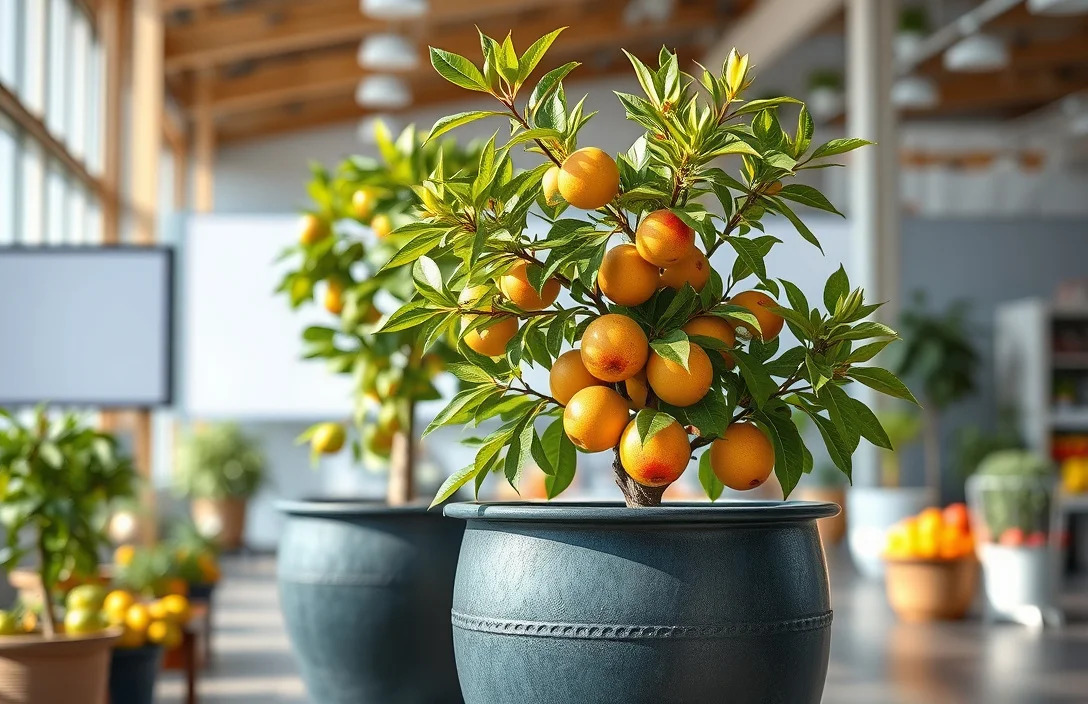
Fruit trees in large pots can thrive in the U.S. if you match the tree to your light and give it a drainable container with enough root space. Container life changes everything about feeding and moisture, so the pot becomes part of the root system, not an accessory. Most container fruit does best with a wide pot (often 18-24 inches wide or more), full sun (around 6-8 hours), and a consistent fertilizer and watering rhythm during the growing season.
Key Takeaways
- Start with dwarf types. Dwarf or naturally compact varieties stay productive in containers and reduce pruning stress.
- Use big, drainable pots. Aim for a wide container with bottom drainage, or roots rot and fruit drops.
- Prioritize full sun. Most fruiting trees want about 6-8 hours of direct sun for reliable blooms and fruit set.
- Plan for pollination. Many fruit trees need a compatible pollinator, so choose varieties that flower together.
- Feed through the season. Use a container-friendly fertilizer program, since nutrients wash out faster in pots.
- Expect seasonal maintenance. Winters, heat waves, and repotting schedules matter as much as watering.
Fruit Trees for Large Pots That Thrive
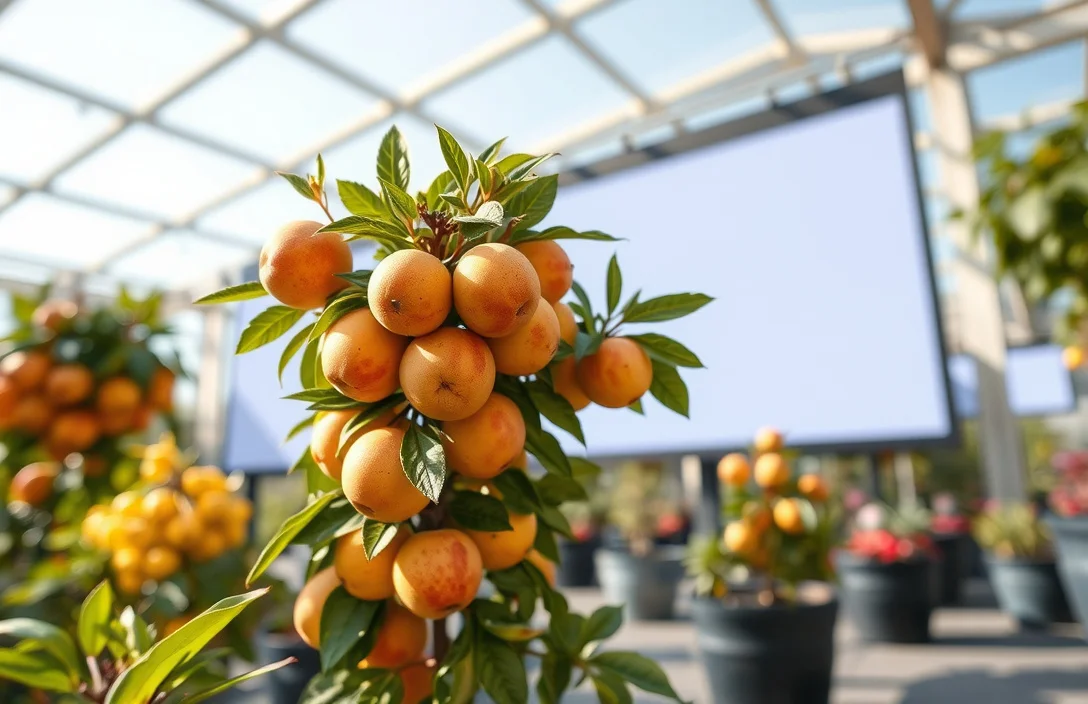
The quickest path to success is choosing varieties built for limited space, then running the container like real root habitat. Problems start when the pot is too small, too narrow, or drains poorly. The tree reacts by dropping fruit, slowing growth, or getting stressed enough to invite pests.
A practical way to think about good U.S. options is by category: compact apples and pears, patio-friendly citrus where winter allows (or where you can move the pot indoors), and some stone-fruit trees trained to a smaller form. Berries and figs also work well because they can be shaped, stay manageable, and don’t demand the same massive trunk-and-branch structure.
In a pot, a “tree” still needs roots that stay both moist and oxygenated. If water lingers, the soil turns anaerobic and root disease moves in. If the pot dries out too fast, flowering can’t hold steady because the tree can’t keep up the energy for fruit.
Which Fruit Tree Types Fit Container Growing
Container success isn’t just “can it grow” – it’s “can it fruit and stay healthy with limited roots.” The best matches usually have one or more of these traits: naturally compact growth, pruning that’s easy to manage, predictable bloom behavior, and enough tolerance for being root-restricted (within reason).
Here’s the practical sorting method:
- Dwarf and semi-dwarf apples and pears are usually the safest bet for container fruit.
- Espalier-trained figs work well because you can control height and branch structure.
- Citrus (where winter plans exist) is ideal for pots because it can move indoors if needed.
- Certain stone fruits can work if you keep size under control and protect from weather extremes.
Fruit also helps to understand the plant level. In everyday language, “fruit” means what you eat – apples, oranges, and so on. Botany is different: the edible structure forms after flowering, because the plant needs the full chain from healthy growth to stable conditions long enough to set and size up the fruit. Container trees still need that same chain.
Citrus, Berries, Tropicals for Pots
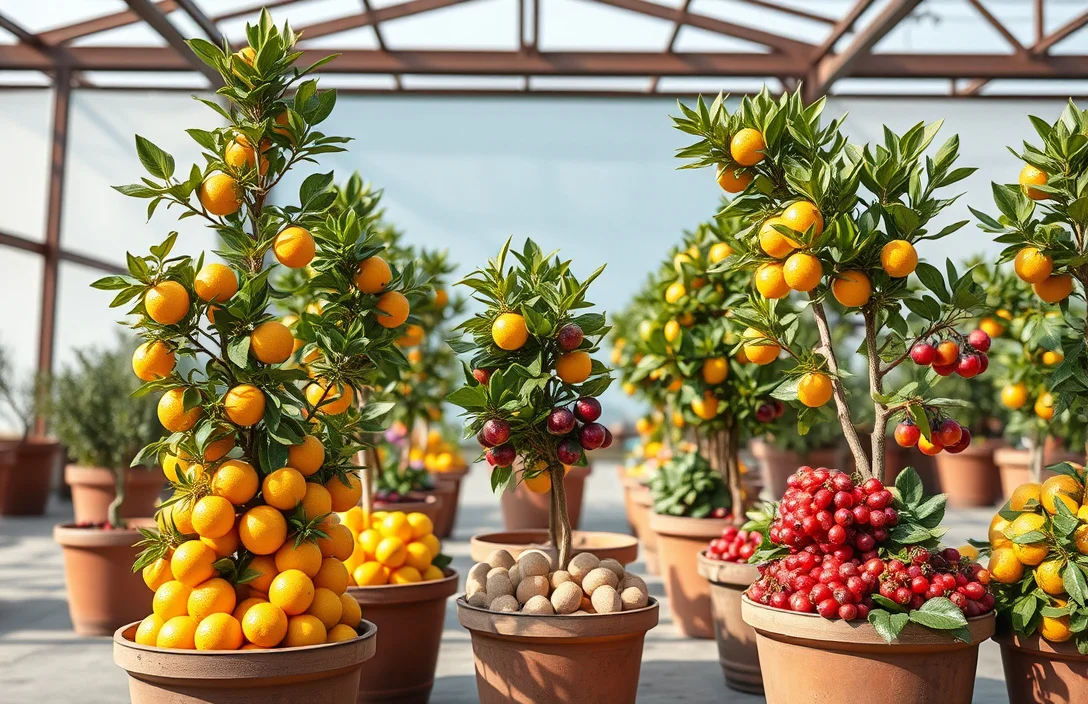
Citrus is a favorite for containers because it handles warm weather well and responds to pruning and shaping. The real trade-off is winter. Many citrus trees won’t survive freezing temperatures outdoors, so your cold-weather plan matters as much as pot size. If you can move the container to protection, citrus can stay a long-term centerpiece.
Berries are often easier because they don’t depend on a huge woody canopy to produce. Blueberries, raspberries, and strawberries fit pot life when you match the container to their needs, like soil pH for blueberries and good airflow to reduce disease. Many berry plants also avoid some of the pollination complexity that tree fruits can require.
“Tropicals” can work, but only when you treat them as seasonal or movable. In the U.S., that usually means moving outdoors during warm months and bringing them in later, or selecting a hardy fruit cultivar that fits local winters. If a “tropical fruit tree” is marketed for containers, check whether it’s actually cold-tolerant in your USDA zone or whether you’ll need indoor light strong enough to keep it from getting leggy.
A reliable container setup looks like this: a pot with drainage, a potting mix that holds moisture without staying soggy, and a watering rhythm you can keep during heat. Nutrients also need repeating because pots drain and dry differently than ground soil.
Apple, Pear, and Stone Fruit Options in Pots
Apples and pears can produce well in containers when you start with dwarf or semi-dwarf trees and keep expectations grounded. You’re trading “maximum harvest volume” for “controllable size and consistent care.” With regular pruning and steady feeding, you can get meaningful fruit years after planting, not just a short trial season.
Stone fruit (peaches, nectarines, and relatives) is doable in pots, but it’s less forgiving. These trees struggle when moisture swings between drought and soaking wet, and fruit set can be sensitive to weather swings. Consistent moisture plus solid sun is what turns “maybe” into usable yields instead of small or sparse fruit.
| Fruit tree type | Key pot-friendly trait | Best for |
|---|---|---|
| Dwarf apple | Prunes and stays compact | Courtyard growers wanting classic fruit |
| Dwarf/compact pear | Handles container life with care | People who can give strong sun and regular feeding |
| Peaches/nectnines in container | Can fruit when pruned and sheltered | Warm-season gardeners ready to protect from stress |
| Fig (trained tree) | Easy to shape to your space | High-light spots where you can manage winter protection |
When buying, read cultivar size cues like “dwarf,” “patio,” or “compact,” and choose a form you can maintain. Bigger tree types can still live in pots, but you’ll pay in heavier pruning, bigger containers, and more aggressive root care later.

Helpful pick
RooTrimmer Air Pruning Containers 60 Gallon 2P, Raised Garden Bed Large Tree Pos New Plastic Nursery Pot Fruit Vegetable Garden Grow beds (4 ft Diameter), Black
Sturdy large containers ideal for cultivating dwarf or semi-dwarf fruit trees in pots.
Fruit Trees for Large Pots: Size, Soil, and Drainage
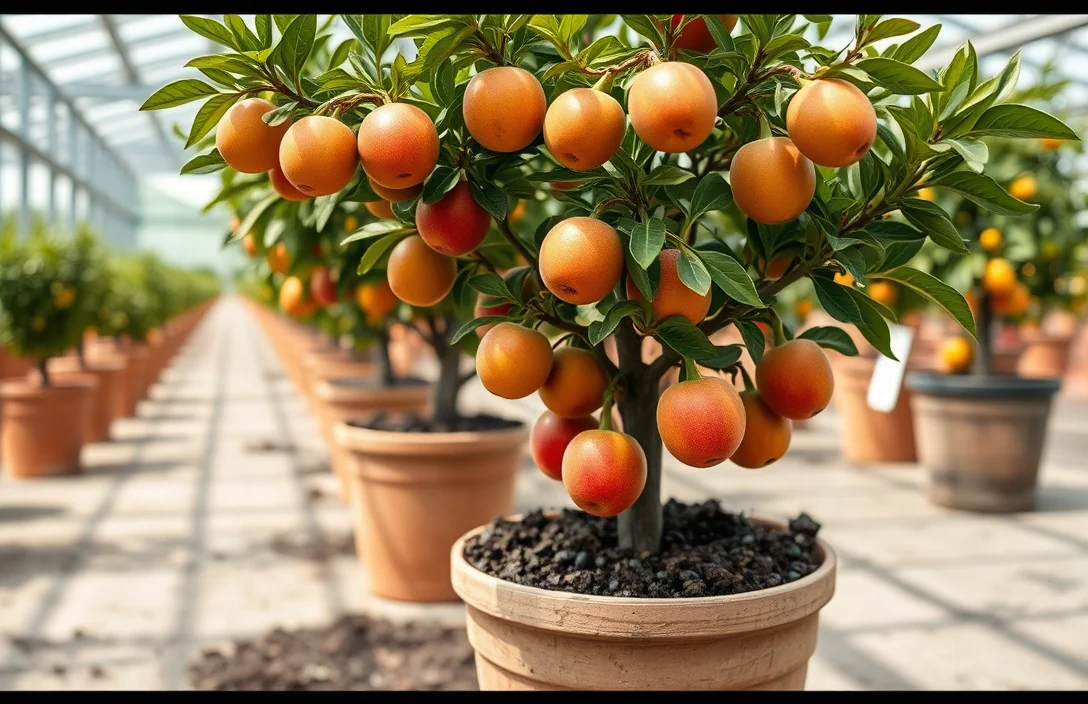
Pot size is the biggest controllable factor because it controls watering frequency, root health, and fertilizer demand. Smaller pots dry faster and deplete nutrients faster. That’s how you get the cycle where the tree grows, flowers, then drops fruit because the root ball can’t buffer stress.
A practical starting point is a wide container with bottom drainage. Many growers start around 18-24 inches wide for dwarf fruit trees, then size up when the tree shows strong growth. The exact number matters less than one outcome: the root mass stays evenly moist without staying waterlogged.
Soil matters because container roots need oxygen as much as water. Use a quality potting mix made for containers, not garden soil. Garden soil compacts in pots, reduces airflow around roots, and raises the odds of root rot.
Drainage is non-negotiable. If water sits in the saucer for hours, you create a damp root zone. Use a saucer only if you empty it after watering, and consider elevating the pot slightly so air can move around the container base.
You’ve nailed the balance when watering runs out to runoff, then the top layer dries enough that it isn’t constantly wet. That steady rhythm supports new growth and the energy the tree needs to hold fruit.

Helpful pick
Beating a Path to a Sustainable Fruit Garden in Less Than 30 Days: Growing Fruit Trees and Berries from Dirt to Harvest with Pots, Containers, and … (Beating a Path to a Year-Round Garden)
Provides practical strategies for growing fruit trees in pots, with focus on size, soil, and drainage.
Pollination and Sunlight Requirements by Fruit Type
Sunlight drives flowering and fruit set. Most fruit trees and fruiting plants do best with around 6-8 hours of direct sun, and more is usually better as long as your watering schedule keeps up. Low light often means fewer flowers and smaller or dropped fruit, even with good fertilizer.
Pollination depends on the plant type and the cultivar. Some apples need cross-pollination from a compatible variety, while others are self-fertile. Pears vary by cultivar too. Citrus can self-pollinate depending on conditions, but indoor flowering can reduce pollinator activity, so hand-pollination may help.
Berries are simpler in one sense and more specific in another. Many berries self-fertilize or rely on wind and insects well, but they still need the right environment. Blueberries are the clearest example: they require acidic conditions, and using neutral or alkaline potting mix can stunt growth even if you nail the sun.

Helpful pick
Grow Your Own Mini Fruit Garden: Planting and Tending Small Fruit Trees and Berries in Gardens and Containers
Provides practical guidance on growing fruit trees in pots, including sunlight needs and pollination considerations.
Use this approach to plan pollination without guessing:
- Check the cultivar label for “self-fertile” or “needs another variety.”
- Match flowering windows when cross-pollination is required.
- Add more plants when space allows, especially for bigger berry crops and better fruit size.
- Plan for hand-pollination for citrus indoors during flowering.
Do this before you buy, and you avoid the most common disappointment: a tree that looks healthy but never sets fruit because it never receives compatible pollen.
Fruit Trees for Large Pots
Seasonal care decides whether container fruit succeeds. Winter focuses on temperature and light while avoiding waterlogged soil. Summer focuses on heat stress, consistent watering, and feeding to support flowers and developing fruit.
In spring, increase outdoor light gradually if you’re moving pots after cold weather. Watch new growth closely because pruning timing and training depend on the fruit type. Apples and pears usually benefit from pruning that supports airflow and fruiting wood while keeping the tree within container limits.
Feeding during the growing season is essential because pots run out of nutrients faster than ground soil. Use a container-appropriate fertilizer and follow the label schedule. Overfeeding pushes leafy growth at the expense of fruit. Underfeeding shows up as pale leaves and weak blooms, which then translates into poor fruit set in containers.
Watering has a simple rule: water deeply when the potting mix has partially dried, then let it drain fully. Keep the root ball from staying constantly wet, and don’t let it dry out completely and then rebound repeatedly. Consistency supports fruit size and prevents the “flowers drop, fruit never holds” problem.
In fall, reduce feeding as growth slows and prepare for winter protection. Some trees need indoor moves or shelter based on freeze risk and the cultivar’s cold tolerance. Plan before the first cold snap so you’re not dealing with frozen ground and wet weather.
FAQ
What size pot do fruit trees for large pots actually need?
A wide pot with bottom drainage matters more than chasing one perfect number. For many dwarf fruit trees, growers commonly start around 18-24 inches wide, then size up if the tree becomes root-bound. If the top dries out in a day or two during heat, the pot is likely too small for reliable fruiting.
What’s the easiest fruit tree for a large pot in the United States?
Dwarf apples and pears are often the easiest “true tree fruit” options because you can prune to stay compact and choose cultivars that fit your space. If you have strong sun and can handle winter conditions (moving indoors if needed), citrus is also a high-success choice.
How often should I water fruit trees in containers?
Water frequency depends on weather, pot material, and how fast your mix dries. In warm weather, it can be every few days or sometimes daily. The goal is moist but draining soil: water deeply, let excess drain out, and avoid leaving standing water in saucers.
Do fruit trees for large pots need fertilizer?
Yes – containers need more frequent feeding because nutrients wash out and the root zone is limited. Use a container fertilizer schedule during the active growing season, then stop or reduce feeding as growth slows in fall. If leaves pale or shoots stall, adjust within the label guidance.
What’s the most common mistake people make with fruit trees in large pots?
Using garden soil or a poorly drained pot. Compacted mix reduces oxygen around roots, and standing water can trigger root problems that lead to leaf drop and weak fruiting. Use a quality container mix and make sure water runs freely from the bottom every time you water.

- 10 Best Slow Cooker For Slow Cooking Legumes 2026 (Tested And Reviewed) - October 17, 2026
- 10 Best Slow Cooker For Slow Cooking Oxtail 2026 (Tested And Reviewed) - October 16, 2026
- 10 Best Slow Cooker For Slow Cooking Venison 2026 (Tested And Reviewed) - October 16, 2026