Making Couscous In A Rice Cooker Explained Simply
Couscous cooks fast, but it’s easy to end up with clumpy grains. A rice cooker gives steady heat and steam, so you can get fluffy couscous without babysitting a pot. Use a couscous-to-liquid ratio around 1:1, keep the lid closed, and let the cooker steam until the grains are tender – usually 5-10 minutes after it switches off. Fluff with a fork, then rest 2-3 minutes for the best texture.
Key Takeaways
- Use the right ratio. Aim for couscous-to-liquid about 1:1 for most standard couscous.
- Steam, don’t boil. Keep the lid closed so the grains absorb steam evenly.
- Rest before serving. Fluff after 2-3 minutes so steam finishes the texture.
- Fix dryness fast. If it’s dry, add 1 tablespoon of hot water, cover, and wait 2 minutes.
- Avoid early stirring. Stir at the start, then leave it alone until the end.
- Season the liquid. Salt and broth boost flavor throughout – you’ll get more than just seasoning on top.
What to Know About Making Couscous in a Rice Cooker
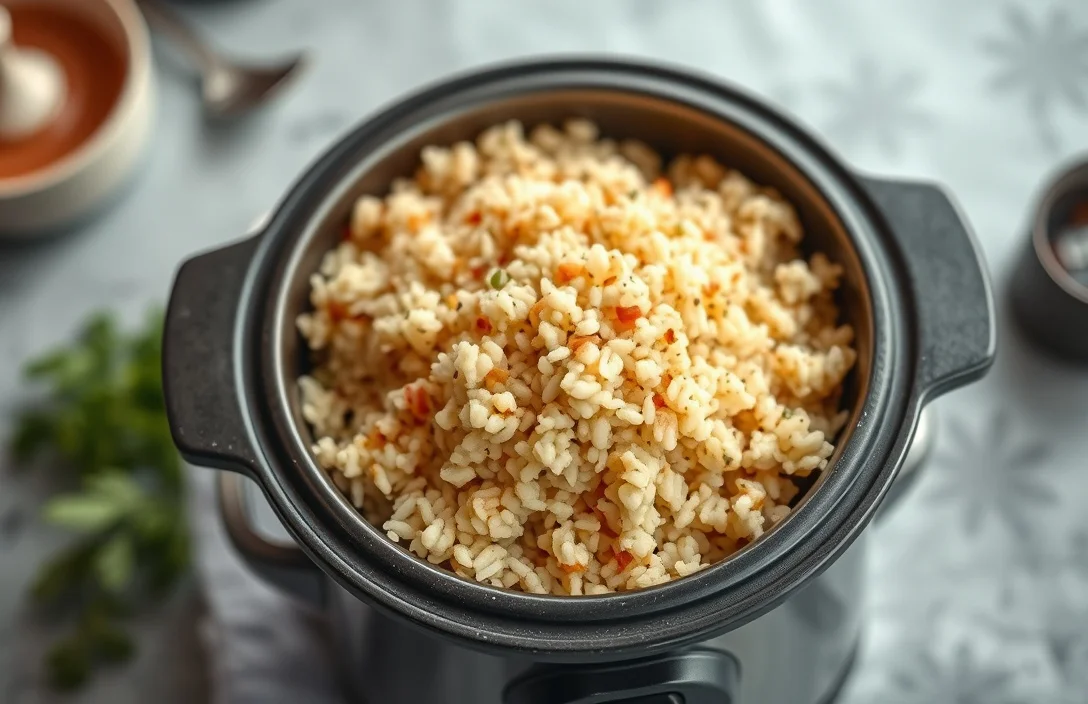
Couscous is par-cooked semolina, so it finishes with steam rather than a long simmer. A rice cooker fits that job, but you still have to get hydration right and avoid peeking while it cooks. Treat it like rice with too much water or a full “boil” cycle, and the grains turn soft and sticky.
Most rice cookers run two practical stages: heating up to temperature, then switching to a keep-warm phase. Couscous usually benefits most from the steam finish that happens after the heating stage ends. Hydrate, steam, then fluff.
Why couscous behaves differently than rice
Rice grains expand their starch in hot water, which is why they need sustained cooking. Couscous is already partially cooked, so it’s more like pasta finishing in moisture and steam. If the cooker boils hard for too long or the water is excessive, grain structure breaks down and clumps form.
Lid discipline matters more than you think
Couscous texture depends on trapped steam. Opening the lid “just to check” quickly creates uneven results because you release heat and moisture. If you need to check, do it near the end and close the lid right away.
Things that matter most
These choices control texture on your first try. The biggest variables are how much liquid you use, what type of couscous you’re cooking (regular vs. larger/grain), and whether you’re using broth or plain water.
Start with a small batch. Once you know how your cooker behaves, scaling up gets much easier.
Start with a reliable base ratio
For many regular couscous brands, couscous-to-liquid around 1:1 works well in a rice cooker when you keep the lid closed. If your package specifies a different hydration amount for stovetop steaming, follow it. Brands and grain sizes absorb moisture differently.
Use hot liquid so the cooker doesn’t overshoot
Cold water can change how quickly the cooker reaches its target, which shifts couscous into the wrong stage – too wet or too dry. Heat your water (or broth) first, then combine with couscous. It’s a small step that improves repeatability.
Keep the cooking short, then rest
Skip the idea that you need a long cooking window. Let the cooker handle early heating, then rely on the rest/steam phase while the unit finishes. Resting is when grains become tender and separate.
Fluff at the right time
Fluff once the grains are hydrated and the steam has settled, usually after the cooker switches modes. If you fluff immediately during heavy steam, you release moisture too early and get uneven texture.
Tips for Making Couscous in a Rice Cooker
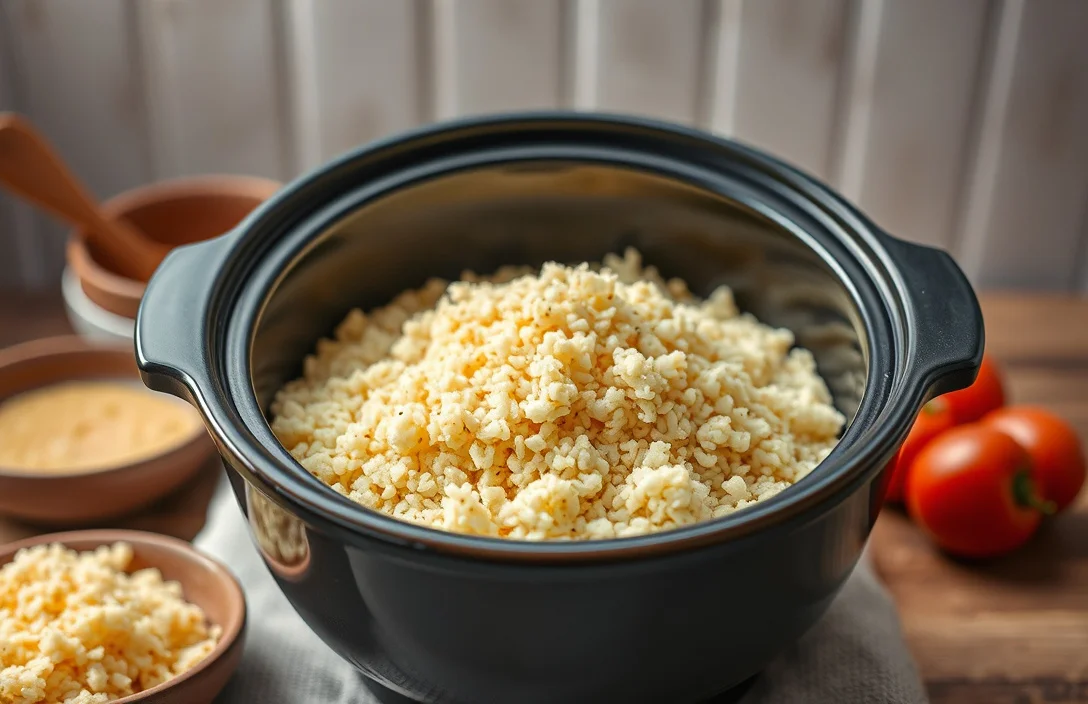
Couscous in a rice cooker is forgiving, but a few tactics prevent the most common outcomes. Think in terms of “adjust and recover” when it’s too dry, too wet, or clumping.
Don’t over-stir during hydration
Stirring aggressively right after adding couscous can make grains stick together. Mix lightly at the start to moisten everything, then leave it alone. Fluff later when you’re ready to separate.
If it’s dry, re-steam in small increments
If you open the lid and the couscous looks dry or feels undercooked, add hot water sparingly. Add 1 tablespoon hot water per cup of cooked couscous, cover, and wait about 2 minutes, then fluff. This usually brings it back without turning it mushy.
If it’s wet, reduce with rest and fluff
If it looks overly wet or clumps are forming, let steam evaporate gently. Turn the cooker off (or switch to warm, depending on your model), keep the lid on for 3-5 minutes, then fluff thoroughly. Don’t add more water unless it’s clearly under-hydrated.
Season in the liquid, not just on top
Salt in the steaming liquid improves flavor throughout the grains. Broth makes it even more savory. If you use aromatics, keep them modest – strong oils or bulky chunks can interfere with absorption.
Add a drizzle of oil for extra separation
A small amount of neutral oil (or olive oil) helps grains separate and reduces stickiness. Add it to the hot liquid before combining with couscous, or drizzle lightly after fluffing.
Benefits of Making Couscous in a Rice Cooker
A rice cooker delivers consistent heat and automatic timing, so you don’t have to manage boil strength or watch a pot. You get a controlled steam finish with less active work, which means fewer failed batches.
It also scales well for meal prep. If you’re cooking couscous alongside other sides, rice cookers handle batch-friendly workflows better than most stove methods.
More consistent texture with less babysitting
Couscous can go from fluffy to gummy quickly if it stays too hot for too long. Rice cookers reduce that swing by regulating temperature once they hit their threshold.
Hands-off method for busy days
Once the couscous and liquid are in, you’re mostly waiting. That’s useful when you’re cooking protein, chopping vegetables, or prepping salad components.
Easy batch cooking
Stovetop couscous can get uneven as you scale up. Rice cookers manage larger amounts more evenly, especially when you keep the lid closed and avoid stirring early.

Helpful pick
AROMA Digital Rice Cooker, 4-Cup (Uncooked) / 8-Cup (Cooked), Steamer, Grain Cooker, Multicooker, 2 Qt, Stainless Steel Exterior, ARC-914SBD
This model provides consistent heat and easy timing, supporting reliable, scalable couscous results with minimal supervision.
Options for Making Couscous in a Rice Cooker
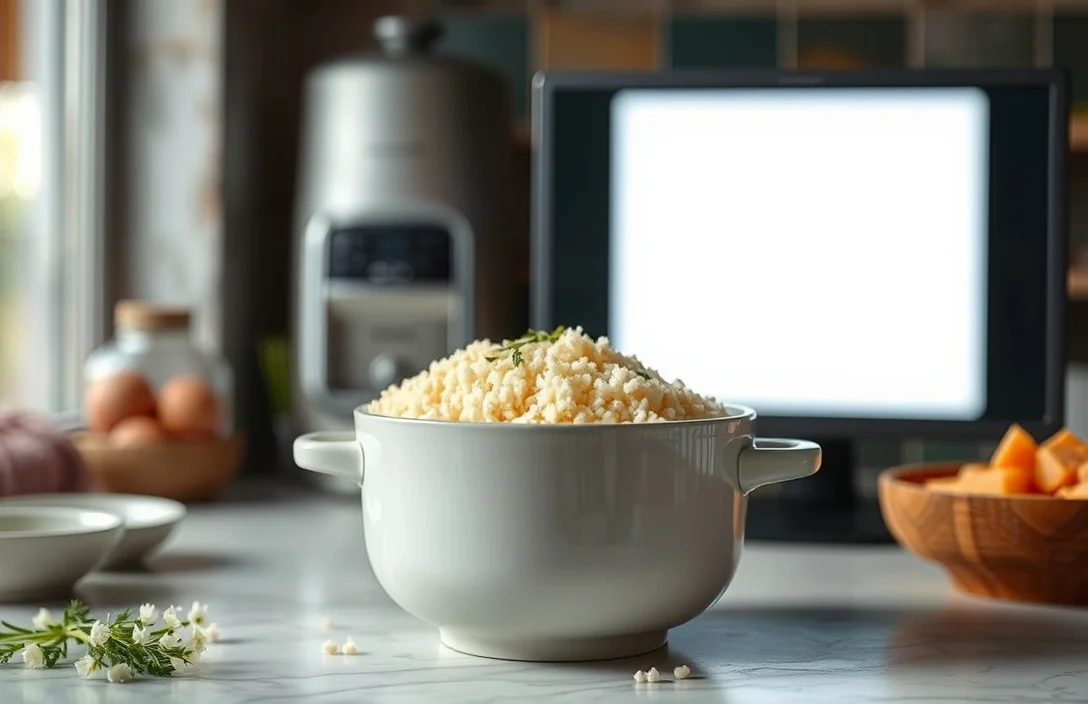
Pick an approach based on your cooker type and how you like your couscous. Some people mix couscous directly into the inner pot. Others use a steam-style setup. Both work, but they produce different textures.
Match the method to your texture goal.
Option 1: Direct pot steaming (simplest)
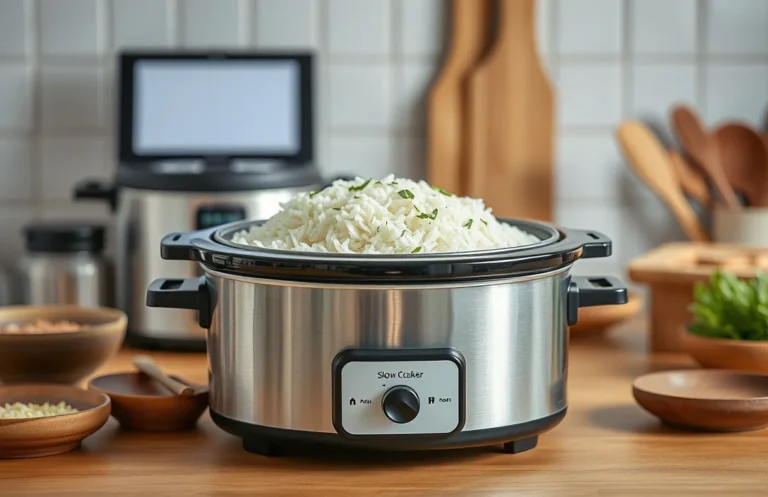
Combine couscous with hot salted liquid directly in the rice cooker pot, close the lid, and let it hydrate. When it switches off, rest briefly and fluff.
Option 2: Steam basket (clean separation)
If your rice cooker has a steam basket insert, steam couscous like vegetables. Add couscous to a perforated insert or a liner designed for steam, then steam until tender. Fluff in the basket or transfer to a bowl afterward. This helps prevent over-soaking if your cooker tends to trap too much moisture in the pot.
Option 3: Sauce-style hydration (for salads and grain bowls)
For grain bowls, hydrate couscous with measured broth, then fluff and cool slightly before mixing with dressings. This helps couscous absorb flavor without turning watery. Keep the dressing timing in mind so the couscous doesn’t keep absorbing after it’s mixed.
Quick comparison before you choose
| Method | Best For | Texture Result | Extra Work |
|---|---|---|---|
| Direct pot steaming | Weeknight sides, easy batches | Fluffy when ratio is right, can clump if too wet | Low |
| Steam basket | Drier, separated grains | Less soggy, more even steam | Medium |
| Sauce-style hydration | Grain bowls and meal prep | Tender grains that absorb dressing later | Medium |

Helpful pick
Rice Robot Personal Rice Cooker, PFAS-free, Nonstick. 1 Quart Capacity, with Stainless Steel Steamer Tray, Measuring Cups, Recipe Book with 60 Recipes, and Serving Spoon, As Seen On TV
Includes a stainless steel steamer tray for a true steam setup, helping you texture couscous as you prefer.
Expert Advice on Making Couscous in a Rice Cooker
“Expert” here means controlling moisture and timing. Manage those two things and most rice cookers turn out consistent couscous.
Treat couscous like a short steam-and-finish job, not like rice that needs a full long cook. That mindset prevents the overcooked, mushy texture people complain about.
Dial in your cooker with one test batch
Make a small batch first using your normal ratio, then check what happens after the cooker switches modes. Too wet? Reduce liquid slightly next time. Too dry? Add 1 tablespoon more hot liquid per cup couscous.
Use a “late fluff” habit
Fluffing at the wrong moment makes clumps. Keep the lid closed through hydration, then fluff only after couscous has steamed enough. If steam is still heavy, wait 1-2 minutes before fluffing.
Keep the lid closed – even if you’re curious
Opening the lid drops steam and changes absorption. If you need to check, do it near the end and close the lid immediately.
Match couscous type to your plan
Regular couscous and larger couscous (often labeled “Israeli” or “pearl”) behave differently. Larger grains usually need more time and more careful hydration. Use package instructions as your baseline, then adjust with the rice cooker’s rest phase.
Avoid adding raw ingredients into the couscous pot
Raw vegetables, beans, or large chunks change water absorption and shift cooking time. Cook mix-ins separately when possible, then fold them in after the couscous is fluffy and at the texture you want.

Helpful pick
BLACK+DECKER Rice Cooker 6-Cup (Cooked) with Steaming Basket, Removable Non-Stick Bowl, White
The BLACK+DECKER with a steaming basket helps you manage moisture for a precise steam-and-finish couscous.
Examples: Making Couscous in a Rice Cooker
Examples work because couscous depends on switching from steam to fluff at the right stage. Copy these scenarios, then adjust if your batch ends up slightly dry or wet.
Example 1: Classic side couscous with broth
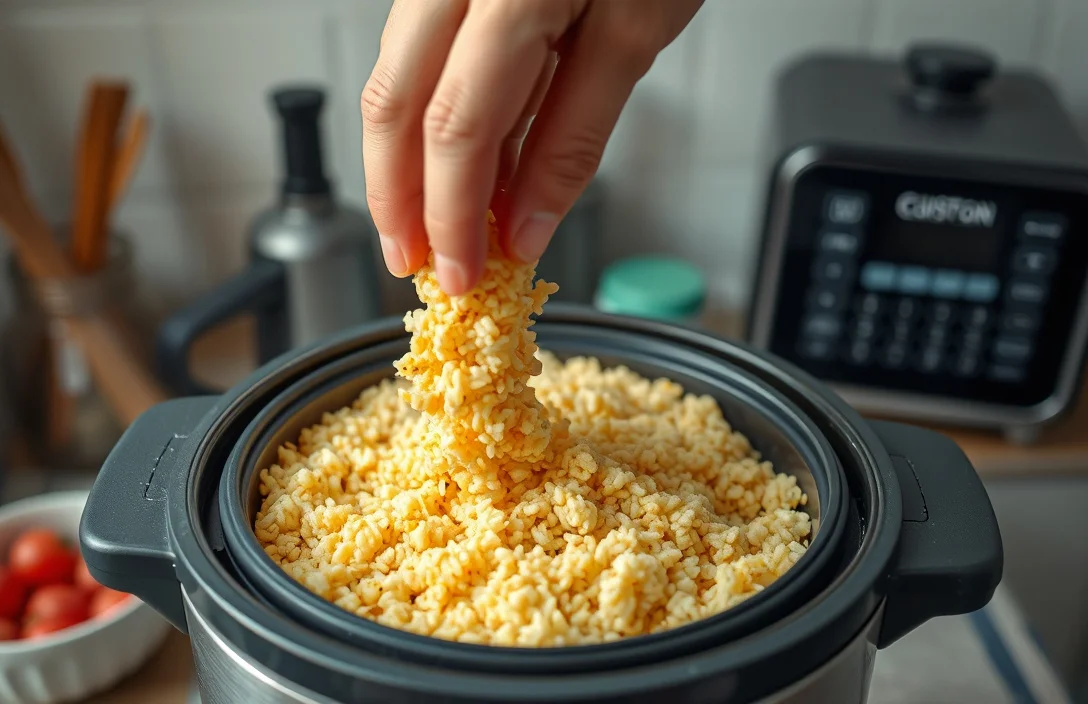
Use 1 cup couscous and 1 cup hot salted broth in the rice cooker pot. Stir gently to moisten all grains, spread them out evenly, then close the lid. Let the cooker do its heating, then rest until steam settles and grains look tender. Fluff with a fork and rest 2-3 minutes before serving.
For extra separation, add a small drizzle of olive oil after fluffing. Mix in chopped parsley or cilantro when the couscous is warm, not piping hot.
Example 2: Couscous for a cold salad (tender, not wet)
Hydrate couscous in the rice cooker with salted broth, then fluff and cool slightly with the lid off for 5-10 minutes. This reduces excess moisture so salad dressing doesn’t turn watery. Fold in chopped cucumber, tomatoes, and vinaigrette when the couscous is warm-to-room temperature.
If it seems too wet, steam-dry gently on warm with the lid closed for 3-5 minutes, then fluff and cool again.
Example 3: Fast troubleshooting, dry couscous
If you open the cooker and couscous looks dry, grains are still a little firm, and steam is minimal, add 1 tablespoon hot water per cup couscous. Cover and wait about 2 minutes, then fluff immediately after resting. Grains usually turn tender without going mushy.
This “tiny water, short rest” fix is the safest recovery move. Repeat once if needed.
Example 4: More forgiving texture with a steam basket
Use the steam basket approach if direct-pot method tends to over-soak. Add couscous to the basket with a liner if your model needs one, then steam until tender. Fluff in the basket or transfer to a bowl once it’s done.
This keeps couscous light and separated for toppings like roasted vegetables.
FAQ
What liquid ratio should I use for couscous in a rice cooker?
Start with couscous-to-liquid around 1:1 for regular couscous, then adjust based on your results. Use hot salted water or broth for more consistent hydration. If grains are dry, add 1 tablespoon hot water per cup and re-steam for about 2 minutes.
How long does couscous take in a rice cooker?
Most of the work happens quickly, with the cooker doing the heating and then the steam finish. Plan for roughly 10-20 minutes total, depending on your cooker and batch size. After the cooker switches off, rest with the lid closed, then fluff after 2-3 minutes.
Is making couscous in a rice cooker safe?
Yes, as long as you use the manufacturer’s intended liner and keep the inner pot in good condition. Don’t overfill the pot beyond its safe max line, and avoid thick add-ins that can block steam vents. Keep the lid closed during hydration, and let it cool before moving.
What’s the biggest mistake people make?
Adding too much water or stirring too early causes clumps or gummy grains. Opening the lid during the steaming stage also wrecks the texture. Follow the ratio, use hot liquid, and fluff only after the cooker finishes.
Can I make Israeli (pearl) couscous in a rice cooker?
You can try, but pearl couscous typically needs different timing and hydration than regular couscous. Use the package direction as your baseline, then adapt using the rice cooker’s rest phase. If your cooker oversoftens grains, use a steam-basket approach or reduce liquid slightly.
When you want fluffy couscous without monitoring a pot, use hot salted liquid near a 1:1 ratio, keep the lid closed, and fluff after a short rest. Do one small test batch first, then tweak liquid by a tablespoon per cup until it matches your preferred texture.

- 10 Best Slow Cooker With Cool Touch Handles 2026 (Tested And Reviewed) - October 22, 2026
- 10 Best Slow Cooker With Quality Construction 2026 (Tested And Reviewed) - October 22, 2026
- 10 Best Slow Cooker With Premium Construction 2026 (Tested And Reviewed) - October 22, 2026