Plants For Shade In Pots: 5 Practical Choices For Success
Shade containers succeed because “shade” still has degrees. A spot that gets 2 hours of morning sun can grow very differently from a deep, all-day north-facing corner. Pick plants by your light level, use fast-draining containers, and plan your mix so it fills in over time.
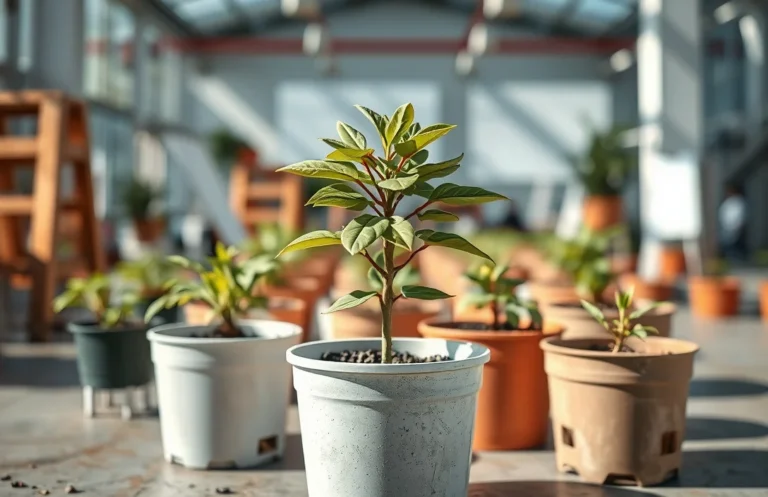
Plants for shade in pots grow best when you match the plant to your light level (deep shade vs. bright shade) and give containers fast drainage. For many common shade options, you’ll want potting mix (not garden soil), consistent watering, and occasional feeding. Most shade containers still need bright shade, not true darkness.
Key Takeaways
- Match your shade to the plant, because “deep shade” and “bright shade” behave differently in containers.
- Use container-ready soil since garden dirt compacts and reduces oxygen around roots.
- Drainage matters most because soggy pots cause root rot faster than shade slows growth.
- Feed on a schedule since pots run out of nutrients sooner than beds.
- Choose the right pot size because small containers dry out faster and stress roots.
- Plan for seasons so you get color in spring and fall, not only leaves.
What to Know About plants for shade in pots
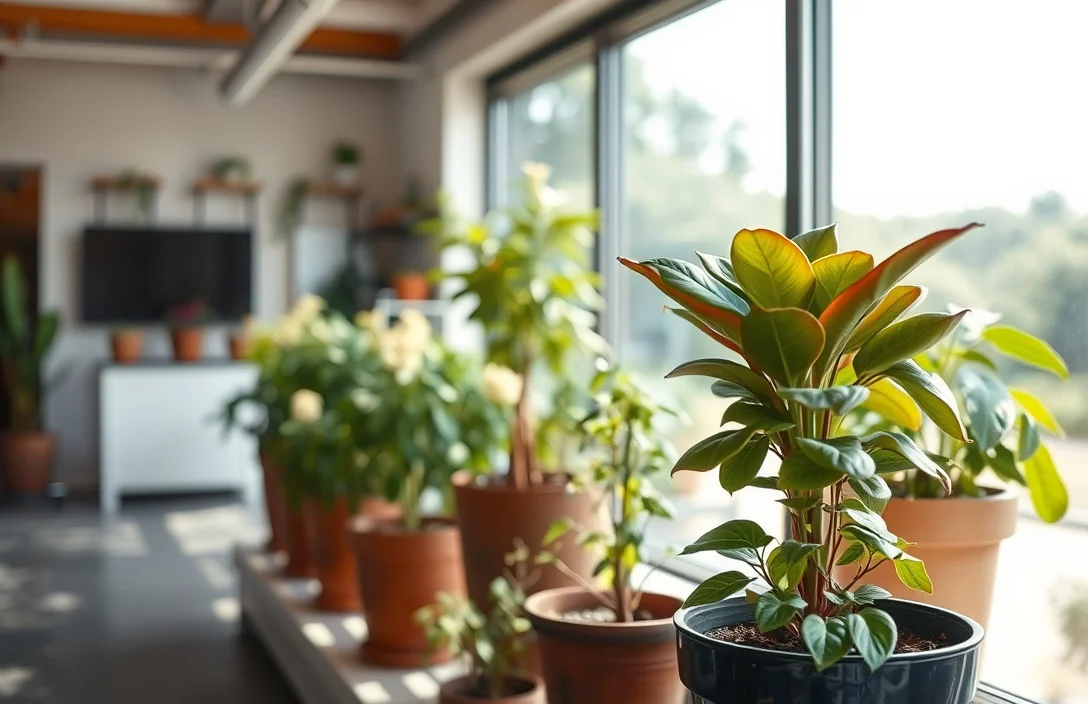
Shade in a pot is often darker than shade in the ground because the container is exposed on all sides and can dry unevenly. A plant tucked in a corner under a porch can live with weak light all day, even when the location looks “pretty shaded.” In practice, container shade often lands in bright shade or part shade, unless the spot is truly low-light.
Containers also tighten the rules for water and nutrients. A hanging basket or small pot swings between wet and dry faster than a bed, and that stress shows up as yellowing leaves or slow growth. Potting mix also breaks down over time, so shade plants still benefit from fertilizer to keep producing new growth.
Be clear about the shade type you’re dealing with:
- Deep shade: little to no direct sun, often north-facing or blocked by structures.
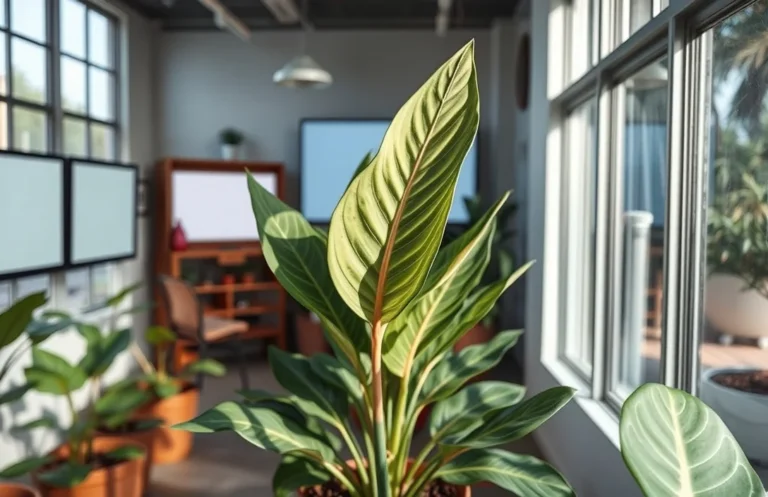
- Bright shade: no strong midday sun, but light stays strong, especially with reflected light from walls.
- Part shade: a few hours of morning or late-day sun.
Expect trade-offs, too. Many shade lovers grow slower and flower less reliably than sun plants. That’s normal. Use shade-tolerant foliage plants for structure (hosta-like texture, coleus, ferns) and add a few flowering picks only if your light supports them.
Things that matter most
Shade-container success comes down to five practical choices: light matching, soil type, drainage, watering rhythm, and feeding. If any of those slip, even “shade-proof” plants struggle in pots.
Light determines whether you get full, steady growth or thin, hesitant stems. Coleus and many begonias hold their color best with brighter shade, while deeper shade areas need plants that tolerate lower light and accept slower growth. If you’re unsure, start with bright shade plants and adjust after 2 to 3 weeks based on what they actually do.
Drainage and watering decide whether the pot stays healthy or turns into a root-stress setup. Containers should have drainage holes, and the pot should never sit in a saucer full of water. Water until it flows from the bottom, then let excess drain away. In shade containers, overwatering is the most common failure because the mix stays wet longer.
Soil matters more than people expect. Use a quality potting mix made for containers, not garden soil, because garden soil compacts and limits airflow around roots. If you want to fine-tune, add a bit of perlite or choose a lighter, aerated potting mix.
Feeding finishes the job. Shade plants in pots are still grown in limited soil volume, so nutrients run out sooner. A light, regular fertilizer approach beats waiting until the plant looks bad and then trying to correct everything at once.
Tips for plants for shade in pots
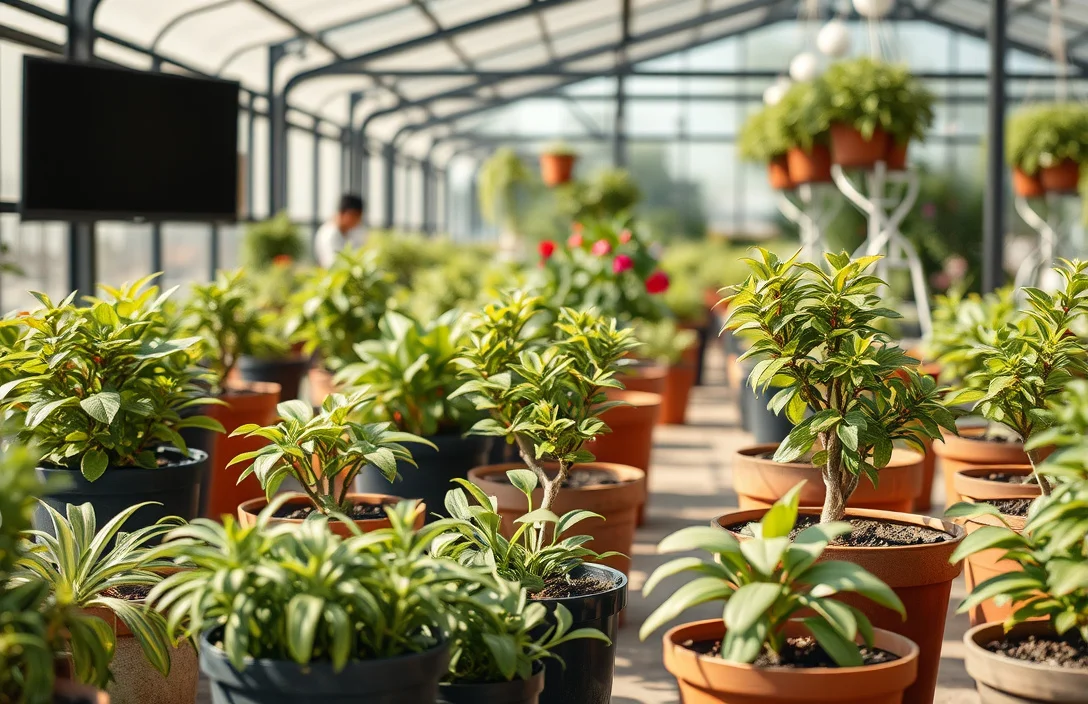
Do a quick light check before you buy anything. Watch your space at morning and afternoon, and note whether you see any direct sun streaks hitting the pot. A simple observation often prevents the common problem of purchasing plants that never really take off.
Choose pot size based on how quickly you want the plant to establish. Small pots look neat, but they dry quickly and make watering harder to get right. For most shade container plants, a wider pot with more soil volume is easier to manage and gives roots room to settle in.
Dial in the watering rhythm:
- Water when the top 1 inch feels dry to the touch.
- Water thoroughly until it drains from the bottom.
- Empty any saucer water after a few minutes, especially in cool or cloudy weather.
Feed on a schedule you can keep. Use a balanced fertilizer during active growing, then taper as growth slows. If you see leaf yellowing that looks like overall fading (not just a few older leaves), the container often needs nutrients.
Check for pests, even in sheltered shade. Aphids can cluster on new growth, and slugs sometimes target tender stems when pots stay damp. Flip leaves and scan undersides weekly so you can intervene early.
Plan your “thriller” combo. In shade, pick one plant to provide height or structure (taller foliage), one for spill or texture, and one accent for flowers only if the light supports it. Even when blooms are lighter, the pot still looks intentional.
Benefits of plants for shade in pots
Shade can feel like a problem until you see it as a design advantage. Pots let you add greenery and color to places that would otherwise stay bare, like porch steps, shaded patios, or the north side of a house.
The biggest practical benefit is control. With potted plants, you choose the soil, the drainage, and the placement. If the light turns out brighter than expected, you can move the pot closer. If it’s darker than you hoped, you can shift it without digging anything up.
Pots also help when ground conditions are tough. If your yard has heavy clay, poor drainage, or compacted soil, shade lovers often do better in containers with aerated potting mix. You avoid soil-borne problems and keep roots supplied with more oxygen.
Mixing seasons extends the look. Shade containers can start with cool-season color (spring bloomers and leafy texture), then shift to summer performers that tolerate shade while keeping the same container design style.
Portability is the overlooked win. If you get a surprise heat wave, a storm, or frost concerns, you can move pots to protect the plants. That flexibility makes shade gardening more forgiving.

Helpful pick
3 Pack Plant Umbrellas for Outdoor Plants – Adjustable Height Garden Umbrella Shade for Potted Plants Garden Beds Flower Pot, Provide Shade to Defend Plants from Blazing Sun, Upgraded Larger Size
Provides adjustable shade directly over potted plants, turning shaded spots into usable, colorful displays.
Options for plants for shade in pots
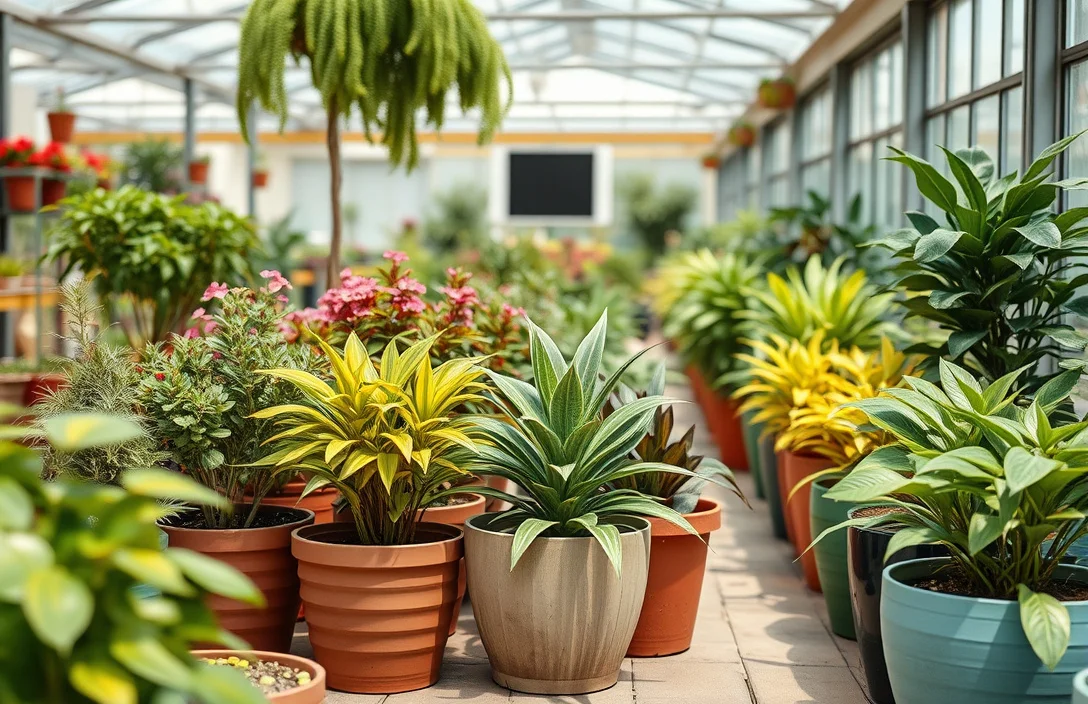
You have more than “just ferns.” Shade plants for containers generally fit into three reliable categories: foliage anchors, flowering fillers, and climbers or spillers for height and movement.
Foliage anchors (best for deep to bright shade)
- Ferns: classic for moisture-friendly shade and dramatic texture.
- Hosta varieties: usually dependable in shade, especially when the pot stays consistently moist (not soggy).
- Heuchera (coral bells): typically holds color and looks good even when it’s not actively flowering.
- Coleus: thrives in bright shade and adds bold color where many shade areas look dull.
Foliage anchors matter because many shade plants bloom less. Even if flowers are limited, strong leaf shapes and color keep the container looking full.
Flowering fillers (best for bright shade or part shade)
- Begonias: many types do well in shade containers when you give them bright shade.
- Impatiens: common in shade beds and often performs well in pots in humid, sheltered conditions.
- Some hydrangea selections: can work depending on container size and light, especially in larger pots, not tiny planters.
- Camellia-type shrubs (when available): better as a large-container option because they need room to grow.
Spoilers and spillers (to soften pot edges)
- Sweet potato vine (Ipomoea batatas) can handle part shade and trails beautifully.
- Trailing begonias: a true shade-friendly option for spilling over the rim.
- Creeping varieties of ivy (where appropriate) add structure, but you need to keep them controlled in a pot.
If you’re not sure where to start, pick a foliage anchor and one spiller first. Add flowering plants only after you confirm your light level supports them.
Helpful pick
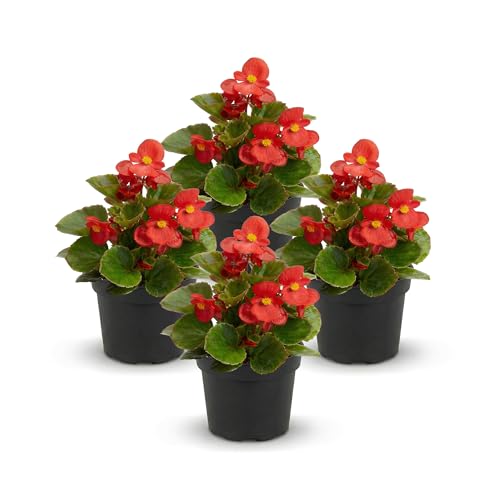
Live Begonia – Dark Leaf Cocktail Red (4 Per Pack), Beautiful Shade Annual, Ships 8″ Tall by 4″ Wide in 1 Pt Pot
A shade-tolerant Live Begonia provides bold foliage and color, serving as a reliable foliage anchor for shaded pots.
Expert Advice on plants for shade in pots
Treat shade as light-limited. Plan your container for steady growth, not maximum blooms. The best shade containers stay attractive even when flowers are quiet.
Size up your pots sooner than later. A narrow planter gives plants less buffering against temperature swings and watering misses. Most shade container plants do better in wider pots where soil moisture stays more stable.
Don’t compromise on potting mix. Container mix is made for aeration, and aeration is the difference between healthy roots and root stress. Garden soil can compact and leave shade containers waterlogged.
Shade containers still need airflow. Pots placed tightly against walls or under solid overhangs with poor circulation keep leaves damp longer, which invites fungal leaf spots. Leave a bit of space and avoid crowding multiple pots so foliage can dry after watering.
Temperature matters, too. Deep shade is often cooler, and cool roots respond more slowly. In cold weather, water slightly less often even if the plant “looks thirsty.” When in doubt, check the top inch of mix first and water based on feel.

Helpful pick
WBCBEC 2 Pcs Garden Plant Shade Cover with Drawstring, 3.94 x 2.62 Ft Shade Cloth for Plants Shade Cover for Plant 70% Black Shade Cloth for Outdoor Plants
Provides breathable shade to potted plants, reducing leaf scorch and keeping container displays neat when blooms are quiet.
Examples: plants for shade in pots
Use these shade container templates with your own light level and pot sizes.
For a deep shade “thriller” pot, center the design on a fern or hosta-like texture plant, then soften the edges with trailing begonias. Choose a pot at least several inches deeper than the root ball for more stable moisture. Keep watering consistent, and place it where it gets bright indirect light, not constant darkness.
A bright shade color pot works well with coleus as the anchor, paired with begonias for flowers and a trailing filler like sweet potato vine (only if your light is bright enough). Coleus color depends heavily on light, so dim conditions flatten the palette. If your pot sits in true deep shade, swap the coleus for a sturdier foliage anchor and keep the “flower job” smaller.
For a part shade patio container, try impatiens for reliable flowering, then add a foliage spiller and one taller plant for structure. This setup tolerates a few hours of sun, so it’s more forgiving if you accidentally get extra light. Use a pot with good drainage and water thoroughly after the top inch dries.
For a low-maintenance combo, go foliage-forward. A heuchera and a fern (plus a trailing begonia or ivy-type spiller, depending on your style) can look great for the whole season without frequent replanting. Add flowering annuals only when the light supports them, since shade containers look best when the plants are actually happy.
Container-friendly reference table (so you can choose fast)
| Plant choice | Best shade level | What it gives you | Typical container tip |
|---|---|---|---|
| Ferns | Deep to bright shade | Texture and fullness | Keep evenly moist, not soaked |
| Coleus | Bright shade to part shade | Strong leaf color | More light usually means better color |
| Begonias (wax or trailing) | Bright shade to part shade | Flowers and spill | Deadhead or trim for tidy growth |
| Impatiens | Part shade to bright shade | Reliable blooms | Don’t let pots fully dry out |
| Heuchera | Bright shade | Year-round leaf color | Avoid soggy mix, prefer even moisture |
| Hosta varieties | Deep to part shade | Big leaf structure | Use a larger pot for sturdier growth |
FAQ
What counts as “shade” for plants for shade in pots?
Shade usually means little to no direct sun, but the difference is deep shade versus bright shade. Deep shade gets minimal light all day, while bright shade still has strong indirect light. In pots, bright shade often works much better for color plants like coleus and flowering begonia types.
How much sunlight do plants for shade in pots need?
Most shade-container plants do well with bright indirect light or a few hours of morning or late-day sun. If your spot gets no direct sun and stays dim, switch toward deep-shade foliage choices like ferns or more tolerant greenery. If you’re unsure, watch the area for a couple of days and adjust placement.
Are plants for shade in pots more work than sun plants?
They can be, mainly because shade containers often stay wet longer. That raises the risk of overwatering, which can cause root stress. Shade containers are often easier in heat and sunburn risk, though. Check the top inch of potting mix and feed steadily during active growth.
What’s the most common mistake with plants for shade in pots?
Using the wrong soil or letting the pot stay waterlogged. Garden soil compacts in a container, and trays that hold standing water starve roots of oxygen. Use quality potting mix, ensure drainage holes work, and empty any saucer water after watering.
Can I grow shade plants in small pots?
You can, but small pots are harder because they dry out faster and swing more with temperature. If you use small containers, water more consistently and consider plants that tolerate these swings, like some begonias. For most shade foliage anchors, going up a pot size creates steadier growth and less stress.
When you start, pick one anchor plant for your exact shade level (deep shade vs. bright shade), pair it with a spiller, and use a container with drainage plus container potting mix. Tell me your spot’s direction (north, east, porch roof, or open patio) and how many hours of direct sun it gets, and you’ll get a tighter plant combo suggestion.

- 10 Best Slow Cooker For Quick Preparation 2026 (Tested And Reviewed) - October 18, 2026
- 10 Best Slow Cooker For Family Meal Preparation 2026 (Tested And Reviewed) - October 18, 2026
- 10 Best Slow Cooker For Freezer Meal Preparation 2026 (Tested And Reviewed) - October 18, 2026