How Many Pots Of Coffee In A 12 Oz Bag?
One 12 oz bag of coffee usually means by weight, but “how many pots” depends on your brew method and how much grounds you scoop per pot. If you use common drip-coffee ratios, 12 oz translates to roughly a handful of 6-cup pots. This guide gives you a quick, reliable way to estimate how many pots of coffee in a 12 oz bag fit your routine.
12 oz of coffee makes about 24-30 cups of brewed coffee using typical drip ratios (about 0.36 to 0.45 oz of grounds per 8 oz cup). That equals about 3 to 4 standard 6-cup pots (or 2 to 3 standard 8-cup pots), depending on how strong you brew and what your “cup” size actually is.
Key Takeaways
- Most bags weigh 12 oz. Estimate grounds from the bag, then match your “pot” cup count.
- Typical drip ratio wins. Expect about 0.36 to 0.45 oz grounds per 8 oz cup.
- Standard 6-cup pots rule. A 12 oz bag usually yields about 3 to 4 of them.
- 8-cup pots cut the yield. A 12 oz bag often makes about 2 to 3 8-cup pots.
- Strength changes everything. Bigger scoops mean more grounds per cup and fewer pots.
- Check your brewer’s “cup.” Many machines use 5 oz cups, not 8 oz.
How many pots of coffee in a 12 oz bag
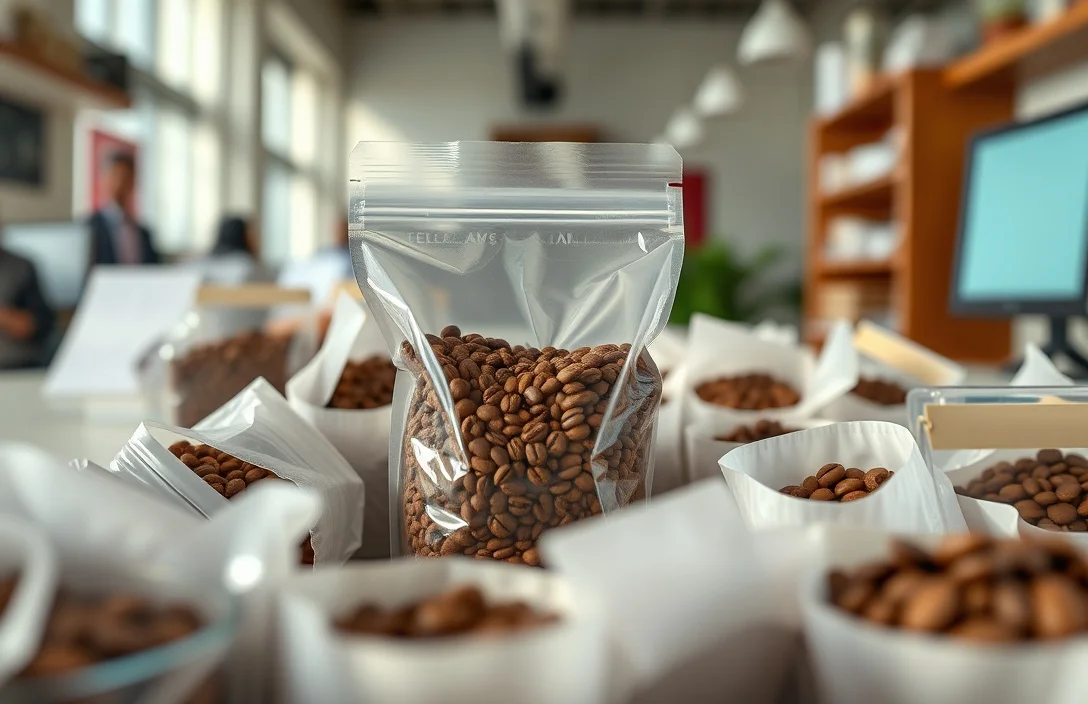
A 12 oz bag of coffee usually produces about 3 to 4 standard 6-cup pots with typical drip-style brewing. If your pot is labeled 8 cups, expect about 2 to 3 pots instead, because you’re brewing more cups per pot.
The fastest way to avoid guesswork is to match your “cup” definition and use a standard drip grounds-to-water ratio. In the US, many brewers label cups at 5 oz per “cup,” while recipes and mugs often assume 8 oz. That mismatch alone can swing your pot count.
How 12 oz turns into pots (the real math)
“Pot count” confusion usually comes down to two variables: how many brewed cups fit in your pot and how strong you brew.
Drip dosing commonly works out to about 1 to 2 tablespoons of grounds per 6 oz of water, which corresponds to the more usable range of 0.36 to 0.45 oz of grounds per 8 oz cup.
Using typical drip strength, a 12 oz bag can supply about 24 to 30 brewed 8-oz cups. From there, divide by how many brewed cups your pot actually holds.
Common ways people interpret pot sizes:
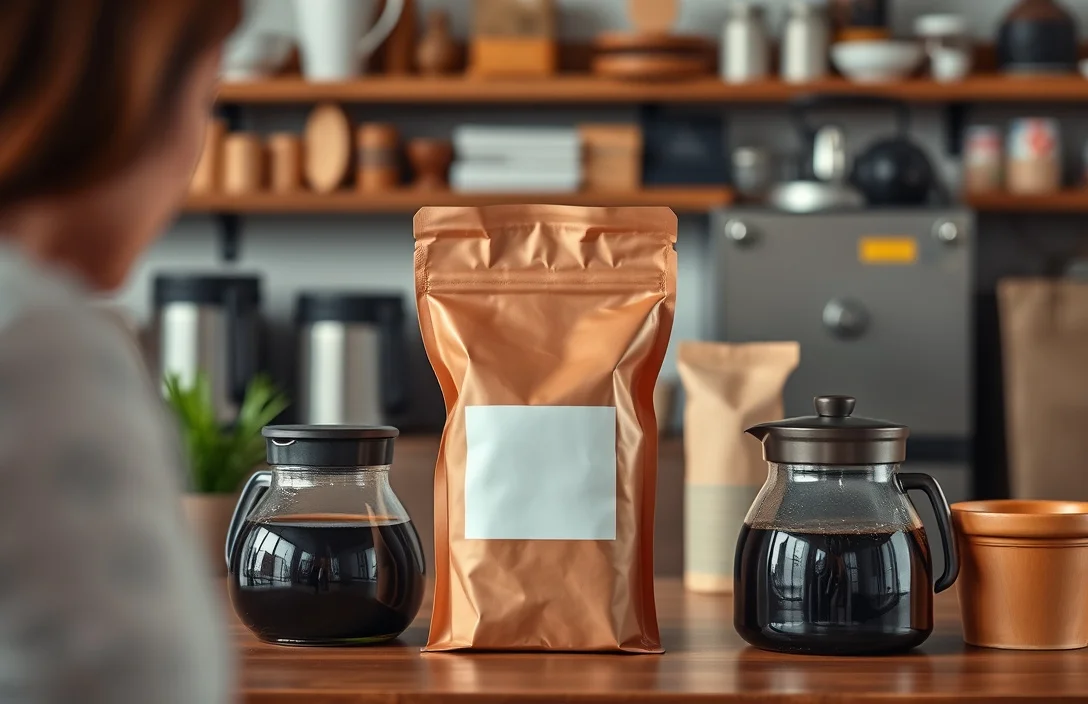
- 6-cup pot – often treated as 6 x 5 oz (depends on the machine), but in practice people may think of it as 6 x 6 oz or 6 x 8 oz
- 8-cup pot – same idea, but check whether your maker’s “cups” are 5 oz or 8 oz
If you want a quick estimate without measuring grounds and water every time, use the table below.
Quick estimates for common pot sizes
Assuming typical drip brewing and treating “cup” as 8 oz brewed:
| Pot size (cups) | Typical pots from 12 oz bag | What this assumes |
|---|---|---|
| 4 cups | 6 to 7 pots | Brewed “cups” are ~8 oz each |
| 6 cups | 3 to 4 pots | Standard “6 cups” pot you pour out |
| 8 cups | 2 to 3 pots | Stronger than average scoops reduce yield |
| 10 cups | 2 pots | You’ll likely use heavier scoops |
If your coffee maker defines a “cup” as 5 oz, multiply the pot’s labeled cups by 5 oz for water volume, then convert to the grounds range (that typically increases the number of pots you get).
Step-by-step: calculate pots from a 12 oz bag
Two questions drive the whole estimate: what volume your machine calls a cup and how strong you brew. Answer those, then estimate in under a minute.
- Decide your pot size in cups. Use the label on your machine (example: “6-cup” or “8-cup”).
- Figure out your “cup” volume. Many brewers use 5 oz per cup. Recipes often assume 8 oz per cup.
- Pick a grounds-per-cup range. For typical drip, use 0.36 to 0.45 oz grounds per 8 oz cup.
- Convert your pot to brewed cups. Pot cups times your “cup” size ratio (5 oz vs 8 oz changes how many effective 8-oz cups you’re making).
- Compute pot count by dividing. Use 12 oz divided by the estimated ounces of grounds needed per pot.
- Adjust for strength. A heaping scoop or finer grind often pushes you toward the heavier end of the grounds range.
Example using a 6-cup pot:
- If your setup uses an 8-oz cup system and you use 0.45 oz grounds per 8-oz cup:
– 6 x 0.45 oz = 2.7 oz grounds per pot
– 12 / 2.7 ≈ 4.4 pots
- If you use 0.36 oz per 8-oz cup instead:
– 6 x 0.36 = 2.16 oz per pot
– 12 / 2.16 ≈ 5.6 pots
Most households land between these “measured” and “eyeballed” doses, so 3 to 4 6-cup pots is the practical expectation.
How to keep your pot count predic
Your pot count shifts fastest when your coffee-to-water ratio shifts. Two people using the same 12 oz bag can get different pot counts just because one uses more grounds per cup.
Use these techniques to control the variables:
- Use a consistent scoop. If your scoop varies by 10-20%, your grounds per pot shifts by the same range.
- Weigh once, then scale. Weigh 1 scoop in ounces (or grams) once. After that, estimating is quicker and steadier.
- Choose a target ratio, not vibes. If you like strong coffee, pick what “strong” means and stay near the higher end of the grounds range.
- Account for grinder and grind size. Finer coffee can tempt you to change dose for taste. When taste drives dose, pot count drifts.
If your rule is “I always use 2 tablespoons per 6 oz,” yield stays stable. If the rule is “fill the filter until it looks right,” yield becomes guesswork.
A simple “dose-to-pots” way to think
After you know how much grounds you use per brewed cup, pot count becomes simple arithmetic. Write down one brew: water amount, number of “cups,” and how many scoops went into the filter. Repeat that for future 12 oz bags.
What works in practice
Stop guessing “pots” and standardize your method. If you’re brewing for a group, plan low so you don’t run out.
What to do:
- Plan for strong-brew yield. Use the higher end of the grounds range so you don’t fall short.
- Add a buffer. If you’re feeding guests, expect about 2 to 3 fewer cups than your estimate when you use heavier doses.
- Label your own “cup.” If your machine uses 5 oz cups, write it down. Consistency beats memory.
- Track one batch per month. Weigh your grounds for one pot every few weeks, since taste preferences drift.
For typical drip habits, the planning rule stays simple: a 12 oz bag usually makes about 3 to 4 standard 6-cup pots, or about 2 to 3 8-cup pots. Brew weaker and you’ll push higher; brew stronger (or use lots of fine coffee) and you’ll push lower.
Mistakes that shrink your yield
The biggest mistake is treating “cup” like a universal unit. Brewer “cups” often measure 5 oz, while many people brew with recipes that assume 8 oz. That mismatch can turn a “sure thing” into a shortfall.
Another common problem is assuming the bag weight equals “usable coffee.” A 12 oz bag is usually fine by weight, but spills, filter overflow, or inconsistent dosing reduce effective yield.
Avoid these specific errors:
- Assuming every scoop is the same. Level one scoop, then heaping another, and your dose swings.
- Switching filters or brewers mid-bag. Different filters and machines change flow and extraction, which changes how much coffee you end up using.
- Dialing in by taste without tracking. Keep increasing dose until it tastes right, and pot count quietly drops.
The easiest fix: measure once. Weigh grounds per pot (or scoops per pot), and the “how many pots” question stops surprising you.
Pro tips to get a tighter estimate
Two levers improve accuracy without turning you into a coffee lab: dose per cup and how your pot defines a cup.
Pro tip #1: Write your brew formula on a sticky note. Example: “For a 6-cup pot, I use X scoops, and my scoops are about Y grams.” You’ll be able to estimate the next bag instantly.
Pro tip #2: Use the right pot framing for your household. If you drink mugs, count mugs, not pots. A 12 oz bag that makes 24-30 cups at 8 oz per cup may translate to more or fewer servings depending on mug size.
Pro tip #3: If you batch brew for a crowd, under-estimate. People refill. Plan for the lower side of the yield so you don’t run short when everyone’s second cup arrives.
FAQ
How many pots of coffee are in a 12 oz bag?
A 12 oz bag typically yields about 3 to 4 standard 6-cup pots or 2 to 3 standard 8-cup pots when using typical drip-strength dosing. Exact count depends on your machine’s “cup” size (often 5 oz for brewers) and how heavily you scoop.
What’s the best way to estimate pots from a 12 oz coffee bag?
Use a dose-per-cup estimate and divide the bag weight by the grounds needed per pot. Typical drip dosing is roughly 0.36 to 0.45 oz grounds per 8 oz cup. Multiply your pot cups by your cup size, then calculate how many pots the 12 oz bag supports.
Does brewing stronger coffee reduce how many pots you get?
Yes. Using more grounds per cup (or a heaping scoop) increases dose, so the bag runs out sooner. If you use the heavier end of typical drip dosing (closer to 0.45 oz grounds per 8 oz cup), you’ll get fewer pots than someone using lighter dosing.
How many cups does a 12 oz bag make?
Using typical drip ratios, 12 oz of coffee makes about 24 to 30 cups of brewed coffee when “cup” is treated as 8 oz brewed volume. If your brewer’s “cup” is 5 oz, you’ll likely get more servings by the brewer’s labeled cups.
Why do I get fewer pots than expected from the same bag size?
Cup-volume mismatch and dose inconsistency cause most surprises. Many drip machines use 5 oz cups, while people think in 8 oz cups, and scoops vary day to day. If you also grind finer or dial up dose for taste, your grounds per pot rises and reduces yield.

- 10 Best Slow Cooker For Slow Cooking Oxtail 2026 (Tested And Reviewed) - October 16, 2026
- 10 Best Slow Cooker For Slow Cooking Venison 2026 (Tested And Reviewed) - October 16, 2026
- 10 Best Slow Cooker For Slow Cooking Turkey 2026 (Tested And Reviewed) - October 16, 2026