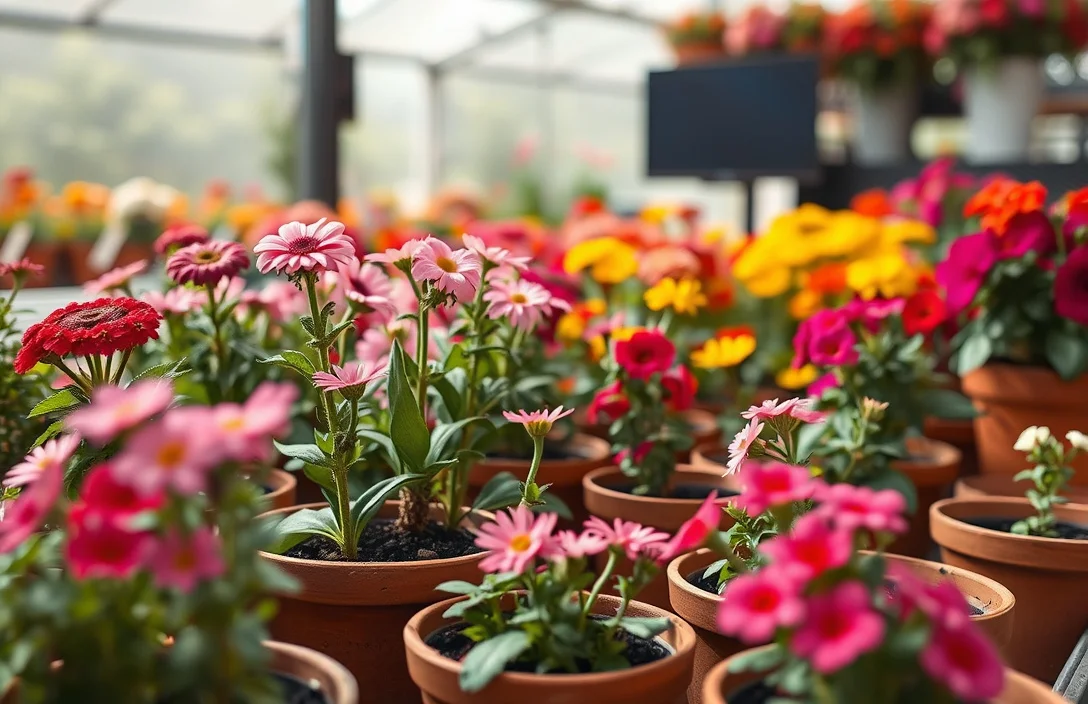
Small Flowers For Small Pots: Compact Blooms That Thrive
Small flowers for small pots win because they match limited root space. A pot that’s too big is wasted soil, and a pot that’s too small pushes plants to dry out and stress fast. This guide helps you choose compact flowering plants, set them up for steady blooms, and avoid the most common “it died” mistakes. You’ll also get practical options for different light levels and budgets.
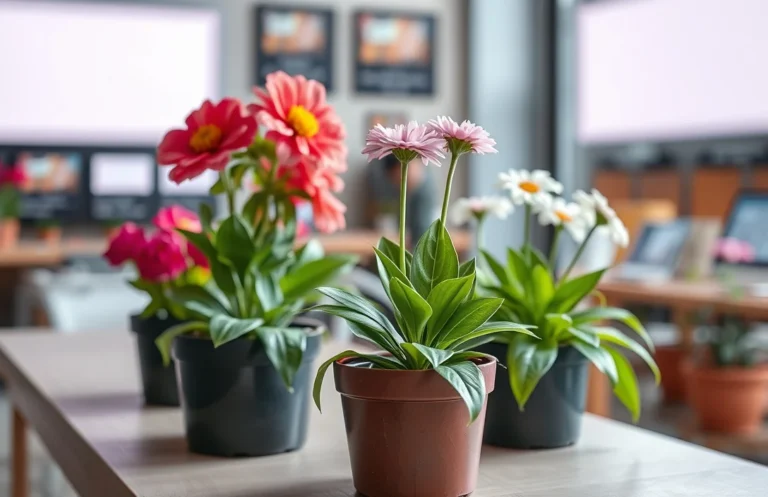
Small flowers for small pots work best when the plant is naturally compact (or stays compact), likes your light, and gets the right potting mix and watering rhythm. For most homes, a pot about 4 to 6 inches wide for one plant is a workable starting point. Very tiny pots dry out quickly and demand more attention.
Key Takeaways
- Compact growth wins. Choose plants bred to stay small so they don’t outgrow a tiny container.
- Match pot size to roots. Tight root space dries faster, so pick pots that fit your watering schedule.
- Light is the real limit. Blooming depends on sun or bright light hours, not pot size.
- Use the right mix. A quality potting mix drains well, so roots don’t sit in water.
- Water consistently. Small pots dry fast, so check soil moisture daily in warm weather.
- Deadhead to extend. Remove spent blooms so plants keep flowering instead of setting seed.
What “small flowers for small pots” really means
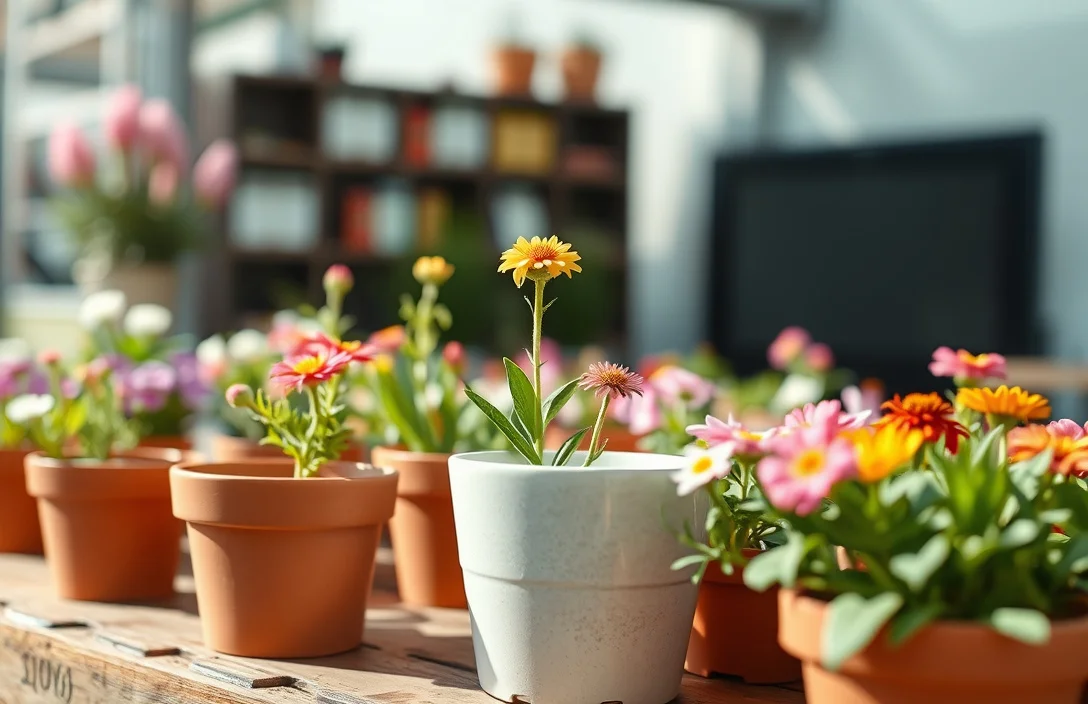
“Small” in gardening is limited in size or scope, and that’s exactly what a small pot does to your plant. Roots get less volume to spread out and hold moisture, so the plant’s routine tightens: watering, recovery, and bloom timing all become more frequent and less forgiving. The upside is that small pots are easier to place neatly and move when you need better light.
Most failures come from container basics, not the plant itself. Small pots heat up and cool down faster and dry out sooner, so your schedule matters. If you want small flowers for small pots to look good for weeks, lock in a light and watering plan before you shop.
Use two simple sizing rules. Go wide enough for one plant to grow into its container even if it starts smaller than you expected. Avoid forcing multiple plants into one tiny pot unless they share the same light and watering needs.
Soil and drainage aren’t optional in small containers. Start with a pot that has drainage holes and a fast-draining potting mix. Without drainage, roots stay wet too long and small plants decline quickly. If you’re using a decorative cachepot, keep the inner pot drained and empty any runoff.
How to choose the right small flowering plants
Small flowers for small pots should be chosen around three constraints: root space, light, and watering speed. Root space is the easiest to underestimate because a plant can look fine above the soil while its roots struggle below. Light and watering are harder because they control how often the plant photosynthesizes and how quickly it bounces back.
Filter plants like this:
- Pick compact cultivars first. Tags that say “dwarf,” “mini,” “compact,” or “patio” are useful for small pots.
- Prioritize sun needs. If your window is dim, skip sun-lovers and choose shade or indoor-bright options.
- Choose based on how often you can water. If you can check soil daily, you can handle thirstier bloomers. If not, choose plants that tolerate slight dryness.
Small pots amplify watering errors. Overwatering shows up as limp plants, yellowing leaves, and soil that stays wet for days. Underwatering shows up as wilting, dry crust on top, and blooms dropping quickly. Spot the problem early and adjust right away.
The most “set-and-forget” setup is a pot that drains well in the right light. After that, aim for soil that stays consistently lightly moist – never soggy, never bone dry. In hot weather, small pots may need water every day, and that’s normal for container-sized root zones.
Setup tips that keep small pots blooming
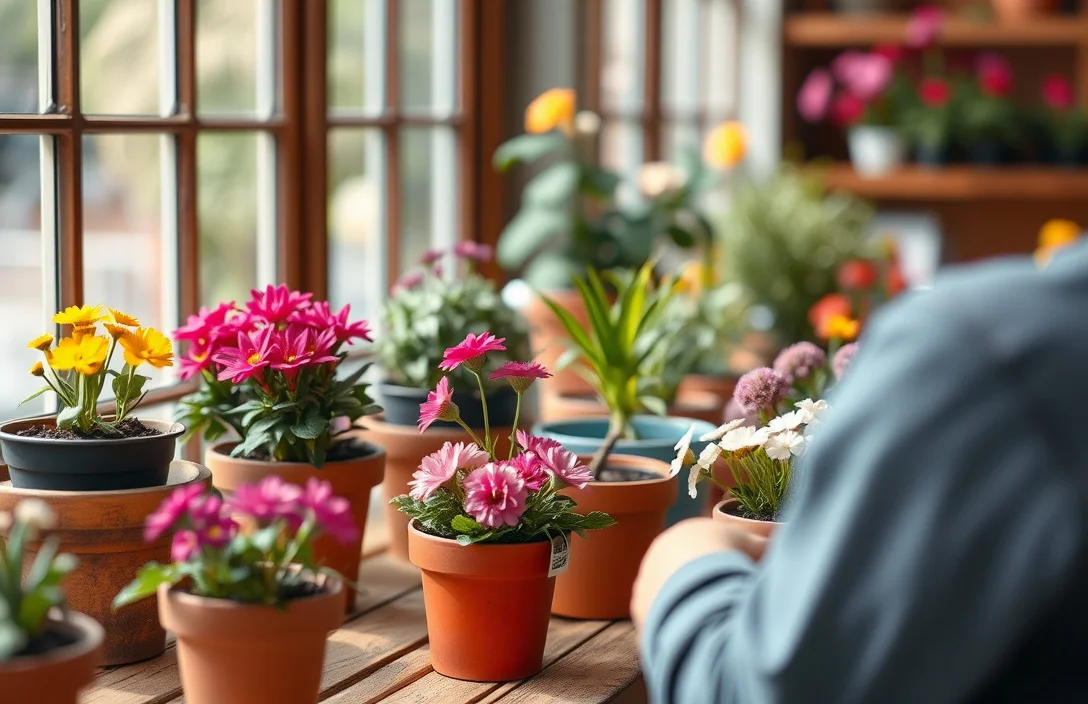
Start with the pot, not the plant. A 4 to 6 inch pot for one compact flowering plant works well indoors or on patios. If you want fewer watering days, go a bit larger within that range. With very tiny pots (like 2 to 3 inches), plan for daily checking because they dry out fast.
Use potting mix that drains. Skip garden soil – it compacts in containers and holds water longer than roots can tolerate. A good indoor/outdoor potting mix keeps air around roots, which matters more in small containers where oxygen runs out faster when soil stays wet.
Watering technique makes a bigger difference than most people expect. Water thoroughly until you see runoff, then wait until the top inch of soil feels dry before watering again. In small pots, that “top inch” is the real indicator because the root zone dries quickly.
Keep flowering going with small, simple habits:
- Deadhead spent blooms. Remove faded flowers before seed pods form.
- Pinch if plants get leggy. For some compact types, light pinching encourages branching.
- Rotate the pot. Turn it every few days so growth stays even toward the light.
Outdoors, protect small pots from extremes. Midday sun on a windowsill can overheat the soil, and wind can dry pots faster than you expect. Moving plants to morning sun and afternoon shade often improves bloom right away.
Feeding is optional, but it helps if you want consistent flowers. Small pots hold limited nutrients. Use light fertilizing and follow the label – salts build up faster in small containers and can burn roots if you overdo it.
Why small flowers in small pots work
Small containers let you build a “visible garden” without eating up space. The practical advantage is control. You can place pots where light is right, move them when temperatures swing, and swap plants as seasons change.
Small flowers for small pots also refresh displays faster. When a plant finishes its first bloom cycle, swapping in another compact bloomer is easier than replacing a large specimen. If you like changing colors, this is one of the simplest ways to do it.
Small pots can be easier to manage, too. They drain faster, so you can often recover from mild overwatering by adjusting light and watering. Because plants stay compact, pests like aphids and fungus gnats are easier to spot early and handle before they spread.
For indoor growing, compact flowering plants are often more realistic than larger houseplants that need steady, stable conditions. A bright window and the right small pot setup can produce repeated blooms without outdoor space.

Helpful pick
Potanro 70pcs Miniature Flowers Cluster for Crafts,Mini Flowers Self Adhesive,Flower Vegetation Groups, Static Miniature Plants Diorama Base Materials Supplies,for Train Railroad Military Model
Provides compact, self-adhesive miniature flowers to craft a tiny, rearrangeable visible garden in any pot.
Small pot flower options by light level
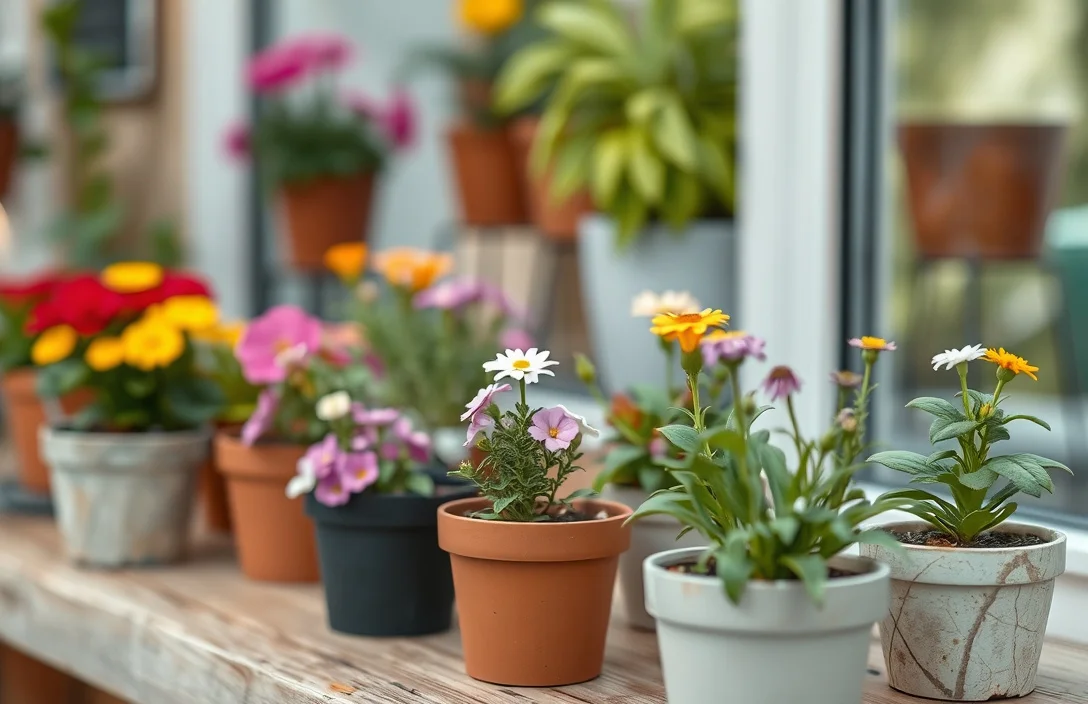
You have more good options than you think as long as you match the plant to your light and container size. Choose based on where the pot will live: full sun outdoors, partial sun patios, or bright indoor light.
Solid choices that generally stay compact and work in small pots (pick based on your light):
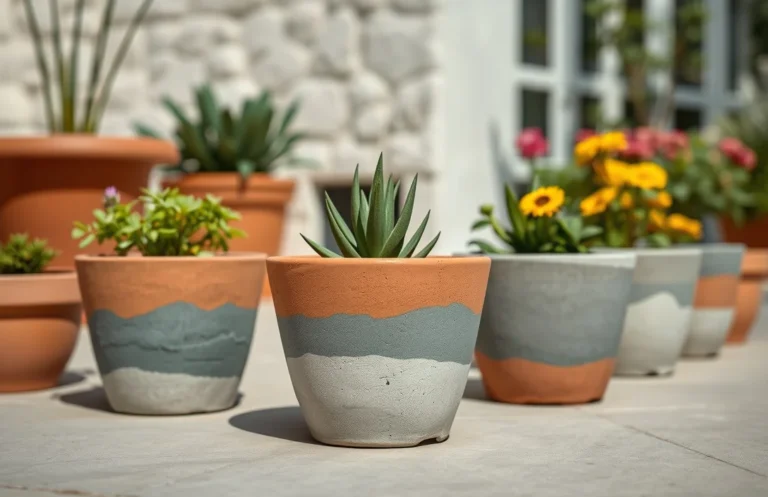
- Petunias (compact/patio types). Great for sun to part sun, especially in hanging or clustered small pots.
- Ageratum (dwarf types). Dense, colorful blooms that suit small containers.
- Calibrachoa (mini trailing). Works in small pots with sun and frequent deadheading.
- Marigolds (dwarf). Tough bloomers for sunny spots and short growing cycles.
- Dwarf zinnias (where heat-loving fits). Short, sturdy flowering for sunny patios.
- Begonias (wax begonias). Reliable in bright indoor light or shaded outdoor spots.
- African violets (smaller varieties). Indoors when you have stable bright conditions.
- Primroses (cooler indoor/outdoor). Great for bright, cooler areas, especially in season.
Pot size changes how aggressively plants bloom. In a small container, compact plants typically flower well, but very tiny pots mean more frequent watering and slightly more frequent feeding. If you want fewer interventions, choose a pot closer to the larger end of the range you’re considering.
Quick comparison for picking a plant
| Plant option | Typical light need | Best pot size target | Best for |
|---|---|---|---|
| Compact petunia | Sun to part sun | 4-6 inches | Big color in a small footprint |
| Dwarf marigold | Full sun | 4-6 inches | Low-fuss outdoor bloom |
| Ageratum (dwarf) | Sun to part sun | 4-6 inches | Dense, long-ish flowering look |
| Calibrachoa (mini) | Sun | 5-7 inches | Containers that need lots of blooms |
| Begonia (wax type) | Bright shade / indoor bright | 4-6 inches | Indoors and less-sunny spots |
| African violet | Bright indoor light | 3-5 inches | Consistent indoor flowering |
When shopping, look for tags that say compact, dwarf, mini, patio, or small-bloom habit. Those words are doing real work for small pots.

Helpful pick
Giantree 49 Pcs Miniature Flower Cluster Colorful Flowers Self-Adhesive Flower Vegetation Groups Static Grass Tufts for DIY Craft Train Landscape Railroad Scenery Sand Layout Model
Great for bright indoor light and sheltered outdoor pots, these miniature flower clusters add color without watering.
Expert approach for consistent blooms in small pots
Treat a small pot like a micro-environment, not a miniature garden bed. Plan around the plant’s limits: keep roots comfortable with consistent moisture, steady light, and a draining mix.
Start with drainage and airflow as your baseline. A pot with drainage holes matters, and potting mix that doesn’t stay wet matters more. If your decorative outer pot doesn’t drain, it can trap moisture against the roots.
Decide your watering approach before you buy. If you travel often or can’t check soil daily, don’t choose the most thirst-hungry sun bloomers for the tiniest containers. Pick compact, slightly more tolerant options or move up by one pot size.
Keep light consistent. For indoor flowering, “bright window” usually means several hours of light, not just ambient room brightness. Without that level of light, plants keep growing, but blooms slow down.
Control plant density. Packing multiple small plants into one pot can look fuller at first, but overlapping root zones in tiny containers dry out faster and compete for nutrients. One compact plant per pot typically looks better and lasts longer.
Plan for seasonal switching. Some flower types fade in heat and prefer cooler conditions, while others handle summer best. Matching bloomers to the season improves consistency in the same small space.

Helpful pick
10 Pcs Miniature Dollhouse Plant Flowers, 1:12 Tiny Small Glow in the Dark Glass Vase Flowers Plant House Decor, Faux Flower Model Dollhouse Decoration for Tiny Houses
Adds tiny, realistic blooms to miniature pots, aligning with the micro-environment approach and scale.
Examples from real users
Use-case example: a sunny windowsill in summer. Put one compact petunia or dwarf marigold in a 5-6 inch pot with a drainage hole. Use a draining potting mix, then check moisture daily after the first week. Deadhead faded blooms every few days to keep the display active. Rotate the pot when growth stretches toward the glass.
In practice, a shaded patio can still look great with the right plants. Use wax begonias (or other compact begonias) in 4-6 inch pots placed where they get bright light without harsh midday sun. Water when the top inch feels dry, and never let the pot sit in water after watering.
For a small entryway display indoors, African violets are a straightforward example if you can provide bright, steady light. Use a small pot size appropriate for violet culture, keep the growing medium lightly moist (not constantly wet), and avoid over-fertilizing. Even with minimal space, this setup can produce flowers repeatedly because the plant fits indoor conditions well.
Another common scenario is a “birthday pot” style display you want to last longer than a few weeks. Choose compact plants that handle container conditions and commit to deadheading. If growth turns leggy, replace it early so remaining blooms stay neat and dense.
If you want color variety without huge pots, cluster multiple 4-inch pots together on a single saucer area (or tray) instead of cramming several plants into one container. Each pot can be watered separately based on its needs, and you avoid the “everything drooped at once” problem that happens when mixed requirements share one soil.
FAQ
What is the best pot size for small flowers?
For one compact flowering plant, a 4-6 inch pot with drainage holes is a practical starting point. Smaller pots dry out faster and require more frequent watering, while larger pots hold excess moisture longer than the plant needs. If you tend to forget watering, choose the larger end of that range.
How often should I water small-flower pots?
Check daily in warm weather and water when the top inch of soil feels dry. Small pots swing quickly between dry and soggy, so watering by a fixed schedule is risky. When in doubt, test the soil first, because dryness wilt and overwatering wilt can look similar.
Do small flowers need fertilizer in small pots?
Most benefit from light feeding because small containers hold limited nutrients. Use fertilizer at label rates and don’t overdo it, since salts build up faster in small pots. If growth slows and blooms fade, feeding is often the first adjustment.
What is the most common mistake with small flowers in small pots?
Overwatering is the most common mistake, especially when decorative pots trap runoff. Another frequent error is too little light, which reduces blooms even if the plant looks “green and okay.” Fix drainage and light before you swap plants.
Can I grow small flowers in shade or low-light?
Yes, as long as you choose shade-tolerant plants or ones suited to indoor bright light. Wax begonias and African violets are good container-friendly options when sun is limited. Expect fewer blooms in truly dark corners, even with the right plant.

- 10 Best Slow Cooker With Cool Touch Handles 2026 (Tested And Reviewed) - October 22, 2026
- 10 Best Slow Cooker With Quality Construction 2026 (Tested And Reviewed) - October 22, 2026
- 10 Best Slow Cooker With Premium Construction 2026 (Tested And Reviewed) - October 22, 2026