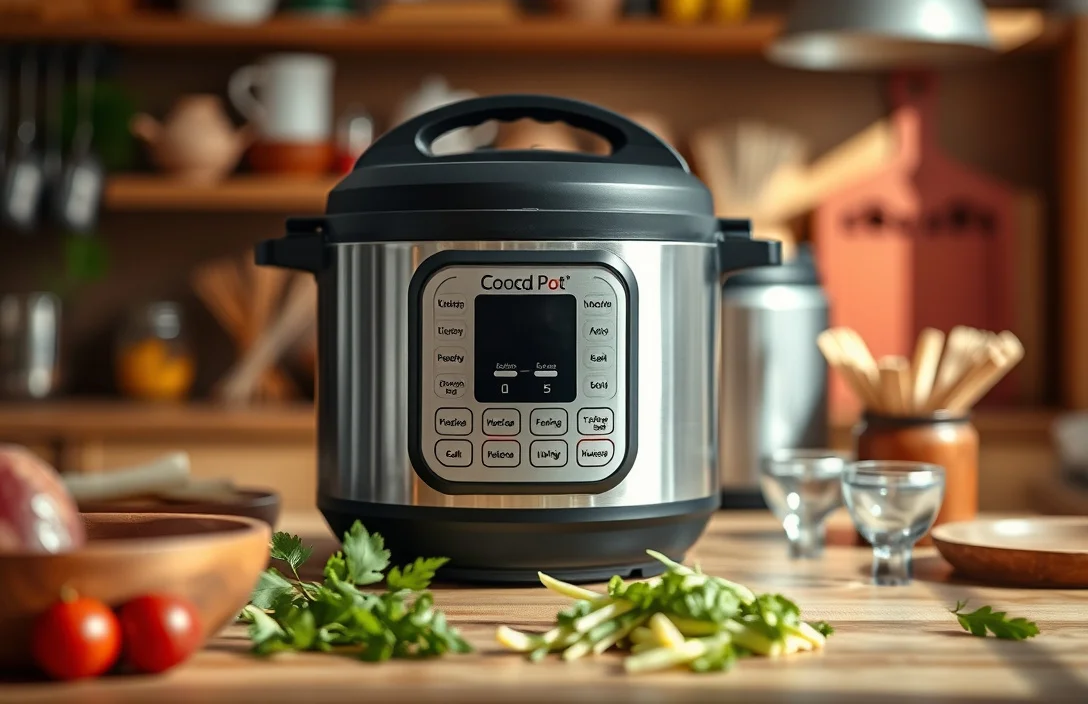
Cooks Essential Pressure Cooker Manual How To Use Safely
A Cooks Essential pressure cooker manual matters because the machine’s safety and performance depend on basics like correct sealing, pressure setting, and release method. If you want results fast, you need a repeatable setup routine plus cooking guidance that prevents the common “why won’t it pressurize?” issues. This guide gives clear, no-fluff directions for using a Cooks Essential pressure cooker, even when your manual is missing or confusing.
Pressure cookers build steam, reach full pressure, and then cycle while cooking. If the lid isn’t sealing, the float/indicator won’t rise (or the unit won’t start), and nothing times correctly. For most foods, you’ll pick the right mode, use the right liquid amount, and follow a timed cooking plan, then release pressure the way the food needs – quick for some foods, natural for thicker ones.
Key Takeaways
- Manual-first setup. Confirm the lid seal, gasket seat, and locking tabs before every cook.
- Use enough liquid. Pressure cookers need liquid to build steam and reach pressure reliably.
- Match release to food. Quick release works for vegetables; natural release helps meats and stews set safely.
- Avoid overfilling. Don’t pack the pot full – foamy foods can clog the vent.
- Start with short cook times. Use smaller time increments first, then adjust next batch.
- Don’t force the lid. If pressure hasn’t released, you wait – or follow the manual’s emergency steps.
What to Know About Cooks Essential Pressure Cookers
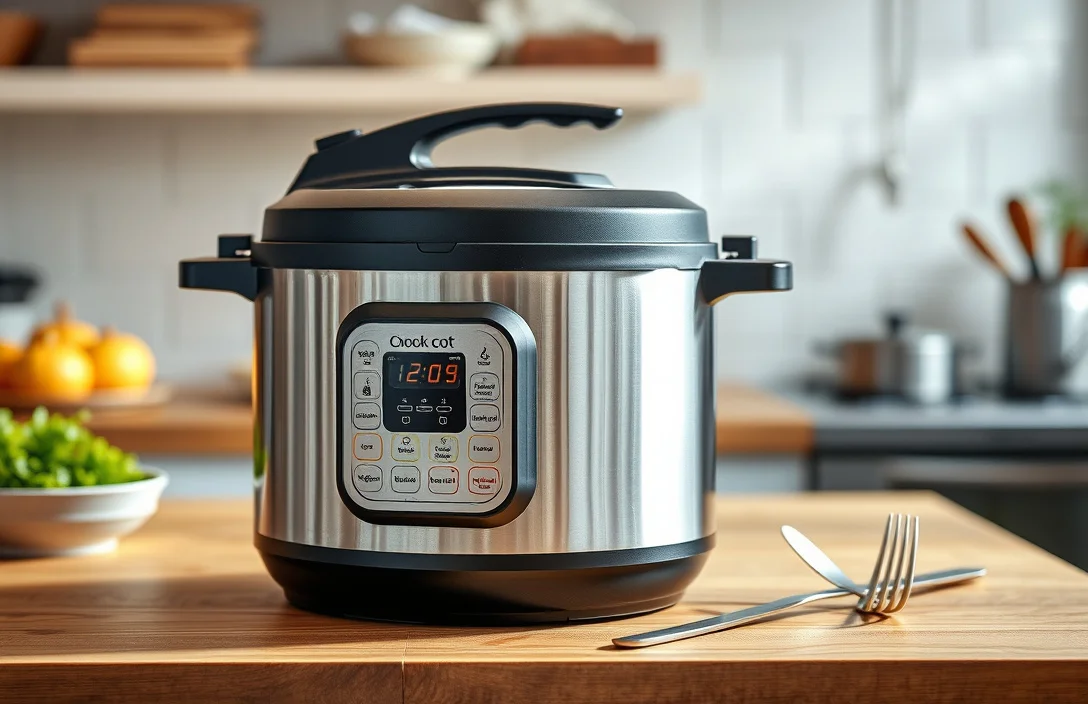
A Cooks Essential pressure cooker performs only as well as its lid seal and your release choices. Before you cook, treat the manual like your safety checklist: gasket placement, vent behavior, and how the float/indicator works on your specific model.
Pressure cooking also isn’t one universal setting. Your unit likely has multiple cooking programs (for example, meat, beans, rice, soup) or at least multiple pressure levels and time modes. Foaming, thickening, and steam release vary by food, so the manual’s guidance on release method and fill limits matters.
Because the model number isn’t included here, I can’t list the exact button labels, indicator names, or pressure level names. You still can apply a safe approach: once you find the correct manual, cross-check the few model-specific items that actually change – liquid minimum, fill line, and how quick release differs from natural release.
Things that matter most
The most important “manual concept” is how the cooker confirms it is pressurized. When the pressure indicator reaches the operating position, the cooker begins timing. That start moment is why recipes work.
Liquid and fill limits are usually non-negotiable. If you underfill with liquid, the unit may never reach pressure or may stall with a safety error. If you overfill – especially with thick batters, beans, or pasta – foamy contents can block the vent and create a mess or a safety risk.
The manual also defines release behavior in practical terms. Quick release drops pressure quickly for foods that can overcook in steam. Natural release lets pressure fall more slowly, reducing sputter and helping tougher proteins finish evenly.
Finally, keep a consistent start-to-finish rhythm: measure ingredients, lock the lid correctly, add liquid, select pressure/time, let it come to pressure, and release exactly as the manual instructs. Once you run that sequence once, you can repeat it reliably.
Tips for Using a Cooks Essential Pressure Cooker
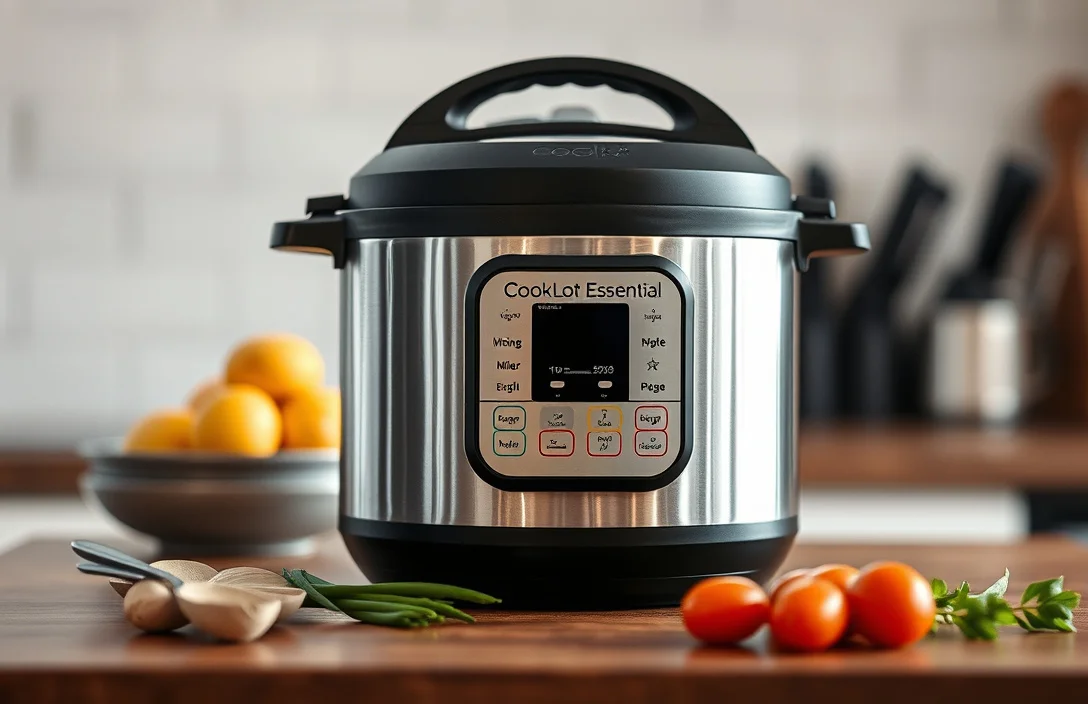
Start with the gasket and sealing surfaces every single time. Wipe the gasket rim and the lid’s sealing track, confirm the gasket sits flat, and remove any food residue that could stop an airtight seal.
Run a simple water test before your first real meal. Add water to just above your manual’s minimum liquid guidance, lock the lid, start a short pressure cycle, and watch for the pressure indicator to reach the operating state. If it never indicates pressure, fix the sealing issue before you cook food.
When you adapt recipes without the manual in front of you, use conservative cook times and plan to add time. Pressure cooking can overshoot when you guess, especially with beans (which vary by age), rice (by variety), and tender vegetables (which can go from perfect to mush fast).
Avoid thick, foamy vent-clogging situations by following general pressure-cooker rules. For beans, don’t overfill and be cautious with add-ins that foam (some starches and sugary sauces). For soups, stir and keep the pot below the manual’s max fill line. If the manual includes guidance for foamy foods, follow it strictly.
Choose releases based on texture and safety. Quick release is useful when you want bright vegetables or you need to stop cooking immediately. Natural release often works better for meats and stews because it prevents aggressive sputtering and lets residual heat finish the job.
Benefits of a Cooks Essential Pressure Cooker (When You Use the Manual)
A pressure cooker speeds up cooking while keeping the liquid environment that slow cooking relies on. When it reaches pressure and cycles correctly, steam transfers heat faster, shortening cook times for tougher cuts and legumes compared with stovetop simmering.
You also get repeatability once you lock down your routine. With the same liquid amount, fill level, and release method, your results stay consistent batch after batch – especially after your first “why is this different?” lesson.
The manual directly supports safety and reliability. Correct gasket fit, correct vent behavior, and correct lid locking prevent two common failure modes: it never pressurizes (usually a seal or liquid issue), or it won’t open (pressure is still inside, or you need to follow the manual’s safe-depressurizing steps).
Pressure cookers also let you shift modes on the fly. If your model supports it, you can pressure-cook and then switch to sauté or warming to brown, thicken, or reduce sauces without moving everything to another pot.

Helpful pick
Presto 01362 6-Quart Stainless Steel Pressure Cooker
This manual pressure cooker delivers fast heat transfer, shortening cook times for tougher cuts and legumes.
Pressure Cooker Options You Actually Use
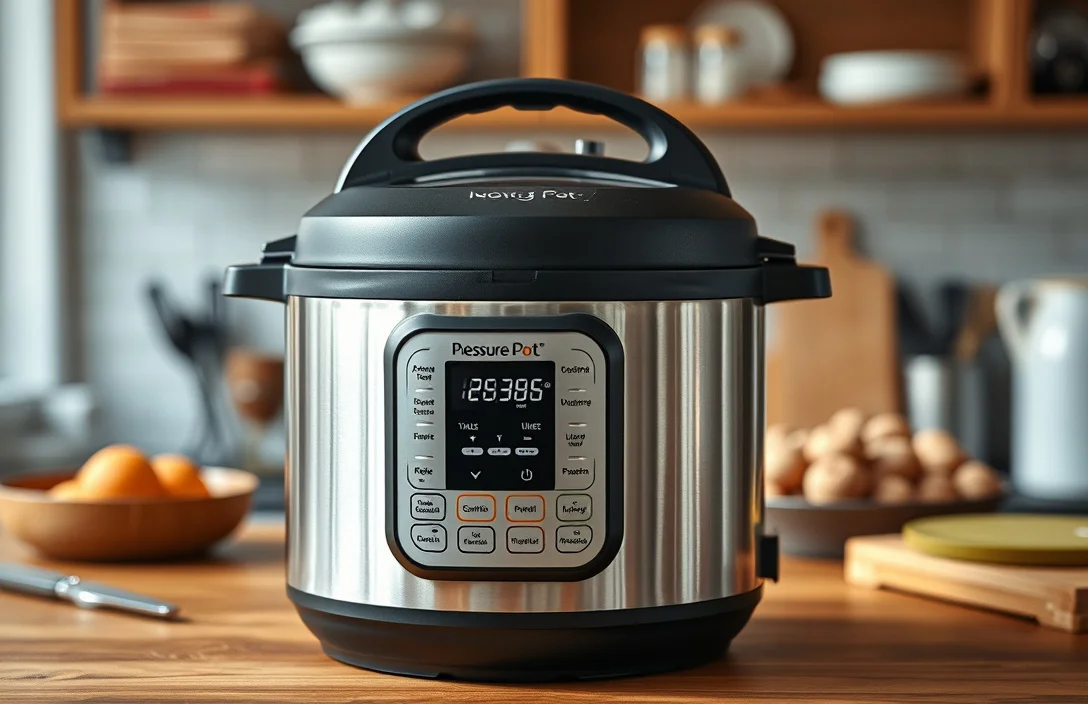
The settings that matter usually fall into three categories: pressure level (if adjustable), cooking program/mode, and release method. Your Cooks Essential manual typically maps foods to programs and provides default times and pressure settings.
If your cooker lets you adjust time and pressure, use the manual’s program recipes as your baseline. For example, use the manual’s beans program the first time, then adjust from there after you see how quickly your specific beans soften.
If your cooker is simpler with fewer controls, your choices shift toward technique. You may only have one pressure mode, so you adjust results by using shorter or longer cook cycles. Even then, release still matters, and the manual usually explains when to use quick versus natural release.
Some models also offer options for thickening through sautéing. If your manual allows it, sautéing before or after pressure cooking helps you control sauces and avoid “burn” problems that happen when thick ingredients sit too long at high heat.
Helpful pick
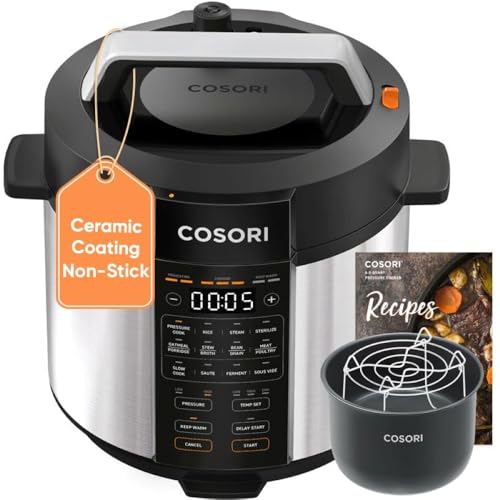
Cosori Pressure Cooker 6QT, Stainless Steel, 9-in-1 Multi Cooker, 12 Safety Features, Ceramic Coating Inner Pot, Rice, Slow Cook, Sous Vide, Saute, 1100W
Offers multiple preset programs and adjustable pressure, aligning with manual mappings of foods to modes and times.
Expert Advice for Faster Results and Fewer Failures
Stop guessing about sealing. If your cooker doesn’t behave like recipes assume, the fix is usually mechanical. Re-seat the gasket, confirm the lid locks cleanly, and clear the vent area before you try again.
Measure your liquid and treat it as required, not optional. Pressure cooking depends on steam generation, so liquid minimums listed in your manual are a big deal. If a recipe says “add 1 to 2 cups,” that range assumes a specific setup. For your model, follow the manual first.
Respect foamy foods. Beans, lentils, chickpeas, and certain grains can foam, and foam can block the vent. Follow your manual’s warnings and max fill line exactly. If a recipe doesn’t mention foaming risk, reduce the batch size rather than pushing fill limits.
Use release methods like part of the recipe, not an afterthought. Quick release stops the cook quickly, but natural release handles even finishing and gentler pressure drop, especially for thicker stews and proteins.

Helpful pick
Presto 01781 Pressure Canner and Cooker, 23 qt, Silver
Its mechanical lid and gasket design reinforce sealing checks, helping you avoid common failures and improve reliability.
How to Learn Your Cooks Essential Timing
Use a benchmark meal to learn your cooker’s timing and release behavior. Pressure-cook a basic pot of rice using the manual’s rice program (if available) or your standard rice method, then test quick release versus natural release once using the same rice type and ratio. The difference shows up on your specific cooker, and that makes future meals easier.
For beans, pick one reliable starting recipe and change only one variable at a time. Run a first test on soaked beans or an easy bean variety using the manual’s beans program. If they’re still firm, add time in the next batch. Consider natural release to reduce boil-over and improve texture.
For tough meat, the manual’s release guidance carries a lot of weight. Pressure-cook a chuck roast or stew meat using the recommended program, then use natural release (or the manual’s default) so the sauce finishes and the meat tenderizes without sputtering when you open.
For thick soups, start with thinner ratios first. Pressure-cook broth-based soup, then thicken after pressure cooking by sautéing and reducing or by adding a thickener off-pressure (only if your model and manual allow it). Keeping pressure-stage soup thinner makes results more predictable and reduces clogging risk.
FAQ
What liquid amount do I need in a Cooks Essential pressure cooker?
Follow your manual’s minimum liquid amount for every cook. Pressure cooking needs enough liquid to generate steam, so “barely enough” can cause the cooker to stall or never reach pressure. If you can’t find the minimum, use the manual or run a short water test to confirm pressurization before cooking food.
How long does it take to reach pressure before cooking time starts?
Most pressure cookers start timing once the unit reaches operating pressure, which can take several minutes depending on ingredients and how cold the pot is. Cold ingredients and smaller liquid amounts slow warm-up; a hot start speeds it up. Follow your manual’s cycle behavior and trust the recipe time after pressurization begins.
Is quick release or natural release safer and better?
Natural release is usually gentler for thicker foods and proteins because pressure drops more gradually and there is less sputter. Quick release works well for vegetables that can overcook in residual steam. Either method can be safe when used correctly, but follow your manual’s instructions for your specific model.
Can I use my own recipes without the Cooks Essential pressure cooker manual?
You can adapt recipes, but you need three manual-dependent details: liquid minimum, maximum fill level, and how your model releases pressure. Without those, you risk inconsistent results or foamy-food clogs. Start with manual-mapped programs (rice, beans, meat) as baselines, then adjust cook times in small increments.
What’s the most common mistake people make with pressure cooker manuals?
Skipping gasket-seal and vent checks is the big one. That leads to poor pressurization and unpredictable behavior. Another common mistake is ignoring release guidance and trying to open early. If the lid won’t open, wait for pressure to drop and follow the manual’s safe-depressurizing steps instead of forcing anything.

- 10 Best Slow Cooker With Cool Touch Handles 2026 (Tested And Reviewed) - October 22, 2026
- 10 Best Slow Cooker With Quality Construction 2026 (Tested And Reviewed) - October 22, 2026
- 10 Best Slow Cooker With Premium Construction 2026 (Tested And Reviewed) - October 22, 2026