Flowers To Put In Pots Compared: Sun Vs Shade Picks
Picking flowers for pots is mostly about matching three things: light (sun vs shade), watering (how fast your pot dries), and heat (how long the container bakes). Most container failures happen because the pot stays too wet, dries too fast, or the plant gets the wrong light. This guide to flowers for pots helps you pick plants that thrive in your specific spot and keep blooming.
Fast-growing container flowers for pots that thrive: match varieties to your light, then use a pot with drainage and a fast-draining potting mix. For full sun, go with petunias, calibrachoa, lantana, geraniums, and marigolds. For shade or covered patios, choose begonias, impatiens, fuchsias, and some coleus. In heat, prioritize heat- and drought-tolerant types like lantana and portulaca, and water on a schedule you can stick to.
Key Takeaways
- Start with sunlight. Match pot flowers to the light they actually get each day. “Full sun” and “bright shade” are not the same.
- Use drainage every time. A drainage hole prevents root rot, even if you water carefully.
- Pick plants built for containers. Many “annuals” behave reliably in pots, especially trailing and compact types.
- Water based on dryness. Check the top 1 inch, then water thoroughly until it drains out.
- Size pots for roots. A 6-inch pot suits small plants. Most flowering annuals do much better in 10-12 inch containers.
- Fertilize steadily. Container flowers need regular feeding because nutrients wash out faster than in-ground soil.
Flowers to Put in Pots That Thrive
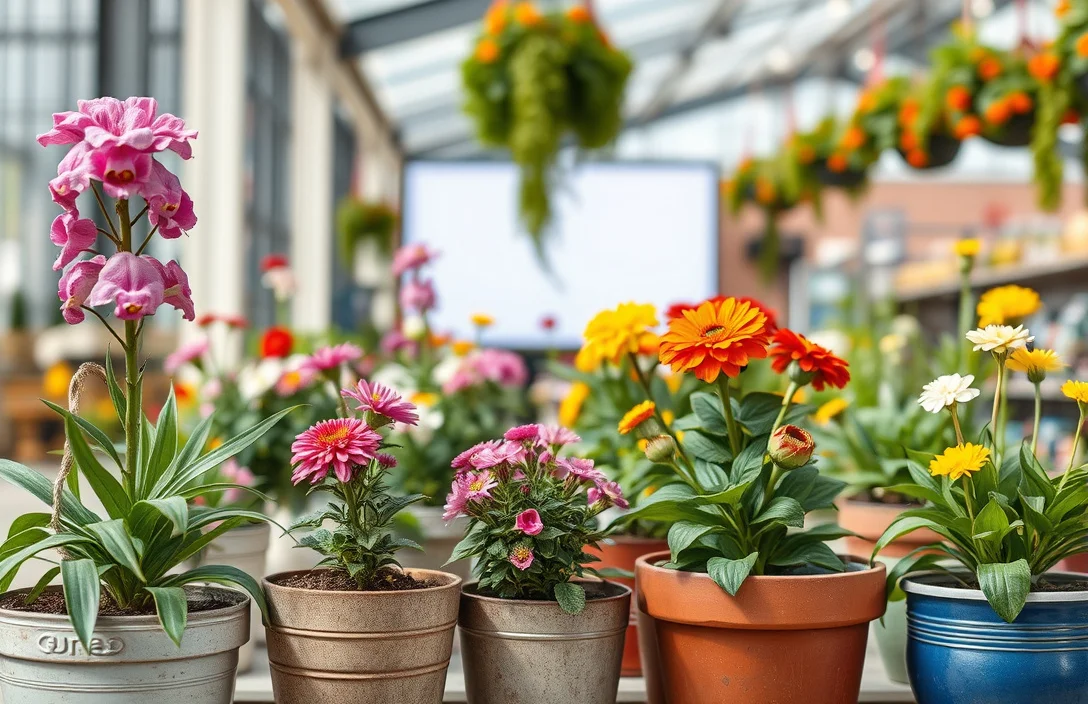
The easiest route to thriving pot flowers is choosing plants that tolerate container life: consistent moisture, regular feeding, and the occasional temperature swing. In the US, that usually means annuals and hardy perennials grown as container plants, because they’re selected for bloom and compact growth. If you’ve bought a “pretty” plant that browned out quickly, it was usually a light or watering mismatch, not bad luck.
Do a quick site check first. A south-facing patio can bake in summer, while a north-facing corner may look bright but behave like shade much of the day. Wind matters, too. It speeds evaporation and dries pots sooner than you expect.
For pot success, focus on these fundamentals:
- Drainage first. If water can’t escape, roots suffocate and rot.
- Use potting mix, not garden dirt. Container mixes are lighter and drain better.
- Control plant density. Crowding creates dry patches and raises mildew risk.
Thriving container plants keep blooming, bounce back after watering changes, and grow well in confined roots. That’s why petunias, calibrachoa, geraniums, marigolds, begonias, impatiens, and fuchsias keep showing up in dependable container gardens.
Best Sun-Loving Pot Flowers for Bright Patios
For bright patios and full sun, choose flowers that can handle longer direct light and faster drying. The most reliable sun pot flowers are the ones marketed as sun-tolerant annuals with vigorous growth and continuous blooms. Petunias, calibrachoa, and trailing begonias can look great, but true sun-lovers need more direct hours to perform at their best.
Go for one “main character” plus one supporting texture. Use a compact upright anchor like a flowering geranium or marigold, then add a trailing variety to spill over the rim. This layering trick keeps the pot looking full as plants grow at different speeds.
Strong sun choices for containers usually include:
- Petunias (including wave-style types for spill)
- Calibrachoa (often called million bells, great for cascading)
- Geraniums (zonal types are classic for pots)
- Marigolds (upright, tough, bloom-forward)
- Lantana (especially in heat, often long-blooming)
- Portulaca (excellent for hot, dry conditions)
Real-world note: in the US, “full sun” commonly means about 6+ hours of direct light. If your patio gets closer to 3-4 hours, petunias can still work, but you’ll usually get better results by shifting toward the bright-shade options below.

Helpful pick
Der Rose 3 Pack Mini Potted Fake Plants Artificial Plastic Eucalyptus Plants Topiaries for Home Office Desk Farmhouse Shelf Room Bathroom Decor(Sage Green)
Compact, sun-friendly faux greenery that stays vibrant in sunny patios and bright patio planters.
Top Shade-Tolerant Flowers for Indoor or Covered Pots
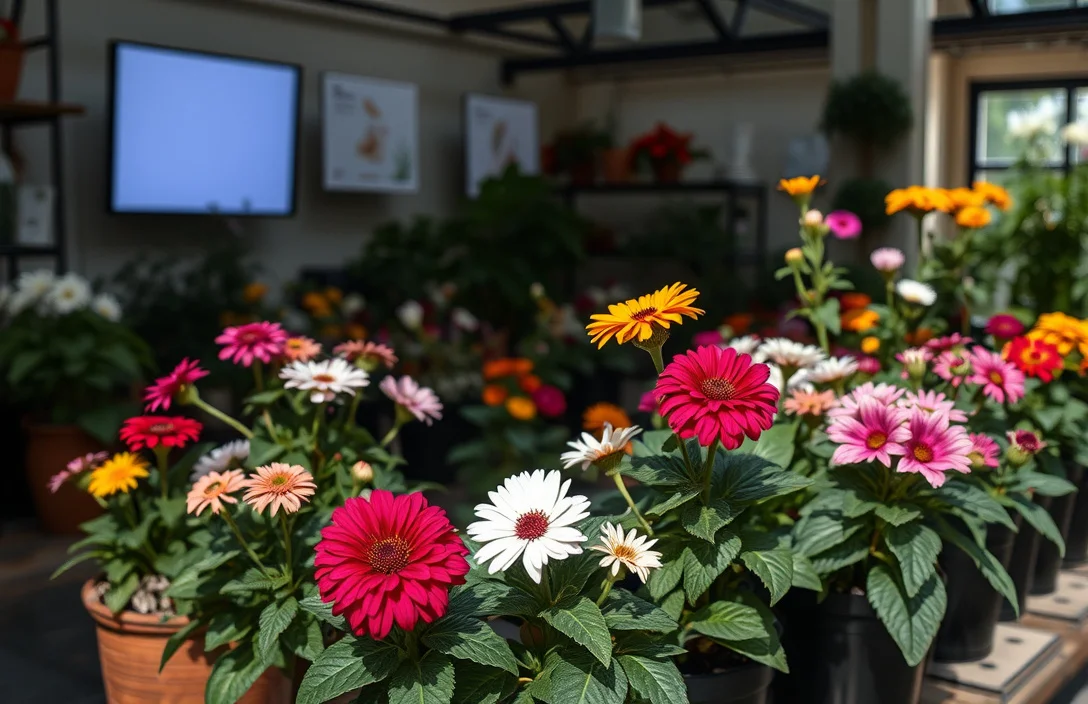
Shade-tolerant flowers for covered patios and indoor pots need steady moisture and consistent (often brighter-than you think) light. Many plants labeled “shade” still require bright light to keep blooming. The most common indoor container mistake is placing flowers too far from the window, then watering more often. That can lead to root problems instead of better growth.
Even on covered outdoor patios, wind can dry pots faster than you expect. Use the same dryness-check routine you’d use in full sun, but adjust watering swings. Indoors, evaporation slows down, but light is often weaker. Growth can stall if the light isn’t bright enough.
Good options for shade or lower-light containers:
- Begonias (wax begonias and tuberous types vary, but many do well in bright shade)
- Impatiens (great in shade, especially cooler conditions)
- Fuchsias (often happiest in part shade)
- Coleus (grown for foliage, but many still flower while staying compact)
- Some indoor-friendly flowering plants (the best match depends on window brightness and humidity)
Bright shade is the sweet spot. It means strong indirect light, like under an awning with reflected light from nearby walls or floors. That’s where begonias and impatiens tend to shine.
Fast-Flowering Container Picks for Pollinators
Choose container flowers with open blooms, bright color, and ongoing flowering if you want fast blooms that attract pollinators. Pollinators respond when plants offer a reliable nectar and pollen supply, and container flowers can do that when they get enough light and aren’t neglected.
Skip the plants that look great but make it hard for insects to access nectar, like some overly complex double blooms. Also plan for the season: pollinators show up at different times, so you’ll get better results when something is blooming throughout the period you care about. One pot with a single flowering type works, but mixed containers often keep a steadier bloom.
Fast, container-friendly pollinator favorites often include:
- Marigolds (frequently visited by beneficial insects)
- Lantana (long-blooming and very popular with pollinators)
- Zinnias in pots (compact varieties work well)
- Calendula (if the light and temperature fit your conditions)
- Salvia (depending on your local climate and whether your pot dries correctly)
A simple mix rule: pick one pollinator-friendly star for daytime visits and one for later-season interest. Keep the pot full but not crowded, because airflow affects plant health.
Pollinator plants also need consistent watering early on, especially right after transplanting. If the soil swings from soggy to bone-dry, flowers can drop faster, which reduces the food supply for insects.
Heat and Drought Tolerant Options for Summer
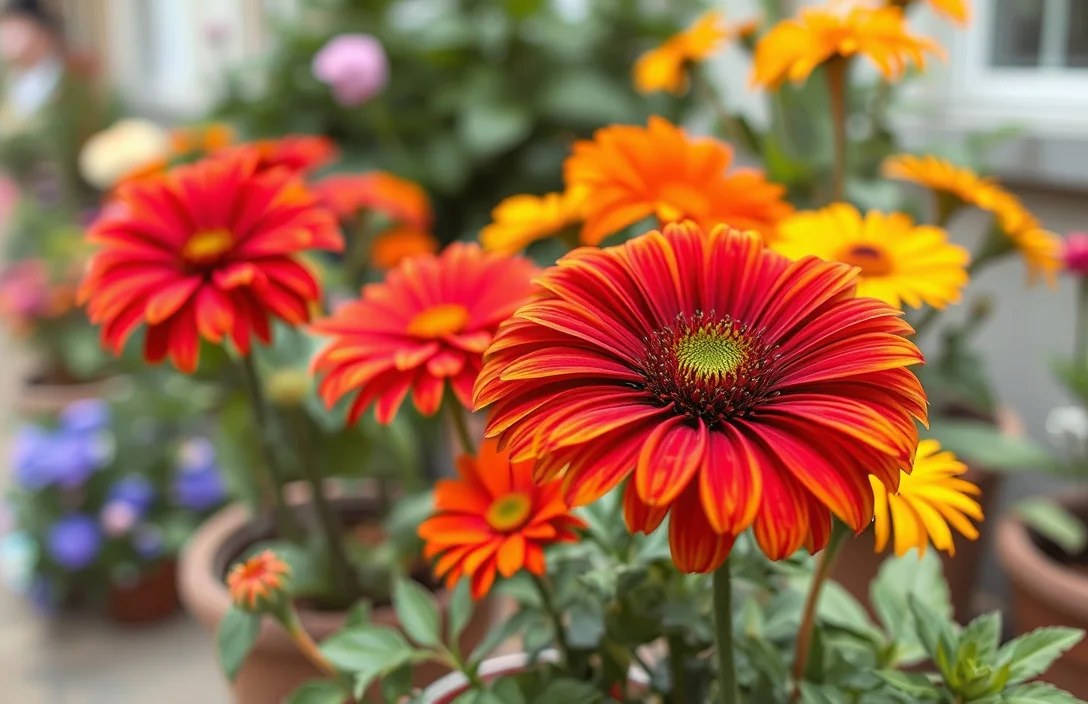
Heat and drought tolerant flowers are a lifesaver on patios that bake in summer. In containers, “drought tolerant” doesn’t mean “never water.” It usually means the plant can survive short dry spells without collapsing or stopping bloom.
For hot, dry conditions, prioritize plants with thicker leaves or varieties bred for heat. Portulaca is a classic example, and lantana is another go-to because it handles high temperatures and keeps producing flowers when other annuals fade.
A practical heat-proof shortlist:
- Portulaca (great for hot spots, especially with minimal shade)
- Lantana (handles heat well and keeps producing flowers)
- Marigolds (often reliable under stress if drainage is excellent)
- Some geranium types (best with sun and careful watering)
Even drought-tolerant container plants need water while they establish. Once roots spread, you can let the top inch of potting mix dry before watering again. During the hottest weeks, small pots may still need daily or near-daily watering, even for drought tolerant flowers, because containers dry quickly.
How Big Should Pots Be for Each Flower Type
Pot size is the difference between “beautiful for a few weeks” and “keeps blooming all season.” Too little root space makes plants dry out fast and run out of nutrients quickly. That usually shows up as wilting, leaf burn, and fewer flowers. Bigger pots buffer moisture and temperature swings, so blooms last longer.
Pot size also depends on plant habit. Compact upright plants need less room than sprawling or trailing ones. As a broad US container rule, most flowering annuals do better in medium to large pots rather than tiny containers.
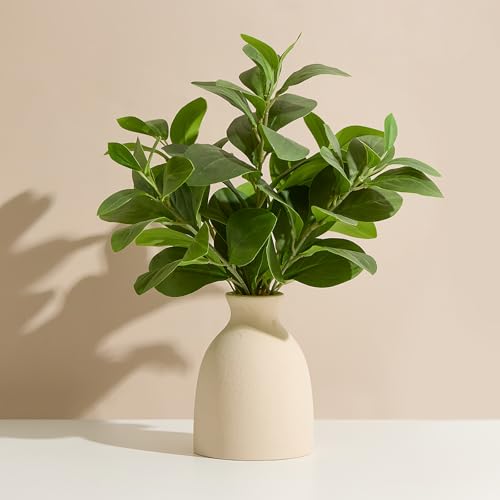
Helpful pick
Amore Florals 16″ Artificial Eucalyptus Stems Potted Plant Indoor Fake Plants – Realistic Greenery with Vase, Small Artificial Office Desk Plants in Pots for Home Decor Weddings Centerpieces
This potted arrangement demonstrates scale and container fit, helping readers gauge pot size for flowering plants.
Use this practical sizing guide:
| Flower type (common in pots) | Pot size that usually works | Best for |
|---|---|---|
| Marigolds, compact geraniums | 10-12 inch | Full-sun patio pots |
| Petunias (upright or compact) | 10-12 inch | Frequent bloom, rim planters |
| Calibrachoa (cascading types) | 10-12 inch | Trailing baskets and large pots |
| Begonias (many types) | 8-10 inch | Shade and covered areas |
| Impatiens | 10-12 inch | Consistent moisture shade pots |
| Fuchsias | 10-12 inch | Indoor bright light or part shade |
| Lantana | 12-14 inch | Heat tolerance, bigger root needs |
| Portulaca | 8-10 inch | Small pots for hot, dry spots |
| Zinnias (compact) | 10-12 inch | Pollinator-friendly blooms |
For a faster payoff, use fewer plants per pot. A crowded pot can look great at first and then becomes a watering mess. For most container gardens, one center plant plus one trailing plant (or one filler) is easier to manage than a pot full of equal-sized specimens.
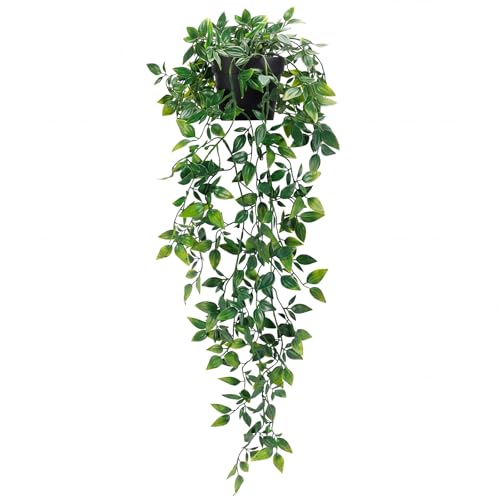
Helpful pick
Whonline Fake Hanging Plants, Artificial Small Potted Plants for Indoor Outdoor Aesthetic Office Living Room Shelf Decor (1 Pack)
Ideal for trailing, compact greenery in pots or hanging setups that mirror the calibrachoa option.
Soil and Watering Schedules for Potted Blooms
Potted flowers do best in soil that drains well but still holds enough moisture for steady roots. That’s why quality potting mix beats garden soil in containers. Garden soil compacts, reduces oxygen to roots, and creates uneven watering even when you water “right.”
Water on dryness, not the calendar. Stick your finger in the soil near the edge about 1 inch down. If the top inch is dry, water thoroughly until you see water drain from the bottom. If it’s still moist, wait and check again in a day or two.
A reliable watering workflow:
- Feel the soil at 1 inch depth.
- Water deeply until runoff starts.
- Let it drain fully before returning it to a saucer.
- Adjust for heat – small pots may need daily watering during peak summer.
- Watch the plant – drooping can mean thirst or stress, but soggy soil can also cause limp growth.
Fertilizer and watering work together in containers. Every time you water, you can leach nutrients out, especially after heavy rains on outdoor pots. Container bloomers usually need regular feeding, often every couple of weeks with a fertilizer intended for flowering plants. The right frequency depends on the fertilizer type and strength.
For indoor pots, water more gently. Pots dry slower indoors because evaporation is lower, and growth can slow in winter or low light. If you’re unsure, use the finger test and water only when the top inch dries.
If you use saucers, be careful with standing water. A saucer that keeps pooled runoff around the bottom of the pot can keep the root zone damp too long and increase root-rot risk. Empty saucers after watering runoff.
FAQ
What are the easiest flowers to put in pots?
Pick sun-tolerant annuals like marigolds and geraniums for full sun, or begonias and impatiens for bright shade. Use a pot with drainage holes, fill it with potting mix, and water when the top 1 inch dries. Those steps prevent the two biggest beginner problems: soggy roots and nutrient starvation.
Do potted flowers need fertilizer even if I buy potting mix?
Yes. Most potted flowers benefit from fertilizer because container soil runs out of nutrients faster than in-ground soil. Potting mixes often include some nutrients at first, but regular watering leaches them out. Use a flowering-focused fertilizer and follow the label for how often to apply.
How often should I water flowers in pots during hot summer weather?
Check dryness instead of using a fixed schedule. In peak heat, small pots often need water daily. Larger pots may need it every 2-3 days. Water deeply until runoff, then let the pot drain fully to avoid root problems.
What’s the biggest mistake people make with flowers in pots?
Using a pot without drainage holes or leaving a saucer full of runoff water. Both trap moisture around roots and lead to rot, even when you water correctly. Prioritize drainage and use the finger test before watering again.
Can I grow pollinator flowers in containers if I have little space?
Yes. Choose compact varieties like marigolds, lantana, or smaller zinnias and dedicate one container to steady flowering. Even one pot can attract pollinators when it gets enough light and blooms reliably. Keep up with steady care, because stressed plants drop flowers and reduce nectar availability.

- 10 Best Slow Cooker For Slow Cooking Legumes 2026 (Tested And Reviewed) - October 17, 2026
- 10 Best Slow Cooker For Slow Cooking Oxtail 2026 (Tested And Reviewed) - October 16, 2026
- 10 Best Slow Cooker For Slow Cooking Venison 2026 (Tested And Reviewed) - October 16, 2026