Make Sticky Rice In A Rice Cooker In 4 Easy Steps
Sticky rice is picky because it’s made to turn chewy and clump, not fluffy. In a rice cooker, “sticky” usually comes down to three things: picking the right rice, rinsing and soaking correctly, and using a consistent water ratio. This guide walks you through those choices so your batch comes out tacky and tender instead of wet.
Sticky rice in a rice cooker works best with glutinous (sticky) rice. Start with a 30-minute soak, use a measured water ratio, and fluff gently. Most rice cookers do well starting at about 1 cup rice to 1.25 to 1.5 cups water, then fine-tune after a test batch.
Key Takeaways
- Use glutinous rice. Regular long-grain rice won’t give sticky, clumpy results.
- Soak for chew. Soak 30 minutes for better texture and more even cooking.
- Measure water closely. Start near 1 cup rice to 1.25 to 1.5 cups water.
- Don’t add water “just to be safe.” Too much water makes sticky rice gummy and soggy.
- Fluff gently. Lift with a rice paddle instead of stirring hard.
- Fix misses fast. Undercooked needs steaming time; mushy needs less water next time and drying/heat control right then.
Make Sticky Rice in a Rice Cooker Without Soggy Results
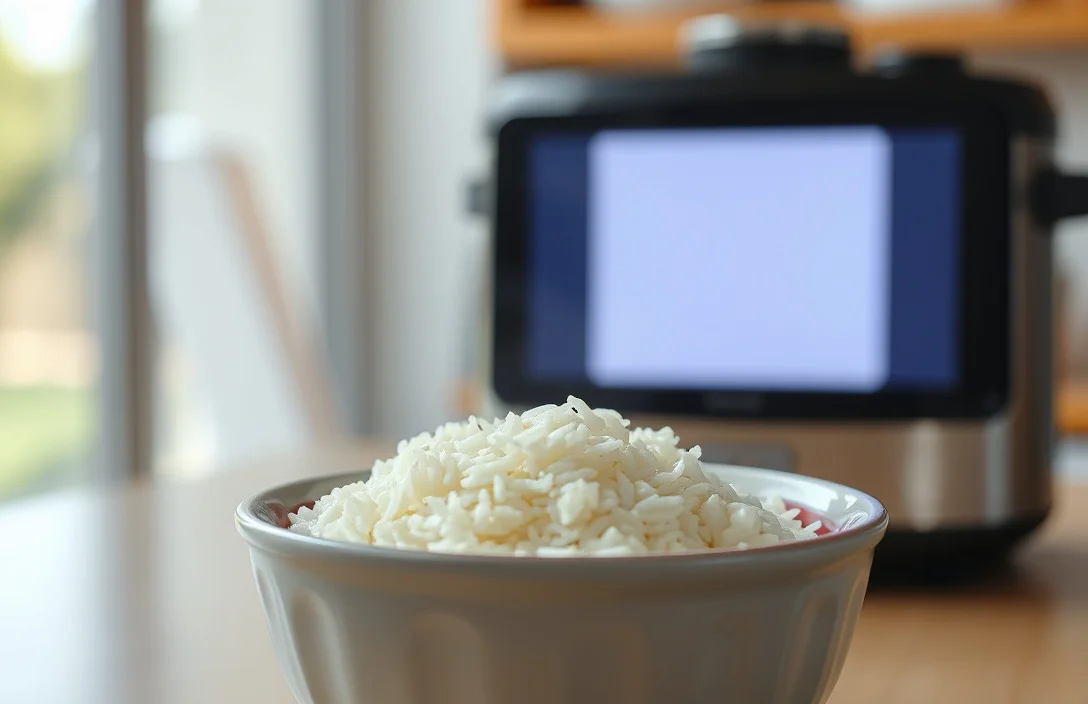
No fancy add-ons are needed. A good rice-cooker method hydrates the grains first, cooks with enough water to soften them through, and then avoids leaving the rice sitting in extra liquid. Sogginess usually happens when people skip soaking, overfill the pot, or leave the rice on “keep warm” for too long.
Start with glutinous (sticky) rice, not jasmine or sushi rice. Rinse by volume (cups) until the water runs less cloudy, then soak so the cooker doesn’t have to hydrate everything at once. After cooking, rest briefly and fluff. If your cooker keeps cooking after the timer ends, reduce water slightly next batch.
“Soggy” can mean two different outcomes. If the rice looks wet and forms a paste-like clump, you likely used too much water or kept it on “keep warm” too long. If it’s swollen but still has firmer centers, your soak was too short or it needs a little more steaming after cooking.
Which Rice Works Best for Sticky Rice Texture
Sticky rice texture comes from the grain type. Use glutinous (sticky) rice, often labeled “sweet rice” or “Thai sticky rice.” It’s higher in starch that turns chewy and cohesive when cooked, which is what makes mango sticky rice, rice balls, and clumpy Thai-style servings work.
Don’t swap in regular white rice and expect the same behavior. Long-grain rice can taste soft, but it won’t form the stretchy, sticky clumps because the starch and grain structure are different. Even “short-grain” isn’t automatically the same thing. If the package doesn’t say glutinous, assume it won’t deliver that classic stickiness.
Within glutinous rice, pick what’s easiest to find and stays consistent from bag to bag. Grain size affects how fast water penetrates, so once you find a brand that works, stick with it for your next trial. Sticky rice rewards consistency more than perfection on the first try.
Rinse and Soak Times for Perfect Stickiness
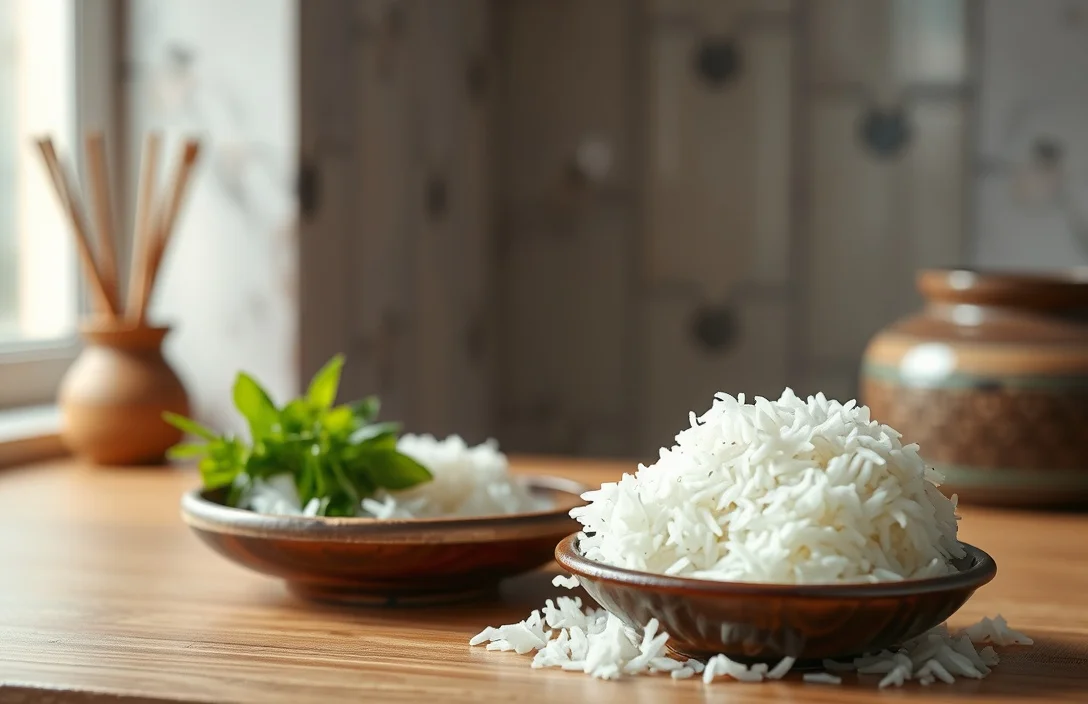
Rinsing removes surface starch that can make rice gummy or cook unevenly. Rinse in a bowl or fine mesh strainer with cool water, swishing by hand until the water turns much less cloudy. This helps separate grains before hydration, supporting clumping without turning into paste.
Soaking is the texture lever in a rice cooker. A 30-minute soak is a practical starting point for most people because it hydrates the grains without making them soft before cooking. If you skip soaking, you can still cook sticky rice, but expect more variation, especially firmer centers.
Drain soaked rice well before it goes into the pot. Pouring soaked rice in with extra water is one of the sneakiest ways to end up with soggy rice because you effectively add “free water” on top of your measured ratio. Also avoid soaking so long that the rice turns mushy to the touch before it hits heat.
A simple timing plan:
- Rinse until water is less cloudy, about 1 to 2 minutes of swishing.
- Soak 30 minutes.
- Drain thoroughly before adding to the cooker.
Water Ratio for Sticky Rice in a Rice Cooker
Water ratio is the line between “clumpy and chewy” and “wet and heavy.” A common baseline for many rice cookers is 1 cup glutinous rice to 1.25 to 1.5 cups water. If you want firmer, chewier sticky rice, start around 1.25. If you want softer rice for desserts, lean toward 1.5.
Rice cookers vary, so treat the first batch as a test. Measure once, note what you used, and adjust on the second batch with small water changes. If the rice turns soupy, reduce water next time rather than trying to fix it with extra time immediately.
Make sure your “water” matches your cup measurement. Drain soaked rice well so you don’t accidentally exceed your ratio. If you skip soaking, you may need more water, but start carefully because excess water is the quickest path to sogginess.
Quick guide:
| Rice (glutinous) | Starting Water | Texture Goal |
|---|---|---|
| 1 cup | 1.25 cups | Firmer, chewier clumps |
| 1 cup | 1.5 cups | Softer, more tender sticky rice |

Helpful pick
Elite Gourmet ERC-003X Electric Rice Cooker with Automatic Keep Warm Makes Soups, Stews, Grains, Hot Cereals, 6 Cups Cooked (3 Cups Uncooked), White
This cooker handles standard sticky-rice ratios, letting you apply the section’s 1.25–1.5 water guidance confidently.
Should You Use the Steam or Cook Cycle Settings?
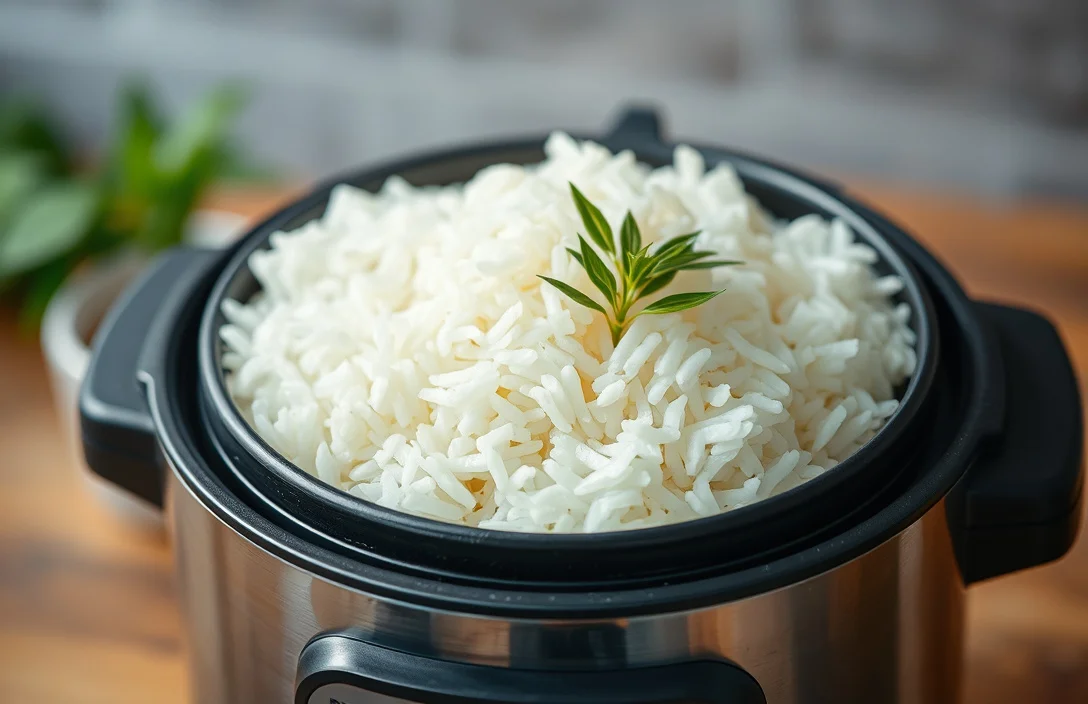
Use the cooker’s cook cycle first when you want consistent, hands-off results. Steam-only methods can work, but they often require more attention because the rice still needs full hydration through the grain. Most rice cookers are set up so the cook cycle handles water absorption and starch gelatinization more evenly.
If your cooker has “porridge,” “brown,” or “steam” modes, don’t assume the best-sounding name wins. “Steam” can leave centers undercooked unless you extend steaming time, while “cook” usually gives more dependable hydration. When in doubt, start with the standard cook cycle using the water ratio you chose. Use a short rest or extra steaming only if it’s clearly not done.
Let the rice rest in the pot for a few minutes after cooking. Sticky rice firms up as starches set. Fluff immediately and aggressively, and clumps can break – you may also perceive the rice as “wet” even when it’s close to done.
If you want insurance against undercooked centers, use this sequence: cook cycle, then a short steam/rest period before fluffing. It gives fully cooked softness without the soggy effect that comes from adding too much water.

Helpful pick
Rice Robot Personal Rice Cooker, PFAS-free, Nonstick. 1 Quart Capacity, with Stainless Steel Steamer Tray, Measuring Cups, Recipe Book with 60 Recipes, and Serving Spoon, As Seen On TV
Includes a stainless steel steamer tray to compare steam methods against the cook cycle.
How to Fluff Sticky Rice Without Breaking Clumps
Fluffing can make or break sticky rice because the starch wants to stick. Rest the rice briefly after cooking, then fluff gently. Use a rice paddle or spatula and lift rather than stir.
Avoid aggressive stirring. It can collapse surface clumps and turn the rice into a wet-looking mass, especially while it’s still hot and steamy. Lightly scrape from the bottom and fold over in a few gentle passes. Stop when clumps are even but still tacky.
Serve as-is for meals and fluff only until it’s portionable. If you’re making things that need to stick together, like rice balls, you want less separation – fluff less and keep larger clumps intact.
Technique that works:
- Rest 5 to 10 minutes after cooking.
- Lift with a paddle, rotate, and lift again.
- Don’t repeatedly “mix” the same spot.
- Serve soon, because keeping sticky rice on warm too long makes it feel wet and overly soft.

Helpful pick
BLACK+DECKER Rice Cooker 6-Cup (Cooked) with Steaming Basket, Removable Non-Stick Bowl, White
A removable non-stick bowl helps you lift and fluff sticky rice without tearing the grains.
Fixing Undercooked or Mushy Sticky Rice
Undercooked sticky rice feels firm inside, even if the outside feels soft. Fix it with steam time, not more water. Sprinkle a little water on top (no flooding), cover, and run a short steam or keep it covered off-heat until the centers soften.
Mushy sticky rice usually comes from over-hydration or too much warm/held time. The fix is counterintuitive: don’t add more heat to “cook off” extra water in a soaking way. Spread the rice gently to reduce trapped steam, then let it sit uncovered for a few minutes. It loses surface moisture and firms up slightly.
If it keeps turning mushy, reduce your next water ratio first. If it keeps coming out undercooked, increase soak time slightly (for example, from 30 minutes toward longer soaking) and consider a brief steam/rest after the cook cycle. Most sticky rice problems trace back to water amount or how long the grains hydrate before cooking.
Make only one change per batch. Adjusting water ratio, soaking time, and cook mode all at once means you won’t know which lever fixed (or caused) the problem. Write down what you changed so you can repeat the win.
FAQ
What is the best rice for sticky rice in a rice cooker?
Use glutinous (sticky) rice, often labeled “sweet rice” or “Thai sticky rice.” Regular long-grain rice won’t become properly clumpy because it has different starch behavior. If the package doesn’t say glutinous or sticky rice, expect a different texture.
How long should I soak glutinous rice before cooking?
Soak for 30 minutes as a reliable starting point. Soaking hydrates the grains evenly, which reduces firmer centers and improves clumping. Drain well after soaking so extra water doesn’t push the batch into soggy territory.
What water ratio should I use for sticky rice?
Start with 1 cup glutinous rice to 1.25 to 1.5 cups water. Use about 1.25 for firmer chew, and about 1.5 for softer sticky rice. If results are consistently too wet, reduce water slightly on the next batch.
Can I use the steam setting instead of the cook cycle?
You can, but it usually takes more time and attention to fully cook through. For most people, use the cook cycle first for more even hydration, then do a short rest or steam step only if needed. Steam-only cooking often leaves centers undercooked unless you extend steaming carefully.
What’s the most common mistake when making sticky rice in a rice cooker?
Using too much water (or leaving soaked rice with extra water still clinging to it) is the most common cause of sogginess. Over-soaking without draining can add hidden water too. Measure rice and water, drain soaked rice well, and avoid keeping it on warm for too long.

- 10 Best Slow Cooker For Slow Cooking Legumes 2026 (Tested And Reviewed) - October 17, 2026
- 10 Best Slow Cooker For Slow Cooking Oxtail 2026 (Tested And Reviewed) - October 16, 2026
- 10 Best Slow Cooker For Slow Cooking Venison 2026 (Tested And Reviewed) - October 16, 2026