Rice Measuring Cup For Rice Cooker Explained Simply
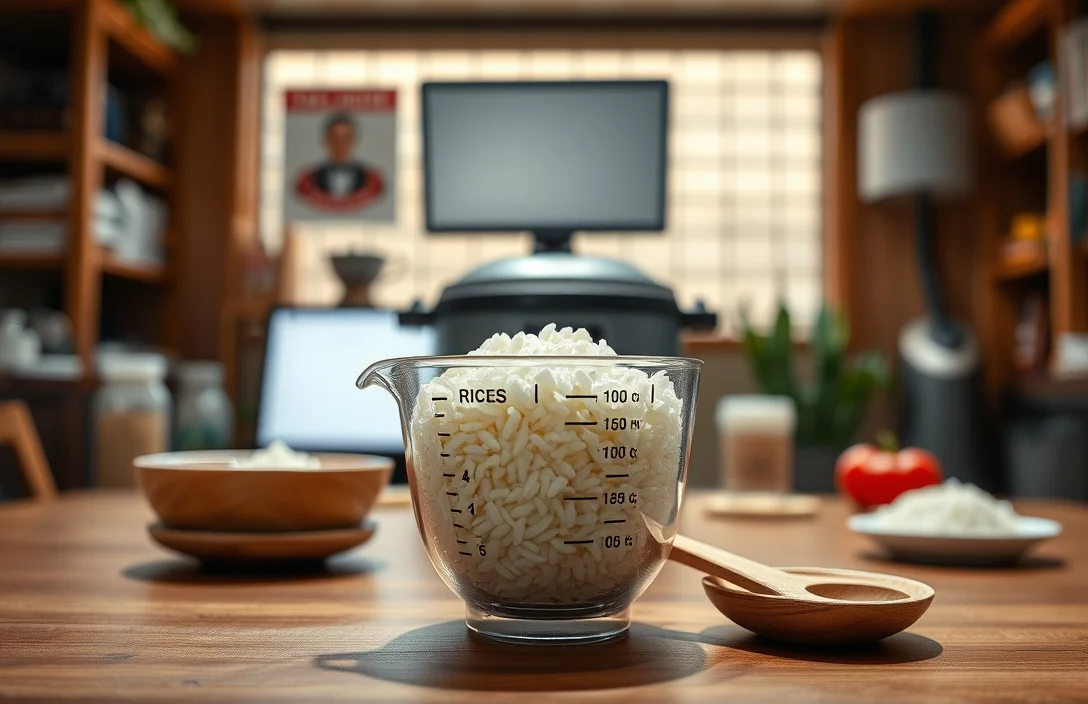
A rice cooker’s “cup” is usually a specific volume measurement, and using a standard kitchen cup can throw off the water-to-rice ratio. A dedicated rice measuring cup also makes it easier to hit consistent results across servings. This guide explains what the rice measuring cup is for, how to measure correctly, and how to choose a replacement that matches your rice cooker so every batch comes out right.
Rice measuring cups for rice cookers are sized to match the cooker’s water line, usually measuring a smaller “cup” than standard 8 oz (240 ml) cups. Use the included rice cup for your exact rice cooker, then rest the cooked rice 5 to 10 minutes before serving for better texture.
Key Takeaways
- Use the cooker’s cup. Measure rice with the cup that came with your rice cooker, because it sets the water ratio.
- Don’t swap kitchen cups. A standard 8 oz cup can change the ratio and lead to undercooked or mushy rice.
- Match rice type. White rice and brown rice need different water amounts, and cook times vary from 15-20 minutes up to 35-40 minutes.
- Level the rice. Fill and level the cup the same way every time to reduce batch-to-batch variation.
- Rest the rice. Let rice rest 5 to 10 minutes after cooking, then fluff before serving.
- Get a correct replacement. When buying a new cup, look for “for [brand/model]” compatibility so the volume matches your cooker.
What a rice measuring cup does (and why it’s not interchangeable)
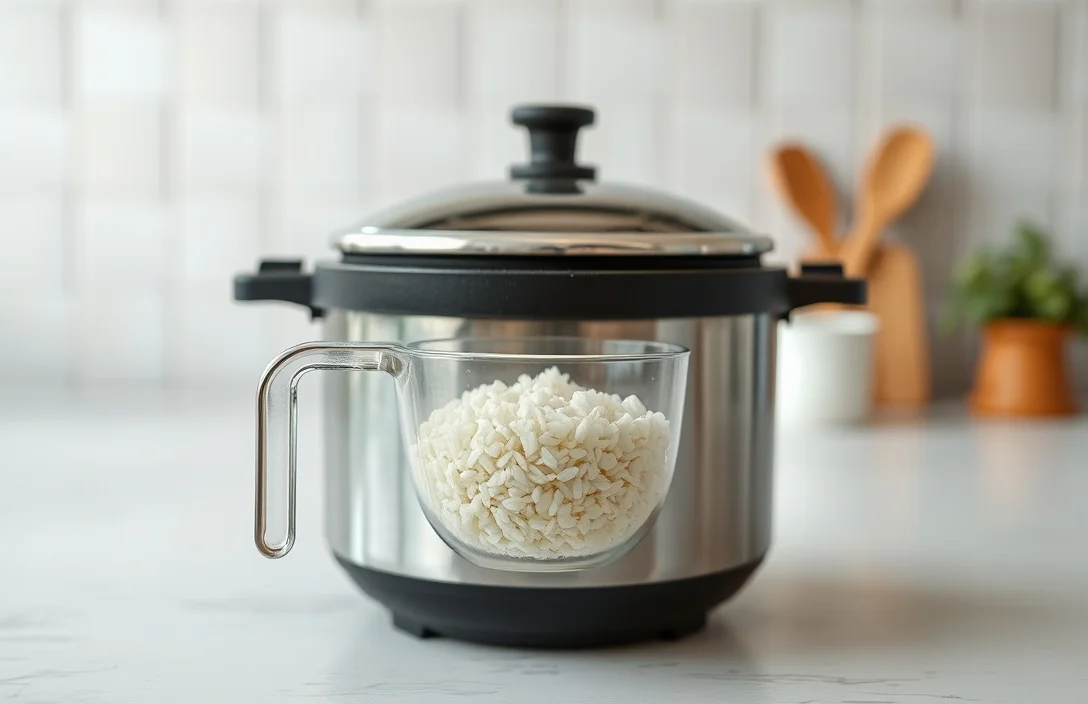
A rice measuring cup for a rice cooker is the tool that makes the cooker’s “cups” meaningful. Most rice cookers are calibrated around a specific rice cup volume and the matching water lines on the inner pot. Use a standard measuring cup instead, and the water-to-rice ratio shifts, which shows up quickly in texture.
Rice absorbs water differently depending on the type. On the stove, short-grain white rice often uses 1 cup rice to 1 1/4 cups water, while brown rice often uses 1 cup rice to 2 cups water (varies by type). Rice cookers bake those expectations into their markings and preset logic, so the measuring cup matters.
The “right” measuring cup is the one that matches your cooker’s instructions. If your cooker includes lines like “4” or “5,” those numbers assume you filled the rice cup to the brim, leveled it, and used it for that serving count. Swap in a different cup size and those lines stop lining up.
how you fill and measure
Measure rice using the exact cup your rice cooker uses. Many cookers include a small plastic cup because the internal ratio is tuned to that volume. When you follow the cooker water line with that same cup, your water-to-rice ratio stays consistent.
Leveling matters as much as the cup itself. A slightly heaping cup can shift the batch toward drier or uneven rice. If you usually scoop and mound rice, switch to a fill-and-level approach – wipe across the top, or lightly tap and level – so you measure the same amount every time.
Keep rice type in mind, too. White rice and brown rice have different water needs and different cook times (for example, many white varieties land around 15 to 20 minutes on the stove, while brown rice is often 35 to 40 minutes). Even if your rice cooker has presets, using the correct measurement helps those presets deliver what the cooker expects.
Rest time finishes the job. After cooking, let rice rest for 5 to 10 minutes, then fluff gently with a fork. That step helps redistribute moisture so the rice isn’t wet on the surface or hard in the center.
Quick routine tips that make rice come out right
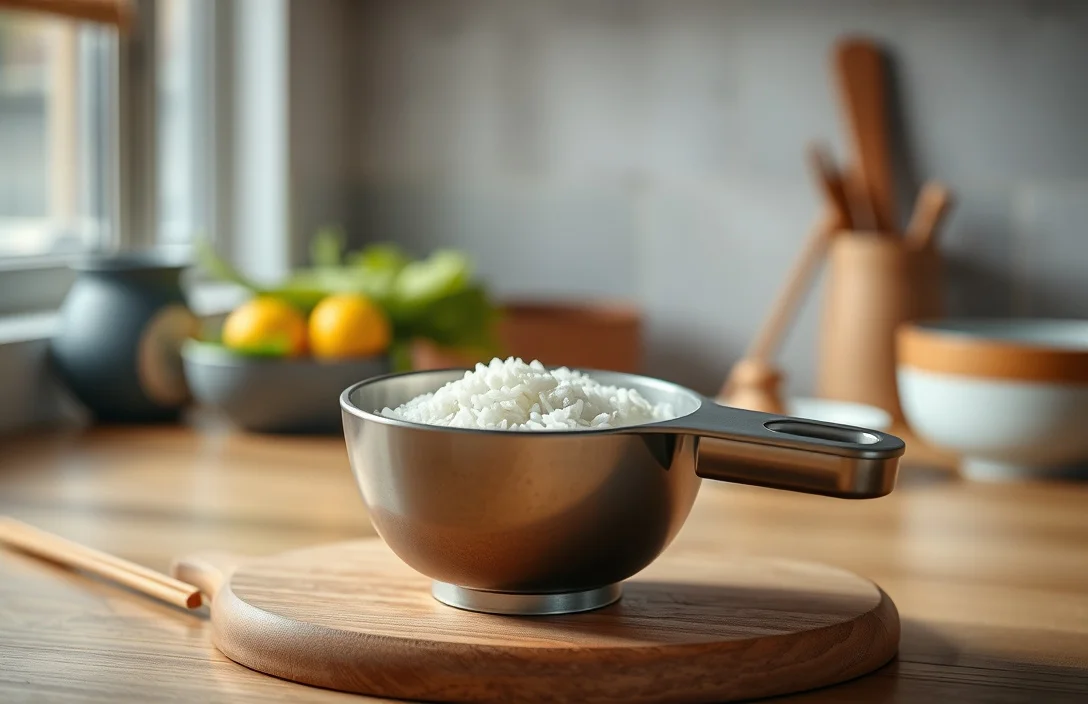
Mark your “good” method and repeat it. Use your cooker’s rice cup to measure rice, then immediately add water to the corresponding line (like “2” rice cup line for 2 cups of measured rice). If you measure rice first and decide on water later, you’ll get more variation.
Rinse with intention, but measure dry rice. Rinsing removes excess surface starch, which can improve texture and reduce gumminess for many styles of rice. Rinsing also adds water that can change the ratio if you drain inconsistently. Many people rinse, drain, then measure – the key is keeping that routine stable.
Adjust for add-ins without changing the base measurement. Salt, oil, and broth can affect absorption rate. Keep the rice-to-water base correct using the rice cup and water line, then follow your recipe for seasoning and any deliberate water adjustments.
Don’t skip the rest step. If you want fluffy rice, the 5 to 10 minute rest after cooking is non-negotiable. This is where the rice finishes absorbing water, and it’s one of the easiest process fixes when rice turns out too wet or too firm.
If your cooker came without a cup (or you lost it), don’t guess. Buying “any rice cup” is a common mistake because volumes can differ. Look for a replacement described for your brand or model, or measure the cup’s capacity and compare it to your cooker manual.
What you gain from using the right cup
Using the right rice measuring cup is about consistency, not gimmicks. When the measuring cup matches the cooker’s calibration, the water line and rice quantity align – so you spend less time asking why one batch came out different from the last.
A dedicated rice measuring cup also speeds up daily cooking. You avoid extra math like “how many ounces is one cooker cup?” and you stop reaching for a generic kitchen cup that doesn’t match the cooker’s markings. That makes it easier for anyone in your household to follow the same method.
Better measurement also improves texture. Too much water can lead to rice that clumps or feels mushy, while too little water can leave rice undercooked or dry. Because cookers depend on predictable absorption, using the calibrated cup reduces those failure modes.
It also makes troubleshooting simpler. When you change only one variable at a time – rice type, rinsing routine, or resting time – you can spot what actually caused the problem instead of wondering whether your measurements were off.
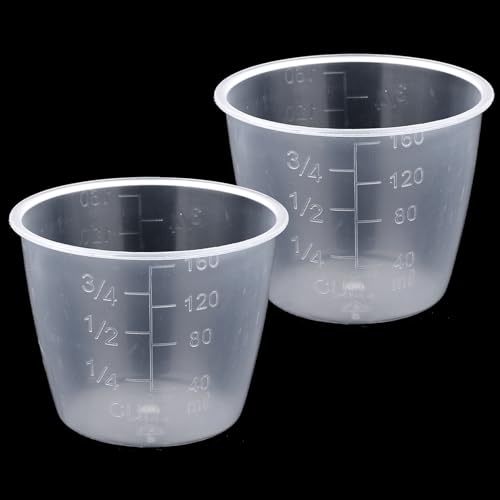
Helpful pick
2PCS Rice Measuring Cup for Rice Cooker 160 ml Plastic Transparent Rices Cooker Cup Small Laundry Measuring Rices Cups Replacement for Measuringe Dry Liquid Ingredient Measuringe Cups
Helps maintain consistency by matching your cooker’s calibration, so water and rice stay aligned.
Picking a replacement
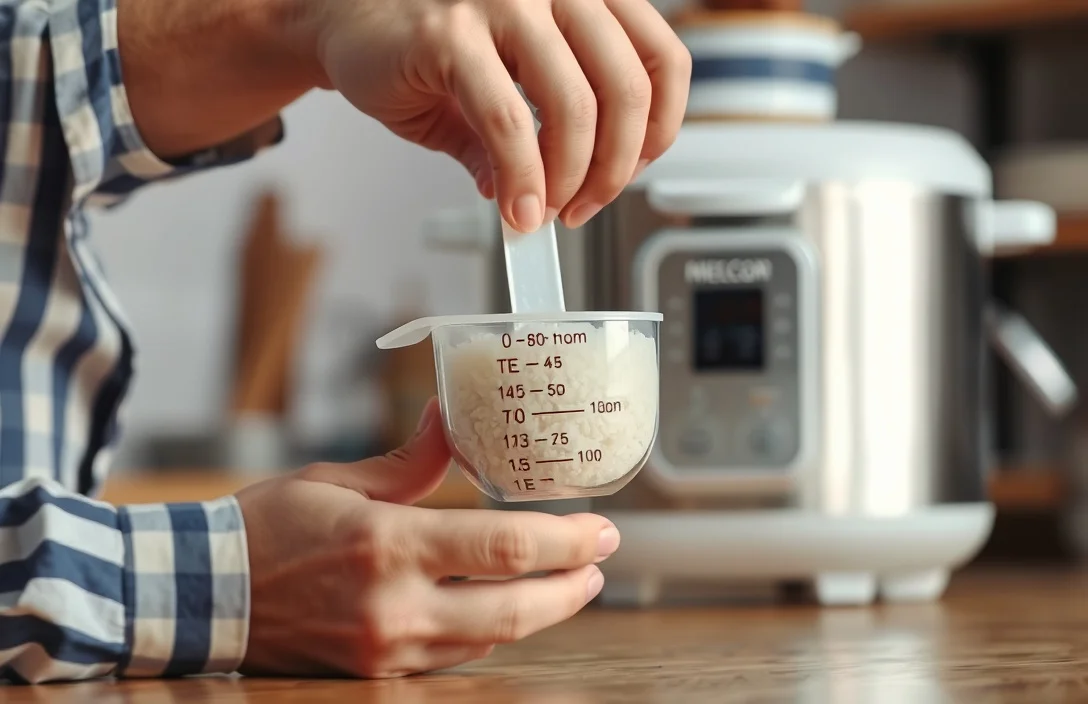
Your main options are “replacement for your exact cooker” and “compatibility by volume.” Both can work, but they solve different problems.
If you’re replacing a lost cup, the simplest path is a branded replacement cup that states it matches your cooker model or brand. That’s usually the closest match to the inner-pot water lines and the cooker’s assumptions.
If you’re buying generically, verify capacity before you commit. The key is matching the rice cup volume your cooker expects. Some people measure by adding water to the cup and comparing it to what the cooker’s water lines imply, but the best approach is still to follow your cooker’s instructions when it states the cup standard.
Here’s what to compare:
| Option | What to look for | Best for | Trade-off |
|---|---|---|---|
| Brand/model replacement cup | “For [brand/model]” compatibility | Lost cup, easy replacement | May cost more than generic cups |
| Multi-size rice cooker cup set | Cups labeled for different cooker “cups” | Families using multiple cookers | You may still need to confirm the exact volume |
| Generic single rice cup | Clear capacity in ml/oz (if listed) | Budget backup | Often lacks clear compatibility with water lines |
| DIY measuring method | Cup capacity verified against your cooker instructions | When nothing else matches | Takes time, but you get precision |
If you have two rice cookers, keep each cooker’s own cup. Mixing cups between models is a fast way to create inconsistent results.

Helpful pick
2 Pack Rice Measuring Cup Clear Bright Kitchen Brand Cooker Replacement Cup Plastic (2 Rice Cups)
Offers a direct replacement cup branded for cookers, simplifying selection by matching specific models and measurements.
The troubleshooting order that saves time
Match the measuring cup to the inner pot markings first. If your rice cooker’s pot has lines labeled by “cups,” those lines assume the cooker’s defined rice cup. Treat the cup as part of the measuring system, not as an interchangeable kitchen tool.
Then lock in a routine that removes human variation. Fill the cup to the same point every time and level it the same way. If you scoop and pack or leave rice mounded, you change the quantity – and it looks like a cooking problem when it’s really a measuring problem.
When texture is off, change the smallest variables in the best order. Start with the correct cup, then confirm water lines. After that, tighten rinsing consistency and rest time.
If you cook multiple rice types, expect different outcomes even with correct measuring. On the stove, short-grain white rice often cooks in 15 to 20 minutes and uses 1 cup rice to 1 1/4 cups water, while medium-grain and long-grain have their own ratios. Brown rice often needs 35 to 40 minutes and 1 cup rice to 2 cups water (varies). A rice measuring cup keeps things consistent, but you still need rice-appropriate settings and ratios.
Don’t ignore draining. If your process is rinse then measure, drain time affects the effective water amount in the pot. A consistent drain routine matters more than whether you rinse, as long as you follow a stable method.

Helpful pick
Daiso Japanese Rice Measuring Cup(180cc = 1 Gou Cup) Stainless Steel
Using the Daiso 180cc Gou cup ensures the cup matches your rice pot’s markings precisely.
how the wrong cup changes the result
If your rice cooker says “Cook 2 cups,” the included cup is smaller than your 1-cup liquid measuring cup. If you use the larger kitchen cup instead, you’ll likely add too much rice and end up with a mismatch to the water lines. The texture shows it – rice can turn dense or not fully cooked.
With correct cup measurements, you follow the water line for 2 cups, start the cooker, and rest for 5 to 10 minutes before fluffing. That rest step helps redistribute moisture so the rice feels fluffy instead of wet on the bottom.
With brown rice, keep the measuring routine consistent but adjust expectations. Brown rice takes longer than many white rice varieties. Common stove guidance is around 35 to 40 minutes for brown rice (varies by type). If your cooker preset is aggressive and the rice is still firm, adjust your brown rice program selection or the keep-warm timing.
If you’ve bought a generic rice cup “because it looks similar,” inconsistent results often come from volume mismatch. The fix is usually not changing the recipe – it’s matching the cup volume to your cooker’s water lines.
FAQ
How much is a rice cooker cup compared to a normal measuring cup?
Most rice cookers use a smaller “rice cooker cup” than a standard 8 oz (240 ml) kitchen cup. The exact volume varies by brand/model, so the best reference is the cup that came with your cooker or your cooker manual. If you use a standard measuring cup, expect the water ratio to be wrong.
Can I use a regular measuring cup instead of the rice measuring cup?
You can, but it usually leads to inconsistent results because rice cookers calibrate their water lines for their own cup size. If you want to substitute, verify the rice cooker cup’s volume first and use that exact capacity each time. Otherwise, you’ll likely see rice that is undercooked or mushy.
Does the rice cooker measuring cup affect cooking time?
The cook time setting depends on the cooker, but measurement affects how the cooker’s sensing process behaves. Too much rice or too much water can cause uneven texture even if the unit finishes “on time.” Get measurement right first, then rely on the cooker’s program.
What’s the biggest mistake people make with rice cooker cups?
Using the wrong cup size (for example, swapping in a standard kitchen measuring cup) and then following the cooker’s water lines anyway. The second biggest mistake is inconsistent leveling, where the cup is heaped sometimes and leveled other times. Consistent fill and level is the fix.
Is an extra rice measuring cup worth buying, or should I just eyeball it?
Buying a spare is worth it if you share the kitchen or lose things often, because it removes guesswork. Eyeballing defeats the water-to-rice ratio the cooker is designed around. If you lose the cup, replace it with one that matches your cooker’s brand/model to keep results stable.

- 10 Best Slow Cooker For Quick Preparation 2026 (Tested And Reviewed) - October 18, 2026
- 10 Best Slow Cooker For Family Meal Preparation 2026 (Tested And Reviewed) - October 18, 2026
- 10 Best Slow Cooker For Freezer Meal Preparation 2026 (Tested And Reviewed) - October 18, 2026