How Do You Make Sticky Rice In A Rice Cooker?
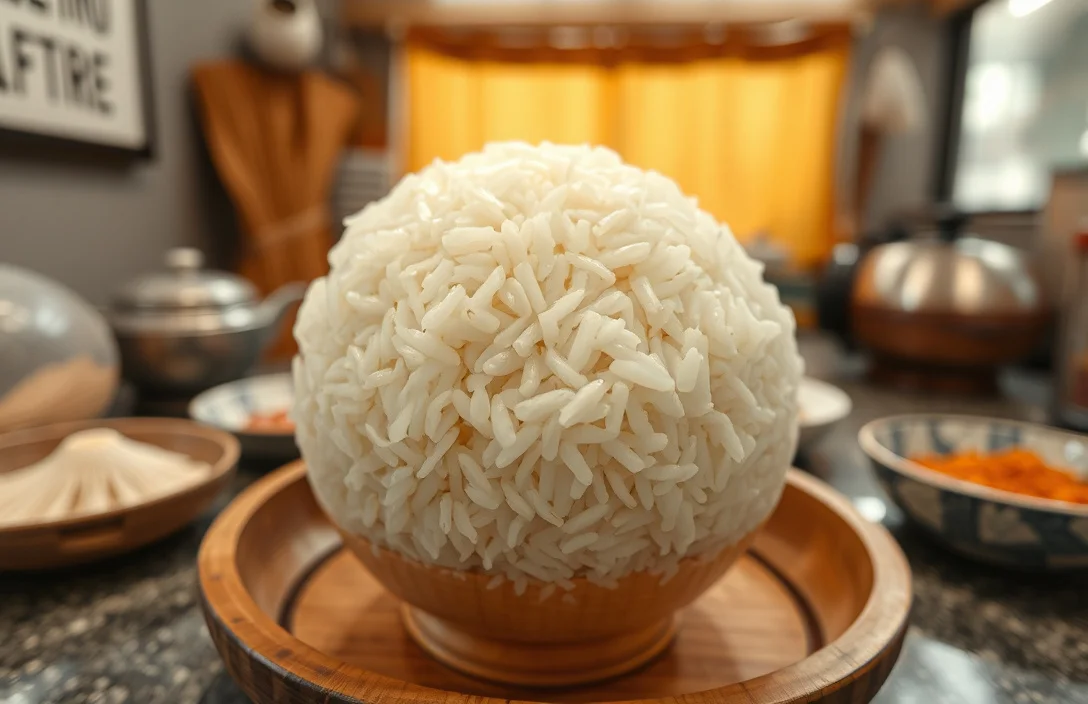
Sticky rice is tricky because you need the right rice type and enough water to hydrate the starch – but not so much that it turns into mush. If you cook jasmine or long-grain rice like sticky rice, you’ll get different results. This guide shows how to make sticky rice in a rice cooker with reliable steps, plus fixes when the texture is off.
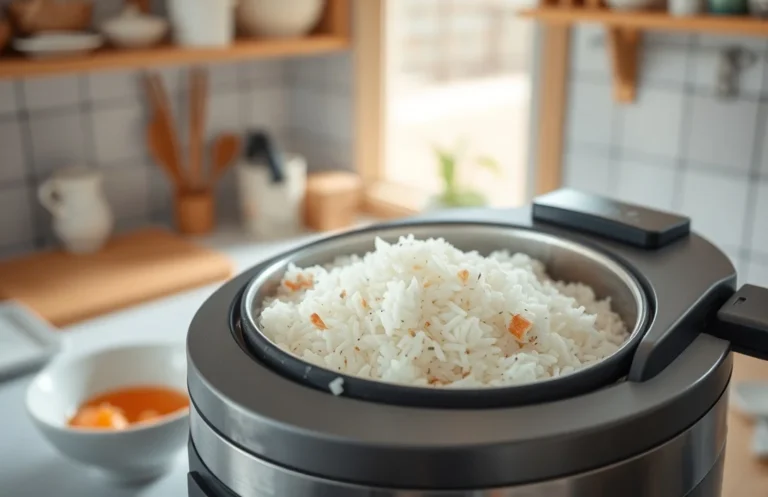
Sticky rice in a rice cooker works best with glutinous (sweet) rice on the “white rice” cycle, using about a 1:1 water ratio. After cooking, let it sit 10 minutes, then fluff and serve. Too wet? Reduce water next time. Too hard? Soak longer or add a little more water.
Key Takeaways
- Use glutinous rice. Regular jasmine or long-grain rice will not become sticky.
- Start with 1:1 water. Use equal parts water and rinsed rice for most rice cookers.
- Soak for better texture. Soak 30 to 60 minutes if you want softer, stickier grains.
- Let it rest. Keep the rice on warm for 10 minutes after cooking.
- Fluff gently. Stirring aggressively breaks grains and makes it less cohesive.
- Adjust in small steps. Add or reduce water by a few tablespoons when you dial it in.
how do you make sticky rice
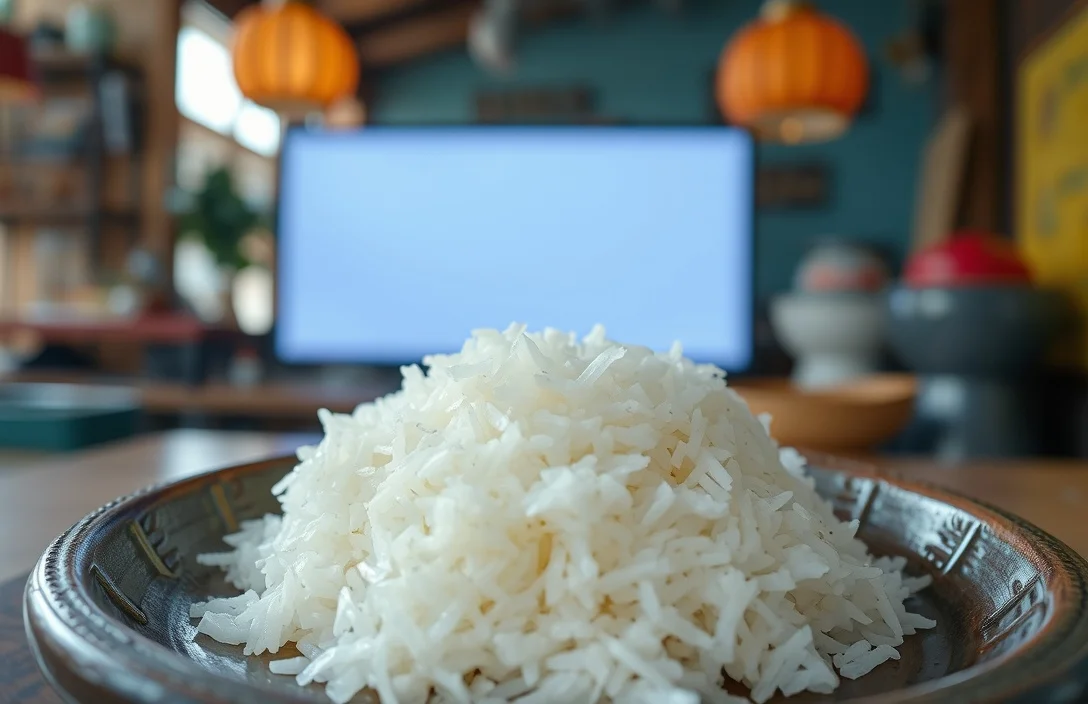
Sticky rice in a rice cooker starts with the rice. Use glutinous (also called sweet) rice, sold as “sticky rice” in many grocery stores. If you use regular rice, you can soak and cook for a long time and still end up with separate grains.
The next decision is your rice cooker’s style. Most modern models handle this method the same way because they cook, then switch to “warm” based on internal temperature and time. If your cooker has only “cook” and no keep warm, you’ll need to time the cycle carefully and then rest the rice covered.
Before cooking, rinse. Rinse until the water runs mostly clear to remove excess surface starch that can make the pot look gummy. Then measure rice and water with the same measuring cup so your ratio stays consistent.
how do you make sticky rice
Sticky rice gets its texture from starch that gels while the grains absorb water. Glutinous rice has the starch profile that helps cooked grains cling together, so soaking and hydration matter more than seasoning.
Treat the rice cooker like a controlled steamer and hydrator instead of a “boil and reduce” setup. You need enough water for absorption, and you want to avoid oversaturation because extra water can leave the rice watery and uneven.
Use this baseline method and adjust after you get a feel for your cooker:
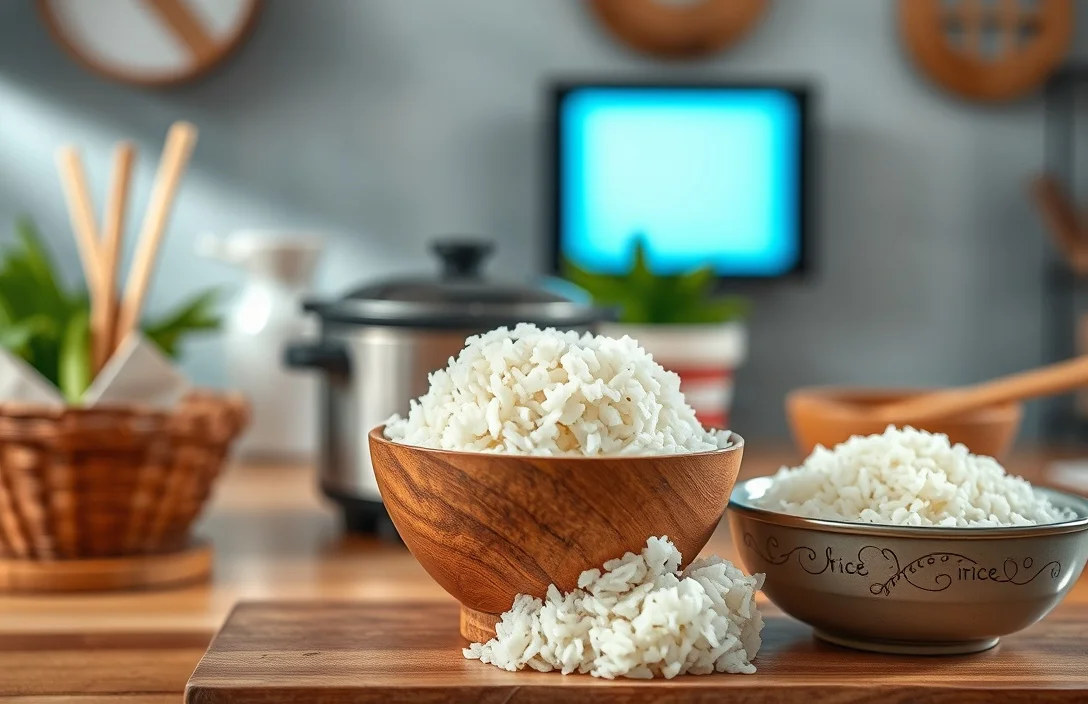
- Rice: glutinous (sweet) rice, rinsed
- Water: about 1:1 with rinsed rice (by volume)
- Soak (optional but helpful): 30 to 60 minutes
- Cook mode: standard white rice (or the closest “white rice”/“regular rice” button)
- Rest: 10 minutes on warm, lid on
This same foundation gives you the sticky, cohesive bite that works for mango sticky rice, Thai-style sides, or grilled meats.
how do you make sticky rice
- Measure glutinous (sweet) rice. Use your rice cooker cup or a standard cup, then note the amount (for example, 2 cups).
- Rinse thoroughly. Swirl and drain water 3 to 5 times until it’s mostly clear.
- Soak for texture. Soak the rinsed rice in cool water for 30 to 60 minutes, then drain well.
- Add water using a 1:1 ratio. For soaked-and-drained rice, use about equal parts water to rice by volume as your baseline.
- Cook using white rice mode. Spread rice evenly in the pot so it cooks uniformly.
- Rest without opening the lid. After the cycle finishes, keep the lid closed and let it sit on warm for 10 minutes.
- Fluff gently and serve. Use a paddle or fork, but be gentle to keep the grains clinging.
If you want cleaner texture, time your prep. Start soaking while you handle side dishes, then rinse, drain, and cook when you’re ready to eat. Eating right away often means uneven hydration.
For portioning, follow this simple ratio table:
| Glutinous rice (cups) | Baseline water (cups) | Rest time (minutes) | Typical result |
|---|---|---|---|
| 1 | 1 | 10 | Tender, cohesive grains |
| 2 | 2 | 10 | Consistent batch for 4-6 people |
| 3 | 3 | 10 | Great for leftovers and meal prep |
Rice cookers vary, so use the table as a starting point, not a law of physics.
how do you make sticky rice
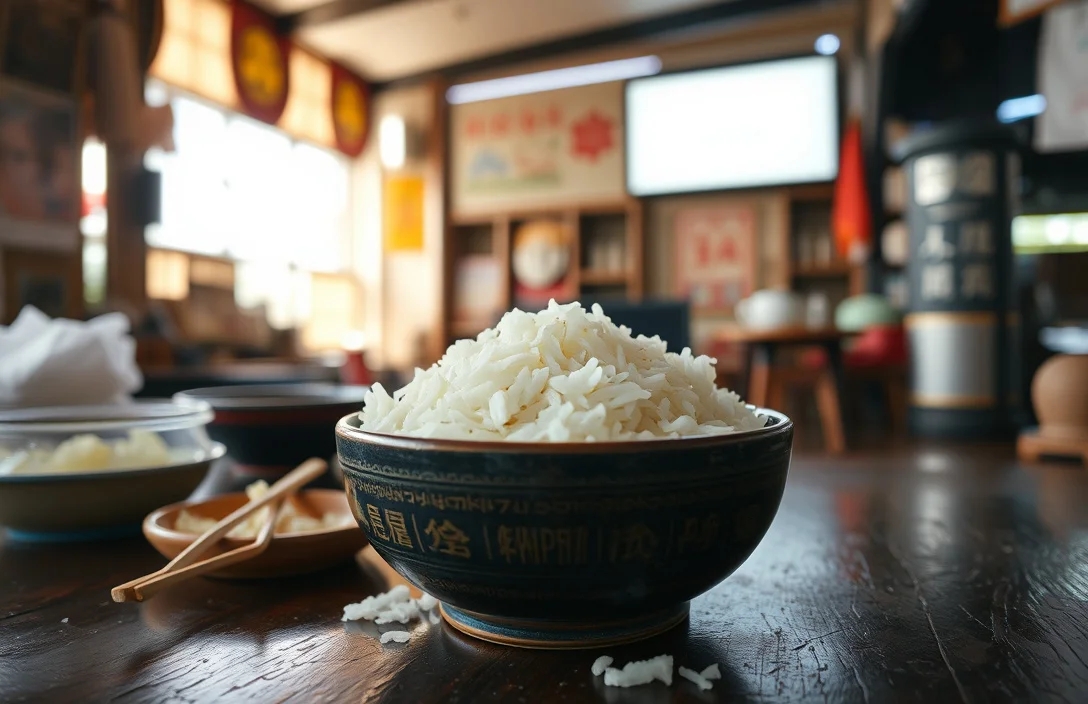
The hydration approach makes the biggest difference. Soaking 30 to 60 minutes before cooking helps grains absorb water evenly, which produces stickier clumps instead of firm centers and soft edges.
Water accuracy matters too. If your rice cooker’s “cup” isn’t the same as a US measuring cup, your ratio will drift. Use the same measuring cup every time, and if you switch cup types, weigh the rice once to confirm consistency.
Lid handling changes the outcome. Opening the lid during cooking vents steam, which cools the pot and slows final hydration. The 10-minute warm rest also matters because it lets starch continue to gel and sets the final texture.
Don’t fix texture with aggressive stirring. Sticky rice relies on surface starch for cohesion. Hard mixing breaks grain clumps and can make it look less sticky even if it tastes fine.
how do you make sticky rice
Keep the rice covered during the rest. When the cooker switches to warm, leave the lid on for 10 minutes so moisture redistributes across the pot. Skipping this often leaves dry top grains and chewy middle grains.
Adjust with small changes, not big jumps. Too wet? Reduce water next time by 2 tablespoons per cup of rice. Too firm? Add 2 tablespoons per cup, or extend the soak time by another 15 minutes.
Use a consistent soak-and-drain routine. Poor draining effectively adds extra water and can push you toward gummy texture. Drain thoroughly before adding water to the pot.
Serve soon after cooking or keep it warm briefly. Sticky rice tastes best in the first hour or so. If you hold it longer, keep it warm with the lid on, but texture can firm up slightly as it cools.
For a simple weeknight workflow: cook, rest, portion immediately. Sticky rice reheats better with a little moisture and steam than with microwaving dry.
how do you make sticky rice
Using the wrong rice is the #1 mistake. Regular jasmine, basmati, or any long-grain rice won’t become sticky in the same way because the starch behavior is different. Buy glutinous (sweet) rice, even if the package says “sticky,” since you can’t trust brand names to guarantee texture.
Skipping soaking is another common miss when you want classic results. Some cookers still do fine, but others create uneven texture, with softer grains on the bottom and different doneness near the top.
Open the lid too early and you lose steam at the wrong time. Repeated checking vents moisture and drops pot temperature, which can lead to undercooked centers. Trust the cycle, then rest for 10 minutes.
Don’t “save” sticky rice by dumping in lots of extra water mid-cook unless your cooker supports that cleanly. Extra water can create pockets of excess moisture that make rice clumpy but taste watery.
how do you make sticky rice
For extra-sticky clumps, soak longer instead of adding more water. A 60-minute soak usually improves cohesion without tipping into mush.
If your sticky rice is slightly hard, adjust two things first: soak time and rice-to-water ratio. Hard centers usually mean hydration wasn’t enough, so fix it by soaking 15 to 30 minutes longer or increasing water slightly, not by forcing more boiling.
Reheat with steam. Put rice in a heat-safe bowl, sprinkle with a few drops of water, cover, and steam until hot. This prevents drying and avoids the “dry and chewy” texture that can come from microwaving.
For mango sticky rice, cool the sticky rice a little before portioning. Warm coconut sauce helps, but mixing immediately with scorching sauce can over-soften the rice. Use warm sauce and let the rice absorb it briefly.
Rinse carefully but not aggressively. Over-rinsing can remove surface starch you need for cohesion. Rinse until it’s no longer cloudy, then stop.
FAQ
What rice is best for sticky rice in a rice cooker?
Use glutinous (sweet) rice, sometimes labeled “sticky rice.” Jasmine and long-grain rice cook differently and won’t develop the same cohesive, clinging texture. If you’re unsure, look for “glutinous” or “sweet” on the package and avoid “jasmine rice” or “basmati” for this goal.
How long does it take to cook sticky rice in a rice cooker?
The cooker cycle is usually the same as a standard white rice cycle, followed by a 10-minute warm rest with the lid on. If you soak first for 30 to 60 minutes, that adds soak time before cooking, but the actual cooker cycle stays fairly standard. Plan extra rest time, since it strongly affects texture.
Why is my sticky rice gummy or watery?
Gummy sticky rice usually comes from too much water or not draining well after soaking. Drain thoroughly next time and start with the 1:1 baseline water ratio. Also avoid opening the lid during cooking, and do a proper 10-minute warm rest so moisture redistributes instead of pooling.
How do I make sticky rice if my rice cooker only has one setting?
Use the single setting and follow the same ratio and rest. Cook until the cooker finishes its cycle, then keep it on warm for 10 minutes with the lid closed. If your cooker tends to overcook, reduce water slightly next batch, since your main control is how you set up water and timing.
Can I make sticky rice without soaking?
Yes, but soaking usually improves tenderness and stickiness. Without soaking, use the baseline water ratio and keep the warm rest timing the same. If the rice is too firm after cooking, soak next time (start with 30 minutes) rather than adding a lot more water.

- 10 Best Slow Cooker For Slow Cooking Legumes 2026 (Tested And Reviewed) - October 17, 2026
- 10 Best Slow Cooker For Slow Cooking Oxtail 2026 (Tested And Reviewed) - October 16, 2026
- 10 Best Slow Cooker For Slow Cooking Venison 2026 (Tested And Reviewed) - October 16, 2026