Making Congee In A Rice Cooker: 4 Tips For Creamy Texture
Cooking congee in a rice cooker is the easiest way to get a thick, savory rice porridge without babysitting a pot. Jasmine rice makes it especially creamy, and the main job is dialing the water ratio so the grains break down into a slow simmer texture. You can also make it ginger chicken-style, then adjust thickness after cooking. This guide focuses on the decisions that actually change your results.
Congee in a rice cooker works best with jasmine rice and a loose ratio (more water than normal rice) so the grains soften and collapse. Plan for at least 1 hour total, and often longer depending on your cooker and how thick you want it. If it turns gummy, you likely pushed the starch too far – either by using too little water or by running too long on a hot hold setting. Dilute and finish gently.
Key Takeaways
- Use jasmine rice for the creamiest texture because it breaks down more readily than long-grain rice.
- Start with extra water and loosen the porridge if you want it thinner – don’t aim for a thick risotto-like bowl.
- Rinse only if needed to cut gummy starch, especially with older rice or very starchy brands.
- Choose the right setting (white rice or porridge) and expect different results across rice cooker models.
- Prevent gumminess by stirring once early and limiting long “keep warm” phases.
- Store safely by cooling quickly, covering tightly, and reheating with a splash of water to loosen.
Making Congee in a Rice Cooker With Jasmine Rice
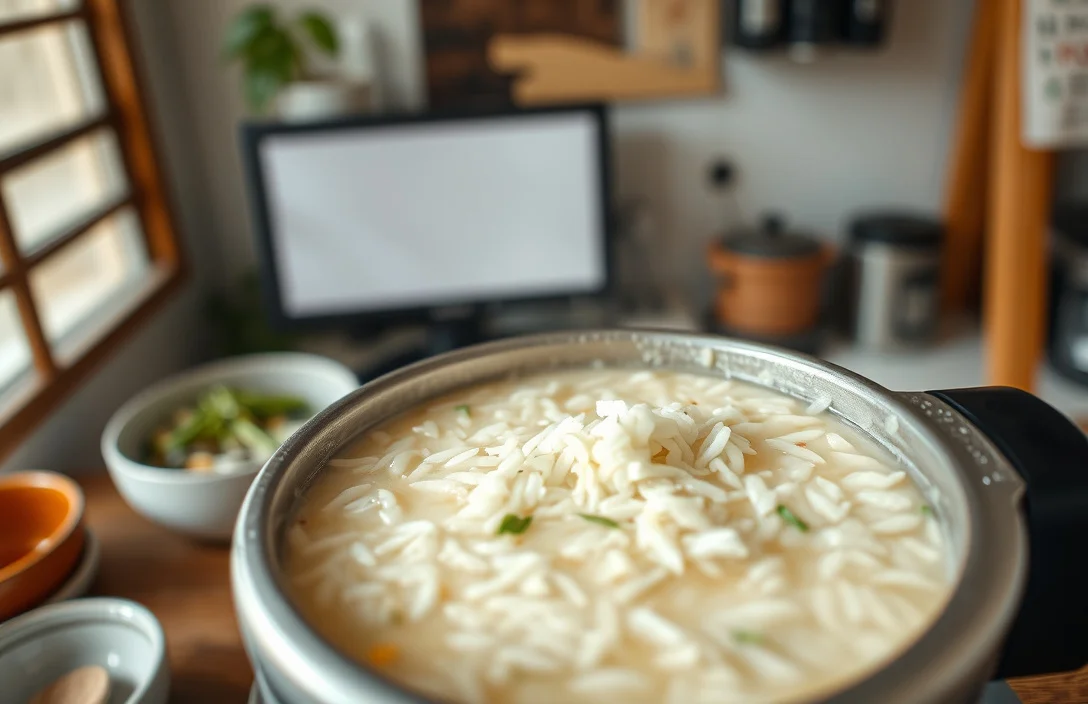
Jasmine rice breaks down into congee faster and smoother than many other white rices because its starch releases readily in hot, wet cooking. That breakdown is what you want, but the rice still needs enough water to move and expand without turning paste.
Rinse the jasmine rice if your rinse water looks starchy or if your earlier batches turned gluey. If the rice is fresh and you usually get fluffy results from it, you can skip rinsing and still get solid congee. For “silky congee” instead of “sticky rice pudding,” rinsing helps more often than not.
Use a larger inner pot than you think you need. Congee expands while it cooks and thickens as it cools. Fill too close to the max line and many cookers will boil over, especially those without a dedicated porridge mode.
A reliable baseline method
- Measure jasmine rice and water (you’ll fine-tune the ratio below).
- Add both to the inner pot, then stir briefly so the rice hydrates evenly.
- Select the closest mode to a gentle simmer (often “White Rice,” or “Porridge” if it’s available).
- Cook until the grains are very soft and the liquid looks opaque and smooth.
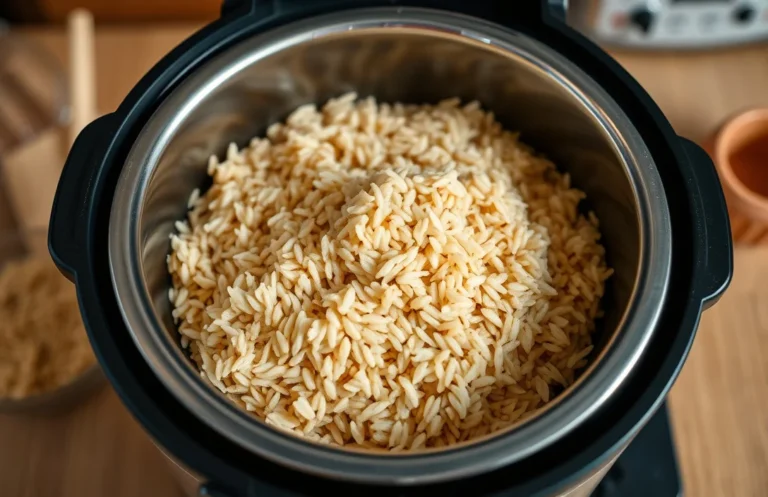
When it’s done, congee should look like loose oatmeal. It keeps thickening as it rests, especially if your cooker switches to keep warm.
How Much Water and Rice Ratio For Creamy Congee
Water-to-rice ratio is the biggest control you have in a rice cooker. Too little water leads to thick, starchy clumps. Too much water can taste thin at first, but the texture usually evens out once it settles – and you can always loosen after.
A practical rule: congee needs far more liquid than regular rice. If you cook jasmine rice at about a 1:1 to 1:1.25 rice-to-water ratio, congee typically wants something like 2 to 4 times as much water. Your best target depends on your cooker’s heat profile, whether it has a porridge mode, and whether you let it sit after cooking.
Use this as a starting point.
| Rice (cups) | Water (cups) | Texture Target | Best For |
|---|---|---|---|
| 1/2 | 2 | Thin-to-medium congee | Light bowls, add-ins like soy sauce or chili oil |
| 1/2 | 2.5 | Creamy, spoonable | Most “classic” bowls |
| 1 | 3 | Medium-thick congee | Chicken, ginger, or preserved egg toppings |
| 1 | 4 | Looser, restaurant-style | If you like it silky and pourable |
Scale up linearly for bigger batches and keep the same ratio. Don’t increase rice just to “fill the pot,” because higher rice density makes gumminess more likely in cookers that heat quickly and then hold warm.
I aim slightly looser than my ideal texture. Congee thickens in the first 10 to 20 minutes after cooking, and it thickens even more once it cools.
Should You Rinse Rice Before Cooking Congee?
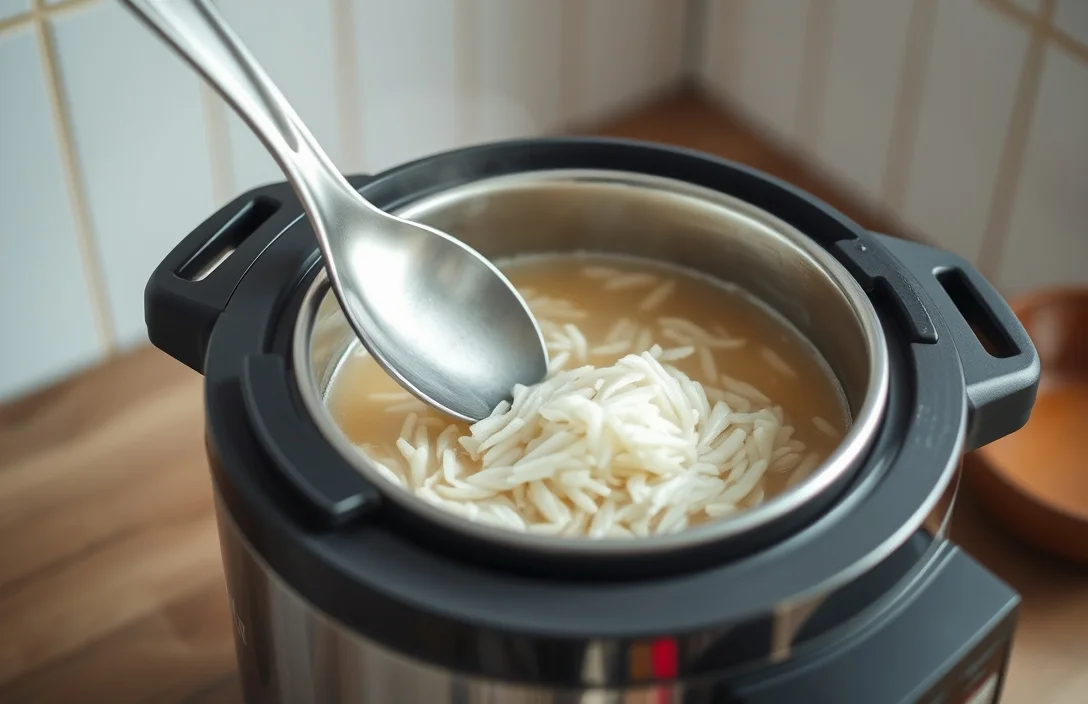
Rinse jasmine rice when you’re trying to reduce gummy texture or when your rice tends to clump. Rinsing removes surface starch, and that starch is what can turn rice cooker congee into paste.
If you’ve never had gummy congee before, skip rinsing and save time. If you notice your first spoonful turns cloudy-white and overly thick too early, rinse the next batch – the texture often improves right away.
Rice age also matters. Older rice can behave differently, and in a rice cooker that can push you into “too thick, too fast.” Rinsing helps smooth out that variability.
Quick decision guide
Rinse if:
- Your last congee was gluey even with enough water.
- You see lots of cloudy rinse water.
- You’re using a budget brand that cooks extra starchy.
Skip rinsing if:
- Your rice already gives you a clean texture when cooked.
- You want the starch for extra body and you plan to loosen with water later.
White Congee Versus Ginger Chicken Congee Settings
“White congee” and “ginger chicken congee” change more than the flavor. They change how you cook, because plain congee is a texture-forward base, while ginger chicken adds fats, aromatics, and extra moisture that can affect how quickly the cooker thickens.
If your cooker has “Porridge,” use it for both and adjust thickness at the end. If it only has “White Rice,” you can still make either version, but ginger chicken usually benefits from gentler finishing because meat can get dry or mushy if you run it too long.
Plain (white) congee
- Use jasmine rice plus water.
- Add salt after cooking (or at the end) so you can control final taste.
- Keep add-ins simple, like scallions or a drizzle of sesame oil, so the porridge stays in charge.
Ginger chicken congee
- Add ginger early so it blooms during the simmer.
- Add chicken based on your plan. Raw pieces need enough time to cook tender. Cooked chicken should be warmed through during the final phase instead of running the full porridge time.
- Expect thickening to behave differently because chicken adds proteins and moisture.
If you’re stuck on settings, pick the one that gives the gentlest boil or the longest, softest cook time. Rice cookers vary, but you’re aiming for a consistent simmer that softens grains, not a hard boil that can create foamy starch on top.

Helpful pick
AROMA Digital Rice Cooker, 4-Cup (Uncooked) / 8-Cup (Cooked), Steamer, Grain Cooker, Multicooker, 2 Qt, Stainless Steel Exterior, ARC-914SBD
Its dedicated congee setting helps tailor texture and moisture for white versus ginger chicken congee.
How to Prevent Gummy Texture in Rice Cooker Congee
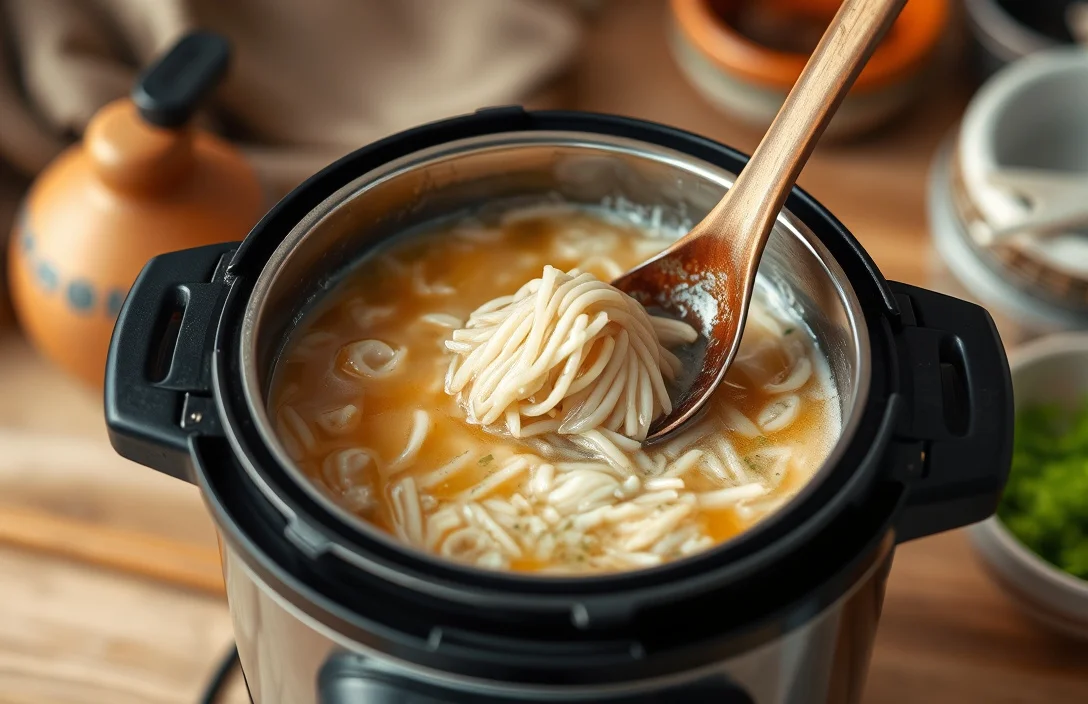
Gummy congee comes from too much starch and too much time on a hot hold. In a rice cooker, temperature shifts between cooking and keep warm. That holding time keeps breaking down grains until the porridge turns pasty.
Stop gumminess with two moves: manage starch early and quit the cooking at the right moment. Stir once early so the rice hydrates evenly, and avoid long keep warm holds when you can.
Practical fixes that actually work
- Use more water than you think you need for the first batch, then reduce later by simmering uncovered.
- Rinse rice if you’ve ever gotten sticky, gluey congee.
- Stir once early after it starts simmering to prevent starch from concentrating in one spot.
- Don’t over-hold on keep warm. If you’re eating soon, transfer congee to a serving pot once it finishes.
- Add liquid after cooking if it’s too thick; water loosens quickly once stirred in.
When troubleshooting, do a quick sensory check. If congee looks thick before the grains are fully soft, add water and cook briefly more. If it’s properly soft at first but turns gummy later, the culprit is usually holding heat too long, not the initial ratio.
Timing wins. Cook until it’s right, turn it off or move it, then let it thicken naturally instead of staying hot for hours.
Helpful pick
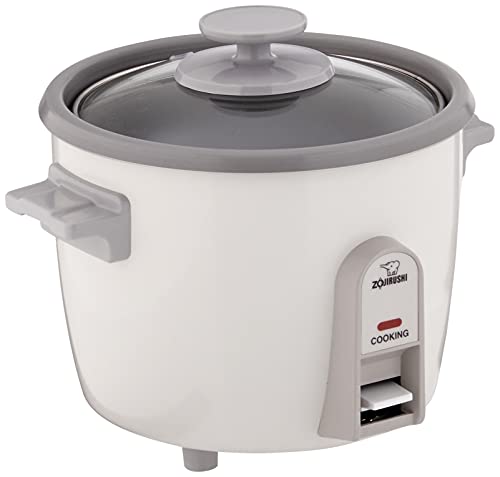
Zojirushi 3 Cup Rice Cooker/Steamer ( White)
Offers congee mode and precise heat control to prevent gumminess and keep congee smooth.
Stovetop Finishing When Rice Cooker Congee Is Too Thick
Thick congee is easy to rescue on the stovetop. Add small amounts of water and stir. Rice cooker congee is mostly liquid and starch, so a little water changes the texture fast.
Start with a tablespoon or two at a time. Stir, then check. If it’s extremely thick, simmer uncovered on low to medium-low for a few minutes to relax the starch network.
A simple stovetop finishing method
- Transfer congee to a saucepan.
- Add a splash of water or broth and stir until smooth.
- Simmer on low to medium-low for 3 to 8 minutes, stirring occasionally.
- Taste and adjust salt (plain congee often needs a pinch once diluted settles).
Broth instead of water boosts flavor without wrecking texture. For ginger chicken congee, broth also keeps it savory after you loosen it.
If you cooked too long and it’s pasty rather than just thick, you can still loosen it, but you may not fully undo the gummy feel. That’s why prevention matters – but finishing saves most batches.

Helpful pick
BLACK+DECKER 16-Cup Rice Cooker, RC516, 8-Cup Uncooked Rice, Steaming Basket, Removable Non-Stick Bowl, One Touch
Its large capacity helps you prepare bulk congee and finish to the right consistency on the stovetop.
Storing and Reheating Congee Without Separating
Congee stores well, but it thickens as it cools and can separate a bit when reheated if you treat it like leftover plain rice. The goal is to add moisture back and reheat gently so the starch remixes into a smooth porridge again.
Cool leftovers quickly and refrigerate promptly. Once congee is fully cold, it becomes a thicker mass, so reheating needs more liquid than you’d expect.
How to store
- Cool congee in a shallow container to speed cooling.
- Refrigerate in a covered container.
- Eat within a few days for best texture and flavor.
How to reheat without breaking texture
- Reheat in a pot for the smoothest results.
- Add water or broth before heating, then stir as it warms.
- Heat gently and stir often, especially near the bottom where it can stick.
Start with a bit more liquid than you think you need, since starch absorbs. If the congee thickens too much during reheating, stir in another splash and keep going.
Add toppings like scallions, ginger, or chili oil after reheating so they keep their bite and aroma.
FAQ
Can you make congee in a rice cooker without a porridge setting?
Yes. Use the closest setting you have to a gentle simmer, often “White Rice,” and allow more time if your cooker heats aggressively. The biggest factors are water ratio and avoiding long keep-warm holds that push congee toward gummy.
How long does rice cooker congee take?
Plan on at least 1 hour in many rice cookers, with more time for thicker, smoother results. Timing depends on your model, rice age, and how much water you used. If you can press a grain between your fingers and it breaks down easily, you’re close.
Does rice cooker congee need rinsing for safety or taste?
Rinsing isn’t about safety. It changes texture by removing surface starch. If your congee has been gummy before, rinse the next batch and start with a slightly higher water ratio.
What’s the quickest way to fix gummy congee?
Add hot water or broth a tablespoon at a time, then simmer on low and stir until smooth. If gumminess comes from over-holding, moving it off keep warm and finishing on the stovetop usually fixes it better than reheating and holding again.
Is ginger chicken congee different from white congee in storage?
Ginger chicken congee is a bit more forgiving, but it can thicken more after refrigeration because the chicken adds proteins. Reheat with extra liquid and stir frequently. Add delicate toppings after reheating so the flavor doesn’t dull.

- 10 Best Slow Cooker For Slow Cooking Legumes 2026 (Tested And Reviewed) - October 17, 2026
- 10 Best Slow Cooker For Slow Cooking Oxtail 2026 (Tested And Reviewed) - October 16, 2026
- 10 Best Slow Cooker For Slow Cooking Venison 2026 (Tested And Reviewed) - October 16, 2026