Dwarf Hydrangeas For Pots Full Sun How To Manage Heat
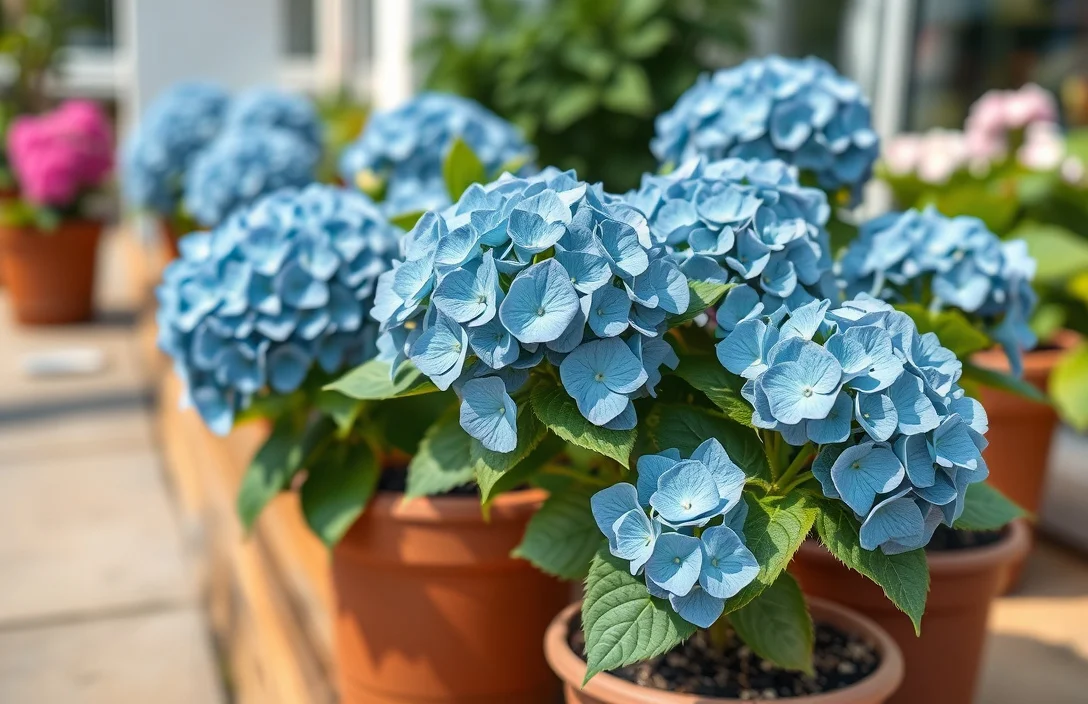
Dwarf hydrangeas can handle full sun in pots, but only if you control three things – light intensity, root-zone moisture, and afternoon heat. If your plant wilts by noon or its leaves brown at the edges, the problem is usually container watering and soil conditions, not the hydrangea being “wrong.” This guide helps you choose the right pot, soil, watering rhythm, and sun-tolerant dwarf hydrangea options for U.S. summers.
Dwarf hydrangeas in full sun need consistent moisture, fast drainage, and heat protection, or leaves will scorch and buds may fail. In containers, use potting soil that drains well, choose a pot with plenty of drainage holes, and water when the top 1 inch feels dry. In extreme heat, add afternoon shade or move the pot to a brighter-but-protected spot.
Key Takeaways
- Full sun is possible. Many dwarf hydrangeas grow in full sun if soil stays evenly moist.
- Pot size affects stress. Use a larger container to slow drying and reduce midday wilting.
- Drainage must be real. Choose a pot with multiple drainage holes, or roots will suffocate and rot.
- Water by the soil. In summer, check daily and water when the top 1 inch is dry.
- Fertilize lightly. Feed in spring, then again mid-season, without overdoing nitrogen.
- Heat scorch is preventable. Afternoon shade, mulch, and steady moisture reduce leaf browning.
What the Plant Actually Needs
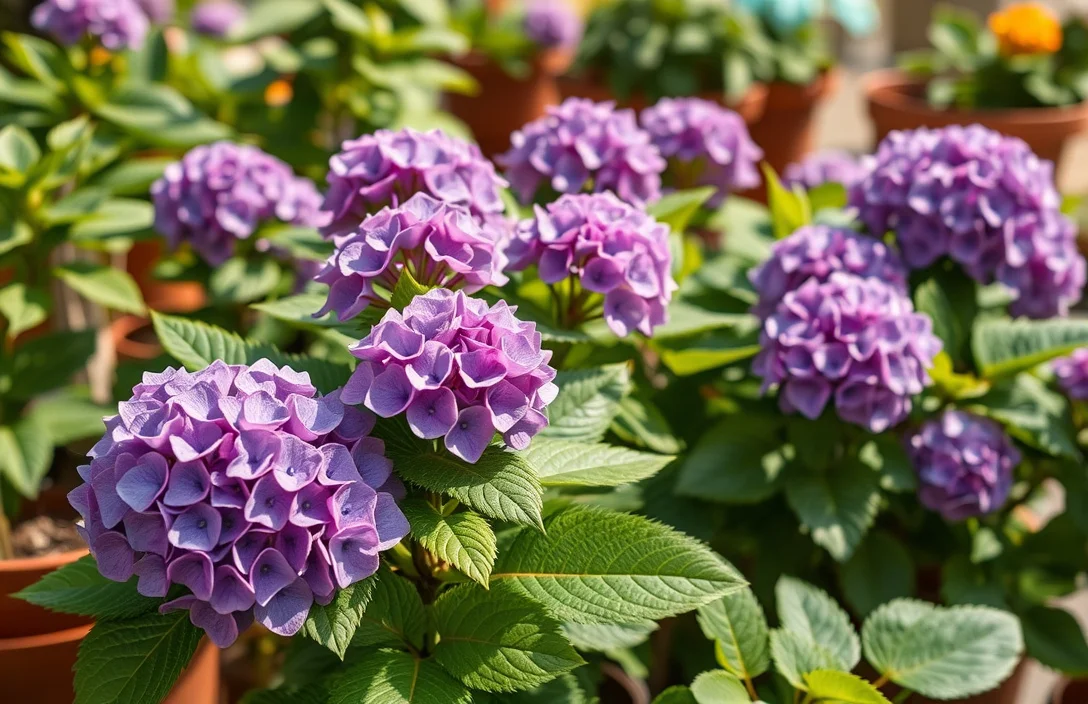
Dwarf hydrangeas can live in full sun, but “full sun” is a range, and your location changes what the plant experiences. In most U.S. regions, full sun means 6+ hours. The real test is whether your container dries out and overheats before the plant can keep up.
Start with morning sun and increase exposure gradually. Give 3-4 hours of direct sun for a week, then build up until you see steady growth and consistent moisture. Healthy adaptation looks like lush green leaves and firm flower buds.
What to watch for in full sun
Leaf scorch shows up as brown, dry edges or papery patches, often worse on the side facing the sun. Afternoon wilt that recovers overnight usually points to moisture stress. Wilt that never perks back usually signals a bigger issue – either underwatering that never catches up or root problems from drainage or soil conditions.
Bloom timing matters in pots, too. Hydrangeas often form fewer flowers when they dry out during bud development. If you get strong leafy growth but fewer or smaller blooms, your watering rhythm in early summer is likely inconsistent.
Pot Size and Drainage That Make Full Sun Easier
Bigger pots dry slower, so full sun becomes much easier to manage. A small pot can look fine in the morning and then slump by midday because the root zone heats up fast and water runs out quickly.
For dwarf hydrangeas, use a pot at least 10-12 inches in diameter for one plant. If you want the best chance of getting through hot spells, choose the largest pot you can fit – as long as it doesn’t stay waterlogged for too long.
Use a pot with multiple drainage holes, not just one. Hydrangea roots need oxygen. Waterlogged soil can lead to root rot and drooping even when you think you’re watering “enough.”
Quick pot sizing guide
- Tight spaces. An 8-inch pot works short-term, but in summer full sun you will likely water daily.
- More forgiving. A 10-12 inch pot usually gives you a cushion through hot afternoons.
- Heat-proofing. A 14-16 inch pot is often where full sun becomes much easier to manage.
Soil Mix for Dwarf Hydrangeas in Containers
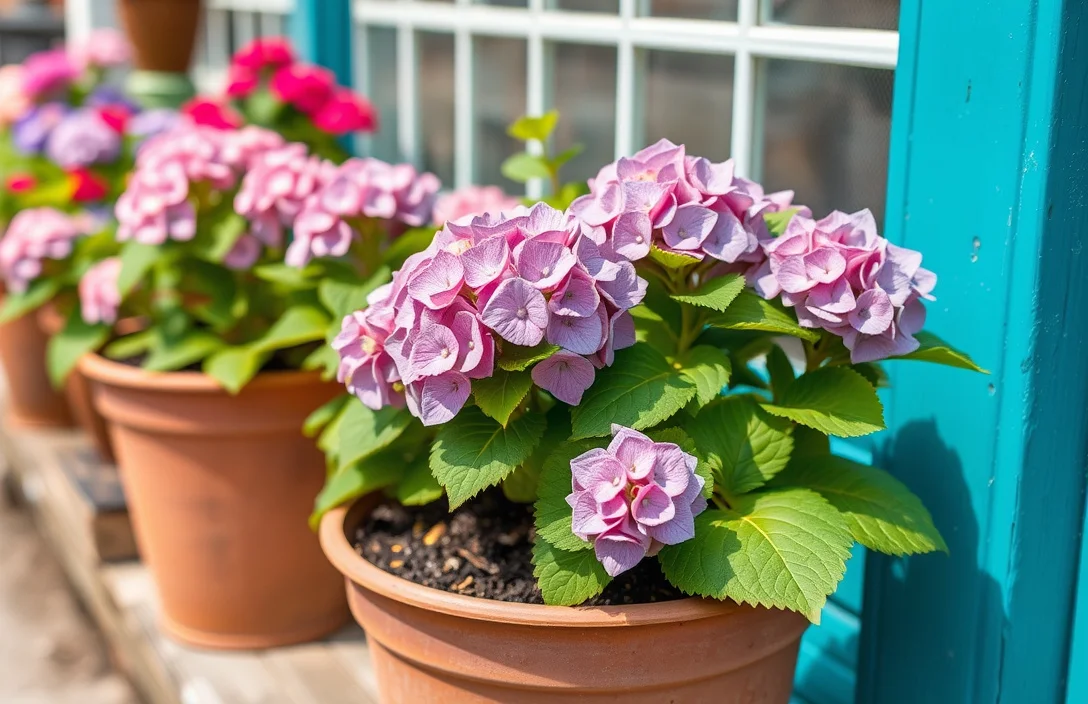
Container soil has to do two jobs: hold enough moisture for the plant and still drain fast enough to keep roots oxygenated. A mix that stays wet “like a sponge” suffocates roots. A mix that drains too fast dries out before evening heat passes.
Use a quality potting mix, not garden soil. Add ingredients that create structure and moisture balance, such as pine bark fines or coco coir, plus perlite or pumice for aeration. The goal is evenly moist soil that never turns muddy.
A reliable container mix you can make
Start with:
- Potting mix as the base
- Perlite or pumice for airflow (about 20-30% of the volume)
- A moisture-retentive amendment like coco coir or pine bark fines (about 10-20%)
In very hot climates, slightly more moisture-retentive mix can help – only if drainage still stays fast. After watering, excess water should drain within minutes, not hours.
Watering Schedule for Full Sun Pots
Set your watering schedule by the soil, not the calendar. In full sun, container hydrangeas can swing from slightly dry to fully wilted in less than a day, especially in small pots or windy spots.
Check daily in summer and water when the top 1 inch of soil feels dry to the touch. Water thoroughly until you see runoff from the bottom, then stop. That “until runoff” step matters because it prevents dry pockets and ensures the whole root zone gets moisture.
How to tell if you are watering correctly
If leaves wilt and then perk up after watering with a normal-looking plant the next morning, you were under-watered but not damaged. If the plant wilts and stays wilted even after thorough watering, you likely have poor drainage, root problems, or hydrophobic soil – where water runs off the sides instead of soaking in.
Hydrophobic soil needs slower watering. Deliver water in multiple rounds so the mix has time to absorb it.
Morning is the safest time
Water in the morning so leaves aren’t sitting wet for long hours. Afternoon watering can work in a pinch, but consistent morning hydration reduces heat stress and improves how reliably the plant takes up water.
Fertilizing Dwarf Hydrangeas in Pots
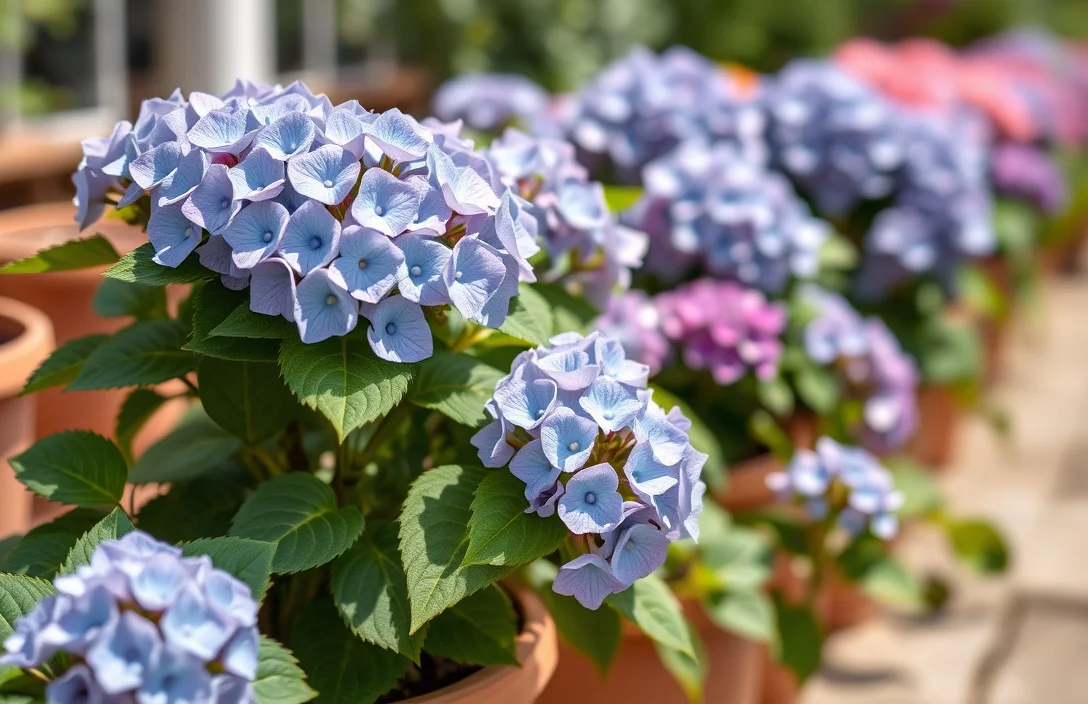
Potted dwarf hydrangeas benefit from light, timed feeding because nutrients wash out faster than they do in the ground. With no fertilizing, you may get fewer flowers and weaker growth. With too much, you can push leaf growth at the expense of blooms, and salts can build up in the pot.
Feed in early spring when you see active growth. Then feed again mid-season. Stop well before late fall so tender growth doesn’t sit through cold weather.
What to use (and what to avoid)
Use a balanced fertilizer or a hydrangea-focused fertilizer, and follow the label rate for container plants. Avoid heavy nitrogen-only feeding. If you’re trying to influence bloom color (pink vs blue), be careful with products and timing, because soil chemistry matters.
Keep buildup under control with occasional “flush watering.” Every few weeks during the growing season, water thoroughly until runoff is clear-ish to reduce fertilizer residue in the container.

Helpful pick
Live Plant from Green Promise Farms – Little Quick Fire Panicle Hydrangea #2 Gallon Size Container White Flowers
Offers a hands-on example of how light feeding impacts blooms and overall vigor in a pot.
Preventing Heat Stress and Leaf Scorch in Full Sun
Heat stress in full sun pots usually comes from hot root zones plus uneven moisture. Leaves scorch when the plant can’t move enough water to match what sun and wind pull from the foliage.
The fastest improvements are practical: move the pot for some protection from harsh afternoon rays, mulch the top of the container, and keep watering consistent. Even shade cloth or placing the pot near a wall that blocks late-day sun can reduce leaf browning.
Afternoon shade beats last-minute fixes
Aim for morning sun with afternoon shade when you can. If you can’t move the pot, use breathable shade cloth during the hottest part of the day, then remove it as temperatures cool.
Mulching helps, too. Add a thin layer of mulch on top of the potting mix (not packed against the stem) to slow evaporation. Skip thick mulch that stays soggy. Even moisture beats constant dampness.
Wind matters
Wind increases evaporation and can worsen scorch even when the pot “has water.” If your hydrangea sits on a deck corner or patio with constant breeze, move it to a more sheltered spot or tuck it behind a planter for partial protection.

Helpful pick
LemonRoad 6 Pcs Blue Hydrangea Cube Storage Bins 11.22 Inch Square Storage Basket with Handle, Preppy Girls Organizer Basket, Collapsible Fabric Box for Classroom Bedrooms Office Home Decoration Gift
A set of hydrangea-themed storage bins with handles makes moving pots easier to avoid heat hotspots.
Choosing Dwarf Hydrangea Varieties for Sun
The right variety decides whether you get “works in full sun” or “always struggling.” Dwarf hydrangeas aren’t all bred for the same light levels, and many focus on compact growth more than heat tolerance.
Choose dwarf forms of panicle hydrangeas (Hydrangea paniculata) if you want the most sun-friendly performance in containers. Panicle types handle sun and heat better than many mophead or lacecap types, which dry out and stress more easily.
A practical selection approach

Helpful pick
300+ Hydrangea Seeds Bulk Pack – Mixed Hydrangea Seeds Perennial Flower Seeds, Beginner-Friendly & Easy to Grow, Simple Seed-Start, for Garden Borders, Patio Containers & Partial Shade Beds
This hydrangea seeds pack offers a grow-at-home route to sun-tolerant, dwarf varieties suitable for pots.
When you compare options, prioritize:
- Compact mature size so it truly stays dwarf
- Flowering on sturdy stems for better pot reliability
- Heat and sun tolerance suited to container growing
If the plant tag says “full sun” or “sun to part shade,” treat it as a starting point, not a guarantee. Container size and watering still control success.
If you want the easiest route to full sun success in U.S. summers, start with a dwarf panicle hydrangea and oversize the pot. Shape it with trimming once it settles in.
FAQ
Do dwarf hydrangeas in pots need full sun?
Dwarf hydrangeas can handle full sun in pots, but they do best when the root zone stays evenly moist. If the plant wilts midday, give it afternoon shade or move it slightly back from direct rays. A larger container and daily soil checks usually fix more than changing fertilizer.
What pot size is best for dwarf hydrangeas in full sun?
A 10-12 inch diameter pot is a good starting point for one dwarf hydrangea because it dries slower than an 8-inch pot. In very hot areas, a 14-16 inch pot is often more forgiving. Multiple drainage holes are non-negotiable since standing water can cause root problems quickly.
How often should I water dwarf hydrangeas in full sun?
Check daily in hot weather and water when the top 1 inch of soil is dry. In full sun, that can mean every day or every other day depending on pot size, wind, and temperature. Water thoroughly until runoff, then let excess drain completely.
What is the biggest mistake people make with dwarf hydrangeas in full sun?
They let the container dry out between waterings, then try to “catch up” with one heavy watering. That swings moisture availability and stresses the plant, leading to leaf scorch and fewer blooms. Consistent moisture, a larger pot, and morning watering are the real fix.
Can I grow dwarf hydrangeas in full sun without afternoon shade?
You can, but you have to manage heat and moisture closely. Use a larger pot, a breathable potting mix with good aeration, and check moisture daily in summer. If you see brown leaf edges or persistent afternoon wilt, afternoon shade (even partial) is the fastest rescue.

- 10 Best Slow Cooker For Convenient Cooking 2026 (Tested And Reviewed) - October 18, 2026
- 10 Best Slow Cooker For Quick Preparation 2026 (Tested And Reviewed) - October 18, 2026
- 10 Best Slow Cooker For Family Meal Preparation 2026 (Tested And Reviewed) - October 18, 2026