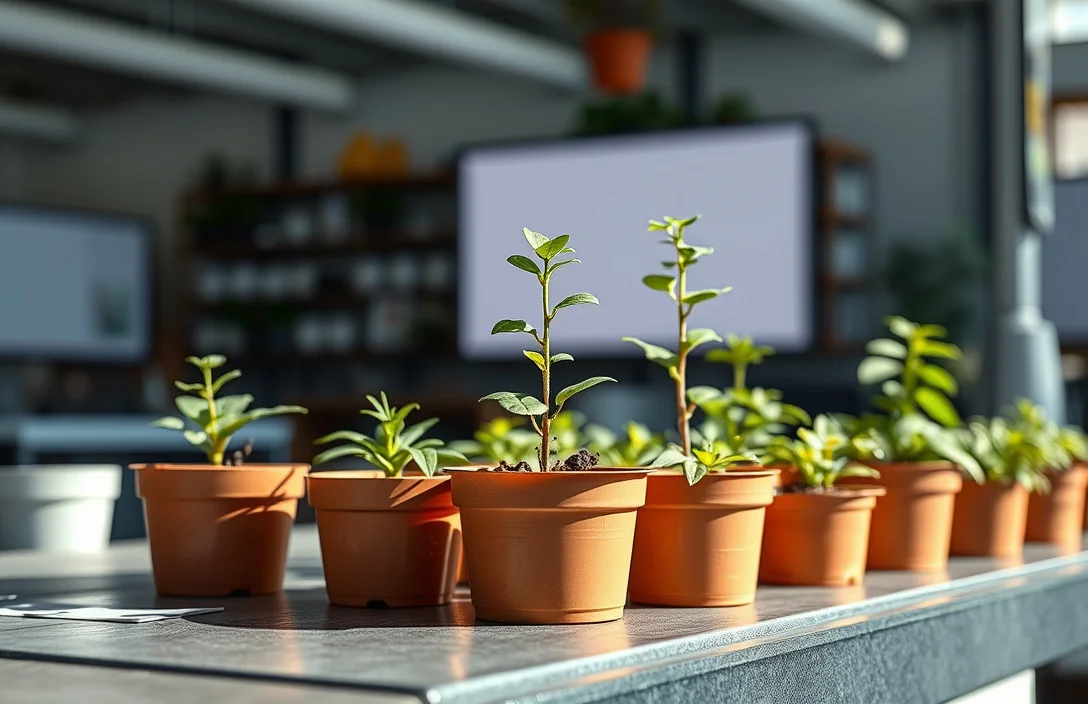
Plants That Grow In Small Pots Explained Simply
Small pots make plants feel “easy” at first, then they get finicky fast. The main challenge is that limited soil volume dries out quickly and has less nutrient buffer. If you pick plants that naturally stay compact, you avoid most problems and still get healthy growth. This guide on plants that grow in small pots explains what to look for, how to care for them, and which options work best in typical US homes and patios.
Plants that grow in small pots do best when they are naturally compact and match their light needs. Aim for fast-draining soil, use the right pot size for the plant, and water consistently because small containers dry out quickly. For a beginner-friendly start, choose succulents, herbs, dwarf flowering plants, or small foliage plants, then adjust care to your sunlight.
Key Takeaways
- Choose compact plants. Smaller root systems tolerate limited soil volume better than “big” plants.
- Prioritize drainage. A pot with drainage holes prevents root rot from soggy soil.
- Match light to the plant. Low light in a small pot produces weak growth quickly.
- Water by soil, not schedule. Small pots dry unevenly, so check moisture before watering.
- Refresh nutrients. Limited soil runs out faster, so plan for fertilizer or fresh potting mix.
- Expect size control. Some plants outgrow small pots and need repotting or trimming.
What to Know About plants that grow in small pots
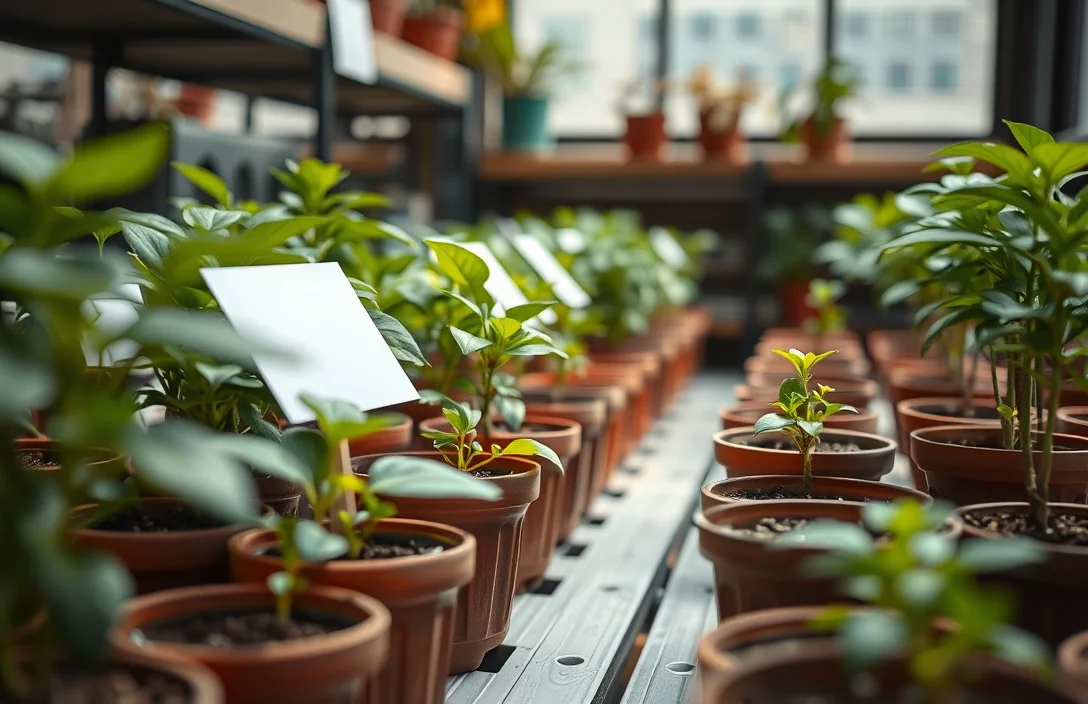
Small pots are unforgiving because the soil holds little water and buffers few nutrients. Roots also crowd the container faster, which limits growth unless you repot or choose naturally slow growers.
Most “small pot” problems come from three places: not enough light, potting mix that stays too wet, or watering that doesn’t match the soil. Even hardy plants sulk when they sit constantly wet, then suddenly dry out, especially in containers that don’t drain well.
“Small pot” doesn’t mean “any soil and any watering.” Containers act like mini ecosystems, so you manage moisture level, oxygen in the root zone, and nutrient availability at the same time. Nail those basics and many plants that normally do well indoors, on balconies, or on patios will thrive.
Things that matter most
Pick plants that stay compact, tolerate root restriction, and don’t demand lots of soil to look good. That usually means dwarf varieties, slow growers, herbs, succulents, and certain flowering houseplants.
For reliable results in the US, match three things: light, watering style, and container setup. Bright homes can support more flowering types and fast-growing herbs. Moderate or dim spaces work better with shade-tolerant foliage and less frequent watering.
Here are the key criteria I use when choosing plants that behave well in small pots:
- Light requirement match. Choose based on your actual window hours, not what you hope the light will be.
- Watering tolerance. Dry-loving plants are easier for busy schedules; moisture-lovers demand more attention.
- Root and growth habit. Dwarf, slow-growing, and naturally compact plants handle small root zones best.
- Potting mix fit. Use a mix that drains well for most containers, especially if you tend to overwater.
- Drainage and pot material. Plastic holds moisture longer; terracotta dries faster, which can help or hurt depending on your routine.
Tips for plants that grow in small pots
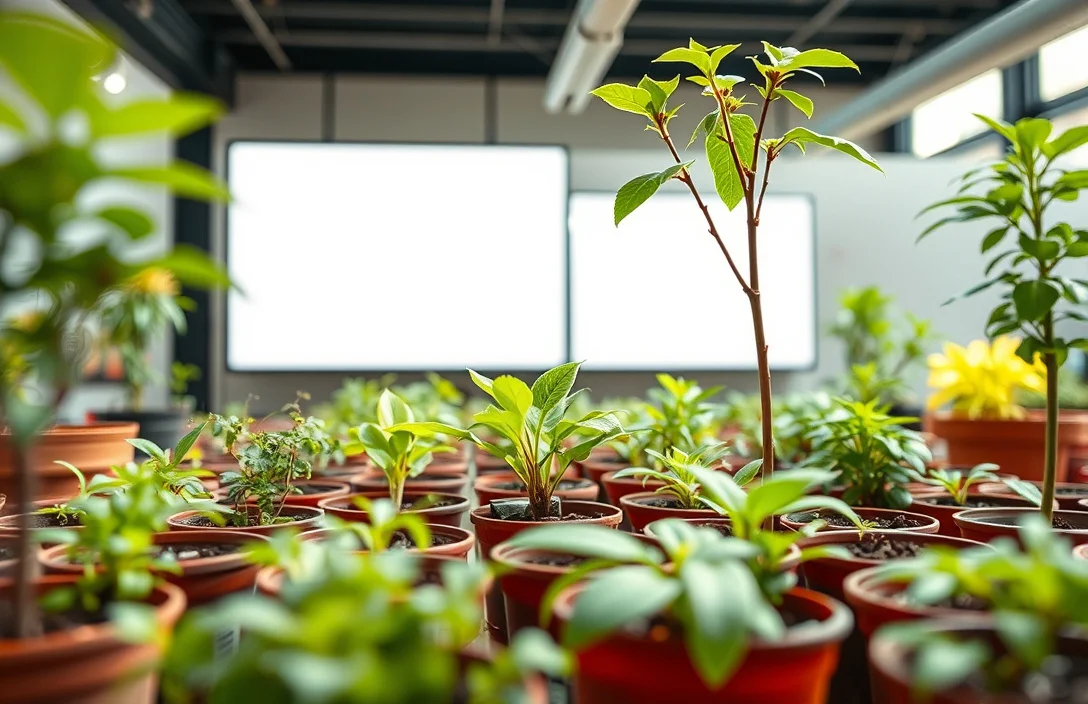
Start with the pot setup because it determines whether you’re growing a healthy plant or constantly managing stress. Use a container with drainage holes and potting mix (not garden soil). If you want extra insurance, keep a saucer under the pot and empty it after watering so roots never sit in runoff.
Then lock in watering based on soil moisture, not a fixed schedule. In small pots, the top inch can dry fast while the inside stays damp (or the reverse). Use your fingertip or a moisture meter. Water thoroughly until it drains, then wait until the mix is partly dry based on the plant’s needs.
Light placement decides indoor container success. Rotate the pot every 1 to 2 weeks for even growth, especially if the plant leans toward the window. If leaves grow farther apart, color looks pale, or growth slows, increase light instead of adding fertilizer.
Use these practical tips to keep plants that grow in small pots thriving:
- Repot on schedule (or choose plants that won’t). If roots circle hard or growth stalls, move up one pot size.
- Fertilize lightly and regularly. Small pots lose nutrients faster, so use a balanced fertilizer at label strength or slightly lower.
- Don’t over-pot. A pot that’s too large holds water too long, which can harm roots.
- Trim and pinch to control shape. Many compact plants branch better with light pruning.
- Watch for salts and crust. White crust on soil or pot edges can mean fertilizer buildup; flush occasionally with clean water.
- Use seasonal expectations. Growth slows in winter for most indoor plants, so ease off watering and feeding.

Helpful pick
RAOOKIF 100 Pack Nursery Pots, 4 5 6 Inch Nursery Pot for Plants, Plastic Plant Pots with Drainage Holes, Garden Flower Pots for Transplanting, Succulents, Cuttings, Seedlings(4inch,100pcs)
Provides a ready range of sizes for timely repotting and moving up a pot size as roots grow.
Benefits of plants that grow in small pots
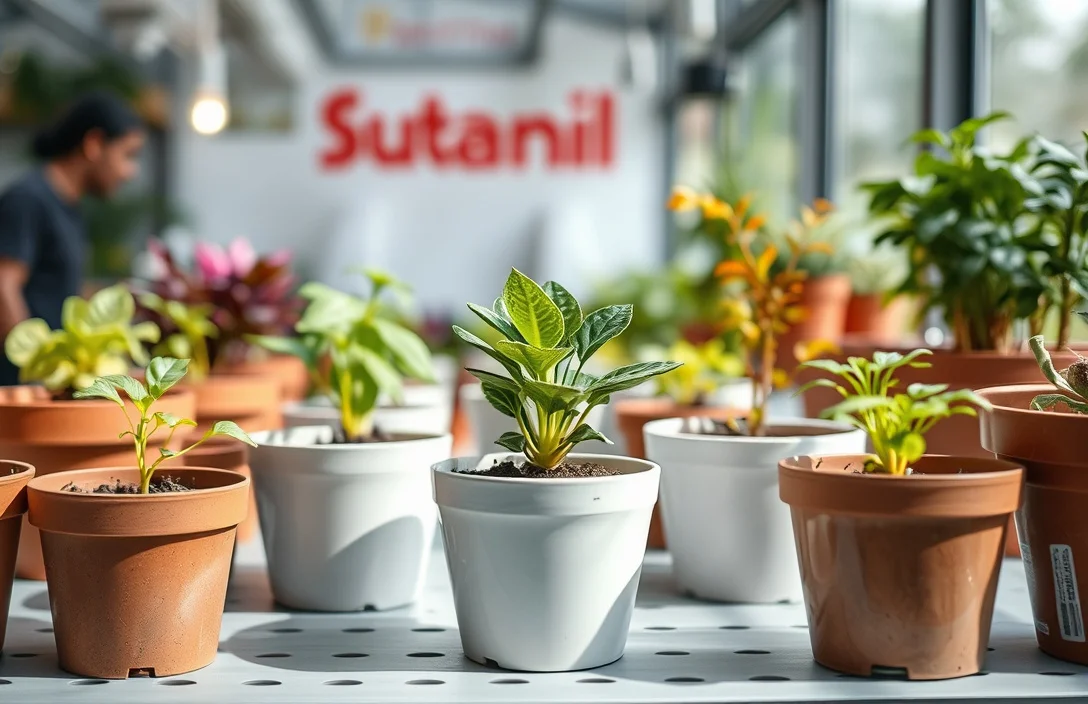
The biggest benefit is control. Small containers are easier to move, easier to group by light level, and easier to adjust when you realize a window is brighter (or dimmer) than you thought.
Small pots also let you “trial run” plants before committing to a larger setup. If you’re unsure you can keep up with watering or whether your light is strong enough, container growth tells you quickly. That feedback helps you avoid buying plants that won’t match your conditions.
There’s also a practical convenience benefit for many households in the US. You can garden on a patio, porch, apartment balcony, or by windows without raised beds or in-ground space. Herbs, compact ornamentals, and foliage plants deliver a living-green look with minimal setup.
Containers can reduce a few problems that happen in ground planting. You’re not dealing with in-ground drainage surprises, and you can isolate pest issues by keeping pots together and checking frequently.
Helpful pick
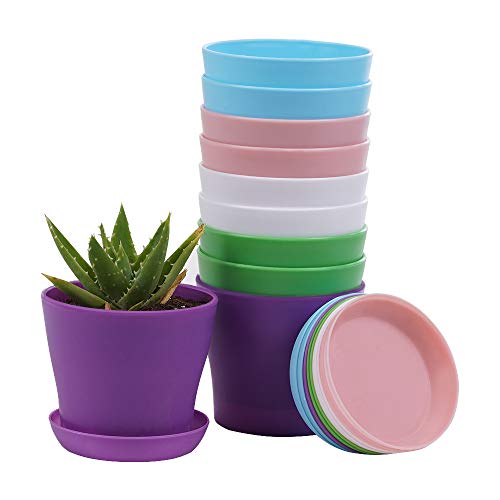
TDHDIKE 10 Pcs Plastic Planters Indoor Pots, Mini Flower Seedlings Nursery Flower Pot with Pallet, Modern Decorative Gardening Containers
Compact design and included tray make it simple to relocate, regroup by light, and test plants quickly.
Options for plants that grow in small pots
Several reliable categories fit most home setups. Pick based on your light and how often you can realistically water.
Category 1: Succulents and drought-tolerant plants. These forgive missed waterings because they store water and prefer drying out between waterings. They work well if you’re busy or indoor humidity stays low.
Category 2: Compact foliage plants. If you want greenery without heavy bloom demands, choose plants that thrive indoors with bright-to-medium light. These fit desks, bedrooms, and everyday living spaces.
Category 3: Herbs in small containers. Many culinary herbs do well in compact pots with enough sun and consistent feeding. They also tolerate being slightly root-restricted better than most people expect.
Category 4: Dwarf flowering plants. These stay ornamental and reward good light and care. They often want consistent conditions, so they’re best when you can get the light right.
Category 5: Slow-growing tropicals or miniature varieties. If you love houseplants but want less frequent repotting, pick slower growers and dwarf cultivars.
Below is a quick comparison to help you choose plants that grow in small pots based on your situation.
| Option type | Best for | Light range | Watering style | Common small-pot picks |
|---|---|---|---|---|
| Succulents | Forgetful schedules | Bright, indirect to full sun | Water sparingly, let mix dry | Jade-type succulents, haworthia |
| Compact herbs | Cooking + fresh scent | Full sun to very bright | Water when top dries, feed lightly | Thyme, chives, small basil varieties |
| Compact foliage plants | Low-fuss greenery | Bright to medium | Water when partly dry | Small pothos/cultivars, compact philodendrons |
| Dwarf flowering plants | Color in a container | Bright light, often direct sun | Keep evenly moist (not soggy) | Dwarf African violets, some begonias |
| Slow-growing tropicals | Longer time between repots | Medium to bright | Moderate, consistent care | Miniature dracaena-type plants, compact ficus varieties |

Helpful pick
24 Pack 3inch Multi Color Square Plastic Plant Pots,Seedling Nursery Transplanting Planter Container Indoor Outdoor for Your Room,Garden Office and Balcony Decor
Compact 3-inch pots provide ideal starter homes for small succulents or cuttings, aligning with drought-tolerant needs.
Expert Advice on plants that grow in small pots
Match the plant to your worst week, not your best day. If you sometimes miss watering, skip plants that need constant moisture. A small pot amplifies your habits, so choose plants that tolerate the way you actually care for them.
Container plants also need the right “root oxygen,” not just water. Stale, overly wet soil causes most issues. Use fresh potting mix, don’t reuse old mix that has gone hydrophobic or compacted, and never let the pot sit in a puddle.
Treat light like a requirement, not a suggestion. Indoors, window light is weaker than outdoors, so plan for that. If the plant stretches, turns pale, or drops leaves, increase light before you change fertilizer.
If you want plants that grow in small pots to stay attractive for months, build a maintenance plan:
A fast care checklist that works
- Check moisture daily for the first week. Small pots swing faster than you expect.
- Water thoroughly, then pause. Keep the mix from staying constantly damp.
- Feed lightly after roots settle. Start feeding after new growth shows up.
- Inspect leaves weekly. Check under leaves for pests and look for yellowing patterns.
- Repot when growth stalls. Don’t wait for the plant to look sick.
Examples: plants that grow in small pots
Solid choices for small containers are usually the plants that stay compact or tolerate container life well when you match light and watering.
For a bright windowsill with some sun, succulents and drought-tolerant houseplants are excellent. They often handle small pots better than many tropicals because their water needs are lower and they dry out faster, which reduces root-rot risk.
For medium light indoors, compact foliage plants usually deliver the best payoff. They grow, just more slowly, so you repot less and don’t feel like growth is stuck every week.
For patios or balconies with direct sun, herbs and dwarf flowering plants can be excellent. Herbs also give quick feedback, so you spot stress early and adjust before it becomes a problem.
Here are specific plant examples you can consider in small pots:
- Succulents: jade-type succulents, haworthia, echeveria (use a well-draining mix and bright light).
- Herbs: thyme, chives, and compact basil varieties (sun and consistent feeding matter).
- Foliage houseplants: compact cultivars of pothos and philodendron types (bright-to-medium light, moderate watering).
- Dwarf flowering options: African violet for indoor setups with proper light and watering technique.
- Compact ornamentals: some dwarf begonias (light and even moisture are key).
If you want one “safe starter” approach, pick one succulent or drought-tolerant plant plus one compact foliage plant. You’ll cover two different watering styles and learn your environment fast.
FAQ
What is the best pot size for plants that grow in small pots?
For most container plants, keep the pot only slightly larger than the plant’s current root ball. If you go much bigger, the soil stays wet longer, which can cause root rot. A drainage hole is non-negotiable, and for many small plants, pots around 4 to 6 inches work well as a starting point.
How often should I water plants that grow in small pots?
Watering frequency depends on light, temperature, and pot material, so use the soil as your guide. Check moisture by feel; if the top layer is dry, water until it drains, then wait again. Small pots can require watering every few days in summer, but in winter it can stretch to once weekly or longer.
Do small pots affect plant safety, like root rot or fertilizer burns?
Yes. Small pots dry faster but also accumulate salts and fertilizer residue more quickly. Root rot happens when the mix stays soggy, especially without a drainage hole or when you use garden soil. Stick to fresh potting mix, avoid leaving runoff in the saucer, and don’t over-fertilize.
What are the easiest plants that grow in small pots?
Succulents and drought-tolerant plants are usually the easiest because they tolerate missed waterings. Compact foliage houseplants are the next easiest when placed in the brightest window you have. If you want something you can use immediately, compact herbs are also beginner-friendly with enough sun and light feeding.
What’s the most common mistake when growing plants in small pots?
Treating a small pot like it can take “more water” is the most common mistake. Overwatering and poorly draining mix are the fastest ways to cause decline. A close second is choosing a plant that needs more space and light, then trying to force it with fertilizer instead of improving conditions.

- 10 Best Slow Cooker For Large Kitchens 2026 (Tested And Reviewed) - October 19, 2026
- 10 Best Slow Cooker For Small Kitchens 2026 (Tested And Reviewed) - October 18, 2026
- 10 Best Slow Cooker For Kitchen Countertop 2026 (Tested And Reviewed) - October 18, 2026