Rice In The Rice Cooker: Perfect Fluffy Rice Every Time
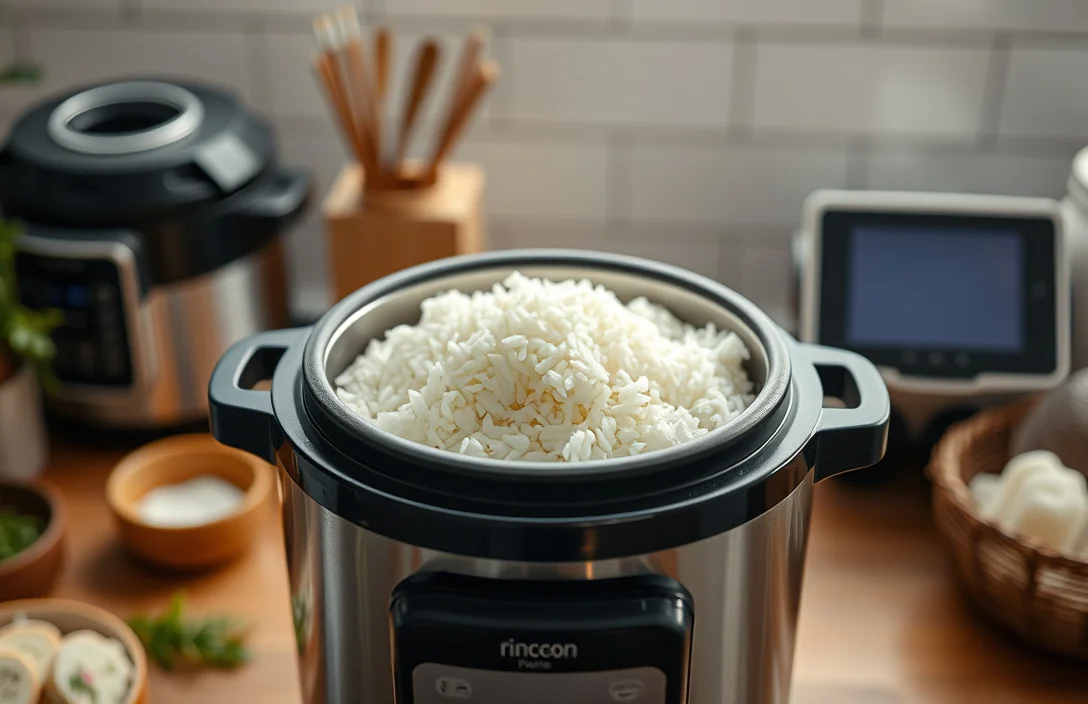
Rice in the rice cooker is one of the easiest “set it and forget it” meals you can make, as long as you nail the two things that actually control the result – the rice-to-water ratio and the rest time. If your rice turns out wet, crunchy, or uneven, you usually do not need a new cooker. You need the right process. This guide helps you get reliable rice every time, with options for different types of meals.
Rice in the rice cooker works because the cooker holds a steady temperature until the water is absorbed. For white rice, most methods land around 15 to 20 minutes cook time, then rest 5 to 10 minutes before fluffing. Brown rice needs 35 to 40 minutes, then rest before fluffing.
Key Takeaways
- Use the right ratio. Short-grain white rice often starts at 1 cup rice to 1 1/4 cups water.
- Plan rest time. Fluff after resting 5 to 10 minutes for better texture.
- Match rice to settings. Brown rice needs longer cook time than white rice in a typical cooker.
- Rinse for consistency. Rinsing reduces surface starch that can turn rice gummy.
- Avoid peeking. Opening the lid disrupts heat and can lead to uneven doneness.
- Measure by weight if you can. Volume cups vary, especially with older measuring cups.
What to Know About rice in the rice cooker
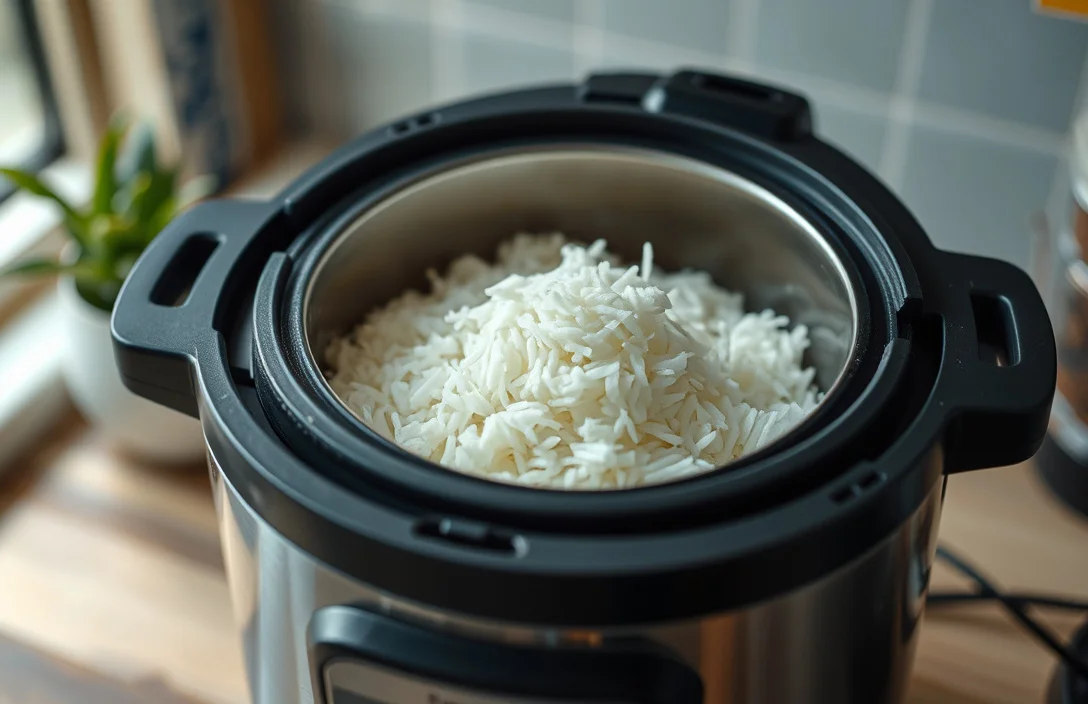
Rice is a starchy cereal grain (Oryza sativa) used worldwide, and it cooks by absorbing water until heat stops the process. In a rice cooker, the “stopping point” is built into the device, so you get fewer swings than stovetop cooking. Still, rice in a rice cooker is not magic – it is heat control, correct ratios, and how you handle it after cooking.
Most rice “fails” come from one of three inputs: wrong water amount, wrong rice type for the setting, or skipping the resting phase. Your best results come from choosing rice you can identify (white long-grain, medium-grain, brown), measuring accurately, and letting the cooker finish undisturbed. The rest matters because steam keeps cooking the outer layer after the cycle ends.
Things that matter most
Your cooker does the timing and temperature control, but it cannot fix the variables you feed it. Get those variables right and you get fluffy rice instead of mushy or undercooked rice.
These are the main decisions that change the outcome:
- Rice type dictates water and time. Short-grain white, long-grain white, medium-grain white, brown, black, and wild rice each need different ratios and longer cook times for heavier grains.
- Use the cooker’s rice setting carefully. Many cookers have “white rice” and “brown rice.” Choose the closest option to your rice.
- Rest before fluffing. Resting 5 to 10 minutes evens out texture.
- Use the inner pot as your measurement guide. If your cooker includes fill lines, use the intended “cups” for that unit. If it does not, use a measuring cup consistently.
- Keep the lid closed. Every time you check, you lose steam and heat, which can create uneven results.
A practical ratio guide to start with
Start here with commonly reliable ratios and cook-time targets, especially if you are troubleshooting.
| Rice type | Rice-to-water ratio (typical) | Cook time target |
|---|---|---|
| Short-grain white | 1 cup rice to 1 1/4 cups water | 15 to 20 minutes |
| Long-grain white | 1 cup rice to 1 1/2 cups water | 15 to 20 minutes |
| Medium-grain white | 1 cup rice to 2 cups water | 15 to 20 minutes |
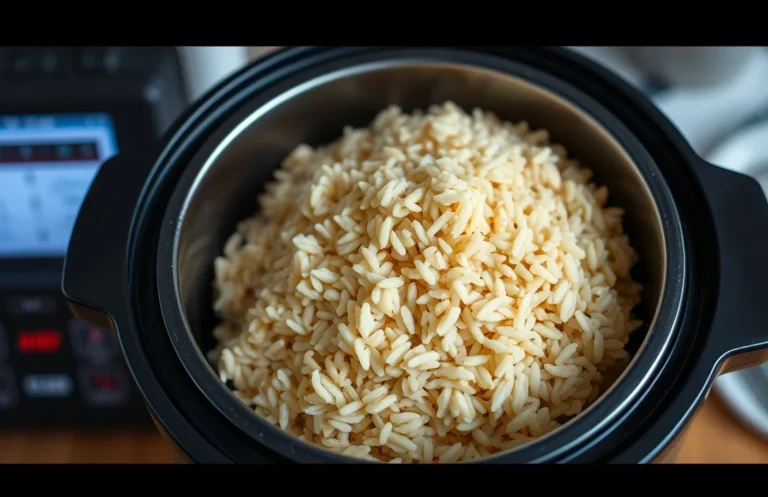
| Brown rice | 1 cup rice to 2 cups water (varies by type) | 35 to 40 minutes |
| Black rice | 1 cup rice to 2 cups water | 35 to 45 minutes |
| Wild rice | 1 cup wild rice to 3 cups water | 45 to 55 minutes |
These targets cover the overall process. Your cooker might finish a little earlier or later. If you keep landing high or low, adjust water by a small amount next time instead of changing everything at once.
Tips for rice in the rice cooker
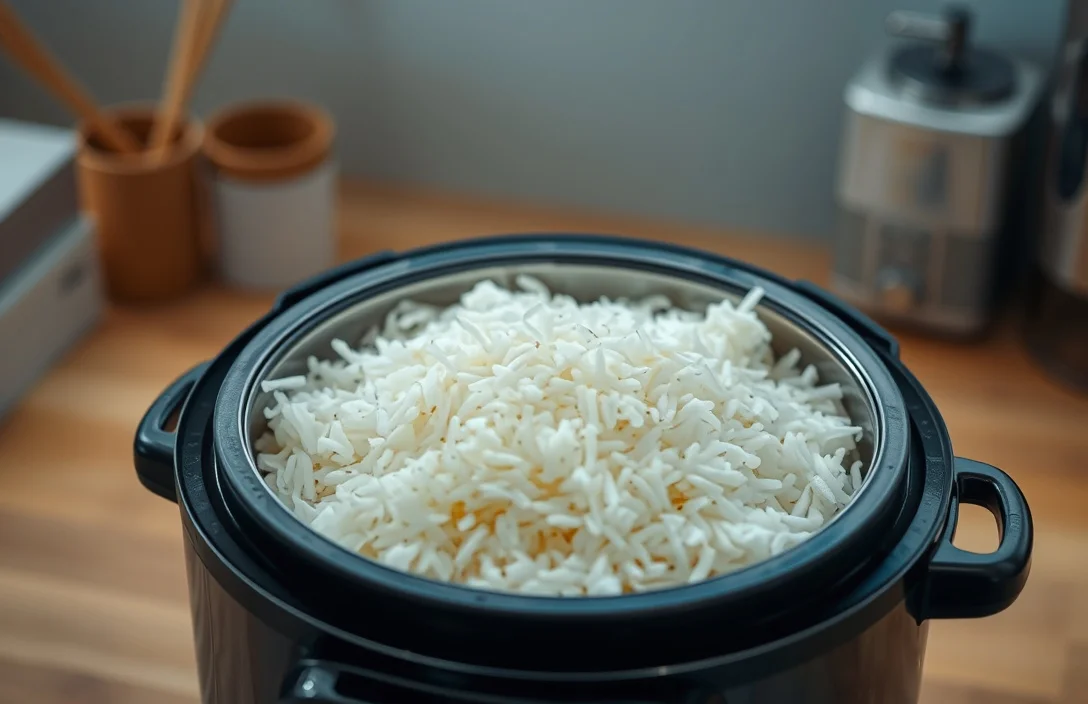
Treat rice like a recipe with guardrails: rinsing, ratios, and rest control the difference between “fine” rice and rice you actually want to eat plain.
First, rinse rice when you want separate, fluffy grains. Rinsing removes surface starch that can make rice gummy. If you plan to use the rice for fried rice later, rinsing helps reduce clumping.
Second, never skip the rest. Let rice rest, covered, for 5 to 10 minutes, then fluff with a fork. That pause lets steam finish cooking the outer grains so the texture is more uniform.
Third, measure with care. Measuring cups drift, and older cups can be off enough to matter. If you can, measure rice and water by weight for repeatability. If you cannot, use the same set of measuring cups every time and level the rice in the cup instead of packing it.
Finally, write down what happens when you troubleshoot. Crunchy center usually points to too little water or the wrong setting for the rice type (for example, using a white-rice setting for brown rice). Mushy rice usually points to too much water or using a ratio that belongs to a different grain type.
A reliable troubleshooting
- Crunchy center. Add a little more water next time, and confirm you used the right setting.
- Mushy top, undercooked bottom. You likely disturbed heat by opening the lid or overfilled the pot.
- Gummy texture. Rinse the rice and consider using the lower-water ratio for that grain type.
- Dry rice. Add a bit more water or extend cooking by switching to the appropriate longer-cook setting when you have one.
Benefits of rice in the rice cooker
The biggest benefit is reliability. You are not trying to hit a specific boil-and-simmer moment on the stovetop, and you are not juggling a timer and a pot at the same time. Once you set the cooker, it maintains the right environment until the rice is ready, which makes weeknight rice far easier to repeat.
Rice cookers also add flexibility. You can cook rice and keep it warm without micromanaging, which helps when you are coordinating a full dinner. This matters for meal prep too: properly rested rice reheats better when you store it promptly.
Finally, rice in the rice cooker scales well. If you double a recipe and keep the same ratio, most cookers handle larger batches better than stovetop because the cooker manages heat distribution. That reduces “batch variability,” which is what tends to derail meal-prep plans.

Helpful pick
Elite Gourmet ERC-003X Electric Rice Cooker with Automatic Keep Warm Makes Soups, Stews, Grains, Hot Cereals, 6 Cups Cooked (3 Cups Uncooked), White
This cooker reinforces reliability by delivering consistent texture and hands-off operation, matching the section’s reliability advantage.
Options for rice in the rice cooker
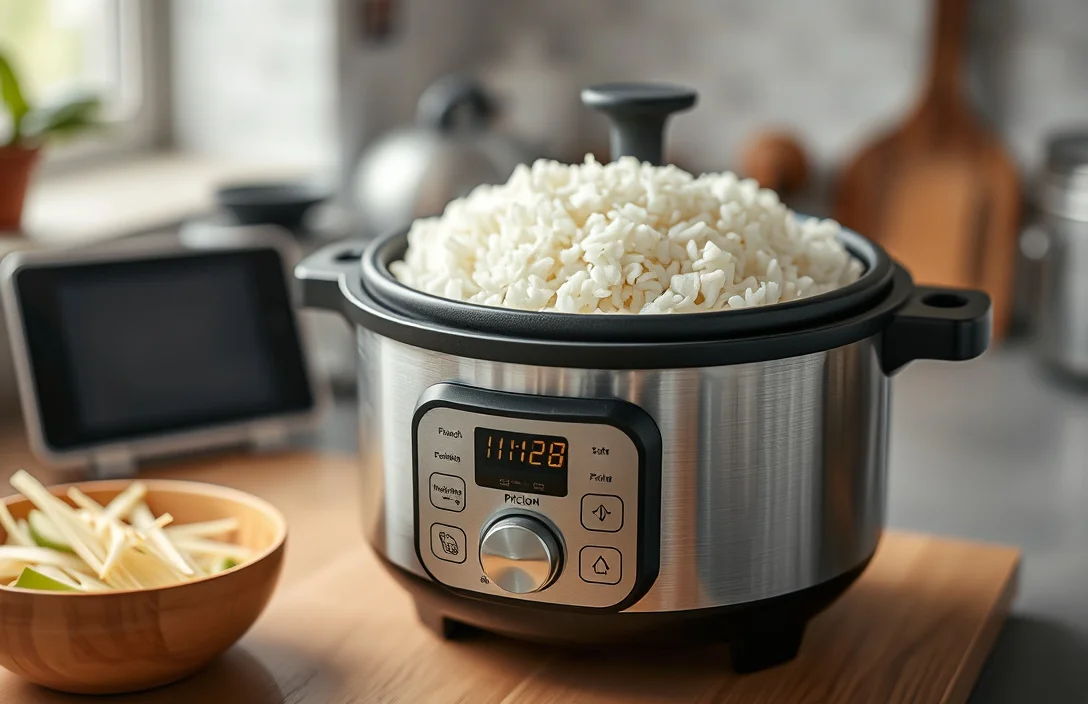
Your rice cooker is not just for plain white rice. With the right grain choice and ratio, you can make everything from fluffy sides to rice for fried rice workflows.
Match your rice to the texture you want:
- For fluffy, separate grains: long-grain white rice is usually the easiest win.
- For creamy or more tender spoonable rice: medium-grain white rice gives a softer result.
- For hearty, nutty bowls: brown, black, or wild rice brings chew and deeper flavor.
- For fried rice later: cook white rice, rinse it, and cool it properly before stir-frying so it does not turn mushy.
Timing options that help you plan meals
Plan around cook-time differences instead of rushing everything together. White rice often lands in the 15 to 20 minute range, while brown rice commonly needs 35 to 40 minutes. Black rice can go up to 45 minutes and wild rice is often 45 to 55 minutes. Start brown or wild rice earlier, and run white rice while you prep vegetables.
If your cooker only has one mode, you can still cook brown rice, but take the lower-risk approach: confirm the rice type and ratio, then use the longer-cook setting if it exists. If it does not, test small batches and pay attention to how your specific cooker behaves.

Helpful pick
Elite Gourmet ERC006SS 6-Cup Electric Rice Cooker with Stainless Steel Inner Pot, Makes Soups, Stews, Porridges, Grains and Cereals, 6 cup (3 cups uncooked), Black
This model supports a wide range of grains and ratios, not just plain white rice.
Expert Advice on rice in the rice cooker
Cookers vary, but the fundamentals do not. Standardize your inputs so you can trust the process, then adjust one variable at a time when something goes wrong.
Start by learning your cooker with one baseline recipe. Choose a single rice type (long-grain white works well for most people), use the ratio and cook-time target that matches it, then check texture when it finishes. Adjust water slightly next time only if needed. When you do not change multiple things at once, you actually learn what fixed the problem.
Do not rush the rest. Resting 5 to 10 minutes after cooking helps grain separation and texture because the rice continues absorbing steam inside the lid. Fluffing immediately can leave you with uneven texture.
Pick rice to match the meal. If something seems “wrong,” check the basics first: brown rice on a white-rice setting, or wild rice using a white-rice ratio, can both cause problems. Ratios in rice cookers are not universal – grain structure and milling level change how much water you need.
Handle rice after cooking too. If you will reheat it or use it for fried rice, cooling matters. Spread it out to cool faster, then refrigerate promptly. Warm leftovers are fine, but leaving cooked rice at room temperature too long can create food-safety risk.

Helpful pick
BLACK+DECKER Rice Cooker 6-Cup (Cooked) with Steaming Basket, Removable Non-Stick Bowl, White
This model offers reliable basic performance, helping you standardize inputs and establish a baseline recipe.
Examples: rice in the rice cooker
Rice in the rice cooker works as a base. It becomes dinner when you treat it like an ingredient, not just a side you plate and forget.
For an easy rice bowl route, cook plain white rice, then top it with a quick protein and sauce. Recipes like Street Corn Chicken Rice Bowl and Honey Garlic Pork Rice Bowl are built for short cook times (one example lists 20 min, another lists 20 min and “less than 25 minutes”), which pairs well with using rice cooker rice as the base.
Rice cooker rice also fits stir-fry and quick bowl meals. A Chicken Stir-Fry Rice Bowl is typically a fast mix-and-match recipe, and having rice ready keeps you focused on vegetables and sauce texture. If you are making teriyaki-style bowls, an Easy Teriyaki Chicken Rice example lists cooking time as 20 min, which matches well with starting rice first and cooking the chicken alongside it.
For something more comforting, use rice for soup. A Creamy Chicken and Rice Soup example lists cooking time as 15 min in an Instant Pot context, but the idea is the same: rice plus broth and dairy (or another thickener). Using rice cooker rice reduces prep stress because you start with cooked grains.
Use your rice cooker to support sides too. If a dinner plan needs “just rice,” choose white rice for quick pairing, or choose brown rice when the meal benefits from a firmer texture and nutty flavor. Same base grain, different payoff.
FAQ
What is the best water-to-rice ratio for rice in the rice cooker?
A common starting point depends on the grain: short-grain white is 1 cup rice to 1 1/4 cups water, long-grain white is 1 cup to 1 1/2 cups, and medium-grain white is 1 cup to 2 cups. Brown rice often starts at 1 cup to 2 cups water. If your rice is consistently off, adjust water slightly next time instead of switching everything.
How long does rice in the rice cooker take?
White rice is often in the 15 to 20 minute range, while brown rice is commonly 35 to 40 minutes. Black rice targets are often 35 to 45 minutes, and wild rice is typically 45 to 55 minutes. Your cooker may finish earlier or later based on batch size and starting temperature.
Should I rinse rice before using the rice cooker?
Rinsing reduces surface starch, which can make rice gummy. If you want separate grains for everyday meals or fried rice, rinsing is usually worth it. If you prefer a softer, slightly stickier texture, you can skip rinsing, but expect a different result.
How do I prevent sticky rice in the rice cooker?
Use the correct water ratio for your rice type, rinse if you want less starch, and do not open the lid during cooking. Fluff after resting 5 to 10 minutes, because steam finishes distributing through the grains during the rest. If it is still sticky, reduce water slightly in the next batch.
Can I cook brown rice in a rice cooker if I only have a white rice setting?
You can try, but brown rice needs longer cook time and more water. Typical targets are around 35 to 40 minutes and 1 cup rice to 2 cups water (varies by type). If your cooker cannot extend time, start with a smaller batch and check texture early so you learn how your model behaves.

- 10 Best 8 Quart Programmable Slow Cooker 2026 (Tested And Reviewed) - October 25, 2026
- 10 Best Extra Large Programmable Slow Cooker 2026 (Tested And Reviewed) - October 25, 2026
- 10 Best Large Capacity Programmable Slow Cooker 2026 (Tested And Reviewed) - October 25, 2026