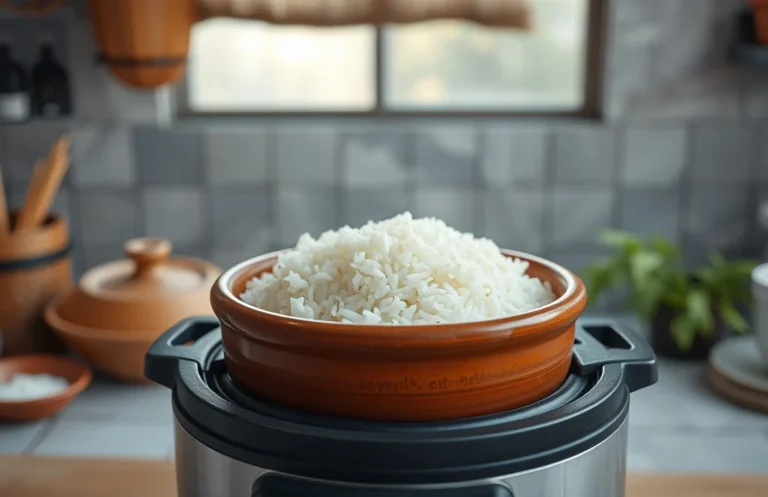
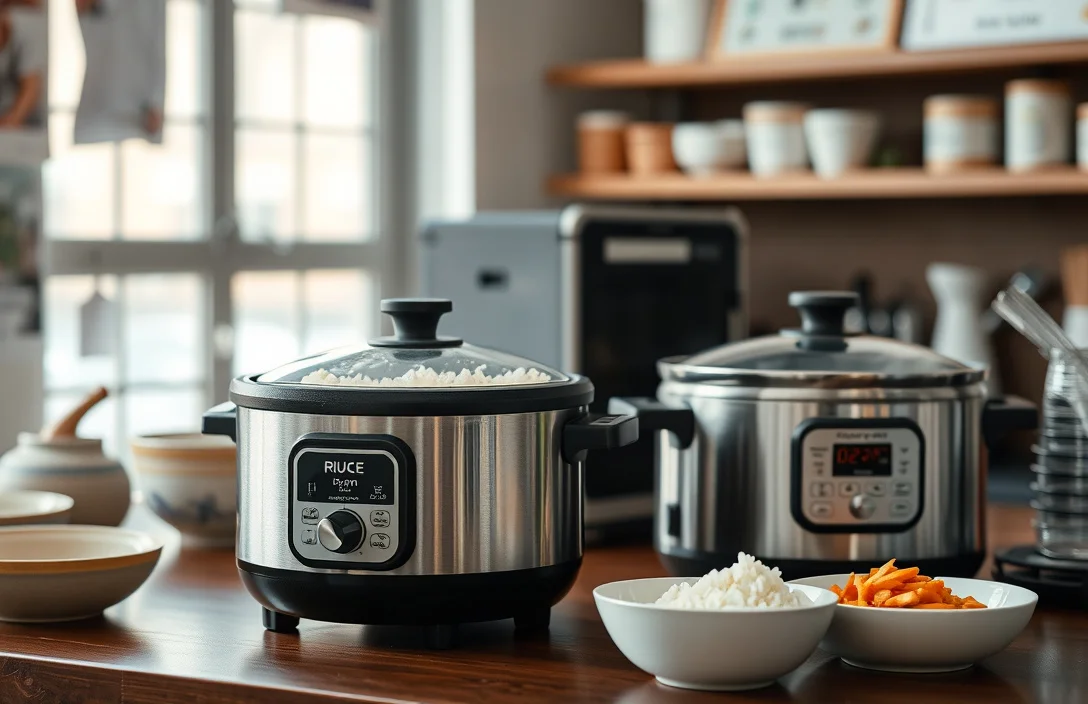
Is Rice Cooker And Slow Cooker The Same?
Yes. A golf cart battery keeps accepting current after it is full, and that extra energy turns into heat and gas instead of stored charge. Flooded lead-acid packs are the most vulnerable – push them past about 2.45 volts per cell and they start boiling off water and venting hydrogen. Lithium (LiFePO4) packs are safer because the built-in BMS cuts charging at the cell limit, but a cheap or mismatched charger can still force a shutdown or trip thermal protection.
What actually happens depends on your charger. A modern multi-stage charger drops to a float voltage once the pack is full, so overcharge is unlikely. An old manual charger with a wall timer has no idea when the battery is full – leave it running overnight and you will cook the pack.
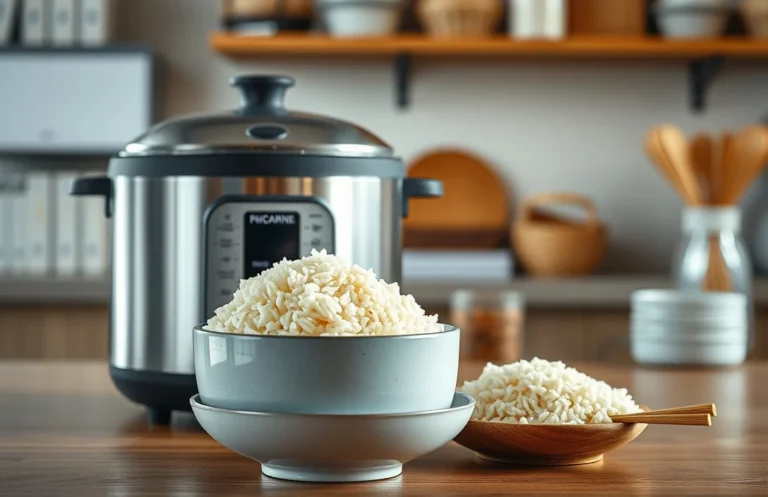
Rice cooker and slow cooker are not the same appliance, even though both can “set it and forget it.” A rice cooker is tuned for rice’s water absorption and timing, while a slow cooker is tuned for long, moist braises of meats, beans, and stews. This guide helps you pick the right tool, translate timings when you switch devices, and avoid the two most common failure modes – mushy rice and undercooked fillings.
Rice cooker and slow cooker are not the same. Rice cookers use a calibrated heat pattern and (often) a keep-warm cycle for grain cooking, so you can expect typical rice cook times like 15 to 20 minutes for white rice and 35 to 40 minutes for brown rice. Slow cookers run for hours and are built for tenderizing tougher foods, not precise, measured rice hydration.
Key Takeaways
- They cook differently. Rice cookers manage steam and water absorption for grains; slow cookers use low, moist heat for hours.
- Timings do not swap. White rice often cooks in 15 to 20 minutes, while many slow-cooker meals need 4 to 8 hours.
- Doneness cues matter. Fluffy, separate grains mean rice is right; spoon-tender meat and reduced sauce mean slow-cooker success.
- Heat builds up. Using a slow cooker like a rice cooker can overcook rice because it stays hot much longer.
- Choose by the ingredient. Rice wants tight water ratios, while slow-cooker foods benefit from collagen breakdown.
- You can cross-use carefully. Some soups and rice blends work in a slow cooker, but start with less liquid and expect trials.
What to Know About Rice Cooker and Slow Cooker
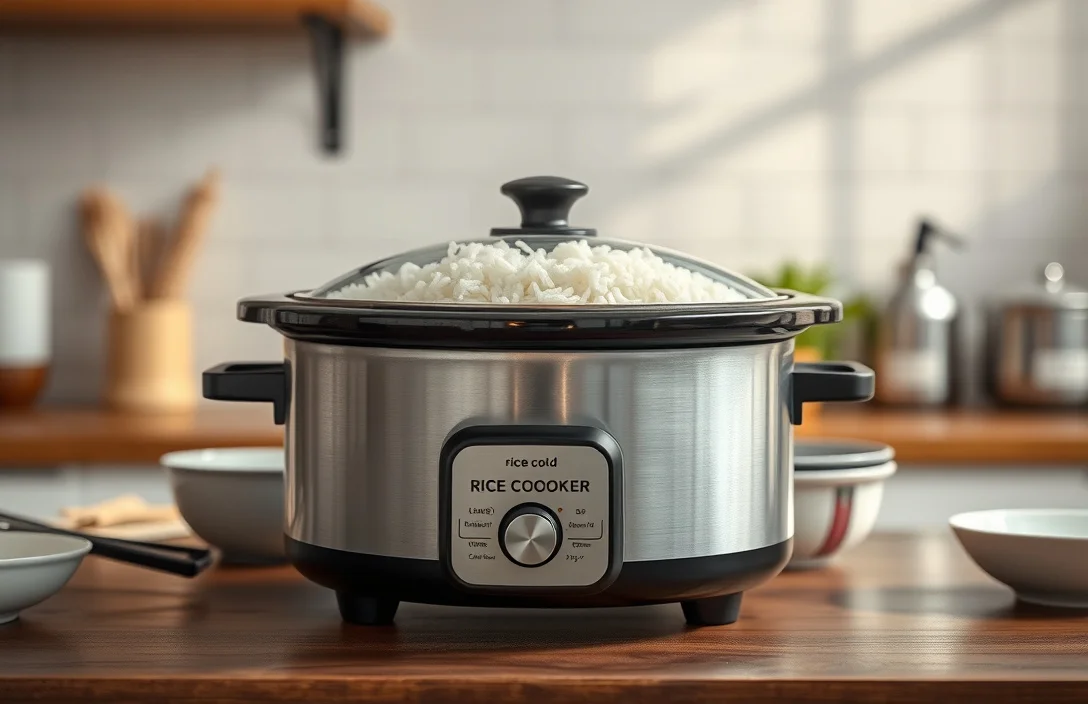
A rice cooker is designed to cook grains using controlled heat, steam, and a temperature/algorithm or timer pattern that finishes rice at the right moment, then switches to keep-warm. Most rice is cooked with a measured rice-to-water ratio and benefits from a rest period after cooking. For stovetop guidance, rice is typically rested covered for 10 to 15 minutes before fluffing and serving.
A slow cooker (crock-pot) is built for long, gentle braises where tough proteins soften gradually and connective tissue breaks down over hours. Instead of aiming for “precise grain texture,” slow cookers aim for a consistent simmering environment that turns beans and roasts tender and thickens sauces through extended time. Because slow cookers hold heat for so long, they can turn rice from fluffy to mush if you treat them like a rice cooker.
Rice cookers are a water and timing device for grains; slow cookers are a low-and-slow device for fillings. If you’re trying to cook rice specifically, you’ll get better results by using the rice cooker’s rice programs and measurements (or the stovetop method you already trust). If you’re cooking chili, stew, or pulled meat, the slow cooker’s long cooking window is the point.
Things that matter most
Rice cookers and slow cookers differ in three ways that affect food: temperature behavior, target doneness, and how long the appliance stays in “finish” mode. Rice needs to stop absorbing water right after it reaches the right hydration state. Slow-cooked foods keep breaking down as heat continues, so “finishing early” is less critical than “cooking long enough.”
Rice cook times vary by grain type – that’s one reason rice cookers work so well. For common rice types, typical stovetop cook times are 15 to 20 minutes for short-, medium-, and long-grain white rice. Brown rice is often 35 to 40 minutes, black rice 35 to 45 minutes, and wild rice 45 to 55 minutes.
Slow-cooker recipes are written for multi-hour processing, especially for tougher cuts and dried beans. That long window changes texture over time, so the risk isn’t just “not done” – it’s “over done.” If you insist on using a slow cooker for rice, you usually need a lower-liquid approach, a shorter time than you think, and a plan to stop cooking before the grains collapse.
Use this pairing logic:
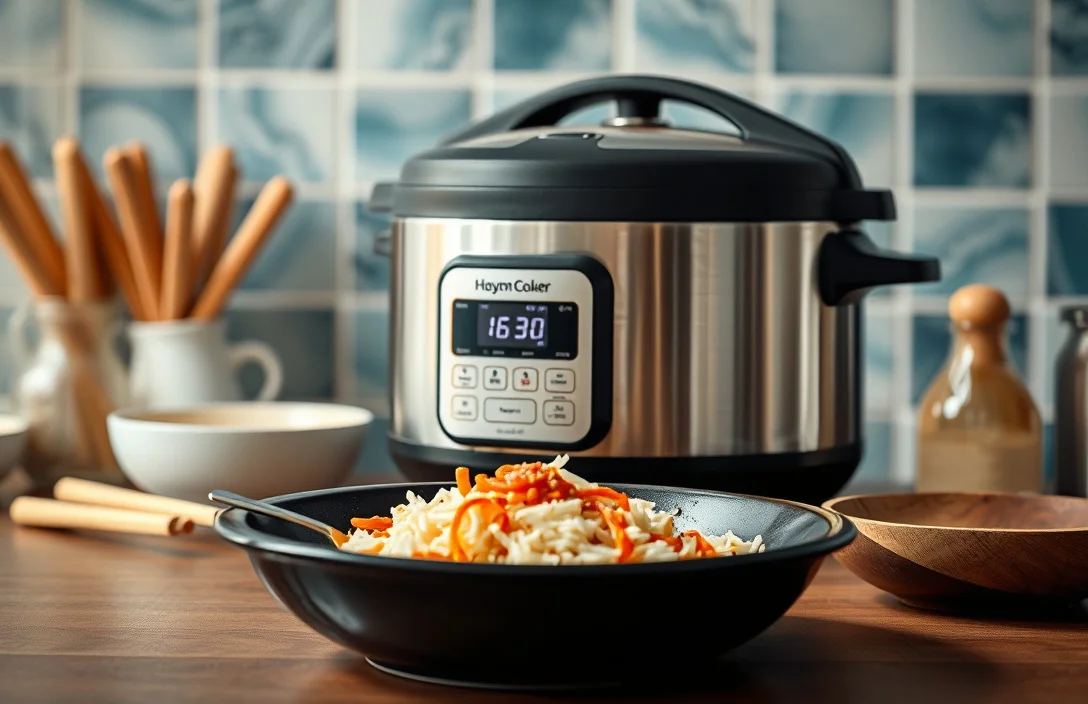
- Rice cooker for white rice, brown rice, black rice, and rice sides.
- Slow cooker for beans, soups, stews, chili, braises, and shredded meats.
- One-pot hybrid recipes only when they’re designed for the longer timeline.
Tips for Rice Cooker and Slow Cooker
Start with the simplest rule: don’t swap appliances without adjusting expectations. If you want rice, treat the recipe like a rice recipe and follow rice ratios, then finish with rest and fluff. If you want stew, treat the recipe like a stew recipe and avoid adding grains too early unless the recipe explicitly calls for it.
These practical tips prevent the common disasters:
- Use the right water ratio. Rice cookers are built for specific ratios by program and design; slow cookers add time-driven hydration that can outpace your measurements.
- Know your rice type. White rice and brown rice have very different cook windows – 15 to 20 minutes versus 35 to 40 minutes on the stove.
- Rest before fluffing. Even on the stove, rice rests 10 to 15 minutes covered before fluffing; most methods follow the same logic.
- Lower the risk when adapting. If you try rice in a slow cooker, start with less liquid than a rice-cooker recipe, check early, and plan to add a small amount of warm water if it’s dry.
- Avoid lifting the lid early. Both appliances lose heat when you open them, but slow cookers lose less consistency if you disturb them often. With rice, frequent checking can also lead to uneven texture.
Quick method: stove-rice timing (to compare)
Use stovetop timing as your baseline when you’re unsure. White rice usually finishes in 15 to 20 minutes, brown rice typically needs 35 to 40 minutes, and wild rice commonly takes 45 to 55 minutes. These benchmarks help you avoid the classic slow-cooker mistake of leaving rice in “until it looks done” – because it often reaches done-looking long before it reaches done.
Benefits of Rice Cooker and Slow Cooker
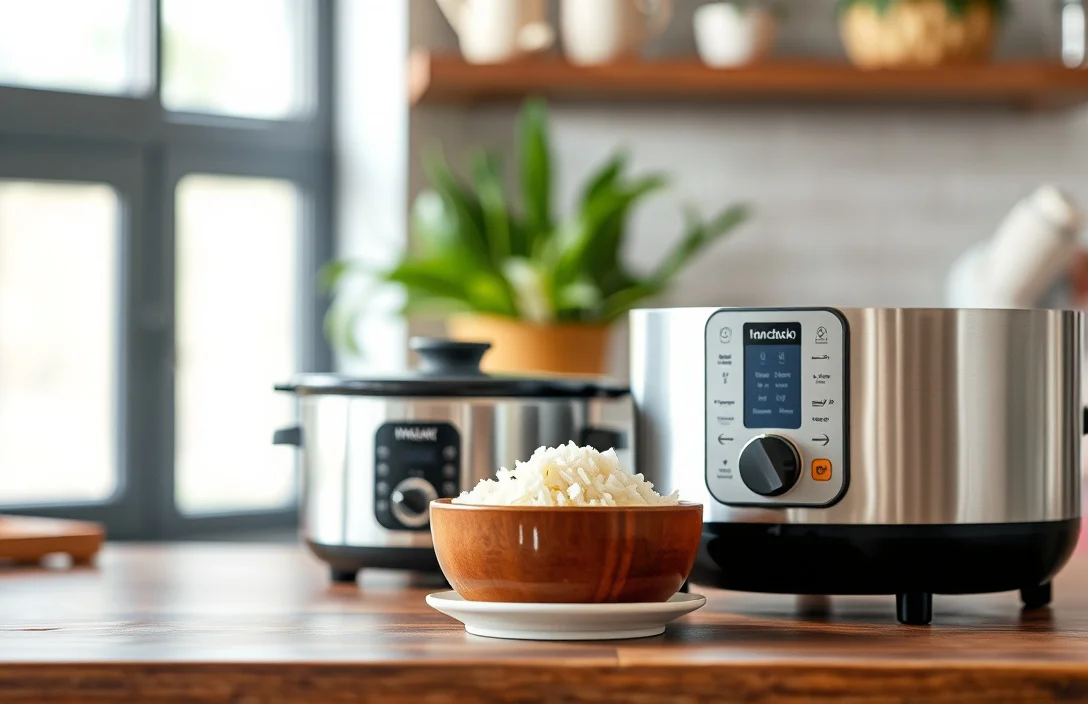
A rice cooker delivers repeatable grain texture with minimal babysitting. When you use the correct water-to-rice ratio and let the rice rest, you get separate, tender grains without the guesswork of evaporation and boil strength. The rest step matters because rice keeps steaming and setting as it sits covered for 10 to 15 minutes before you fluff.
A slow cooker delivers convenience and deep flavor development through long simmer time. Stews, chili, and braises improve when flavors blend for hours and collagen-rich cuts soften until they shred. Slow cookers also forgive imperfect schedules because you’re cooking toward “tender enough after a long cook,” not “perfect at minute 17.”
Trade-off wise:
- If your goal is rice sides and rice-based meals, a rice cooker wins because it’s tuned to rice timing.
- If your goal is hands-off dinners like pot roast, beans, or soups, a slow cooker wins because it’s tuned to long, moist heat.
Trying to force slow-cooker performance onto rice usually wrecks texture, and forcing rice-cooker performance onto stew usually undercuts tenderness. Match the appliance to how the ingredient behaves.
Options for Rice Cooker and Slow Cooker
If you’re deciding what to buy or what to use today, work backward from the meals you actually make and how much timing control you want.
| Appliance | Key Spec/Behavior | Best For | Typical Timing Anchor |
|---|---|---|---|
| Rice cooker | Calibrated heat for grains, often has keep-warm | White and brown rice, rice bowls, simple rice sides | White rice often 15 to 20 minutes, brown rice often 35 to 40 minutes (stovetop benchmarks) |
| Slow cooker | Low, moist heat for hours, built for braises | Stews, chili, beans, shredded meats, soups | Multi-hour recipes (often 4 to 8 hours in practice) |
| Stovetop pot (baseline) | Direct control over boil and evaporation | Emergency rice, quick sides without extra appliances | White rice 15 to 20 minutes; rest 10 to 15 minutes covered |
| Instant Pot / pressure cooker (if you have one) | Pressure speeds cooking dramatically | Rice and stews when you want faster results | Varies by model and recipe, check guidance |
If you already own both, use each for its strengths. If you only own one and want the other result sometimes, adapt the recipe instead of trying to “convert everything” mechanically. Keep the rest step in mind when switching grains, and don’t treat rice like a filling that can sit for hours when you’re aiming for proper grain texture.
Expert Advice on Rice Cooker and Slow Cooker
Stop treating these appliances as interchangeable “slow machines.” A rice cooker is optimized for grain hydration and shutting down at the right moment, then holding warm. A slow cooker is optimized for breaking down tough foods over long time while staying hot enough to keep simmering. Your best conversion strategy starts with the ingredient, not the gadget.
Use these rules when adapting recipes:
- For rice in a slow cooker: check earlier than you think, reduce liquid, and plan for a short warm rest at the end. Rice can overshoot ideal texture quickly because the appliance keeps heating after the grains have absorbed enough water.
- For stew in a rice cooker: you often won’t get the same braise time unless your model supports long cooking. Rice cookers can over-thicken or dry out depending on heat behavior and how aggressively they keep warm.
- For mixed dishes: add grains later if the grains need shorter cook times. If you add rice early to a slow cooker without a designed recipe, it usually turns to mush.
My practical recommendation is straightforward: if your weekly pattern is “rice sides or rice bowls,” get the rice cooker and treat it as your rice appliance. If your weekly pattern is “chili, stew, shredded meat,” use the slow cooker and keep rice for the rice cooker or stovetop.
Examples: Rice Cooker and Slow Cooker
Match the appliance to what you’re cooking, and the results stop feeling mysterious.
For a rice side in a rice cooker: measure rice and water by the ratio for your rice type, start the cook, then let the rice rest covered for 10 to 15 minutes before fluffing and seasoning. That rest finishes steaming inside the pot. If the rice is still firm, don’t wait hours – add a small amount of warm water, cover, and give it a brief warm-steam cycle (some models have a re-cook setting).
For slow-cooker chili: long heat is the point. Brown the meat (or skip it if your recipe allows), but either way you’re giving the chili hours for flavors to blend and beans to soften. If you’re serving chili over rice, cook the rice separately so it doesn’t have to survive the slow cooker’s multi-hour timeline. Keeping the rice separate prevents thick, porridge-like texture and lets chili stay where you want it.
I only consider one-pot “rice + sauce + protein” in a slow cooker when the recipe is actually written for that timeline. Even then, follow the recipe’s liquid plan and rice-add timing so the grains stay distinct.
FAQ
Is rice cooker and slow cooker the same appliance?
No. A rice cooker is tuned for grains using measured water absorption, then holding warm to keep rice at serving temperature. A slow cooker is tuned for long, moist cooking so meats and beans become tender. Swapping one for the other usually compromises rice texture or stew doneness because the cooking goals and timing are different.
Can I cook rice in a slow cooker?
Yes, but mushy rice is common because slow cookers run for hours. Start with less liquid than a rice-cooker recipe, check early, and stop when grains are tender but still distinct. White rice often cooks in 15 to 20 minutes on the stove, while brown rice is often 35 to 40 minutes, so “hours” can easily be too long.
How long does rice take in a rice cooker?
Rice cooker times vary by model and rice type, but stovetop benchmarks set expectations: short-, medium-, and long-grain white rice are often 15 to 20 minutes, while brown rice is often 35 to 40 minutes. After the cycle ends, rest the rice covered for 10 to 15 minutes before fluffing for best texture.
What’s safer for food texture, rice cooker or slow cooker?
Rice cooker is safer for rice texture because it’s designed to stop at the right hydration point and then keep warm. Slow cookers can keep cooking past that point, especially with white or medium-grain rice. For stew or chili, slow cooker is safer because the long, gentle heat is part of how the dish becomes tender and flavorful.
What’s the most common mistake when using a slow cooker for rice?
Cooking rice in a slow cooker as if it were a rice cooker – letting it run the full slow-cooker time without reducing liquid or checking early. Many white rice types are done in about 15 to 20 minutes on the stove, so extra hours can push grains past fluffy into soft or gummy. Keep rice cooking separate unless the recipe is built for slow cooking.

- 10 Best Slow Cooker With Short Cord 2026 (Tested And Reviewed) - October 24, 2026
- 10 Best Slow Cooker With Retractable Cord 2026 (Tested And Reviewed) - October 24, 2026
- 10 Best Slow Cooker With Nesting Accessories 2026 (Tested And Reviewed) - October 24, 2026