Is Carote Cookware Ptfe Free?
Carote cookware is marketed as PTFE-free, using a “PFAS-free” nonstick coating on aluminum. You’ll also see wording like “PFAS-free ceramic surface” and “PFOA, PFOS, and PFAS free.” If you’re trying to avoid PTFE (and broader PFAS concerns), this guide helps you verify what you’re actually buying, use it safely, and compare alternatives that fit your priorities.
PTFE-free cookware depends on the coating type and the brand’s specific claims. Carote’s official product pages describe a “PFAS-free ceramic” nonstick surface and mention “PFOA, PFOS, and PFAS free” for their granite-style nonstick lines. If those phrases show up on the exact product listing you’re looking at, that’s a strong sign the cooking surface is not using PTFE.
Key Takeaways
- Yes, it’s claimed PTFE-free. Carote describes its nonstick surface as PFAS-free and explicitly states PFOS and PFOA free.
- Check the exact product line. “Granite” and “ceramic” models use different wording, even when both are marketed as PFAS-free.
- PTFE is about the cooking surface. If the listing says “PTFE-free,” it should apply to what touches food, not the handle or outer body.
- Heat use matters more than the acronym. Even PFAS-free nonstick lasts longer with medium heat and by avoiding preheating until empty.
- Detachable handles help storage. Snap-off handles let pans nest flat, and Carote describes reclaiming up to 70% of cabinet space.
- If you want the lowest concern option: plain stainless steel or enameled cast iron avoids nonstick coating concerns entirely.
What to Know About Carote Cookware and PTFE-Freeness
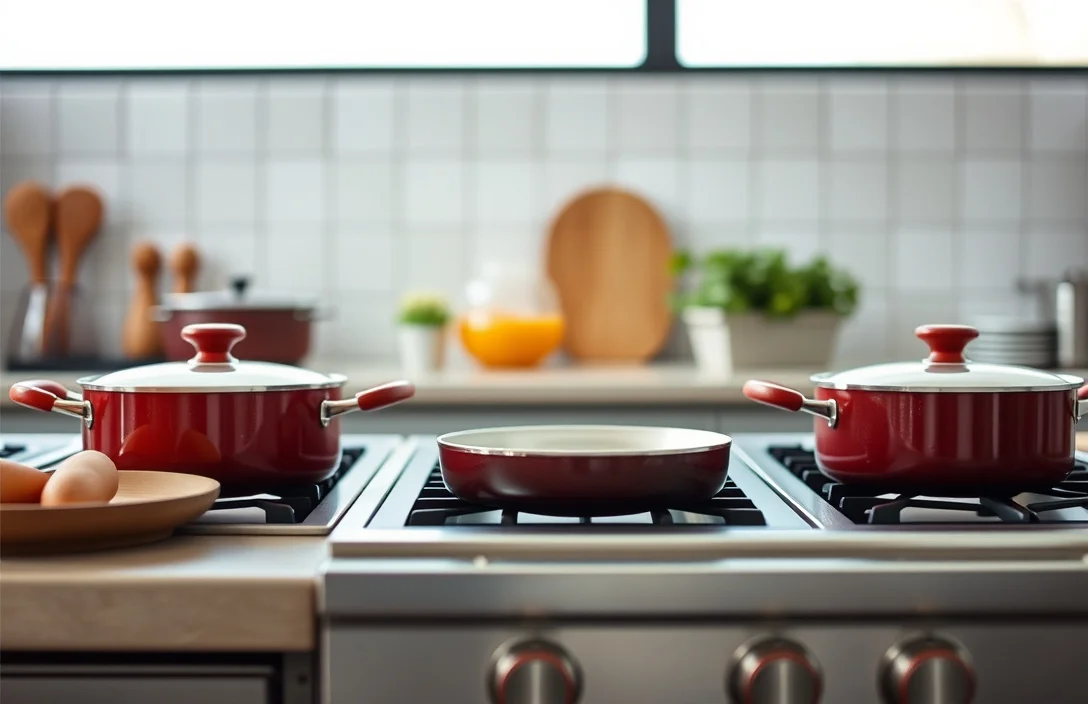
Carote markets its cookware as PTFE-free, with its nonstick surfaces described as PFAS-free. The brand also includes PFOA and PFOS free language for its “granite” nonstick style coating.
You can only confirm it for your exact pan by checking the specific item listing. Carote sells multiple nonstick styles, and they may use slightly different phrasing while still aiming to avoid PTFE and common PFAS chemicals on the cooking surface.
If your goal is strict avoidance of PTFE and related fluropolymers, start with the label as your filter. Then check the material details, especially when you’re buying a set with multiple pan types.
Things that matter most
Carote’s clearest reassurance is that the nonstick surface is PFAS-free, and the brand also mentions PFOA, PFOS, and PFAS free for its nonstick coating. On the official site, one product description calls out “Ceramic Nonstick,” describing it as a “PFAS-free ceramic surface fused to the same aluminum body.”
Use these practical checks when you’re deciding:
- Look for PFAS-free wording. “PFAS-free ceramic surface” is the most specific phrasing.
- Confirm PFOA/PFOS-free claims. Carote uses “PFOA, PFOS free” type language on some product pages for its nonstick lines.
- Make sure it’s about the cooking surface. PTFE concerns are tied to what touches food, not the outside or handle materials.
- Expect different terms across lines. “Granite” versus “ceramic” naming doesn’t automatically mean identical chemistry, but both are marketed with PFAS-avoiding language.
Also set expectations correctly. PTFE-free nonstick still wears down over time, especially with metal utensils, high heat, or abrasive scrubbing. PTFE-free is not the same as indefinitely durable.
Tips to Make Carote PTFE-Free Nonstick Last Longer
If you want the coating to keep performing, the most effective “safety move” is also simple: protect the surface. Coating longevity depends more on heat and handling than on the acronym. For best results, cook with medium heat and avoid preheating an empty pan.
Start with habits that preserve the coating:
- Preheat gently. Don’t run high heat to speed things up, and don’t preheat an empty pan.
- Use the right utensils. Silicone, nylon, or wood reduce scratching.
- Wash without abrasion. Soft sponges or cloths only. Skip harsh scrubbers.
- Avoid thermal shock. Let a hot pan cool before rinsing with cold water.
You can also reduce odors and keep performance steady by using normal nonstick technique. A small amount of oil when needed helps foods release without forcing you to scrape hard. If you’re strict about PFAS and PTFE avoidance, the best practical step is administrative: buy from listings that clearly state the coating’s chemical claims for that exact model. If the listing is vague or missing the PFAS/PFOA/PFOS language, don’t assume – verify.
Benefits of Choosing Carote Cookware That’s Marketed as PTFE-Free
The biggest upside of buying a PTFE-avoiding nonstick like Carote is the reduced worry about the traditional nonstick chemicals people associate with PTFE. Carote explicitly positions its coating as PFAS-free and repeatedly references PFOA and PFOS free language on product pages tied to their nonstick surfaces.
You also get the everyday benefits that make nonstick useful:
- Low-oil cooking and easy release. Carote’s nonstick design aims for slick glide and easier release for typical home cooking.
- Storage convenience. Detachable handles let pans nest flat, and Carote describes saving up to 70% of cabinet space.
- Oven flexibility. The brand describes oven-safe bodies that go from stovetop to oven without extra bakeware for finishing dishes.
There’s a trade-off. Nonstick coatings, even PFAS-free ones, have a finite lifespan compared with stainless steel or enameled cast iron. The “benefit” is convenience and comfort, while the “cost” is eventually replacing worn nonstick surfaces.
Options for Carote PTFE-Free Cookware (and What to Pair It With)
Carote options generally split into two paths for people watching PTFE: Carote’s PTFE-free nonstick lines, and nonstick-free cookware choices you can pair with or swap in.
Use this quick framework:
| Option type | What to choose | Best for |
|---|---|---|
| Carote PTFE-free nonstick | Models described as “PFAS-free ceramic surface” and/or “PFOA, PFOS, PFAS free” | Eggs, delicate foods, low-oil cooking |
| Carote nonstick set with multiple pan types | Sets that include granite/ceramic nonstick pans plus detachable handles | Families who want storage-saving cookware |
| No-nonstick cookware | Stainless steel or enameled cast iron | Maximum longevity, no coating-surface chemical concern |
Pricing varies a lot across retail listings, so don’t assume any one cart represents the whole market. For example, one official shop listing shows a 21-pcs detachable set starting from $115.99, and other item listings show sale pricing such as $35.99 for a 4-pc ceramic saucepan set (originally $59.99). Use these numbers as “check current prices,” because they change often.
If strict avoidance is your top priority over convenience, stainless steel is the simplest baseline because there’s no nonstick coating to wear. You can still keep one PTFE-free nonstick pan for eggs or pancakes and rely on stainless for everything else.
Expert Advice for Confirming PTFE-Free Carote Claims
The most useful advice isn’t “trust the marketing.” It’s verify what the exact listing says where you buy it. A product page that states the nonstick surface is PFAS-free and calls out PFOA and PFOS free gives you the specificity you need for PTFE-avoidance shopping.
Before you order, run a quick checklist:
- Match the wording to the coating. “PFAS-free ceramic surface” should refer to the cooking surface.
- Confirm the chemical claims are present. Look for “PFOA, PFOS free” or “PFOS, PFOA free” style language.
- Avoid vague descriptions. “Non-toxic” without PFAS/PTFE-type avoidance language is not enough – keep looking.
- Use lower heat. Even PFAS-free coatings wear faster with heat abuse, so proper handling improves lifespan and performance.
Detachable handles and oven-safe bodies make cooking more convenient, but they also encourage people to push the temperature. Don’t. Keep heat moderate and avoid metal tools. With that, PTFE-free (and PFAS-free) nonstick stays pleasant for longer.
Examples of How Carote Markets PTFE-Free Coatings
Carote’s official descriptions include “Ceramic Nonstick,” and the line says it is a “PFAS-free ceramic surface fused to the same aluminum body.” That phrasing directly targets the PFAS part of PTFE avoidance.
Carote’s “granite nonstick” marketing also references PFOS, PFOA free for the nonstick coating used in some cookware sets. When a set is described that way, it typically points to the nonstick layer that contacts food during cooking.
In real shopping terms, the most common scenario is comparing two listings that look similar. One listing includes PFAS-free and PFOA/PFOS-free wording for the coating, while another relies on generic “non-toxic” language. If PTFE is your concern, pick the one with explicit coating chemical claims, even if it costs more.
If you cook at high heat often, a practical hybrid approach helps. Use Carote PTFE-free nonstick for eggs, fish, and quick sauces, then use stainless steel for searing and high-heat browning. That reduces coating wear and stretches the life of your nonstick pans.
FAQ
Is Carote cookware PTFE free?
Carote markets its nonstick coating as PTFE-free by describing the cooking surface as PFAS-free and referencing PFOA and PFOS free language on product pages for certain nonstick lines. To verify your exact pan, check the listing for “PFAS-free” and the chemical claims tied to the nonstick surface.
Does Carote claim PFAS-free?
Yes. Carote’s official product descriptions include “Ceramic Nonstick” and describe it as a “PFAS-free ceramic surface.” The brand also includes language referencing PFOS and PFOA free for its nonstick coating lines, depending on the exact product.
Is PTFE free the same as PFAS free?
PTFE is one type of polymer, and PFAS is a broader family of fluorinated chemicals. A product can be PTFE-free while still raising questions about other PFAS compounds unless it explicitly claims PFAS-free. Carote commonly uses PFAS-free wording for the coating, which is why it’s treated as a close match for PTFE avoidance.
How do I tell if my exact Carote pan is PTFE free?
Check the product listing for explicit coating wording. Look for “PFAS-free” (like “PFAS-free ceramic surface”) and any PFOA/PFOS/PFAS free language tied to the nonstick surface. If the phrases are missing or unclear, treat the claim as unverified.
What’s the common mistake people make with PTFE-free nonstick?
The biggest mistake is using metal utensils and abrasive scrubbers, which scratch and wear the coating. High heat and preheating an empty pan also accelerate degradation. Even PFAS-free nonstick needs gentle utensils, soft cleaning, and medium heat for better lifespan.
What’s a PTFE-free alternative if I want zero nonstick coating?
Choose stainless steel or enameled cast iron. These avoid a nonstick coating layer entirely, so there’s no PTFE or PFAS coating to worry about. You can still keep one PTFE-free nonstick pan for eggs if you want easy release.

- 10 Best Slow Cooker With Leak Resistant Lid 2026 (Tested And Reviewed) - October 24, 2026
- 10 Best Slow Cooker With Spill Proof Design 2026 (Tested And Reviewed) - October 24, 2026
- 10 Best Slow Cooker With Locking System 2026 (Tested And Reviewed) - October 24, 2026