Is Pressure Cooker Same As Slow Cooker?
Pressure cookers and slow cookers both turn tough food into tender food, but they do it in opposite ways. If you’ve ever wondered whether you can use one instead of the other, the answer is partly yes – but the timing and texture will change. This guide breaks down how each appliance works, how cooking times translate, and what to cook in each for best results.
Pressure cooking is not the same as slow cooking. A pressure cooker builds pressure and cooks with higher temperatures, usually cutting cook times from hours to minutes. A slow cooker cooks at low heat over longer periods, making it ideal for hands-off meals. Expect different textures, especially for meat and vegetables.
Key Takeaways
- They cook differently. Pressure cooking uses sealed steam and higher temperature; slow cooking uses low heat over hours.
- Timing changes a lot. Pressure recipes often finish in 20-60 minutes, while slow cooker versions commonly take 4-10 hours.
- Texture is different. Pressure gives faster tenderness, while slow cooking gently softens without the same “braised” bite.
- Liquid rules differ. Pressure cooking usually needs a measured minimum liquid; slow cooking needs less but still benefits from moisture.
- Swaps take tuning. You can swap, but you must adjust cook time, and often use thinner cuts for pressure.
- Follow the safety basics. Pressure cookers must seal and vent correctly; slow cookers are safer to leave running longer.
Is Pressure Cooker Same As Slow Cooker?
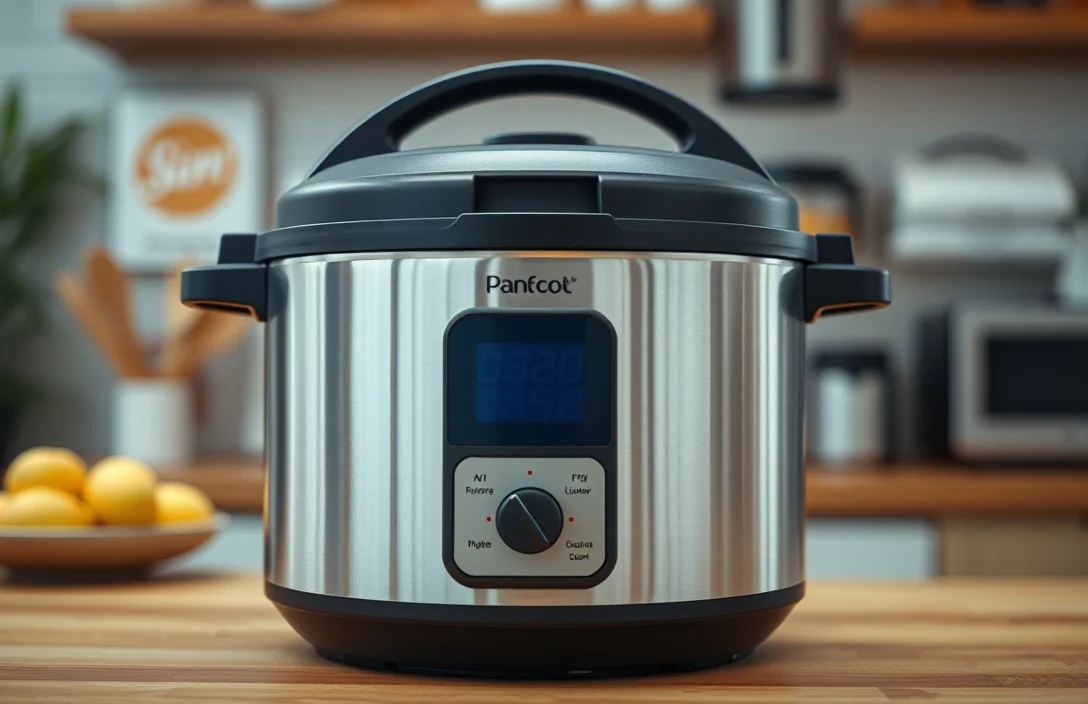
No. A pressure cooker is not the same as a slow cooker, even though both are “set it and tenderize it” appliances. A slow cooker runs at a low temperature for hours, mostly simmering gently in a covered pot. A pressure cooker seals in steam, raises internal pressure, and cooks faster at a higher effective temperature.
That one difference changes real-world results – timing, liquid needs, doneness cues, and texture. Slow cooking tends to forgive thicker chunks because collagen breaks down gradually. Pressure cooking can also break collagen quickly, but it can push food from tender to mush if you overshoot, especially with beans and delicate vegetables.
A simple mental model helps: pressure cooking is “cook-fast braise,” while slow cooking is “cook-long simmer.” They both tenderize, but they’re not a perfect 1-to-1 replacement.
How Pressure Cooking Builds Faster Cooking Pressure
Pressure cooking traps steam in a sealed pot so internal pressure rises. Once the cooker reaches enough pressure, it maintains that pressure while cooking food at an elevated temperature compared with an open simmer. More heat plus steam inside the closed pot is why many meals that take 6-8 hours on low can take under an hour in a pressure cooker.
Pressure cooking also reduces evaporation time. Since the lid is sealed, you don’t lose as much water to the air. That’s why many pressure recipes specify a certain amount of liquid – enough to generate steam, not to cover the whole pot. Skip too far and you can end up with undercooked food or a dry-burn style error on some models.
Pressure cooking technique matters. Brown meat first if your recipe allows, then deglaze with a splash of liquid to avoid scorching. Add the measured liquid, cook under pressure for the recipe’s time, then use the right release method. Natural release finishes tougher cuts more gently. Quick release helps prevent vegetables and other quick-cooking ingredients from turning soft.
Pressure cooking method that reliably lands
- Brown first (optional but helpful). Adds flavor and improves texture for stews and shredded meat.
- Use the minimum liquid. Steam generation matters; don’t freestyle too low.
- Avoid overfilling. Too much food can foam up and clog the vent.
- Release intentionally. Natural release for most meats and beans; quick release for vegetables.
- Rest after cooking. A short rest helps juices redistribute, especially for roasts and thick braises.
How Slow Cooking Works With Low, Gentle Heat
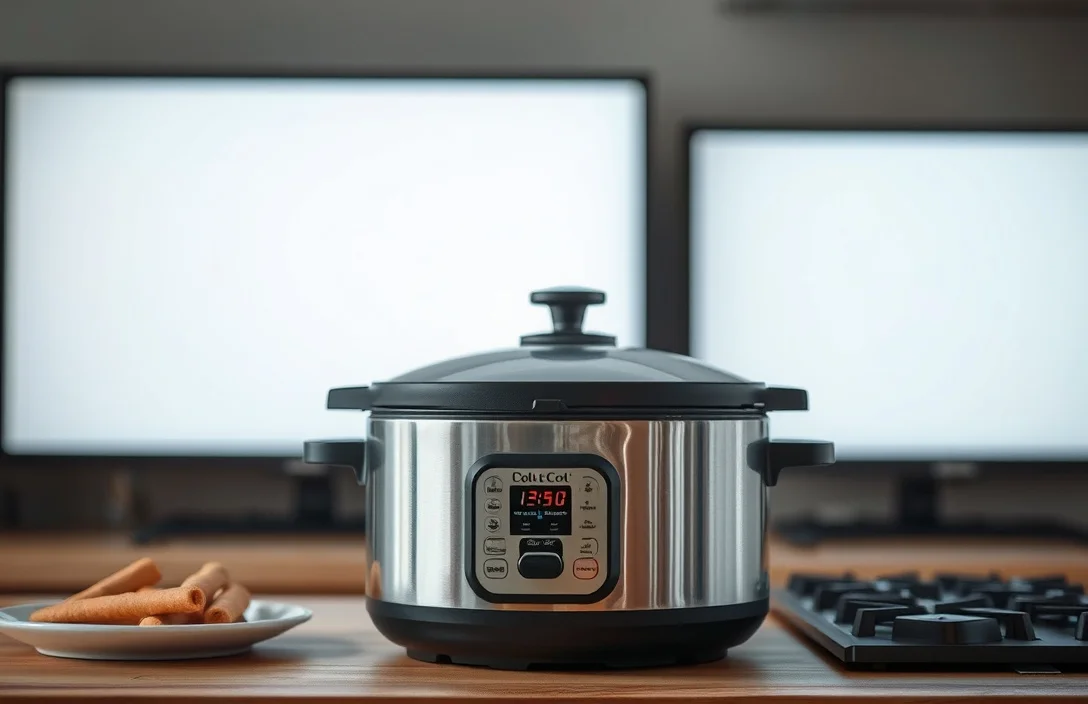
A slow cooker cooks with low, steady heat over a long time. The lid stays on, and the contents simmer gently inside a crock-style vessel. It isn’t sealed under pressure, so you typically get more evaporation than pressure cooking, but the temperature stays low enough to prevent aggressive boiling.
Slow cooking is built for gradual breakdown. Collagen converts to gelatin over time, which is why tough cuts turn fork-tender without needing high heat. The steady, low-temperature environment also makes it easier to handle larger chunks and whole pieces because food doesn’t “race” past the tender stage as quickly.
Moisture management is the practical rule. Slow cookers lose some water during long cook times, so start with enough liquid to keep things from drying out. Be careful with floury thickeners if you’re cooking for many hours – they can make sauces grainy. If you need thickness, thicken near the end with a slurry or reduce the liquid slightly (often by switching to “high” for the last part of the cook).
Doneness cues are simple. Meat is done when it pulls apart easily with a fork. Vegetables should be tender but not collapsing. Beans vary by type, so judge by softness more than by time.
Pressure Cooker Vs Slow Cooker Cooking Times
Pressure cooking is faster by design, so you can’t swap “4 hours on low” to an “equivalent pressure time” without adjusting. Think in ranges: pressure cooking often finishes stews, soups, and braises in 20-60 minutes, while slow cooking commonly takes 4-10 hours. The exact minutes depend on cut thickness, fat content, how much liquid is in the pot, and whether food is frozen.
If you’re starting from a slow cooker recipe and want to pressure cook it, begin conservatively and plan to fine-tune. Overcooked meat is easier to shred again than to “un-mush,” so drop your pressure time for delicate foods first.
Pressure cooker starting points (first try ranges)
| What you’re cooking | Slow cooker typical time | Pressure cooker typical time (start here) | Notes to avoid mush |
|---|---|---|---|
| Beef stew (chunks) | 6-8 hours | 35-45 minutes | Natural release 10-15 minutes for tender pieces |
| Chicken thighs (bone-in) | 4-6 hours | 12-18 minutes | Use natural release for juicier texture |
| Pork shoulder (for shredding) | 8-10 hours | 60-75 minutes | Shred after resting, not immediately |
| Chili / soup | 6-8 hours | 20-30 minutes | Don’t over-thicken before pressure cooking |
| Dried beans | 8-10 hours (varies) | 25-45 minutes | Natural release helps prevent foam and uneven softness |
| Root vegetables (chunks) | 6-8 hours | 8-15 minutes | Release quickly to keep edges intact |
| Leafy greens | 1-2 hours on high | 1-3 minutes | Add late if your recipe is vegetable-forward |
Use these as “first try” ranges since every cooker and recipe behaves a little differently. If the first batch is too firm, add 5-10 minutes next time. If it’s too soft, reduce pressure time by 5-10 minutes or use quick release for certain ingredients.
Frozen ingredients need extra care. Pressure cooking handles frozen well, but cook time can increase, and texture can be less uniform if pieces are large. If your recipe includes vegetables, chop them uniformly and add them when they won’t get hit by “quick-overcooking.”
Texture Differences For Meat, Beans, And Vegetables
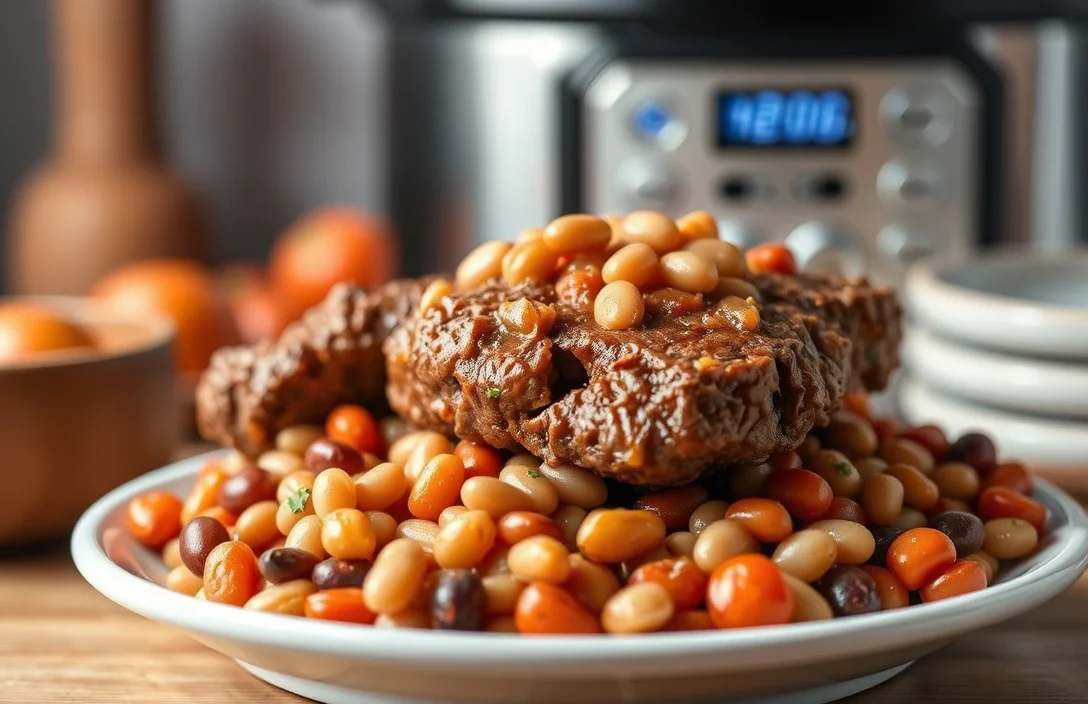
Pressure cooking and slow cooking both aim for tenderness, but the path changes the final bite. Pressure-cooked meat often turns tender quickly, which is great for shredding chuck or shoulder. Cook too long, though, and fibers can break down past the ideal window, giving a softer – sometimes stringier – “stewed” texture depending on the cut.
Slow cooking usually delivers a more even, stew-like tender bite, especially for larger pieces. Collagen breakdown is gradual, and the gentle simmer helps sauces deepen over time. That’s why slow cookers are popular for pot roasts and soups where you want “chunks in sauce” rather than fully integrated shred.
Beans are where the difference shows up fastest. Pressure cooking can create creamy beans quickly, but beans can foam and expand if you overfill or use ingredients that encourage foaming. Slow cooking often gives more forgiving softness for mixed dishes, but it takes longer and can leave some bean varieties underdone if time runs short.
Vegetables shift too. Pressure cooking can soften vegetables in minutes, which is fast, but it can also make carrots mushy, soften onions too far, and collapse greens if you overshoot. Slow cooking is safer for sturdier vegetables because of the long low-heat soak, but even then, an all-day cook can go too far.
A practical texture guide:
- Meat for shredding: Pressure wins for time; slow cooking wins for “set it and forget it” consistency.
- Beans: Pressure wins for speed if you manage release and liquid; slow cooking wins for gentle, low-risk tenderness.
- Vegetables: Slow is safest for long cooks; pressure works best when vegetables are chunked and timed carefully.
You can get the best of both by staging the meal. Pressure cook the meat and beans first, then add quick-cooking vegetables at the end and finish briefly using residual heat or a short additional cycle.
When You Should Use Pressure Cooking Instead
Pressure cooking fits when you want dinner fast or when the recipe needs connective tissue tenderized quickly. It’s especially helpful for stews, braises, chili, and many soups where long simmering is the bottleneck. It also shines for cooking dried beans into a creamy texture without planning a full day.
Pressure cooking is also a smart choice when your schedule is tight. If you start in the afternoon and need food for a weeknight meal, pressure cooking gives predictable timing. Cycles are measured in minutes, not hours, so you can hit a dinner window more easily.
Pressure cooking can concentrate flavor too. With less evaporative loss than slow cooking, sauces and broths often taste thicker and more intense right out of the pot. You may still need to adjust salt and liquid at the end, but the cooking base often tastes more concentrated.
Choose ingredients that tolerate speed. Beef chuck, pork shoulder, and tougher cuts do well. For delicate proteins like fish, pressure cooking is usually a poor fit because it can turn dry or mealy quickly.
Pressure cooking works best for
- Fast braises and stews when time is the constraint.
- Dried beans when you want softness without overnight soaking planning.
- Thick soups where you want tender solids and minimal evaporation.
- Meals with tough collagen-rich cuts that need quick breakdown.
For example, a beef stew that takes most of the day in a slow cooker can land in under an hour in a pressure cooker when chunks are roughly uniform and you use natural release.
When Slow Cooker Meals Are Better
Slow cooking is best when you want hands-off cooking over hours or when flavor develops through gentle simmering. It fits pot roasts, soups, and beans that benefit from long cooking, especially when you’re building the meal around a bigger time block like lunch-to-dinner.
It also works well when your ingredient mix includes vegetables you want to stay integrated and naturally softened. Slow cooking is more forgiving for dishes that need gradual cooking since the heat stays low. Root vegetables that take a while to soften often hit the sweet spot in a slow cooker with less risk of overcooked edges.
Slow cooker meals also make serving more flexible. Many slow cookers let you hold on “warm,” so dinner can be delayed without ruining the dish. Pressure cooking doesn’t offer the same forgiving holding window – once the cycle ends, food keeps changing in the pot, and texture can shift if you keep it there too long.
Slow cooker is the better choice when
- You need a long cook window and want minimal attention.
- You want chunky, stew-like texture from gradual tenderizing.
- You’re cooking for a crowd and timing flexibility matters.
- You’re using delicate ingredients that can overcook under pressure.
Slow cooking often works as the safest default for “mixed vegetable + meat + sauce” meals you don’t want to babysit. If you don’t want to adjust staging and release timing, slow cooker recipes keep the risk lower.
Can You Swap One For The Other?
You can swap them, but treat it like a conversion, not a plug-and-play change. The cooker changes the temperature profile, pressure environment, liquid behavior, and how quickly ingredients soften. That’s why “use pressure instead, same number of hours” usually fails – either undercooking or overcooking texture.
Convert based on the recipe’s purpose, not just the time. If the slow cooker recipe depends on slow tenderization, pressure can do it faster – but you need shorter time and a sensible release strategy. If the recipe is designed to be quick and delicate, slow cooking can turn it too soft.
A practical substitution workflow
- Identify the longest-cooking ingredient (usually tough meat or dried beans).
- Pressure cook the hard part first using a conservative time range.
- Add vegetables and delicate items later (or finish briefly after pressure).
- Use natural release for toughness and quick release for vegetables.
- Adjust thickness at the end since both appliances concentrate differently.
Quick swap rules that prevent most failures
- Don’t swap times 1:1. Start with pressure ranges, then adjust by texture.
- Keep liquid appropriate for pressure. Pressure needs enough to generate steam.
- Stage vegetables. Add late in pressure cooking to avoid mush.
- Expect different sauce behavior. You may need to reduce or loosen after either cooker.
For example, with a slow cooker bean chili, pressure cook the beans first, then add the remaining vegetables at the end. Cooking everything together for the full slow-cooker duration under pressure often makes vegetables softer and less defined, and it can thicken too much.
Safety And Pot Requirements Compared
Safety differences come down to lids, sealing, and what happens if you cook improperly. A slow cooker uses a lid but it is not sealed under pressure, so it doesn’t build steam pressure. A pressure cooker must seal, regulate pressure, and vent steam appropriately. Pot capacity, correct filling, and proper venting matter more with pressure cookers.
Pressure cookers also require stricter “do not overfill” rules because foaming foods can interfere with venting. Beans, grains, and thick sauces can foam more than clear broths. Recipes written for pressure cooking typically include max fill guidance and sometimes tips for avoiding foaming.
Pot design also changes the heat interaction. Slow cookers heat a removable ceramic or inner pot gently. Pressure cookers use a sealed pot with gaskets and valves that must be clean and properly seated. A worn gasket or blocked valve can make pressure cooking unsafe or inconsistent.
The safe approach is straightforward: use the right appliance for the right recipe, follow your model’s fill level guidance, and never force the lid open. Always follow the recipe’s release method with pressure – especially for beans and thick stews where foaming can affect how release behaves.
Power, Size, And Cleaning Differences
Pressure cookers and slow cookers differ in power and capacity, which affects batch size and cleanup. Pressure cookers run faster, so overall energy use can still be reasonable – but the bigger factor is what you can fit safely and how long the cycle runs. Many pressure cookers have sealed lids with gaskets and valves, which means more parts to rinse and inspect after cooking.
Slow cookers are usually simpler to clean because there’s no gasket or pressure valve. You remove the insert pot and wash it like regular cookware. If your slow cooker has an inner ceramic pot, it often wipes out with less fuss, though thick sauces can still need soaking.
Pressure cooker cleaning takes a bit more care. You need to clean the sealing ring, check and clear the vent, and wipe down lid surfaces. After foamy foods like beans, rinse thoroughly because residue can interfere with valves and pressure regulation on later cycles.
Size affects batch planning too. Slow cookers often work well for families because you can leave food going without rushing. Pressure cookers are great for quick meals, but batch size can be limited by “do not overfill” rules, especially for beans and thick stews. If you routinely cook for a large group, you may need a larger pressure cooker or plan to cook in batches.
Practical buying or setup considerations
- Batch size limits: Pressure cooking often restricts fill levels for foamy foods.
- Parts count: Pressure cookers require cleaning gaskets and valves; slow cookers are simpler.
- Sauce adjustment: Expect to tweak thickness after cooking since evaporation differs.
- Storage: Both have removable inserts, but pressure lids and rings add extra small parts.
If you already own one appliance and you’re deciding whether the other is worth it, your schedule is the deciding factor. Pressure is worth learning if you cook on short notice often. Slow cooking feels more automatic when you plan meals early and want low attention.
FAQ
Is pressure cooker same as slow cooker?
No. A pressure cooker seals the pot and builds steam pressure to cook faster at higher effective temperatures, usually in minutes. A slow cooker cooks at low heat over hours without pressure, which gives gradual tenderness and more forgiving timing. You can convert recipes, but you must change cook times and often adjust how you add vegetables.
Can you cook the same recipe in both appliances?
Yes, but not with identical time settings. Pressure cook tougher ingredients for shorter periods, then add vegetables later or shorten the overall cook time to avoid mush. Slow cooker versions take longer and have less risk of overcooking delicate vegetables. The safest method is to follow a recipe written for each appliance.
How do cooking times convert between pressure and slow cooking?
A good starting point is that pressure cooking often takes 4-10 times less time than slow cooking for stews and braises, but the right number depends on chunk size and release method. For example, a slow cooker meal that is 6-8 hours often becomes 35-45 minutes in a pressure cooker as a first try. Adjust next time based on texture.
Is it safe to leave a pressure cooker running unattended?
No. You can leave many slow cookers unattended on a “keep warm” setting because they are not pressure sealed. Pressure cookers involve sealing, pressure regulation, and venting, so you should stay with the process, especially during pressure build, cook, and release. Always follow your model’s safety instructions and never open the lid before pressure is fully released.
What’s the most common mistake when swapping them?
Using the slow cooker time in a pressure cooker. Food overcooks quickly, especially beans and vegetables, and thick mixtures can foam and affect venting. Cut pressure time to a tested range, use the correct release method, and stage vegetables. Also, keep the pressure recipe’s minimum liquid guidance.

- 10 Best Slow Cooker With Leak Resistant Lid 2026 (Tested And Reviewed) - October 24, 2026
- 10 Best Slow Cooker With Spill Proof Design 2026 (Tested And Reviewed) - October 24, 2026
- 10 Best Slow Cooker With Locking System 2026 (Tested And Reviewed) - October 24, 2026