Part Sun Flowers For Pots In 6 Easy Steps
part sun gets you a lot of flowers in containers, as long as you match the plant to how many hours of direct sun it actually gets. Many “sun” plants will keep growing in part shade, but they flower best when they still see several hours of real light. This guide narrows the choices to practical part sun flowers for pots you can buy and plant in the United States, with clear advice on spacing, watering, and sun expectations.
part sun flowers for pots are plants that bloom well when they get about 3 to 6 hours of direct sun (or bright light) per day, plus some shade from the hottest afternoon. In pots, they usually need fast-draining soil, frequent checks for dryness, and deadheading to keep flowers coming. Choose compact, heat-tolerant varieties and size your pot so you’re not forcing constant drought stress.
Key Takeaways
- Know your light. Aim for 3 to 6 hours of direct sun for the best blooms in part sun conditions.
- Pick compact varieties. Container-friendly sizes reduce flop, overcrowding, and watering problems.
- Use fast-draining soil. A potting mix that drains well helps prevent root rot and keeps flowers vigorous.
- Water by check, not schedule. Stick a finger 1 to 2 inches down – water when it feels dry.
- Deadhead to extend bloom. Remove spent flowers to encourage new buds, especially on annuals.
- Plan for heat. In hot summers, expect more frequent watering and consider morning-sun placement.
What to Know About part sun flowers for pots
“Part sun” usually means some direct light, not full-day blazing sun. In practice, that often looks like morning sun with afternoon shade, or bright sun filtered through trees or a wall. The common mistake is buying a plant labeled “full sun” and expecting heavy blooming when the pot only gets a sliver of direct rays.
Containers make light and moisture problems show up faster. A flower that tolerates part sun can still underperform if the roots never get steady moisture. When that happens, you’ll see tall, leggy growth, fewer blooms, and general stress.
Treat light and watering as a pair. Part sun flowers still need enough sun to drive flowering, and they need consistent moisture to support it. If you’re unsure about your spot, watch it for a day or two and note exactly when direct light hits the pot.
Things that matter most
Pick plants that reliably bloom in partial sun and stay compact enough for container roots. Many great options are annuals grown for flowers, perennials sold as bedding plants, and hardy species that behave well in a pot when you avoid waterlogged conditions.
Use pot size to control water swings. A small pot dries fast and can work well if you check daily, but it’s stressful during busy weeks. Medium pots hold more moisture, buffer dry spells, and usually produce more consistent flowering.
Design your care around container conditions. Deadheading and light feeding matter more in pots because nutrients wash out faster than in-ground gardens. If you want “set it and forget it,” you still need basic upkeep: check soil moisture and remove spent blooms.
Tips for part sun flowers for pots
Use these steps to prevent the part sun pot problems that usually show up in the first 2 to 6 weeks.
- Measure the sun once. Watch your spot at different times and write down the exact hours of direct light.
- Choose the right pot size. For most flowering plants, aim for at least 8 to 10 inches wide so roots don’t dry out instantly.
- Use a fast-draining mix. Choose potting mix, not garden soil, and confirm your pot has drainage holes.
- Water deeply, then wait. Water when the top 1 to 2 inches of soil is dry, and water until liquid runs out the bottom.
- Deadhead consistently. Remove spent flowers 1 to 2 times per week to keep annual bloom cycles moving.
- Feed lightly but regularly. Use a balanced or bloom-focused fertilizer at label rates, especially after the first flush of flowers.
If you place a container in part sun but overwater because “it’s shady,” you can still rot roots. Part sun often means cooler soil and slower evaporation, so the same watering routine that works in full sun can be too much.
Benefits of part sun flowers for pots
Part sun container gardening is more flexible than full sun because you can use patios, porches, and north-facing areas that would otherwise look bare. If you have tree shade or afternoon blockage from a fence or building, you’re not limited to foliage-only plants. You can still get repeat color and real flower cycles.
Part sun also reduces heat stress. In hot U.S. summers, full sun containers can spike temperatures quickly, which can trigger bud drop and crispy leaves. With part sun placement, plants often stay cooler, and cooler roots usually support steadier flowering.
There’s also a practical layout benefit. Mix a few reliable bloomers with a plant that tolerates shade and you can keep color from disappearing between flushes.

Helpful pick
Laelfe Artificial Sunflower Flowers Long Stem Silk Fake Large Sunflowers Decoration for Outdoor Home Wedding Baby Shower Birthday Party Single Bulk Yellow Decor 6PCS (Dark Center)
Artificial sunflowers for outdoor pots provide year-round color in partial sun spaces and shaded patios.
Options for part sun flowers for pots
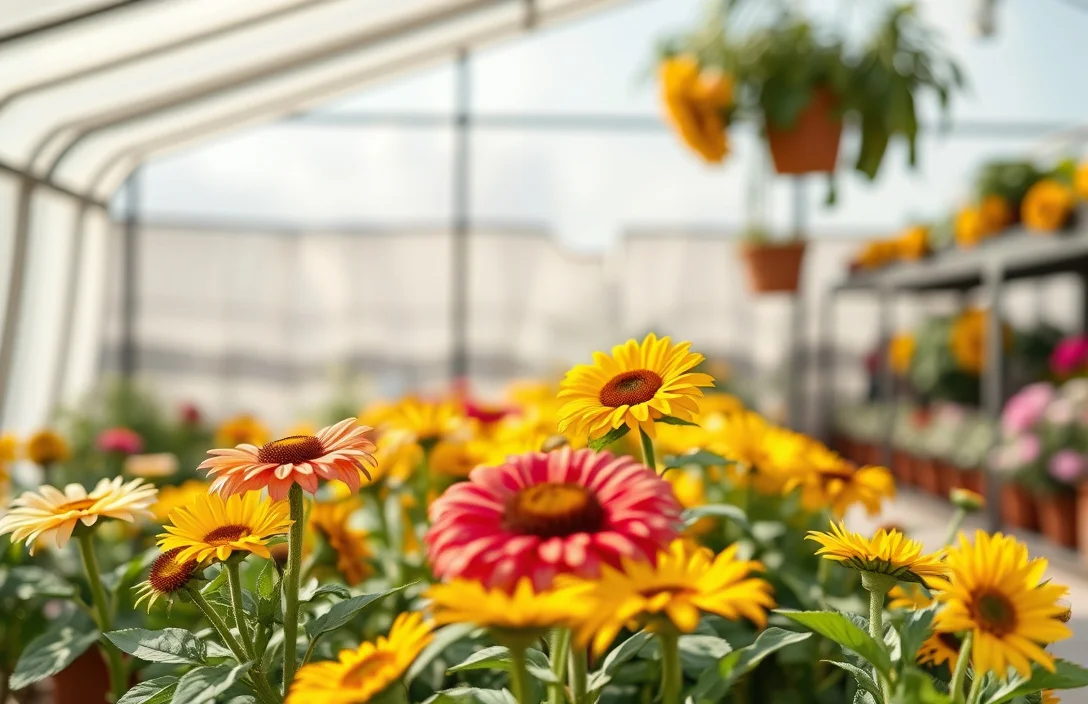
You have plenty of choices, but the easiest approach is to start with varieties known to stay floriferous in partial sun and that handle container life. The table groups common options by what they tolerate in pots.
| Flower (container-friendly) | Light it tolerates | Best For | Watch-outs in part sun |
|---|---|---|---|
| Nasturtium | Part sun to sun | Trailing, edible flowers | Too little sun reduces bloom |
| Calendula | Part sun | Cool-season color | Heat can shorten blooming in midsummer |
| Alyssum (sweet alyssum) | Part sun | Mounded, fragrant look | Needs even moisture to avoid stalling |
| Petunia (compact types) | Part sun | Big waves of blooms | Can get leggy if shade is too deep |
| Begonia (tuberous or wax types) | Part shade | Shade-tolerant color | Avoid letting soil stay soggy |
| Marigold (dwarf types) | Part sun | Heat-tolerant annuals | Fewer blooms in low light |
| Geranium (zonal or patio types) | Part sun | Reliable color, thicker foliage | Overwatering causes decline |
| Fuchsia | Part shade | Dramatic hanging flowers | Afternoon sun can scorch in heat |
| Diascia | Part sun | Long-bloom “spiller” | Can need more deadheading |
| Impatiens | Part shade | Lush color in low sun | Flowers may thin in brighter-but-dry spots |
| Zinnia (dwarf types) | Brighter part sun | Cut-flower style blooms | Less sun means shorter, fewer flowers |
| Sunflower (small/compact varieties) | Bright light to part sun | Bold accents | Very dependent on direct sun for full effect |
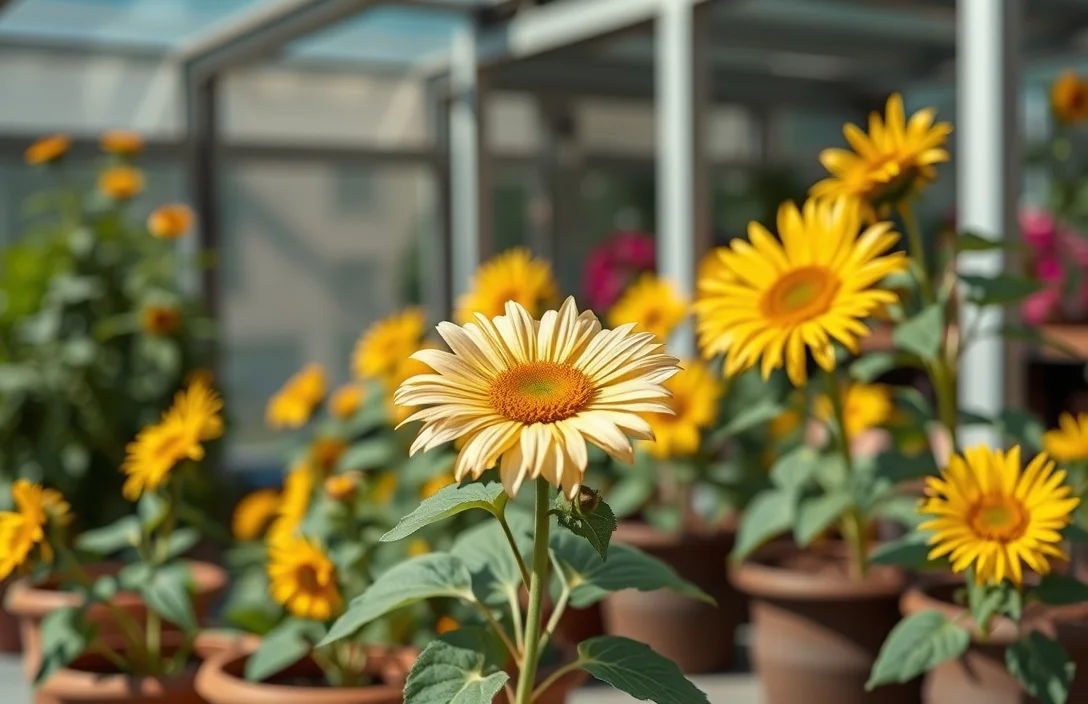
In many yards, a sunflower in a pot performs best only when it still gets meaningful direct sun. If your “part sun” is closer to bright shade, choose a smaller, container-appropriate sunflower only if the pot receives enough direct light to keep leaves sturdy and buds forming.
If you want an easy formula, use one main bloomer plus one filler and one trailer. That gives you coverage even when one plant slows during heat or light shifts.

Helpful pick
300 Seeds Mixed Forget-Me-Not Flower Seeds, Myosotis sylvatica
Forget-Me-Not seeds thrive in partial sun and are easy to grow in pots for continuous blooms.
Expert Advice on part sun flowers for pots
Treat part sun as partial direct light, not low light. If your spot is mostly indirect or only offers dappled rays, many classic flowering plants will grow but bloom less. In that case, lean more heavily on shade-tolerant picks like begonias and impatiens, and keep your expectations realistic for sunflowers and petunias.
Prioritize airflow and drainage. Containers in part sun often stay damp longer, and root stress can show up even when leaves look fine at first. Use a potting mix with good structure, don’t compact it, and make sure water runs out the bottom every time you water deeply.
Match the plant to your container plan. Upright flowers can flop when they reach for light, especially in half-day shade. Choose compact or patio forms, rotate containers every week or two for even growth, and avoid crowding so stems stay strong.
Think in cycles. Annuals usually bloom in bursts, and deadheading can stretch those bursts. Perennials in pots may bloom more modestly, but they can rebound with consistent moisture and nutrients.

Helpful pick
Satefello 20 Bundles Artificial Flowers for Outdoors, UV Resistant Fake Realistic Flowers with Plastic Plants Spring Decor, Faux Silk Flowers for Outside Window Box Front Porch Planter Decor-Purple
Provides durable, UV-resistant artificial flowers perfect for brightening outdoor pots when real bloom may dwindle in part sun.
Examples: part sun flowers for pots
Real pot setups make it easier to picture how these plants behave in part sun.
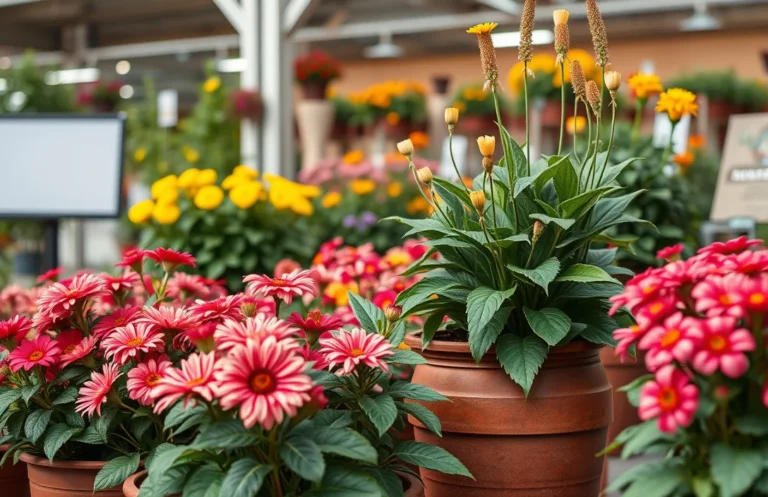
For example, use a 10 to 12 inch pot with compact petunia as the “main” plant and sweet alyssum around the edges for a steady border. Place it where it gets morning sun and afternoon shade. Deadhead spent petunia blooms weekly, and keep moisture even to avoid the “pretty for 2 weeks, then empty” look.
A hanging basket or tall container works especially well in part shade with fuchsia or trailing begonias. These plants often handle less direct sun better than typical balcony annuals. Check more frequently in dry spells because they like consistent moisture, and never leave the liner sitting waterlogged after watering.
For a bold accent, use a compact sunflower only in a spot that still gets a clear chunk of direct sun. In deep shade, sunflowers can turn tall and weak while forming fewer buds. If the light is limited, choose a smaller sunflower variety or swap it for a mounding plant that blooms more predictably in partial light.
If you’re building a repeating display, group plants by watering needs. Marigolds and geraniums often tolerate slightly drier cycles than begonias and impatiens, so mixing them in one pot can leave one group unhappy. Use one pot per “watering style,” or stick to a single-soil approach and monitor closely.
FAQ
What counts as “part sun” for flowers in pots?
Part sun usually means 3 to 6 hours of direct sunlight per day, often paired with afternoon shade. If your pot gets only bright indirect light or short flashes of sun, most “full sun” annuals will flower less. Watch the spot at different times for a couple days to confirm your real sun hours.
What are the easiest part sun flowers for containers?
Begonias, impatiens, and sweet alyssum are usually the easiest because they tolerate partial shade and keep looking good as they grow. Compact petunia and dwarf marigolds can work too when they still receive enough direct light to support buds. Stick to compact forms to reduce legginess and keep watering manageable.
How much water do part sun pot flowers need?
Water based on soil dryness, not the plant label. Check the top 1 to 2 inches of soil, then water thoroughly when it feels dry at that depth. In part sun, pots can stay damp longer, so overwatering is a common mistake, especially with heavy mixes or pots without good drainage.
Do part sun flowers need fertilizer?
Yes. Containers need extra nutrition because nutrients wash out as you water. Use a balanced or bloom-focused fertilizer at label rates to support flowering after the initial growth phase. Start feeding after plants establish, then keep it light and consistent rather than dumping a lot at once.
What’s the most common mistake with part sun flowers for pots?
Planting full-sun flowers in mostly shade and then overcorrecting with extra watering. Less light reduces blooms, and extra water raises the risk of root problems. If you’re seeing leggy growth and fewer flowers, move the pot to brighter part sun or switch to more shade-tolerant varieties.

- 10 Best Slow Cooker For Mess Free Cooking 2026 (Tested And Reviewed) - October 24, 2026
- 10 Best Slow Cooker With Leak Resistant Lid 2026 (Tested And Reviewed) - October 24, 2026
- 10 Best Slow Cooker With Spill Proof Design 2026 (Tested And Reviewed) - October 24, 2026