Small Plants For Small Pots: Best Options And Care Tips
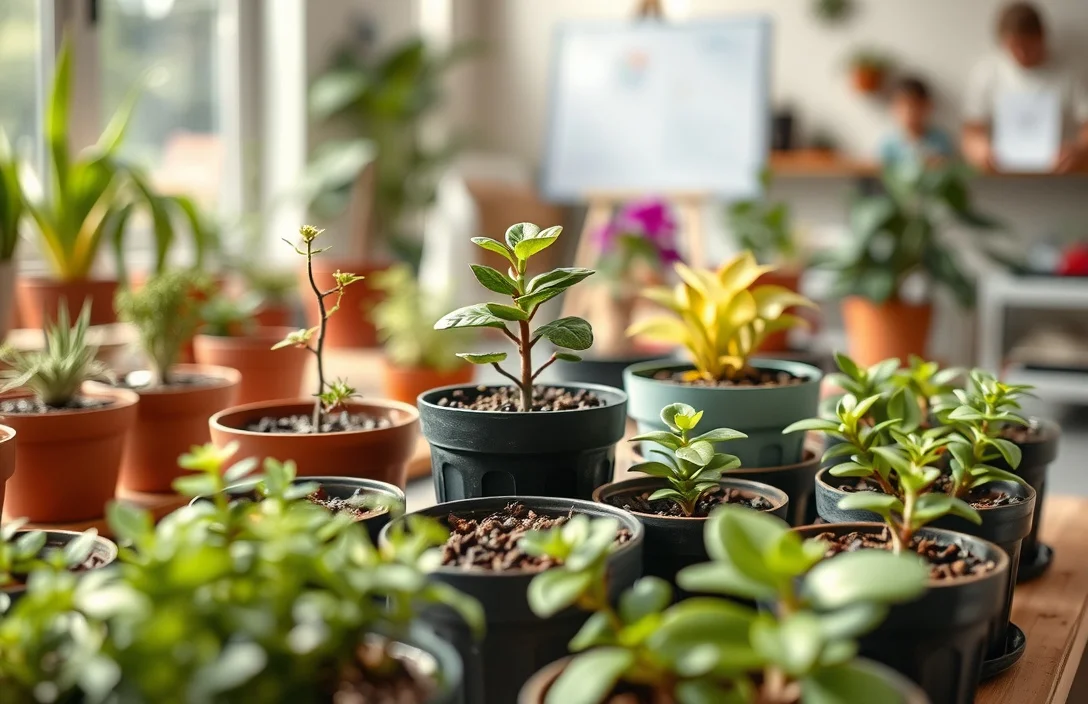
Small pots limit root space, so the right small plants for small pots are the ones that stay compact and tolerate less soil. You can still get lush foliage and even flowers in a container, but only if you match the plant to the pot size, light, and watering rhythm. Here are practical choices, a quick selection method, and care tips that work in most US homes.
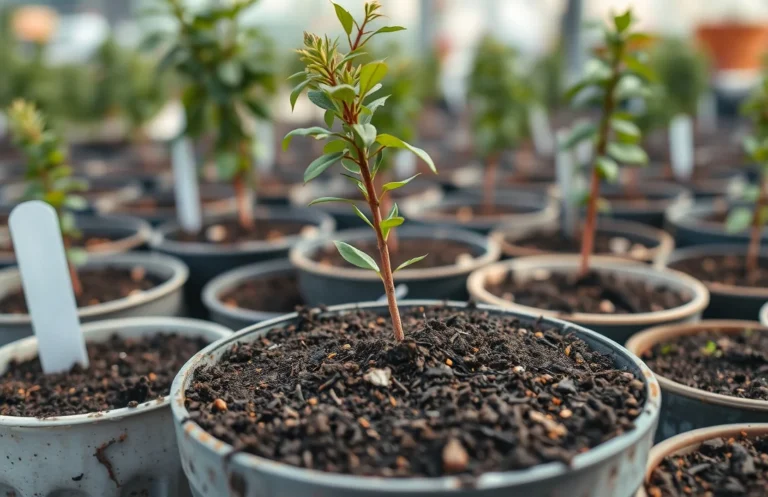
Small plants for small pots do best with compact growth, fast-draining soil, and a pot with drainage holes – usually 4 to 6 inches wide for a single plant. Choose by light first (low light vs bright light), then match the watering needs (succulents and ferns are not interchangeable). If your pot has no drainage, skip most plants or use it only as a decorative sleeve.
Key Takeaways
- Start with drainage holes. Most small plants fail in stagnant water – use pots that drain freely.
- Match the plant to light. Low-light plants need less sun; bright-light plants need more, or growth stalls and leaves fade.
- Pick slow growers for tiny pots. Compact plants stay attractive longer in shallow containers.
- Use the right potting mix. Cactus mix fits succulents; general potting soil fits most foliage plants.
- Water by weight, not a schedule. Small pots dry fast, so check daily in warm weather.
- Expect repotting sooner. Many small plants outgrow 4-inch pots in 6 to 18 months.
What Small Plants for Small Pots Really Need
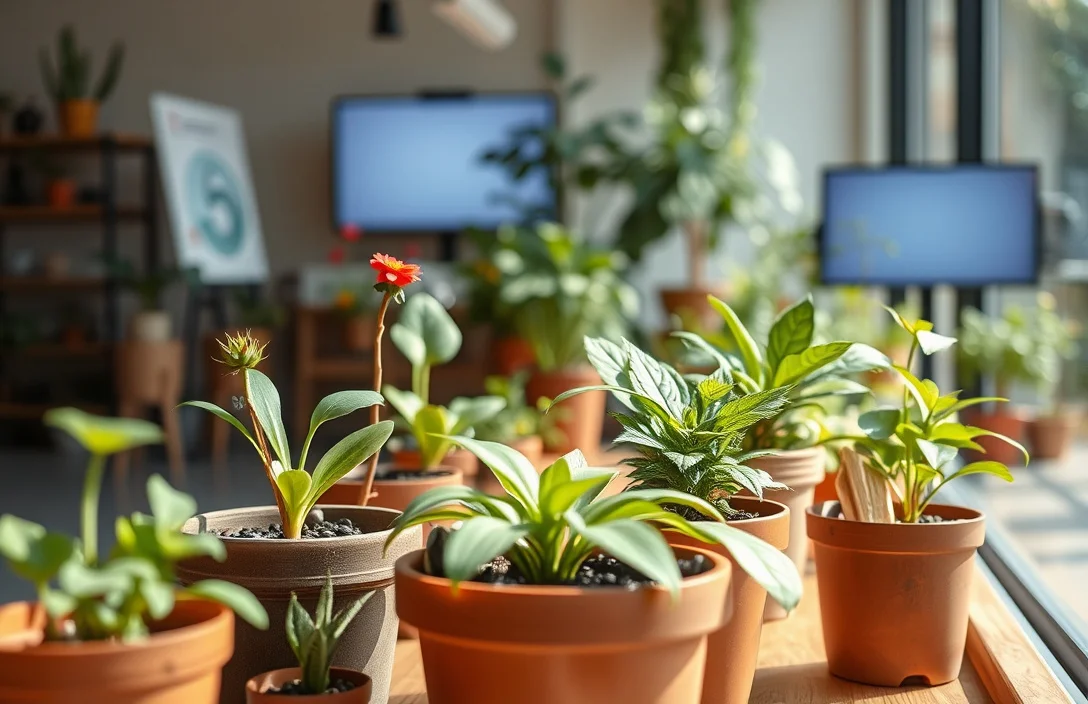
Small pots look cute and still fail quickly because there is so little soil to work with. Nutrients run out faster, and moisture swings happen overnight. The simplest path to success is picking plants that naturally stay compact and handle tighter roots.
Before buying, decide whether your space is bright, average, or low light. “Small” plants are not automatically “low light” plants. Ferns, calatheas, and peace lilies usually want more consistent moisture and indirect brightness, while many succulents prefer strong light and a dry-out cycle.
Pot size affects watering frequency. In a 4-inch pot, many plants need water more than once a week in summer; a 6-inch pot often stretches it to about once a week. Drainage holes make that difference workable. Without drainage, every watering becomes a risk.
Also plan for growth. Even slow growers eventually fill their container, so you will repot, prune, or accept the “busy” look that appears when roots pack tightly. If you want the pot to stay neat longer, choose slower species and avoid over-fertilizing.
The Selection Rules That Keep Small Pots Alive
Compact plants succeed in small containers when you control three variables: light, soil type, and watering timing. Get those right and many indoor plants can look great in small pots. Miss one and the plant will show it fast, because there is no soil “buffer” for mistakes.
Light changes how quickly plants use water and nutrients. In bright windows, a plant may need more frequent watering and feeding – but it also grows steadily. In low light, growth slows, which can reduce water needs, yet it also increases the odds of leggy growth and pale leaves if the plant does not match the conditions.
Soil type matters more than most people expect. Succulents and cacti need an airy mix that drains quickly, often cactus/succulent mix with extra perlite. Most foliage plants do better in standard potting soil, sometimes loosened with perlite for better aeration.
Watering is the make-or-break habit in small pots. Check the soil often, then water thoroughly when the top layer dries. After watering, empty the saucer so roots never sit in excess water.
Practical Tips for Small Plants in Small Pots
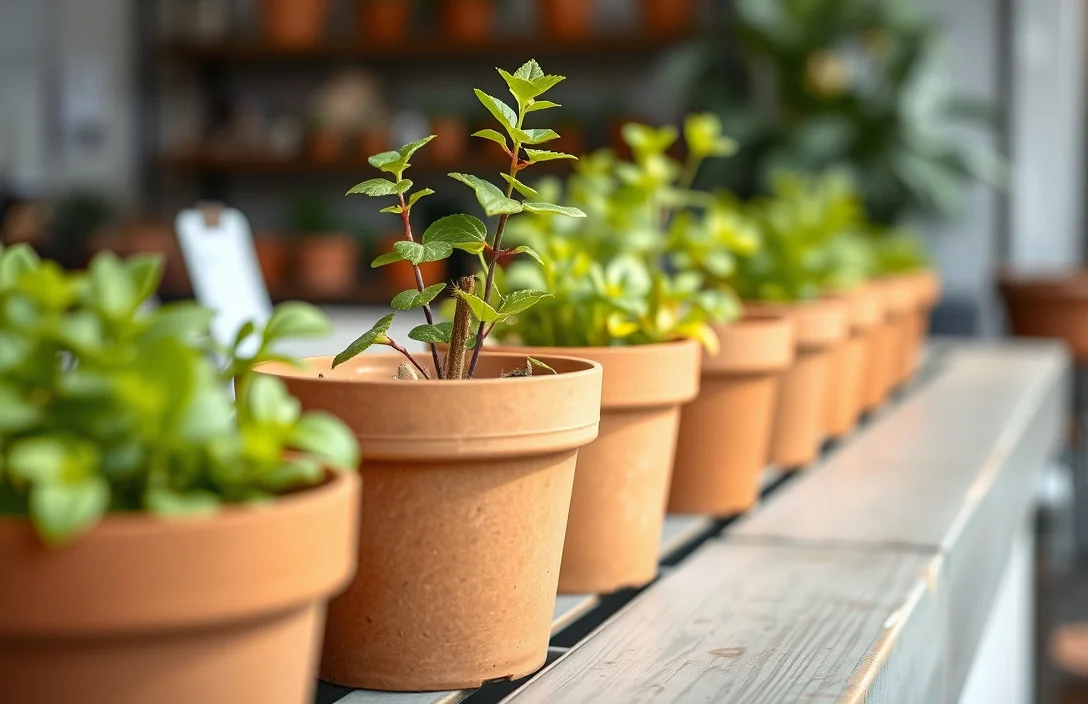
Do a “drain test” before you commit. Pour water through the pot and watch how quickly it clears, then repeat once after you add soil. If water lingers, it is the pot or mix – not your intentions.
Choose pot material based on your habits. Terracotta dries faster, which helps prevent overwatering but demands more frequent watering. Plastic or glazed ceramic holds moisture longer, which can help if you forget sometimes, but it also makes it easier to keep soil too wet.
Set depth carefully when you plant. Do not bury the stem deeper than it was growing before. For many houseplants, too-deep planting can lead to rot at the crown. When transferring from a nursery pot, keep the base at the same level and firm the mix gently.
Water consistently, not in big, random splashes. In small pots, water until it flows through and out the drainage holes, then stop. Let it drain fully, then discard any water trapped in the saucer.
Feed with the conditions in mind. Small pots have less nutrient reserve, but over-fertilizing in low light can burn roots and cause salt buildup. A diluted liquid fertilizer during active growth is usually safer than frequent tiny feedings.
Rotate the pot weekly. Small plants lean toward light because their growth concentrates on one side. Rotating keeps growth even and prevents constant leaning.
Why Small Pots Work (When You Pick the Right Plant)
Small pots fit real life – apartments, desks, bathrooms, and entryways where you want greenery without taking over the room. They also make plant ownership less stressful because you can start small and learn your space’s watering rhythm without risking a large planter.
Small pots let you experiment. If a plant struggles, swapping it for a better match is easier in a 4-inch pot than in a large container. It also becomes clearer what your home’s light is actually doing across the day.
Small plants work well in collections. Mix textures and forms: pair a trailing plant with a rosette, and add a compact leafy plant to anchor the look. You get a “plant corner” without needing much square footage.
Maintenance can also get simpler when the plant fits the pot. Succulents in small pots are usually low effort. Ferns need steadier moisture, but they still fit small containers if you can manage humidity and placement. In practice, the smaller the pot, the more you benefit from correct plant selection because it reduces both overwatering and neglect.

Helpful pick
24 Pack 3inch Multi Color Square Plastic Plant Pots,Seedling Nursery Transplanting Planter Container Indoor Outdoor for Your Room,Garden Office and Balcony Decor
The 3-inch plastic pots keep planters compact, ideal for apartments and desks while you learn watering rhythms.
Small Plant Options for Small Pots
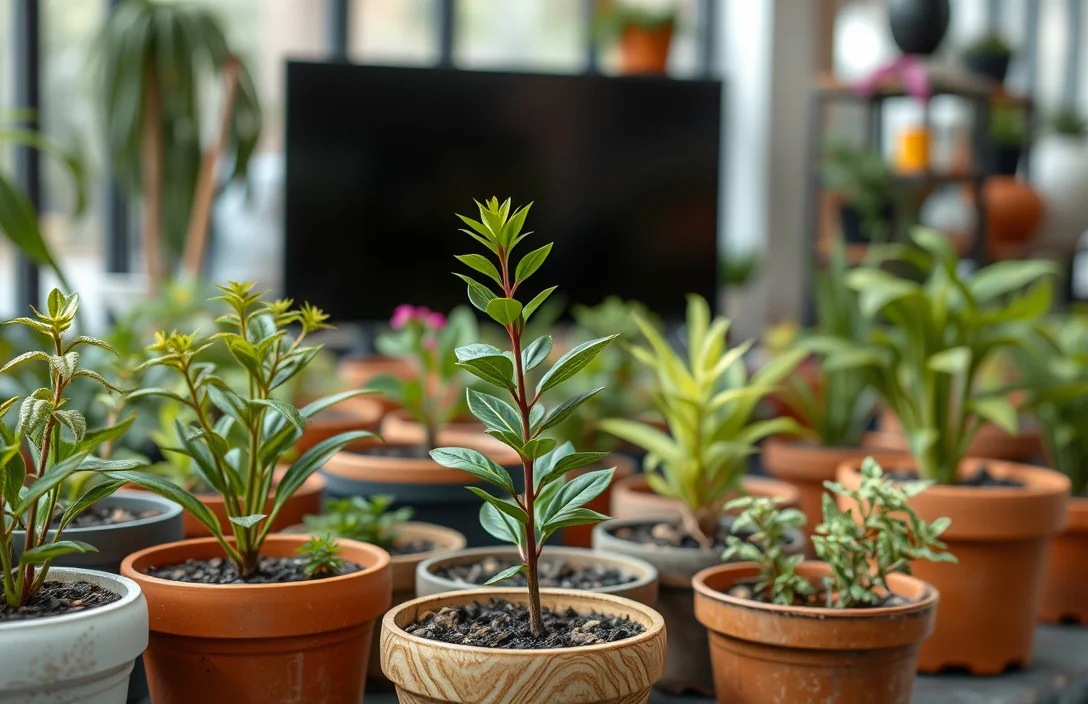
If you want the easiest wins, pick plants that stay compact or naturally form rosettes. For tiny containers, rosette succulents and small foliage plants often look tidy longer because they do not sprawl like trailers.
Good options by “job” (place and care style) for typical US indoor conditions:
- Easy bright-light choices: small succulents, jade-type plants, compact haworthia
- Low-fuss foliage for average light: pothos cuttings, peperomia, small philodendron varieties
- Indirect-light texture plants: mini snake plant, compact dracaena (small cultivars)
- For consistent moisture pockets: maidenhair fern, polka dot plant (if you can keep humidity up)
- Small flower moments: mini African violet, small kalanchoe (after flowering, treat it like a seasonal plant if needed)
Let pot size guide expectations, too. A 4-inch pot suits a single compact plant you plan to repot soon or keep pruned. A 6-inch pot holds moisture and nutrients longer, so it is more forgiving and often feels more like “set it and enjoy it.”
If your potting setup is not perfect, keep it simple. Drainage holes, a proper mix, and watering by soil moisture beat fancy add-ons every time.
Small Plants for Small Pots: Quick Comparison
| Plant option | Key spec (size habit) | Best for (light + care) | Pot size that fits |
|---|---|---|---|
| Haworthia (zebra-type) | Compact rosette, slow spread | Bright indirect to some sun, water sparingly | 4 to 6 inch |
| Jade plant (small cuttings) | Small tree form, drought tolerant | Bright light, let soil dry fully | 4 to 6 inch |
| Peperomia (compact types) | Thick leaves, stays neat | Medium to bright indirect, moderate watering | 4 to 6 inch |
| Pothos (small cultivar) | Vining, can be trained bushy | Bright indirect to moderate, water when partially dry | 4 to 6 inch (training helps) |
| Snake plant (small clumps) | Upright, slow-growing | Low to bright, very low water needs | 4 to 8 inch |
| Mini African violet | Rosette blooms | Bright indirect, careful watering (avoid leaf spots) | 4 to 6 inch |

Helpful pick
Orceler 4 Inch Terracotta Pots with Saucer – 6 Pack Small Clay Plant Pots with Drainage Holes, Flower Pots with Tray, Terra Cotta Pots for Indoor Outdoor Plants, Crafts, Wedding Favor
Ideal sized terracotta pots keep rosette succulents tidy and contained in small-space arrangements.
Advice That Prevents “Mystery Deaths” in Small Pots
Treat the container like part of the plant’s care system. Many “mystery deaths” happen because the pot changes how fast soil dries and how well oxygen reaches roots. If you use the same watering habits you used for bigger planters, small pots will correct you fast – and often not gently.
Match the plant’s soil moisture needs to your real watering pattern. If your schedule is inconsistent, choose plants that tolerate dry spells, like succulents or snake plant. If you can check soil often, you can handle thirstier plants like ferns – as long as you give enough indirect light.
Repot timing should follow roots and plant health, not the calendar. When roots fill the pot and water runs through too fast, refresh the mix. If the plant is still growing well and soil stays evenly moist, you can wait.
Be cautious with decorative pots. A common setup is a nursery pot inside a cachepot with no drainage. That can work briefly, but the safer approach is keeping the plant in a draining inner pot and emptying the outer pot after watering.
Prune early to keep small pots looking intentional. Pinching new growth keeps plants compact, removing yellow leaves improves appearance quickly, and trimming leggy stems usually beats waiting for a repot just to fix the look.

Helpful pick
RAOOKIF 100 Pack Nursery Pots, 4 5 6 Inch Nursery Pot for Plants, Plastic Plant Pots with Drainage Holes, Garden Flower Pots for Transplanting, Succulents, Cuttings, Seedlings(4inch,100pcs)
These drainage-hole nursery pots help regulate drying rates and ensure oxygen reaches roots in small containers.
Example Setups for Small Plants in Small Pots
For a look that works right away, pair a rosette succulent with a compact foliage plant. Use a 4-inch zebra haworthia in bright indirect light, then place a 4-inch peperomia on the opposite side of the shelf so it grows toward light and balances the visual weight.
In a low-light corner, keep it simple with a snake plant in a slightly larger small pot. A small clump in a 6-inch pot handles low light better than most leafy houseplants. Water infrequently and only when the mix is dry several inches down.
For something that softens a tabletop, choose a pothos cultivar and train it. Plant a single starter in a 6-inch pot and pinch the top growth after a few weeks to encourage bushiness. Rotate the pot weekly so it does not lean and droop randomly.
For a bathroom plant idea, pick a plant that likes stable humidity and indirect light. A small polka dot plant or fern can work if your bathroom gets bright indirect light and you keep soil lightly moist, not soggy. Use a draining pot and be strict about discarding water from saucers.
For a seasonal flower moment, go with mini African violet or a compact flowering plant. Treat it like a short-term showpiece unless you can maintain the right watering method and consistent light. Small flowering plants can be sensitive to irregular watering and leaf wetness.
FAQ
1) What size pot is best for small plants for small pots?
For most indoor starter plants, a 4 to 6 inch pot works well as long as it has drainage holes. Smaller than 4 inches increases watering swings and can stress plants when your schedule is inconsistent. If you are unsure, choose 6 inches for more breathing room.
2) How often should I water small plants in small pots?
Check the soil instead of following a calendar. A common pattern is to water when the top layer feels dry, water thoroughly until it drains out, then empty the saucer. In warm bright windows, some plants may need water weekly, while succulents can go longer between waterings.
3) Are small plants for small pots safe for pets?
Not all of them are. Some popular small plants can be toxic if chewed, so verify the specific plant name before placing anything where pets can reach. For a safer setup, choose pet-safe plant options and keep plants on higher shelves or behind barriers.
4) What’s the most common mistake with small plants for small pots?
Using a decorative pot without drainage that traps water around the roots. The second most common mistake is matching the wrong plant to your light and watering habits. Start with drainage holes and a proper potting mix, and you will avoid most failures.
5) What are alternatives if my small pot has no drainage holes?
Use it only as a decorative sleeve. Keep the plant inside a separate inner pot that drains. Water the inner pot thoroughly, let it drain, then remove it or empty excess water from the outer container. If you cannot do that, pick plants that tolerate drier conditions and still prioritize some way for excess water to escape.

- 10 Best Slow Cooker With Cool Touch Handles 2026 (Tested And Reviewed) - October 22, 2026
- 10 Best Slow Cooker With Quality Construction 2026 (Tested And Reviewed) - October 22, 2026
- 10 Best Slow Cooker With Premium Construction 2026 (Tested And Reviewed) - October 22, 2026