Can You Use In Ground Soil For Pots?
If you have bags of in-ground soil (the stuff you’d spread in a yard), you can reuse it in pots – but only after you address the two container problems: drainage and compaction. Yard soil often stays too dense in a container, which reduces airflow and leads to soggy conditions. This guide answers the question directly, then shows you what to check, how to modify the mix, and when potting mix is the smarter switch.
In-ground soil can work for pots, but it has to behave differently than it does in the ground. In a pot, fine particles pack tightly and slow water movement, so roots can sit in low-oxygen conditions. The fix is straightforward: blend in something that keeps pores open and use containers with real drainage holes. Your target is a mix that drains well and dries at least somewhat between waterings.
Key Takeaways
- Yes, with modifications. In-ground soil can work in pots if you improve drainage and reduce compaction.
- Potting mix is usually better. A bagged potting mix is lighter, aerated, and built for container root health.
- Watch for drainage failure. If water sits on the surface or drains slowly, the mix is too dense.
- Add structure materials. Blend in perlite, coarse sand, or fine pine bark to keep pores open.
- Avoid heavy amendments. Don’t rely on compost alone to “fix” dense soil for containers.
- Use the right watering rhythm. Dense mixes often need less frequent watering than airy potting mix.
What to Know About using in-ground soil for pots
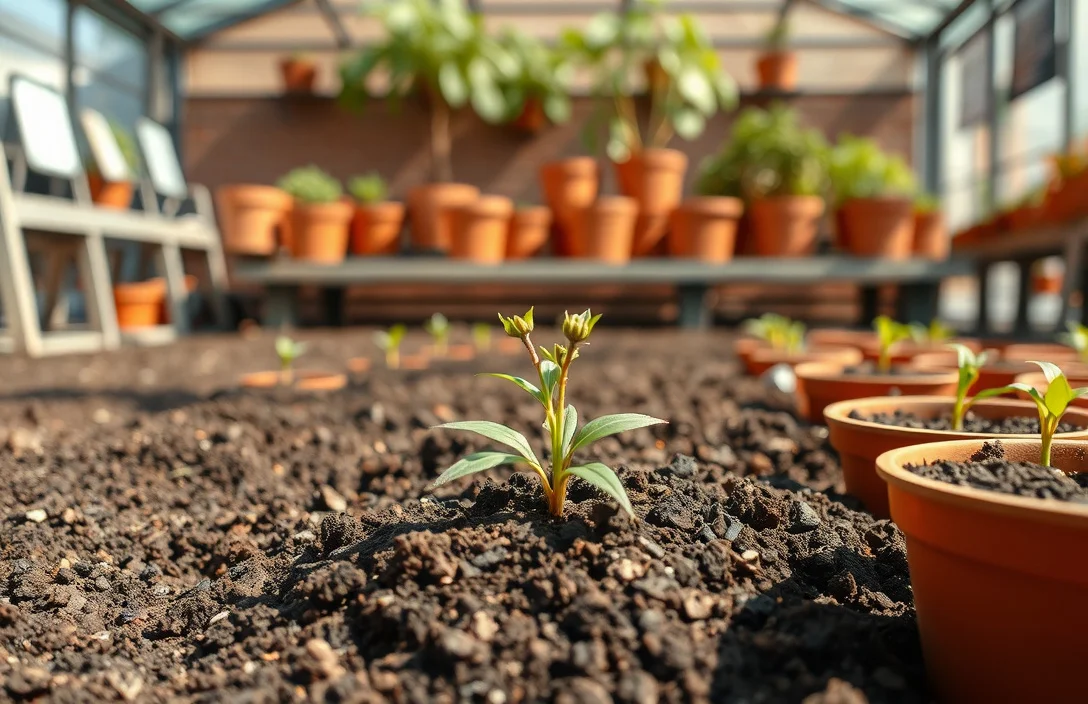
“In-ground soil” usually means native dirt plus whatever amendments your yard already has, and containers amplify the downsides. Dense soil slows water down and makes it harder for oxygen to reach roots. The result is root stress, fungus pressure, and chronic wilting even when the mix feels wet.
Pots also change the environment. They limit root space and make soil heat up and cool down faster, so nutrients and soil biology behave differently in a container than they do in a bed. That’s why in-ground soil needs to be treated like a starting material, not a finished potting medium.
You can use in-ground soil for pots – but your goal is to make it act like a container-ready mix.
Things that matter most
Texture drives most failures. In-ground soil often contains more fine particles (clay and silt), and those pack tightly inside a pot. Even if it drains “okay” outdoors, it can turn into a slow-draining block after a few water cycles.
Air space matters just as much. Roots need oxygen between waterings, and airy mixes keep pore space open. If your soil stays saturated, oxygen levels drop and plants start declining even if you water correctly.
A practical way to judge your specific soil is a soak-and-drain test in a container with holes. Fill it with your in-ground soil (or your planned blend), water thoroughly, then watch how long it takes to drain and whether a hard surface layer forms.
Here’s what usually goes wrong – and what it signals:
- Soil drains in a long time (or you see standing water). Fine particles are dominating, and airflow is low.
- Soil dries into a crust. Fines clog pores and water doesn’t re-wet evenly.
- Leaves droop after watering. Roots may be oxygen-starved, or salts can build up when drainage is poor.
Tips for using in-ground soil for pots
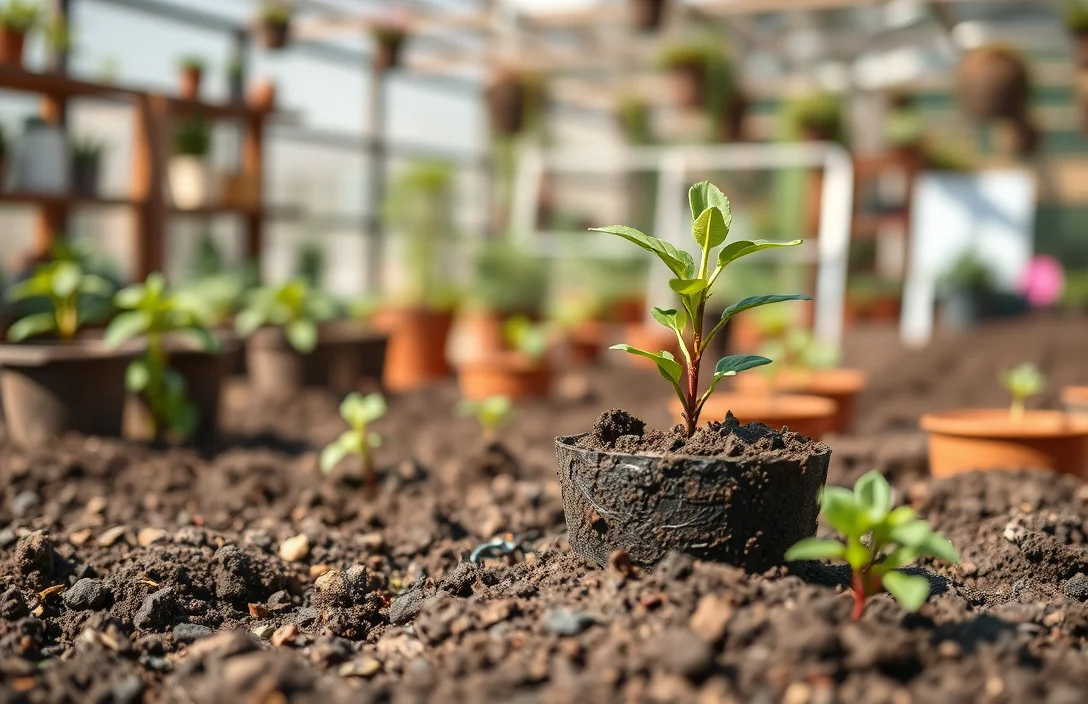
Improve the mix before you pot anything you care about. The simplest approach is in-ground soil plus an aeration or drainage component. For many soils, adding perlite works better than adding more compost, because perlite actually keeps pores open.
Use this blending rule of thumb: keep the majority of the mix as your soil, then add enough structure so water moves and air can get in. Many gardeners land around 25% to 50% amendment by volume, depending on how heavy the original soil feels.
Test the blended mix again after mixing, not just the original soil. The only evaluation that matters is how it drains in the pot.
Practical steps that work in real homes:
- Sift out debris. Remove rocks and large chunks so the mix packs consistently.
- Break up clumps. Crushed soil integrates better and re-wets more evenly.
- Add perlite or pine bark. Perlite improves drainage quickly; fine pine bark supports aeration over time.
- Check container holes. Pots without good drainage holes are a deal-breaker.
- Do a drain test. Water once, watch drain time, then repeat a day later.
- Water based on weight, not habit. Lift the pot and avoid watering on a fixed schedule.
One more tip that saves a lot of frustration: if your in-ground soil has never been amended with anything compost-heavy, don’t assume it’s “nutrient-rich enough” for containers. Pots run out of nutrients faster, even when the soil looks decent.
Benefits of using in-ground soil for pots
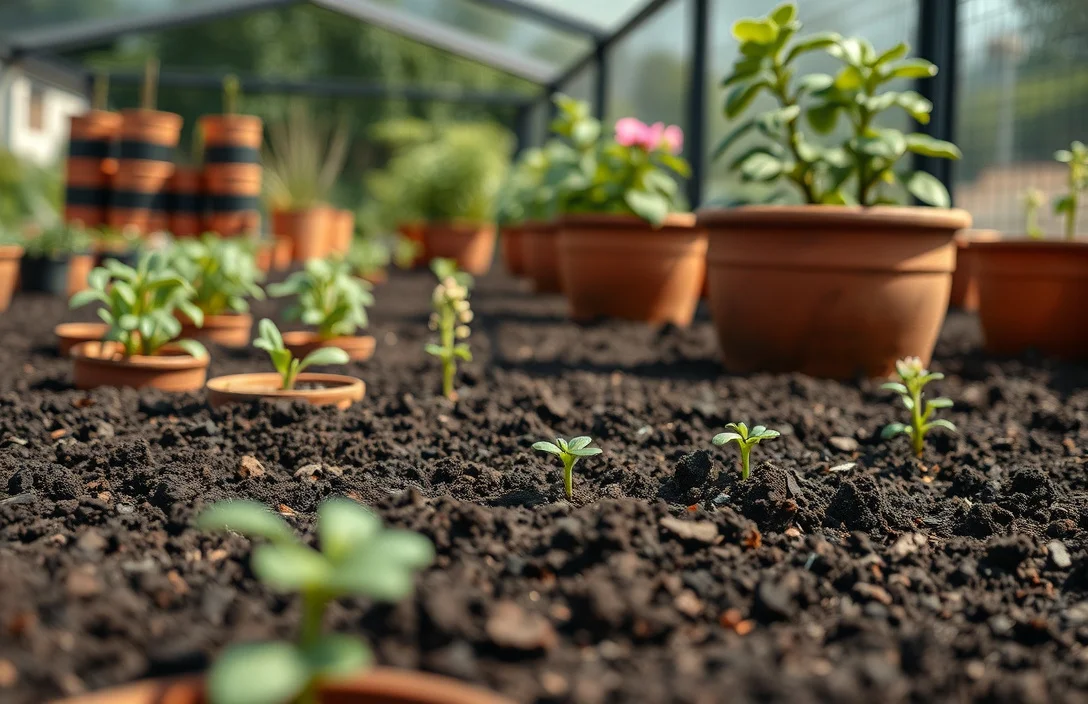
Using in-ground soil for pots can save money and reduce waste, especially if you already have it from landscaping. It also lets you reuse “known” yard soil, so you’re not dumping a totally new chemistry into your garden ecosystem.
With the right blend and excellent drainage, it can also be a workable medium for hardy plants that tolerate fluctuating moisture, like certain herbs (in the right conditions) or established perennials in large containers.
It can help with seed starting for some crops, but only when the soil is screened and lightened enough. Heavy, unscreened soil tends to crust and hold moisture unevenly, and that can slow germination or keep seedlings from establishing.
The upside is conditional. Once drainage slows or compaction becomes likely, the “cheap and convenient” advantage disappears – because you pay back in plant problems, extra labor, and more frequent re-potting.
Options for using in-ground soil for pots
If you want the lowest hassle option, potting mix is the baseline. It’s made for containers, so it stays lighter, drains more consistently, and resists compaction better than yard soil.
If you want to reuse your in-ground soil, your main options are amendments:
- Perlite. Improves drainage and aeration in the short term.
- Coarse sand. Can improve drainage, but too much can reduce water penetration in some soils.
- Fine pine bark. Adds long-lasting structure, which helps for potted perennials.
- Compost (small amounts). Adds fertility and can improve texture, but compost alone usually won’t fix compaction.
Many households get the best balance with a blended medium: reuse the in-ground soil, but remove the dense texture that containers punish.
Here’s a simple comparison to help you decide quickly:
| Option | Key Spec/Blend Idea | Best For |
|---|---|---|
| Potting mix (bagged) | Light, aerated, container-made | Most potted plants, lowest hassle |
| 100% in-ground soil | Native texture, high compaction risk | Only very large pots with excellent amendment |
| Soil + perlite (25% to 50% perlite by volume) | More air space, faster drainage | Herbs, annuals, quick turnaround containers |
| Soil + fine pine bark | Long-term structure, less compaction | Perennials, shrubs in pots |
| Soil + compost (small % only) | Adds nutrients, minimal structure change | Light soils, “fines” that aren’t too heavy |
If you’re unsure where to start, choose perlite or fine pine bark as the primary amendment. Those are usually the difference between “works” and “struggles.”
Expert Advice on using in-ground soil for pots
Match the soil mix to the plant and to the container size. Small pots dry out faster, and dense soil in a small container can create a stressful moisture cycle – wet at the bottom, dry at the top – while roots still struggle in the wet zone.
If you use in-ground soil, don’t rely on guesses. Test drainage for the exact blend you plan to use, because “loamy” can still be heavy in a pot.
Don’t assume garden soil behaves the same across every container type. Grow bags, self-watering planters, and containers with bottom reservoirs all require medium behavior that prevents prolonged saturation. Dense soil can stay too wet in setups that depend on controlled moisture.
Use this checklist before you pot:
- Container has drainage holes. If not, fix that first.
- Blend drains within a reasonable time. No standing water layer.
- No hard crust on dry-down. Re-wet should be even.
- Roots match the medium. Moisture-loving plants still need oxygen.
- Plan for feeding. Pots run out of nutrients faster than beds.
If your in-ground soil is mostly clay, skip “50/50” thinking and go higher on aeration. Clay often dominates texture even after mixing, and roots will feel it.
Examples: using in-ground soil for pots
If you have loamy garden soil and want to pot a basil plant in a 12-inch plastic pot, you can reuse the soil if you blend in perlite for air space. Basil likes a medium that stays evenly moist but never waterlogged, so aeration matters more than chasing a perfect nutrient profile.
For rosemary, the setup is different. Rosemary prefers a drier, fast-draining environment, and heavy in-ground soil usually needs more aggressive amendment. Mixing in fine pine bark or using a higher-perlite blend helps create the freer drainage rosemary needs.
If you only have time for one step before committing to a whole bag, do this: make one test pot. Fill it with your proposed mix, water thoroughly, watch drainage, then check again the next day. If it drains slowly or you get crusting, adjust the mix (more perlite or bark) before potting the rest.
Three realistic scenarios:
- Large container (20+ inches) with loamy soil. Often workable with moderate amendment.
- Small container with clay-heavy soil. Usually frustrating unless you heavily aerate and water carefully.
- Starting seeds. Usually not ideal unless you screen and lighten heavily, or use a true seed-starting mix.
FAQ
Can I use in-ground soil for pots without adding anything?
You can, but it often leads to compaction and slow drainage in containers. If you use it “as is,” pick a large pot with plenty of drainage holes and expect you’ll water less often. Most homeowners get better results by mixing in an aeration amendment like perlite or fine pine bark, since that’s what protects root health from chronic sogginess.
What’s the best way to mix in-ground soil for potted plants?
Combine your in-ground soil with an aeration or drainage ingredient like perlite or fine pine bark. Start with your soil as the bulk and add enough amendment to improve drainage and reduce density. If you can, run a quick soak-and-drain test in a pot before you commit.
Is it safer to use potting mix instead of in-ground soil for pots?
Yes. Potting mix is usually safer for containers because it stays light and drains consistently. In-ground soil can work, but it’s variable, and compaction risk is real – especially in small pots. If you want the lowest failure rate for houseplants, seedlings, or expensive plants, potting mix is the better default.
How often should I water pots filled with in-ground soil?
Water less often than you would with airy potting mix when the in-ground soil is dense. The right schedule depends on drainage and how fast the pot dries, so use a practical cue like pot weight or checking 1-2 inches down. When in doubt, wait until the top layer feels dry.
What’s the most common mistake when using in-ground soil for pots?
Skipping drainage improvement is the biggest mistake, especially when dense soil goes into a container with insufficient airflow. People also tend to water on a fixed schedule, even though dense mixes stay wet longer than expected. Fix drainage first, then adjust watering to match how the mix actually dries.

- 10 Best Slow Cooker For Slow Cooking Legumes 2026 (Tested And Reviewed) - October 17, 2026
- 10 Best Slow Cooker For Slow Cooking Oxtail 2026 (Tested And Reviewed) - October 16, 2026
- 10 Best Slow Cooker For Slow Cooking Venison 2026 (Tested And Reviewed) - October 16, 2026